REVIEW · PONTA DELGADA
Azores Whale Watching & Islet Boat Tour
Book on Viator →Operated by Azores Whale Watching TERRA AZUL · Bookable on Viator
Whales in the Azores are real, not a myth. I love the on-board marine biologist briefing and live commentary that sets expectations for sperm whale and dolphin behavior before you even hit open water. I also love the RIB speed and the radio-guided hunt that keeps the tour from feeling like a slow boat ride.
That said, this is wildlife watching, not a show. There’s no guaranteed sightings, and some outings can mean dolphins only (or even a long day with nothing). If you get seasick easily, plan for a bouncy ride and wear the full waterproof gear—expect water spray.
In This Review
- Key highlights you’ll care about
- Why Vila Franca do Campo is such a strong base for whale watching
- Before you go: briefing, species basics, and what safety actually means
- The RIB ride: speed, radio directions, and staying ready for sightings
- How wildlife spotting and respectful approach works in practice
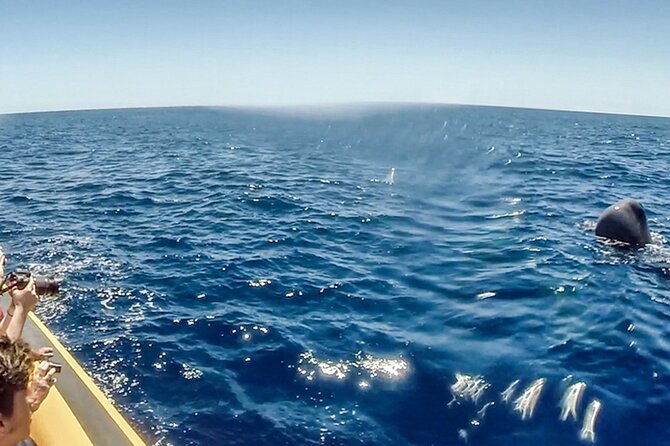
- What you might see: whales, dolphins, sea turtles, and those great surprises
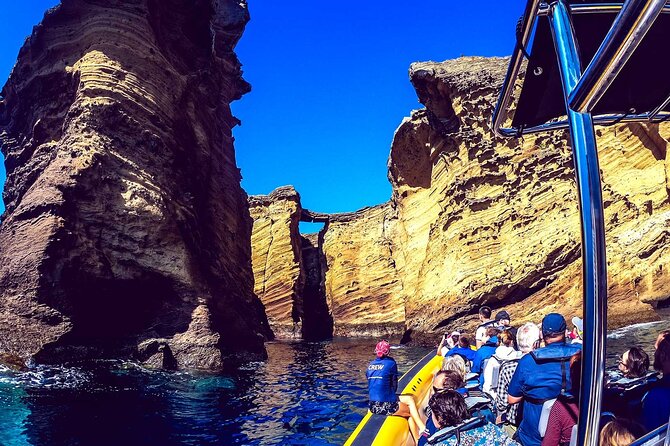
- The return loop around Princess Ring Islet: volcanic views you don’t want to skip
- What to pack (and what to wear) so the 3 hours stay fun
- Price and value: what $71.83 buys you in the Azores
- Who should book this whale watching tour?
- Weather and the hard truth about wild animals
- Should you book Azores Whale Watching & Islet Boat Tour?
- FAQ
- How long is the whale watching and islet boat tour?
- Where does the tour start, and do you return to the same place?
- Is pickup offered?
- What is included in the tour price?
- Can the crew guarantee seeing a specific whale or dolphin?
- What marine life might you see?
- What happens if weather is poor?
Key highlights you’ll care about
- Marine biologist-led learning with onboard safety briefing and species behavior explained before you search
- VHF radio spotting system: an inland lookout guides the crew to where animals are likely to be
- Careful approach + field work: the guide takes field imagery and data for local research while you watch
- Princess Ring Islet loop at the end: the boat comes back for a close look at the volcanic islet and resident life
- Small group feel with a max of 28 travelers (in Zodiac RIBs sized for the day)
- Gear included so you don’t freeze: impermeable full suit and life vest are part of the package
Why Vila Franca do Campo is such a strong base for whale watching
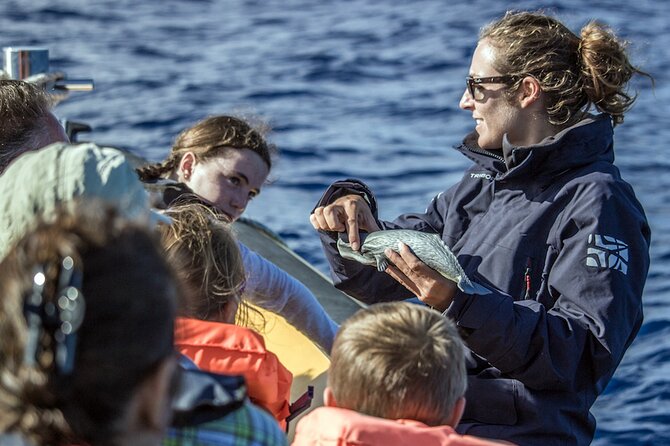
Vila Franca do Campo puts you right in the action zone for Atlantic wildlife. The tour runs out of the marina and targets waters around the Princess Ring Islet area, where whales and dolphins can appear close enough for real viewing time.
One big reason I like this setup: the boat tour isn’t just “go out, hope, come back.” The crew uses a structured search style—briefing first, then fast navigation based on real-time spotting—so your 3 hours at sea feels purposeful.
If you’re staying in Ponta Delgada, budget time to get to the marina. One reviewer noted it’s about a 25-minute drive by car from Ponta Delgada, so don’t treat it like a quick hop-and-go.
Before you go: briefing, species basics, and what safety actually means
The tour starts with a short, practical briefing about cetacean species in the Azores—especially sperm whales and dolphins—and how migration and behavior can affect what you see. It also covers onboard safety in a straightforward way.
This matters because whale watching is half seeing, half understanding. When you know what you’re likely looking for—blow patterns, surfacing style, group behavior—you spend less time guessing and more time watching.
You also get live instruction from the guide and skipper (no megaphone blasting). Reviews repeatedly highlight how clear the crew is about where to stand, how to keep everyone safe, and what to watch for when animals appear. On at least one departure, the guide Inez was singled out for making species differences easy to follow.
The RIB ride: speed, radio directions, and staying ready for sightings
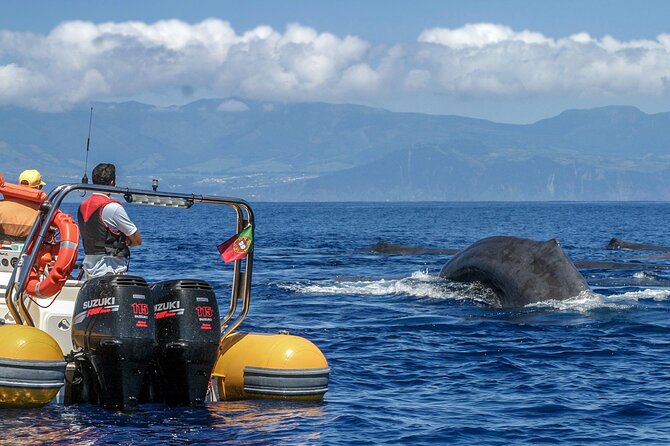
Once you board, the tour moves out quickly. A lookout high inland locates wildlife, then the crew gets directions via VHF radio about where the boat should travel initially—often at high speed.
That “find first, then watch” pacing is one of the best parts of the experience. You’re not sitting around waiting for the ocean to provide entertainment. You’re actively in the search window.
RIBs can feel bumpy. One traveler warned about the ride being aggressive water-wise, especially for anyone with seasickness issues. If that’s you, bring your usual antidote and plan to wear every bit of the provided waterproof gear so you’re not distracted by discomfort.
How wildlife spotting and respectful approach works in practice
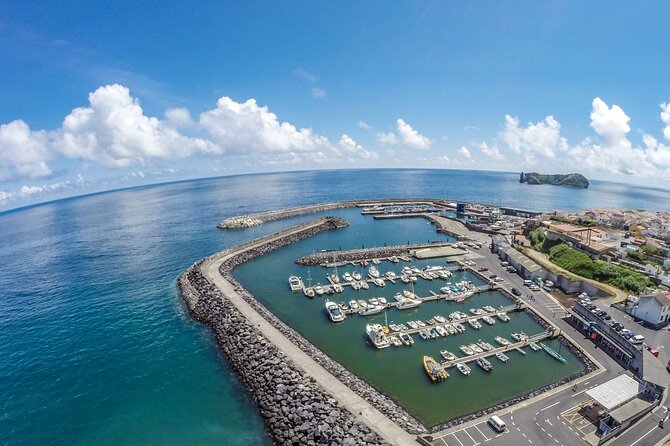
When animals are found, the crew doesn’t rush the scene. The guide keeps you informed as the team carefully approaches, aiming for good viewing while respecting the animals’ space.
The guide also collects field imagery and data for local research. That’s a quiet but meaningful detail. It turns your outing from “just a photo stop” into something tied to conservation and learning.
The tone of the crew comes through in reviews: people felt genuinely looked after, with guides available for questions and clear directions when it mattered. Mateo was praised by name for being helpful and friendly, which fits the broader pattern of calm, organized guidance.
What you might see: whales, dolphins, sea turtles, and those great surprises
The tour description lists several possible sightings year-round:
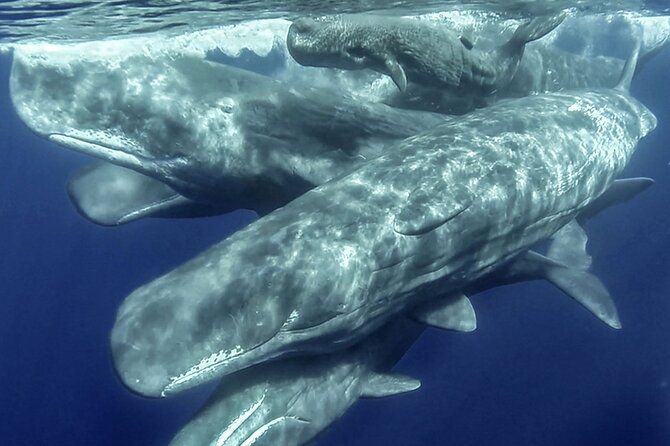
- Sperm whales (with additional cetacean species in the same waters)
- Pilot whales
- Bottlenose and Risso’s dolphins
- Sea turtles
- Other marine life
And while the tour can’t guarantee a specific species at a specific time, the variety is the point. The Azores are one of the best whale-watching regions in the Atlantic, and this route is designed to catch multiple cetacean types when conditions line up.
Reality check: some days deliver dolphins without whales. That’s not a failure. It’s how wild ocean time works. Several reviews call this out clearly—dolphins can be plentiful even when whales don’t show up in the viewing window.
Also, keep your mind open. Reviews include mentions of orcas, humpback whales, and different dolphin types. Those aren’t promised, but they’re a strong reminder that the ocean can surprise you when you’re flexible.
The return loop around Princess Ring Islet: volcanic views you don’t want to skip
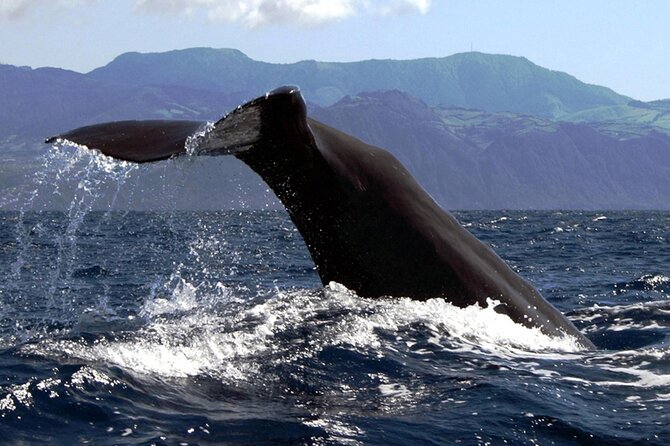
After time at sea, the boat returns and then tours around the Princess Ring Islet of Vila Franca do Campo. This part isn’t filler.
You get a close look at the volcanic marvel of the islet and the wildlife that calls this area home. It’s also a great chance to reset your eyes: even if the whale moment was brief, the coastline and islet view keeps the day feeling complete.
Think of it as the “second act.” The search is the main story, but the islet loop helps you connect the animals to the place they’re in—coastal geology, sheltered habitat, and the dramatic Atlantic edge.
What to pack (and what to wear) so the 3 hours stay fun
This is an outdoors, on-the-water trip. Plan your comfort like you’re going to get wet and wind-blown.
Bring:
- Your personal water supply (not included)
- Sunscreen and chapstick
- Warm clothing, since conditions can change fast
- A camera if you care about photos (it’s essential for photographers)
Light food is allowed. That’s helpful because 3 hours at sea can feel longer if your stomach is empty or your energy crashes.
Most importantly: wear the provided waterproof suit and life vest. One reviewer advised wearing the full jacket-and-pants setup because you will get wet. That fits the RIB reality—spray happens, even when conditions look calm from the marina.
If you’re bringing electronics, protect them. A phone in your pocket might be fine on a calm day, but the safer move is a waterproof case or dry bag. Small effort now saves big regret later.
Price and value: what $71.83 buys you in the Azores
At about $71.83 per person, this tour sits in a “serious value” zone for guided whale watching. You’re not just buying boat time. You’re paying for:
- A marine biologist guide with live onboard commentary
- A skipper experienced with RIB operations
- Included impermeable full suits and life vests
- Insurance and all fees/taxes
- A structured search approach using lookout spotting and radio direction
It also runs about 3 hours and offers choice of departure times throughout the day. That matters because early or mid-day light can improve viewing—and because waiting out a different time can sometimes help if earlier conditions were rough.
Booking demand looks real. On average, this is booked about 27 days in advance, so I’d plan ahead rather than gambling on “maybe we can do it later.”
Who should book this whale watching tour?
This tour fits best if you want a blend of learning and action.
You’ll enjoy it if:
- You like guided wildlife watching with clear explanations
- You’re comfortable on a fast RIB ride (or you have a plan for seasickness)
- You want a smaller-group feel (max 28 travelers)
- You care about both marine life sightings and the Princess Ring Islet scenery
If your top priority is guaranteed whales, adjust expectations. The tour itself is honest about wildlife reality. You’re signing up for responsible search and careful viewing, not a promised species count.
Also, the crew supports practical needs. Service animals are allowed, and most travelers can participate, so it’s not an overly technical activity—just an ocean one.
Weather and the hard truth about wild animals
This experience requires good weather. If conditions aren’t right, the tour can be canceled and you’ll be offered another date or a full refund.
Even with perfect weather, sightings aren’t controllable. Animals move. Pods spread out. Visibility shifts. That’s why the guide’s approach matters—careful driving, respectful distance, and constant communication improve your chances of good viewing during the time you’re on the water.
One more honest point: the ride can be “fun and exciting,” but it can also be bumpy. If you’re the type who hates motion, prepare.
Should you book Azores Whale Watching & Islet Boat Tour?
Yes—if you’re open to the real rhythm of wild ocean viewing and you want a guided, well-run RIB experience.
I’d book it because the fundamentals are strong: marine biologist learning, a structured search that uses lookout spotting and VHF radio directions, included waterproof gear, and that thoughtful return loop around Princess Ring Islet. Even when whales don’t show, dolphins and other marine life can still make the trip worthwhile—and the islet tour helps the day feel like more than a single sighting window.
Skip it only if you know you can’t handle RIB motion or you’re looking for guaranteed species sightings.
FAQ
How long is the whale watching and islet boat tour?
The tour lasts about 3 hours.
Where does the tour start, and do you return to the same place?
It starts at Azores Whale Watching TERRA AZUL at the Marina de Vila Franca do Campo. The activity ends back at the meeting point.
Is pickup offered?
Yes, pickup is offered.
What is included in the tour price?
Included are a knowledgeable wildlife guide with live commentary, an experienced skipper, a Zodiac RIB boat, an impermeable full suit and life vest, insurance, and all fees and taxes.
Can the crew guarantee seeing a specific whale or dolphin?
No. It’s not possible to control animals’ behavior in the wild, so sightings of specific species at specific times can’t be guaranteed.
What marine life might you see?
The tour lists sperm whales, pilot whales, bottlenose and Risso’s dolphins, sea turtles, and other marine life. Other cetaceans may be possible depending on what’s in the area.
What happens if weather is poor?
This experience requires good weather. If it’s canceled due to poor weather, you’ll be offered a different date or a full refund.