REVIEW · FARO
Birdwatching in Ria Formosa – Eco Boat Tour from Faro
Book on Viator →Operated by Lands - Turismo na Natureza · Bookable on Viator
Birds sound different when the engine stays quiet. On this eco boat tour from Faro, you glide through the Ria Formosa Natural Park in a solar-powered boat built to keep disturbance low. Expect close looks at wading birds and a guide who ties each sighting to the habitat you’re floating over.
I especially love the calm pace: the boat is smooth and silent enough that you notice water sounds and bird calls, not just the motor. I also like that you’re not left to guess—binoculars are included, and onboard live commentary (in English) helps you make sense of what you’re seeing, with guides such as Luis mentioned for sharp eyes and a relaxed style.
One thing to plan around: bird counts depend heavily on season, tide, and weather. On days like high tide, waders can be harder to spot, and some months simply have fewer birds.
In This Review
- Key takeaways before you go
- Solar-powered silence: what it changes for bird watching
- Where you start in Faro and how the tour runs in real time
- Stop by stop: what you’ll see in the Ria Formosa marshes
- Stop 1: Setting off from Faro and finding the bird rhythm
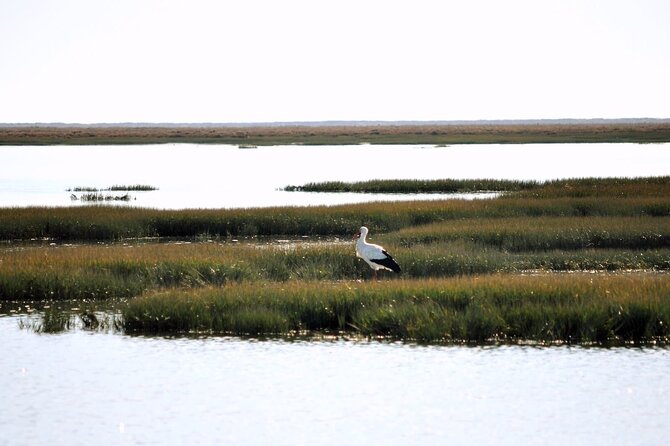
- Stop 2: Lagoon and marshes for storks, egrets, and spoonbills
- Stop 3: Canals, marsh edges, and wildlife without disturbing it
- Stop 4: Heading back toward Faro and the calm after the bird rush
- The guides and the included gear that actually matter
- Bird photography and spotting tips (based on what works here)
- When to go: season and tide can make or break your bird list
- Price and value: what $48.27 gets you (and why it’s fair)
- Should you book this eco boat birdwatching tour from Faro?
- FAQ
- How long is the eco boat birdwatching tour from Faro?
- How much does the tour cost?
- What time do I need to check in?
- Where does the tour start and end?
- Is hotel pickup included?
- What’s included on board?
- Is the tour offered in English?
- How large is the group?
- What should I do if the weather is bad?
- Can children join?
Key takeaways before you go
- Solar-powered, low-noise ride for better bird viewing and easier listening
- Biologist-guided live commentary that helps you identify what matters in the habitat
- Binoculars + life vests included so you can pack lighter
- Max group size of 14 keeps the boat experience calm
- Shellfish farms and oyster beds add a real-world layer to the park’s wildlife
- Bring a long lens if you’re photographing; cloudy/windy weather can change lighting and focus
Solar-powered silence: what it changes for bird watching
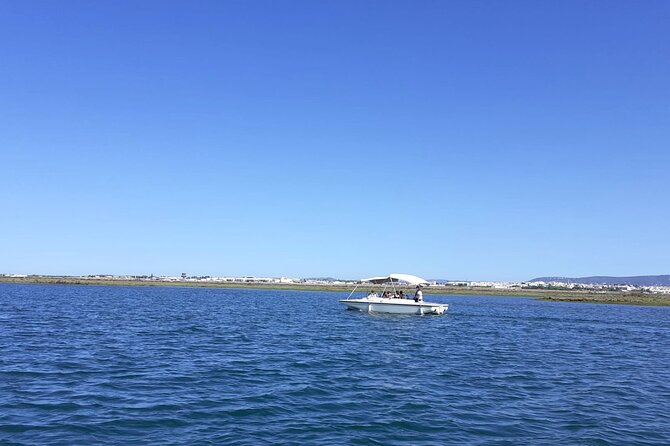
Ria Formosa is one of Portugal’s best “show up and listen” wetlands. The trick is getting onto the water in a way that doesn’t scare everything off. This tour uses a solar-powered eco boat, and that matters more than you’d think.
With less engine noise, you hear the small stuff: wing flaps, calls, and the soft shift of water around the marsh edge. That quiet also makes the birds feel less “on alert.” A few people also highlight how close the boat can get to muddy banks without turning the scene into chaos—exactly what you want if your goal is spotting details like leg color, beak shape, and feeding behavior.
There’s another upside: the ride feels smooth. So even if birds aren’t cooperating at every stop, you still get a relaxing nature cruise instead of a rushed “drive-by” tour.
You can also read our reviews of more tours and experiences in Faro.
Where you start in Faro and how the tour runs in real time
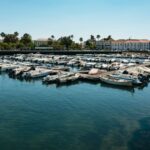
The tour starts at Lands at Faro Marina, near R. Cmte. Francisco Manuel 41 (8000-138 Faro) and the Passeio Abu Sào Ibn Harune area. You’ll want to check in about 10 minutes before departure, because once boats leave, they don’t pause for late arrivals.
This is a small-group format with a maximum of 14 people. That size is a sweet spot on birding trips: you get conversation and guidance, but not a packed party that creates noise and blocks sightlines.
You can expect live commentary during the ride, and the tour is offered in English (and sometimes with multi-lingual guides). A mobile ticket is used, and service animals are allowed.
No hotel pickup is included. The good news is that the meeting spot is near public transportation and is convenient if you’re staying in or near central Faro.
Stop by stop: what you’ll see in the Ria Formosa marshes
Stop 1: Setting off from Faro and finding the bird rhythm
The first phase is about orientation—getting you out of the marina zone and into the marsh-and-lagoon world where birds are active. Even early on, the guides’ habit is to point out what to look for: not just species names, but the habitat cues that explain why they’re there.
If you’re the kind of person who likes learning as you go, this is where the tour earns its keep. Instead of “there’s a bird,” you start linking patterns like shallow water = waders and marsh edges = egrets and storks.
Stop 2: Lagoon and marshes for storks, egrets, and spoonbills
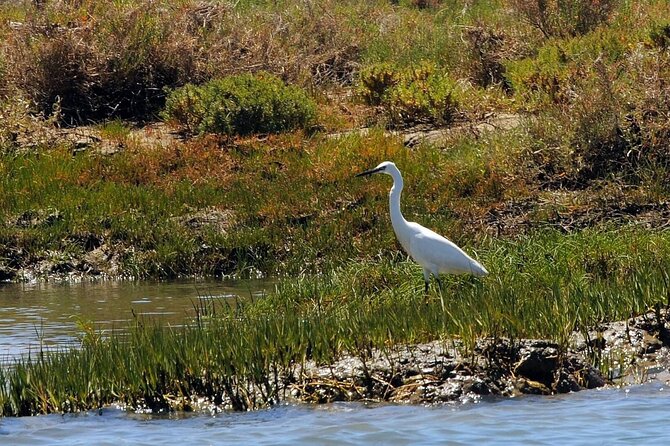
Once you hit the lagoon and marsh channels, you’re in the core birdwatching zone. This is where people report seeing birds like the white stork, little egret, and spoonbill. You’ll also be in the right place for smaller shorebirds that rely on exposed mudflats.
The boat slows down in the right spots so you can actually track movement. You’re not just scanning randomly—you’re getting taught how to interpret what’s in front of you: where birds stand, how they feed, and how they react to the boat’s low impact.
A practical detail: if you’re trying to identify birds beyond the obvious ones, bring patience. The tour style rewards steady watching, not rapid snapping of photos.


Stop 3: Canals, marsh edges, and wildlife without disturbing it
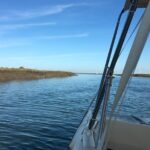
From the marshes, you’ll explore canals and marsh areas designed to protect wildlife. The goal stays simple: watch birds and wildlife without pushing them away.
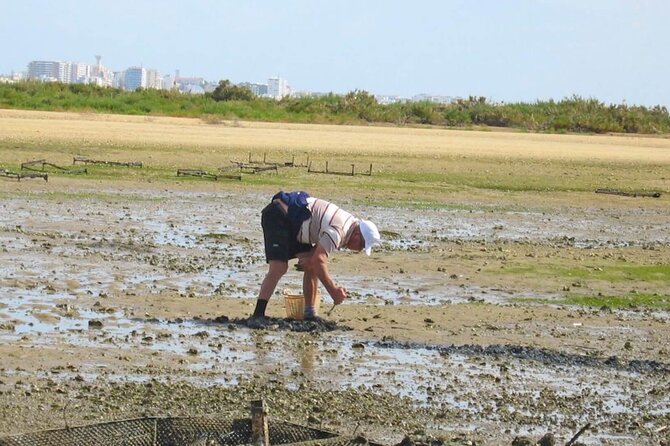
This is also where the tour gets extra interesting: there’s a chance to pass areas linked to shellfish farming, including oyster beds. In other words, you’re not only seeing nature—you’re seeing how people and wildlife share the same watery space.
That matters for two reasons. First, it explains why certain birds concentrate where they do. Second, it turns Ria Formosa from a postcard into a living working ecosystem.
Stop 4: Heading back toward Faro and the calm after the bird rush
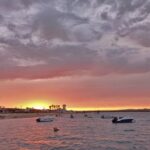
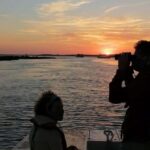
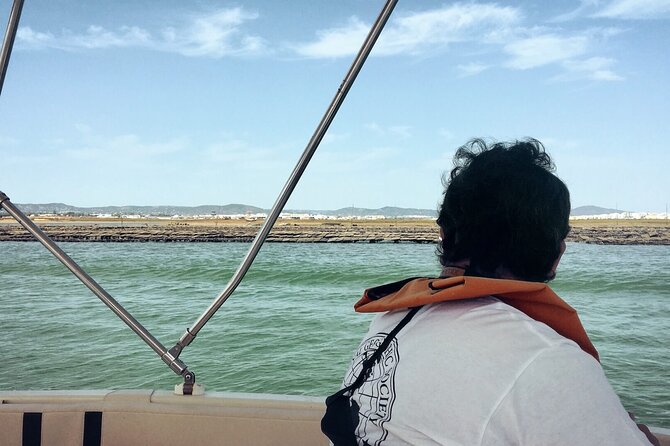
On the return trip, the emphasis shifts from “spot everything” to enjoying the soundscape. People describe it as a peaceful glide with a quiet engine and fewer distractions.
You’ll also get views back toward Faro’s old town from the water, which is a nice payoff if you like seeing a city from an angle you can’t get from streets.
There’s also an option to disembark with your guide if you want to shorten your walk back—just ask in advance so the crew can plan the best way to handle it.
The guides and the included gear that actually matter
This tour is anchored by a guiding team connected to trained biology—Lands started with trained biologists, and it shows in the onboard approach. The guide role isn’t just calling out species. It’s linking bird behavior to habitat and helping you learn the “why” behind the sightings.
Names you might hear from people’s experiences include Luis, described as calm, funny, and quick to spot birds like osprey and kingfisher. Another guide name that appears is Lush. Different days mean different people, but the standard for respectful, careful marsh navigation seems consistent.
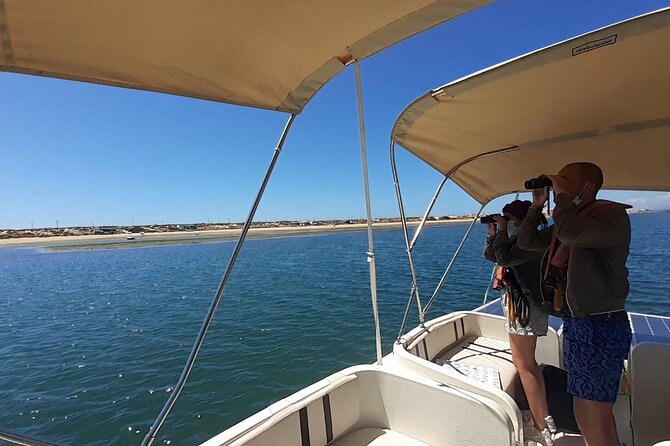
You don’t need to bring your own binoculars. Binoculars are included, and life vests are provided too. That’s a real value point if you’re traveling light or don’t want to rent gear elsewhere.
Bird photography and spotting tips (based on what works here)
If you care about photos, plan for distance. Many sightings are best at a gentle viewing angle rather than a close “come right up” scene. People recommend bringing a long lens—and even a teleconverter—so you can zoom in without leaning over the edge.
Weather can also affect results. On windy or cloudy days, you may still see great birds, but photos can come out darker. That’s not a flaw in the tour; it’s just how light behaves over open water and overcast skies.
One more tip: if you’re aiming for crisp bird shots, keep your settings simple and let the guide help you place your viewing time. Waiting and aiming with purpose usually beats constant camera movement.
When to go: season and tide can make or break your bird list
Here’s the honest truth: you can’t buy guaranteed species. Bird activity changes with season, and tidal timing affects which birds are feeding.
For example, high tide can mean fewer waders that need exposed mud. People also note that some months are quieter for birding. June, in particular, can produce fewer birds, so the best strategy is choosing a month when the park is active for the kinds of species you want.
You’ll also hear advice to go off-season if your priority is sound and crowd control. Less noise in the marina can make it easier to hear bird calls and the small water sounds that help you track movement.
Finally, this is a nature-based experience that depends on conditions. A lot of value comes from the chance to see something unexpected—especially predators like raptors and kingfisher-type behavior when the weather holds.
Price and value: what $48.27 gets you (and why it’s fair)
At about $48.27 per person for an approx 2-hour (often around 2.5-hour) outing, the math comes down to three things:
- You’re paying for access to Ria Formosa by a low-impact boat that’s built for wildlife viewing, not just transportation.
- Guidance is included with live onboard commentary and help with spotting and identification.
- Gear is included—binoculars and life vests—which saves you from rental fees or awkward “borrow someone’s scope” problems.
If you’ve ever paid for boat time where the motor roar drowns out everything, this one feels like better use of your money. The quiet boat plus expert interpretation makes it easier to turn a calm ride into real learning and real sightings—when conditions line up, you can rack up impressive species lists.
Should you book this eco boat birdwatching tour from Faro?
Book it if you want a nature-focused outing that feels respectful to wildlife, with quiet solar-powered cruising and gear provided. It’s also a great match if you like learning how to read a wetland—marsh edges, canals, feeding zones, and why certain birds show up where they do.
Skip it only if your plan depends on guaranteed sightings or specific “must-see” birds on a fixed date. Conditions matter here: season and tide can change what appears. If you can be flexible, this is the kind of tour that pays back with calm, close watching and the chance of a standout moment.
FAQ
How long is the eco boat birdwatching tour from Faro?
The tour runs for about 2 hours, and it may be around 2.5 hours in practice.
How much does the tour cost?
The price is listed at $48.27 per person.
What time do I need to check in?
You should check in at least 10 minutes before departure.
Where does the tour start and end?
It starts at the Lands meeting point in Faro Marina (near R. Cmte. Francisco Manuel 41 and Passeio Abu Sào Ibn Harune) and ends back at the same meeting point.
Is hotel pickup included?
No. Hotel pickup and drop-off are not included.
What’s included on board?
Binoculars, life vests, a local guide, and live commentary on board are included.
Is the tour offered in English?
Yes, it’s offered in English.
How large is the group?
The maximum group size is 14 people.
What should I do if the weather is bad?
The experience requires good weather. If it’s canceled due to poor weather, you’ll be offered a different date or a full refund.
Can children join?
Children must be accompanied by an adult, and child pricing applies only when sharing with 2 paying adults.