REVIEW · ANCONA
Boat tour all along Conero Riviera
Book on Viator →Operated by CONERO ESCURSIONI - NUMANA · Bookable on Viator
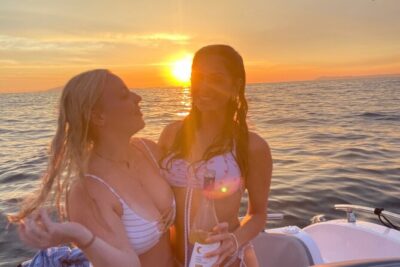
The Conero coast looks better from a boat. You get crystal-clear swims and captain storytelling along limestone bays, caves, and sea-only beaches, with captains such as Marco, Filippo, and Roberto. One thing to consider: the promised English experience can vary depending on the captain.
You meet at CONERO ESCURSIONI in Numana (Piazzale Silvio Massaccesi), and it’s built for an easy start: mobile ticket, confirmation at booking, and help via WhatsApp. It runs with a small group (max 12), so you’re not stuck in a big crowd watching from the sidelines.
At about $60.49 per person for roughly 3 hours, you’re paying for access. This isn’t a slow sightseeing cruise—it’s about getting you close enough to see the Conero Park coastline and actually swim where the footpaths can’t reach.
In This Review
- Key things that make this boat tour worth your time
- Numana to the Conero Park: what a 3-hour coast crawl really feels like
- Port of Numana after Spiaggiola: gravel paradise and turtle-zone lore
- Sirolo from the waves: natural cave vibes without the uphill hassle
- The pink-rock stretch toward San Michele: fast depth and dark-rock drama
- Due Sorelle and Forni: sea-only beaches you’ll actually want to swim at
- The sail-cliff cove and the Conero Park bay with monuments from the sea
- Mezzavalle, then Scoglio del Trave: wild beach time and a safer kind of dare
- Captain style, English, and why ID matters at the dock
- Price and what you actually get for about $60.49
- When to go, what to pack, and how to handle choppy seas
- Should you book this Conero Riviera boat tour?
- FAQ
- How long is the Conero Riviera boat tour?
- How much does it cost?
- Is the tour offered in English?
- Where do I meet for the tour?
- How many people are on the boat?
- What happens if the weather is bad?
Key things that make this boat tour worth your time
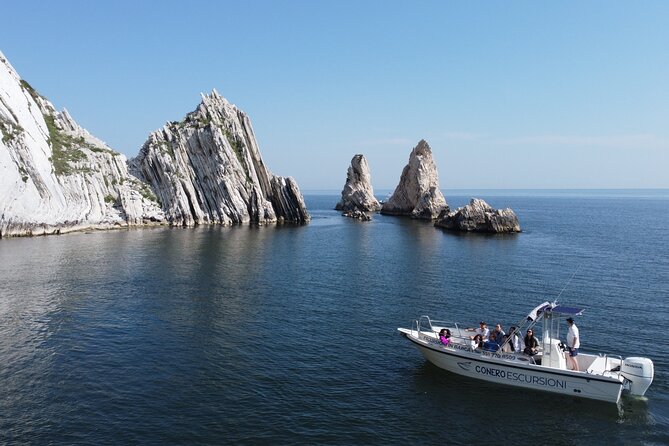
- Sea-only access to Spiaggia delle Due Sorelle via the sea (the difficult Passo del Lupo path is closed by ordinance)
- Turtle release area near Port of Numana where the Cetacean Foundation sometimes sets a net forming a cove
- Sirolo’s inlet and natural cave right on the village slopes, with a protective pier
- Pink-rock coast with fast-deep clear water and dark rocks that shape the feel of the beaches
- Scoglio del Trave bath stop plus sparkling wine aperitivo after Mezzavalle
- Captains like Marco, Filippo, and Roberto who mix safety, stories, and swim spots (English may vary)
Numana to the Conero Park: what a 3-hour coast crawl really feels like
This tour is short on purpose. Three hours gives you enough time to cover a good slice of the Conero Riviera without turning it into a long day on the water. The payoff is that the schedule keeps bouncing you between viewpoint stops and swim moments, instead of just idling near the shoreline.
You’ll start at the port in Numana with CONERO ESCURSIONI (Piazzale Silvio Massaccesi). Expect a straightforward check-in and support from the company team—Sofia is specifically mentioned in one account as part of the welcome. Then the skipper takes over with a mix of safety, directions, and local details you can actually use to understand what you’re seeing.
One practical thing: this is a boat experience with rules. You don’t just “pull up” to any sand. You’ll be kept at a minimum distance from shore (typically around 100–300 meters) for safety, and orange buoys mark areas where transit is prohibited. In other words, plan to admire the beaches from the boat first, then swim in the coves they’re allowed to reach.
Port of Numana after Spiaggiola: gravel paradise and turtle-zone lore
The early part of the route focuses on the quieter side of the coastline north of the Port of Numana—after the Spiaggiola area. This is where you see that classic Conero combination: green park vegetation, white limestone rock, and fine gravel water that looks almost see-through.
This stop is ideal for people who care about swimming quality. The water is described as transparent, and snorkeling is specifically mentioned as a good fit here. Even if you’re not a serious snorkeler, clear water changes how the whole coast feels—rocks, shallows, and the shape of the seafloor become part of the experience.
There’s also a unique detail tied to conservation: between two beaches, the Cetacean Foundation sometimes sets a net to form a cove where turtles are placed after being cured, before their release. It’s one of those moments that gives the coastline meaning beyond photos, and the skipper’s talk is the way you’re most likely to catch this story in-context.
If you like small local landmarks, you’ll also hear about Sasso del Bo’, a rock a few meters from shore. It’s the kind of feature that makes you stop guessing where you are and start recognizing the coast as a real place with real geography.
Sirolo from the waves: natural cave vibes without the uphill hassle
Next up is Sirolo beach. It sits right on the slopes of the village, so from the water you get an easy view of how the town hugs the coast. The bay here includes a beautiful natural cave, plus a small pier that helps protect the inlet—basically turning it into a more sheltered feel than some more exposed coves.
This is a good moment to shift your mindset. On land, Sirolo can mean steps, slopes, and limited time. From the boat, you’re in a calmer rhythm: look, listen, and then get a swim or two in without carrying your beach time through a hilly path.
A cave is also a magnet for curiosity. Even if you never swim fully inside, the sightline from the boat helps you understand how the coastline eroded over time and why these inlets work the way they do. If your captain is talkative, this is often where the explanations become the most memorable because you can connect the story to visible shapes.
The pink-rock stretch toward San Michele: fast depth and dark-rock drama
As the boat runs along the stretch north of the beach of San Michele, you’ll notice the coastline changes character. Pink rock comes in, and the seabed is described as transparent—with the water becoming deep quickly. That quick drop matters for swimming and snorkeling because it can make the water look clear but also means you shouldn’t expect a long shallow walk-in.
There are also dark rocks here, and they help name the beach area. Add thick Mediterranean vegetation that comes almost to shore, and you get a coast that feels rugged and close.
This segment is more about perception than about a single “must-do” moment. The boat gives you an uninterrupted view of how rock color, water clarity, and vegetation work together. If you’ve ever been to the Adriatic on a crowded strip, this is the contrast: it feels more like a protected coastline than an endless beachfront.
Due Sorelle and Forni: sea-only beaches you’ll actually want to swim at
Spiaggia delle Due Sorelle is the star stop for people who love being somewhere few others can reach. Access is only by sea because an ordinance prohibits the difficult land path called Passo del Lupo. That simple fact is why the beach still feels unspoiled when you arrive by boat.
What you’ll see on arrival: pebbles and stones, plus the two large rocks called Le Due Sorelle (The Two Sisters) that watch over the bay. From the right angle, they’re described as looking like sisters with hands joined in prayer. Whether you see the exact pose or not, the rock formation gives the beach a strong sense of identity.
Next to it is Forni Beach, including Spiaggia dei Forni and Spiaggia dei Gabbiani. This area is reached only by sea too, and it’s characterized by white pebbles and clear water. There’s also a charming note: toward evening, winged inhabitants at Spiaggia dei Gabbiani come to reclaim the place. It’s a small detail, but it tells you the coves function like real habitats, not just beach backdrops.
Two things to keep in mind here:
- Boats and coves mean you may share swim time with other people, so claim your comfort zone early.
- Clear water means you’ll be more tempted to float and linger. Build in time for that so you don’t feel rushed at the next stop.
The sail-cliff cove and the Conero Park bay with monuments from the sea
Between the more famous named beaches, the route includes smaller shoreline drama. One stop is described as a beach named for a large cliff shaped like a sail. Some daring people jump from the middle or even from the top, around 10 meters high. If that’s not your style, you still get the main benefit: rocks, white pebbles, and water that invites a calm swim.
Then the boat heads to a bay completely immersed in the Conero Park. This is where the view expands beyond just the water. From the sea you can admire major landmarks, including the Romanesque Church of Santa Maria, the Clementine Tower, and the Napoleonic Fort. Seeing these structures from the coastline perspective is valuable because they stop being “random tourist sites” and start reading like part of one defensive and religious coastal system.
This is also where a good skipper really shines. When the captain connects the dots—what you see, why it’s there, how the coastline shaped movement—the stops feel less like checklist items and more like a guided conversation with the coast.
Mezzavalle, then Scoglio del Trave: wild beach time and a safer kind of dare
Spiaggia Mezzavalle is wide and deep, sitting north of the Bay of Portonovo near lush green vegetation. The key detail: it’s completely wild, with no equipped facilities. That matters because your beach experience is less about rentals and more about simple access—water, sky, and the natural feel of the cove.
The seafloor here is described as fine gravel with a sandy and sloping seabed. That combination is usually friendlier for swimmers who want to enter without immediately dealing with rough rocks underfoot. Still, it’s not a built resort beach, so you should treat it like a natural stop: bring what you need and plan to leave nothing behind.
After Mezzavalle, there’s a bath stop at Scoglio del Trave. This rocky tongue stretches about a kilometer into the Adriatic Sea. The water and the structure are described as forming a natural barrier that can be dangerous for less experienced vessels that get too close to shore. So the boat’s job is to use the safe approach while still giving you a dramatic swimming area.
This is also where you’ll get a small aperitivo tasting local sparkling wine. In practice, many people mention a glass of bubbles or Prosecco plus snacks. The exact bites can vary (some accounts cite taralli), but the core idea stays the same: a light coastal toast while you’re already in the mood to relax.
Captain style, English, and why ID matters at the dock
The captain is the difference between a good boat ride and a memorable one. I like how the best skippers here handle both safety and storytelling at the same time. Marco, Filippo, Roberto, Carlo, and Marino are all named in accounts, and the common theme is that they explain what you’re seeing along the coast.
Language is the one area you should treat carefully. The tour is offered in English, and many skippers do speak English well. At the same time, there’s at least one report that the experience was nearly all Italian, despite being booked as English. If English is important to you, I’d suggest booking with a bit of flexibility in mind—or contact the provider before arrival if you want confirmation that an English-speaking captain is assigned.
Also bring your ID. One person wasn’t told to take it to the port and got stuck in a paperwork moment. The company’s response points to a straightforward rule: Italian law requires identification for anyone renting the boat. Photo ID should solve that worry fast.
Price and what you actually get for about $60.49
The price—$60.49 per person for about 3 hours—sounds simple until you break down what you’re paying for. You’re not just paying to ride. You’re paying to:
- See coves and cliff-beaches that are hard or impossible to reach by foot
- Get permitted swim time in specific areas
- Hear local context while you watch the coastline from the exact angles that matter
There’s also a built-in value add: sparkling wine (often described as Prosecco or bubbles) and small snacks. Some people found the aperitivo light, but even when it’s basic, it fits the tour style: a short boat window paired with a coastal toast.
Where value can drop is when conditions limit the plan. Choppy seas can reduce how many swim stops you actually get. If you’re prone to motion discomfort, that’s also a reason to pick your day carefully.
In other words: for the typical sunny, calm-water day, this is a solid spend. For rough weather, you may feel like you paid for a plan that the sea forced to change.
When to go, what to pack, and how to handle choppy seas
This experience requires good weather. That’s not marketing talk; it’s how boat schedules work on the Conero coast. When the sea is choppy, you might not reach every beach the route usually shows, and you may get fewer swim moments. On some days, the “three swim stops” idea can turn into one longer swim offshore.
To make your day smoother, pack for a half-day on the water:
- Swimsuit and a towel you can dry off with
- Water shoes or footwear you trust on gravel
- Sunscreen and a hat (the sun can hit hard on the Adriatic)
- A light layer for wind, if you get a breezy return ride
If you’re sensitive to motion, consider bringing something you normally use on boats. Also, be ready to follow the captain’s lead. If they choose a safer swim spot, it’s almost always because conditions change faster at sea than on land.
Should you book this Conero Riviera boat tour?
Yes, if your goal is sea-access swimming and a quick, high-impact view of the Conero coast. This tour is ideal if you want to avoid steep paths and still see the coastline’s most recognizable features—Due Sorelle, Sirolo inlets, and the dramatic rock stops like Scoglio del Trave.
I’d think twice if you need a guaranteed English-only narration. Many skippers are excellent, but the language experience can vary. I’d also go with realistic expectations about the aperitivo: it’s small, and the sea may adjust the number of swims.
If you’re flexible, you’ll probably feel like you got your money’s worth. For Conero, that’s the sweet spot: short time on the water, clear coves to swim in, and stories that help you see what makes this coast special.
FAQ
How long is the Conero Riviera boat tour?
The tour lasts about 3 hours.
How much does it cost?
The price is $60.49 per person.
Is the tour offered in English?
Yes, it is offered in English.
Where do I meet for the tour?
Meet at CONERO ESCURSIONI in Piazzale Silvio Massaccesi, 60026 Numana AN, Italy. The activity ends back at the meeting point.
How many people are on the boat?
There is a maximum of 12 travelers, and a minimum number of travelers is required for the tour to run.
What happens if the weather is bad?
This experience requires good weather. If it is canceled due to poor weather, you’ll be offered a different date or a full refund.