REVIEW · CASTRO PUGLIA
CASTRO-MALEPASSO: 3H CAVES BOAT TOUR WITH APERITIVE
Book on GetYourGuide →Operated by Durlindana Noleggio · Bookable on GetYourGuide
Caves, sea air, and a swim break. This 3-hour caves-by-boat trip along Salento’s coast makes the underwater scenery feel close and personal, with guided stops at Zinzulusa, Palombara, Azzurra, and Romanelli. I especially like how the guide connects the geology to the local stories, and you get a real break in the Adriatic—right from the water—followed by a laid-back aperitivo on deck.
One thing to think about first: this tour is not suitable if you’re a non-swimmer or if you’re prone to seasickness, since the plan includes time on the boat and swimming stops.
In This Review
- Key things that make this boat tour worth your time
- Castro’s cave coast: what the 3 hours actually feel like
- Zinzulusa, Palombara, Azzurra, Romanelli: the cave stories you’ll remember
- Palombara Cave: the pigeons and the limestone water
- Azzurra Cave: light, color, and the “depth effect”
- Zinzulusa Cave: rags in the local dialect
- Romanelli Cave: where the Ice Age clues come from
- Swim stops: when the Adriatic is the main attraction
- Aperitivo on deck: Salento snacks and a sea-day pace
- Your skipper and guide: why the group size matters
- Price and value: what $47 buys you (and what it doesn’t)
- What to pack, and who this tour fits best
- Should you book this caves boat tour with aperitivo?
- FAQ
- How long is the Castro-Malepasso 3H caves boat tour with aperitive?
- Where does the boat tour start and end?
- Which caves and swimming spots are included?
- What’s included in the aperitivo?
- What languages are available for the guide and audio?
- What should I bring, and is transportation included?
Key things that make this boat tour worth your time
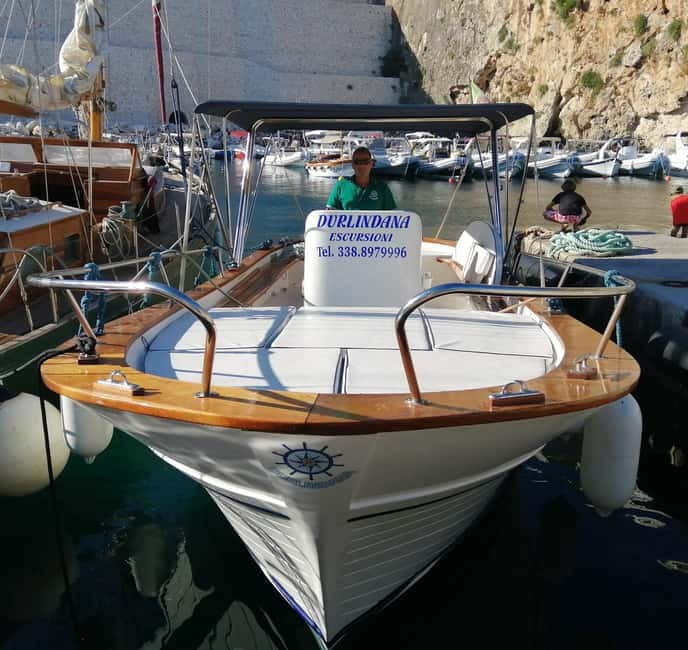
- Multiple famous caves, not just one stop: Palombara, Azzurra, Zinzulusa and Romanelli each bring a different look and story
- Swim windows in real inlets: Porto Miggiano, Romanelli Bay and Santa Cesarea Terme’s sulphurous waters
- Guides who talk and pilot: your skipper isn’t just driving; the route comes with an actual historical and cultural thread
- Aperitivo that feels local: focacce, olives, taralli, friselle, prosecco and wine on a sea-day schedule
- Small group energy: up to 12 people makes it easier to hear explanations and settle in for the ride
Castro’s cave coast: what the 3 hours actually feel like
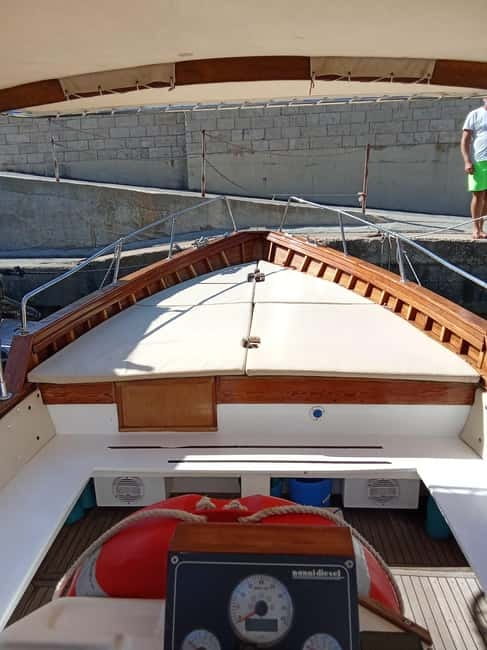
The tour starts and ends at Durlindana Noleggio in Castro. In between, you’re on the water cruising along the Salento shoreline, moving between caves and bays with a relaxed rhythm rather than a rushed checklist. Expect a boat time plus a few “pause and enjoy” moments: watching cliffs from the sea, getting oriented as the guide points things out, and then stepping into the water when the plan hits the right spots.
What I like about this schedule is that it balances three goals without trying to do everything at once: sightlines from the boat, clear water time for swimming, and an aperitivo that doesn’t feel like an afterthought. It also helps that the group is kept small (up to 12), so you’re not swallowed by crowds and noise.
Zinzulusa, Palombara, Azzurra, Romanelli: the cave stories you’ll remember
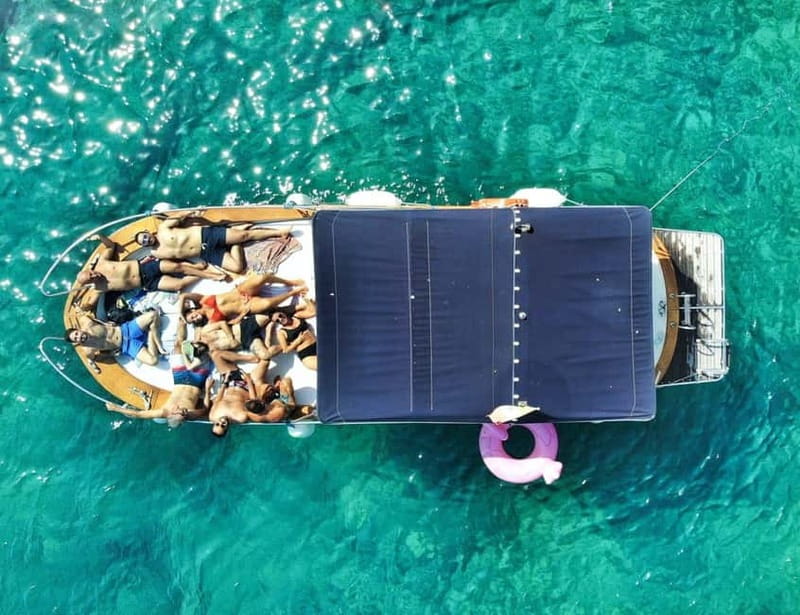
This route gives you the kind of variety that makes cave tourism more than scenery. Each site has a specific nickname or meaning, and the guide uses that to help you understand what you’re seeing.
Palombara Cave: the pigeons and the limestone water
Palombara gets its name from the pigeons said to live there. The cave also ties into the way water flows from the limestone walls—small detail, but it’s the kind of thing you’ll appreciate once you hear it, because you start looking for patterns instead of just shapes.
If you care about how places earn their names, this stop is a good warm-up. It sets the tone: the caves aren’t just pretty. They have character.
Azzurra Cave: light, color, and the “depth effect”
Azzurra takes its name from the color of the water, explained through a simple cause-and-effect story: sun rays penetrate and bounce off the walls below. The tour description notes the walls descend to around 8 meters, which is part of what creates that striking look.
This is the cave where it’s worth paying attention to how the light changes as the boat positions. You might notice the water tone shifting when the sun angle changes, even on a short approach.
Zinzulusa Cave: rags in the local dialect
Zinzulusa comes from Zinzuli, a local dialect term meaning rags. The stalactites can look, from a distance, like cloth pieces hanging to dry. You don’t need to be an expert in formations to enjoy the idea—because the guide gives you a mental image that matches what you’re seeing.
You also get a timeline: the cave was discovered in the late 1700s and has been open since 1953. That context helps this stop feel less like a random photo spot and more like a managed, studied site.
Romanelli Cave: where the Ice Age clues come from
Romanelli is the most “wow” stop if you like archaeology and environmental history. The tour frames it as especially important from a historic and archaeological point of view. Outside the cave, you can see a mixture of stone and soil that’s part of a collapsed vault—and that collapse is key to what happened next.
The preserved remains found there included animals and humans, and the identification included both tropical and arctic animals. That combination supports the idea that this area has been both tropical and arctic in the past, linked to the Ice Age. Even if you’re not a museum person, this is the cave stop that turns the scenery into a story about climate change over time.
Swim stops: when the Adriatic is the main attraction
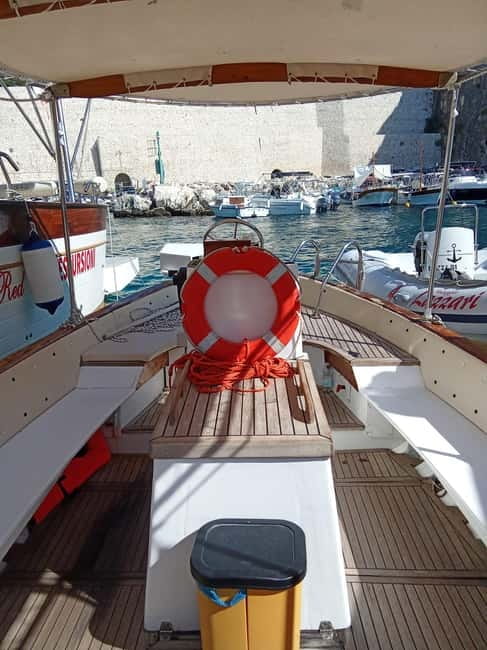
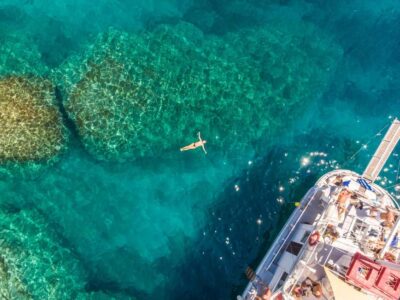
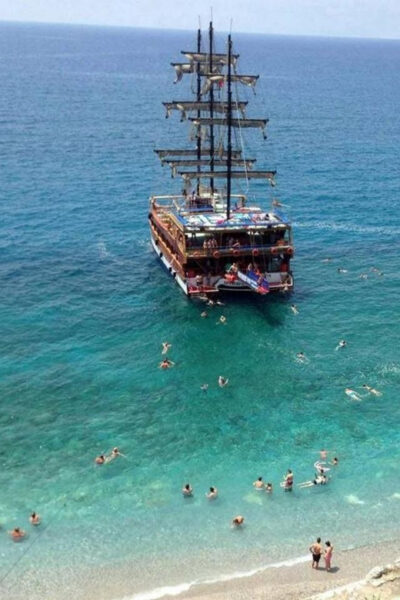
The swimming part is not incidental here. The plan builds in multiple water stops, so the tour works for people who want more than looking.
You’ll stop to swim in:
- Porto Miggiano
- Romanelli Bay
- Santa Cesarea Terme, including sulphurous waters
Because the water and conditions can vary, the tour guidance suggests you be ready for varying water temperatures. That’s practical advice. Even in warm seasons, the sea can feel different once you’re out there and depending on wind.
Also, wear what you can swim in comfortably and bring a towel. If you don’t have one, you’ll feel it during the in-between moments. And if you’re bringing personal items, a waterproof bag is worth the effort; you’ll want your phone, wallet, and any extras protected.
Aperitivo on deck: Salento snacks and a sea-day pace
After your swim break(s), you get aperitivo with typical Salento food and drinks. The included spread is listed clearly: focacce, olives, taralli, friselle, plus prosecco and wine.
What makes this part feel good isn’t only what’s served—it’s the timing. You’re already warmed up by sea air and saltwater, so a simple snack and a glass feel like part of the day’s rhythm rather than a formal meal replacement.
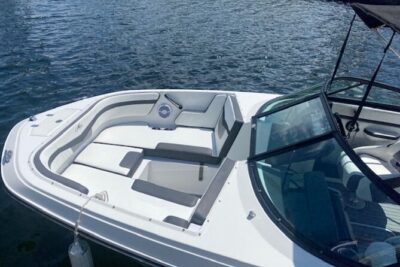
You’ll also appreciate the boat setup. The tour includes place in the shade or comfortable sun loungers, so you can switch between sun and rest as the ride continues. That matters when you’re out for a few hours and want the trip to stay comfortable.
Your skipper and guide: why the group size matters
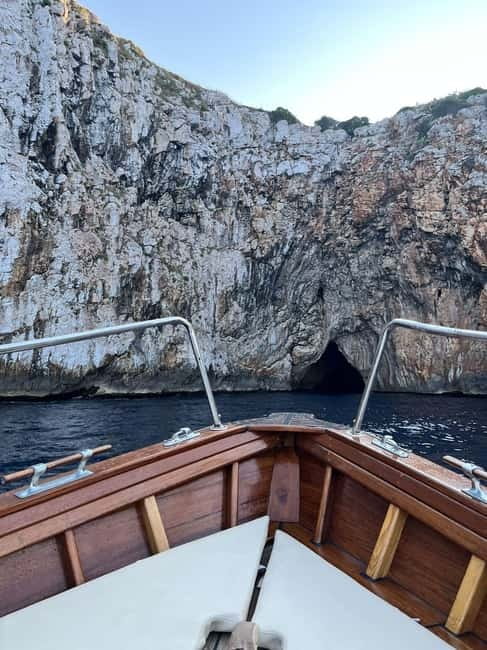
This is a guided coast cruise, with a live guide available in Italian and English, and an audio guide also included in English and Italian. That helps if you want the explanations to match your pace—especially useful when you’re busy looking at the rock faces and you don’t want to miss a detail.
In the experience, the skipper plays a big role. One name that stands out is Simone (also seen as Simeone), mentioned for being friendly and for doing real explaining, even in French for some visitors. That kind of guide presence turns the trip from passive sightseeing into a guided narrative you can follow without straining.
The tour keeps things intimate by limiting the group to up to 12 guests. In practice, that means you’re more likely to hear what’s going on and feel like you’re part of the trip instead of watching it from the back row.
Price and value: what $47 buys you (and what it doesn’t)
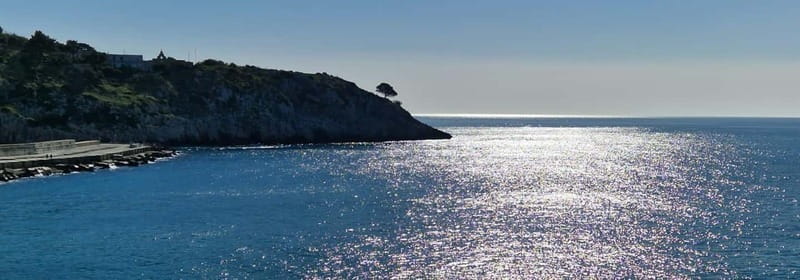
At $47 per person for a 3-hour boat tour, the value comes from bundling four things that are often separate on coastal itineraries:
- a guided route with cave visits
- multiple swimming stops
- an included aperitivo with local snacks and drinks
- a small-group boat experience with shaded and lounge seating
What you should plan for: transportation to the meeting point isn’t included. That’s the main “extra” you might need to handle on your own. If you’re staying near Castro, it may be easy. If not, factor in getting to Durlindana Noleggio so you don’t end up scrambling.
Also note what’s not built into the experience: if you want to walk around a museum-style interior on your own, this is a boat-and-bay plan, not a wandering-on-foot day.
What to pack, and who this tour fits best
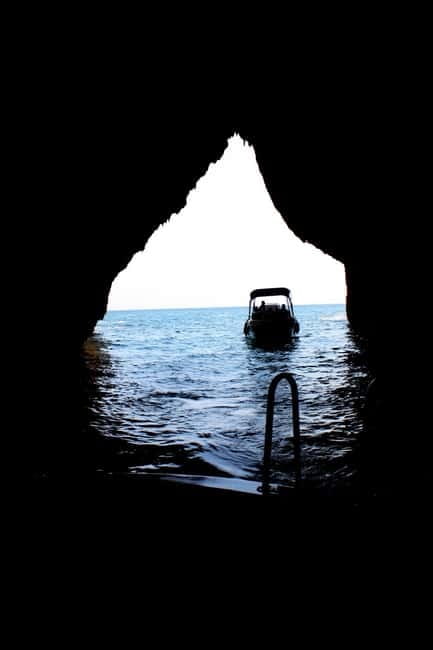
Bring what keeps the day comfortable and safe:
- Hat
- Swimwear
- Towel
- Sunscreen
- Water
- A waterproof bag for personal items
The tour info also suggests snacks—even though the aperitivo includes food, it can be smart to have something extra on hand if you’re hungry later or if you know you snack.
For footwear, the guidance says to wear comfortable shoes for boarding. If you’re tempted to bring boots, note that boots aren’t allowed. That’s a small rule, but it can save you from losing time at check-in.
Know your “no” list before you go. The tour doesn’t allow oversize luggage, baby strollers, bikes, climbing/unsafe behavior, electric wheelchairs, and it also prohibits alcohol and drugs. If you’re traveling with anything bulky, leave it behind.
Who this suits best:
- People who can swim and want swim stops from the boat
- Travelers who enjoy a guided story while looking at the coast
- Anyone who likes a small-group boat ride with food included
Who should skip it:
- People with mobility impairments
- Non-swimmers
- People prone to seasickness
Should you book this caves boat tour with aperitivo?
I think this is a smart booking if you want your Salento day to feel like a real experience, not a checklist. You’ll get coast views from the water, four distinct caves with clear explanations, and time to swim in inlets instead of just standing on a shore. The included aperitivo also nudges it into the “worth it” category because it replaces the hassle of finding food after a swim-heavy morning.
Book it if:
- you’re comfortable on boats and can handle water stops
- you like guided context, not just photos
- you want a straightforward value package for a short 3-hour window
Skip it if:
- seasickness is a serious issue for you
- you don’t swim
- you’re expecting long cave walking or lots of time on land
If you’re a safe swimmer and you want your time in Castro to include both caves and water, this tour is exactly the kind of day that makes the region stick in your memory.
FAQ
How long is the Castro-Malepasso 3H caves boat tour with aperitive?
The experience lasts 3 hours.
Where does the boat tour start and end?
It starts and returns to Durlindana Noleggio in Castro.
Which caves and swimming spots are included?
The tour includes visits to Palombara, Azzurra, Zinzulusa, and Romanelli caves, plus swim stops in Porto Miggiano, Romanelli Bay, and Santa Cesarea Terme.
What’s included in the aperitivo?
The aperitivo includes typical Salento foods such as focacce, olives, taralli, friselle, along with prosecco and wine.
What languages are available for the guide and audio?
You can get a live guide in Italian and English, and an audio guide is included in English and Italian.
What should I bring, and is transportation included?
Bring a hat, swimwear, towel, sunscreen, water, and plan for varying water temperatures. Transportation to the meeting point is not included.