Copenhagen’s canals feel different from a boat. This 3-hour ride is a social, chat-friendly way to see old waterways plus newer harbor areas, with your captain steering the story as much as the boat. I like that you’re out on the water for real views, not stuck behind a crowded landmark photo line, and you also get a stop at places most people skip.
My favorite part is the people part—you’re encouraged to talk with fellow passengers, including solo visitors, and guides do icebreakers that help it feel easy. I also like the way the tour connects what you see—classic canal views, modern waterfronts, and Danish planning—with the human side of the city, from architecture to everyday lifestyle. You may meet guides like Capt. Rasmus and First Mate Elias, or hear stories from hosts such as Tis, Felix, William, or Frederick, depending on your departure.
One possible drawback: you’ll be exposed to the weather. Reviews mention strong wind/rain and also bright sun, and a few people wished for more cover, so dress like you’re going outside for a while, not like you’re in a museum.
In This Review
- Key things you’ll notice
- Meeting Up at Hey Captain on Ofelia Plads
- The Social Boat Tour Flow: From Icebreakers to Real Talk
- Trekroner Island Fortress Stop: Past, Water Views, and Stairs
- Lynetteholmen and Nordhavn: Seeing Copenhagen’s Future Harbor Plan
- Old City Center Canals: Iconic Views Without the Grind
- What You’ll Learn: Architecture, Sustainability, and Danish Life
- Price and Value: Is $99 Worth It for This 3-Hour Cruise?
- Practical Tips for a Comfortable Ride
- Should You Book the Copenhagen Old Canals and Hidden Gems Social Boat Tour?
- FAQ
- How long is the Copenhagen Old Canals and Hidden Gems Social Boat Tour?
- Where do I check in for the tour?
- Is the tour guided in English?
- What areas will we see during the cruise?
- Are drinks included in the price?
- When does the boat tour run?
- Are children allowed?
- Are there restrictions for minors or group types?
- Is it free to cancel?
Key things you’ll notice
- Social introductions on board: You’ll be prompted to meet people fast, which makes the trip feel like a group outing instead of a lecture.
- Trekroner Island fort stop: A brief pause where you can look across the water toward Sweden and mix history with present-day waterfront life.
- Lynetteholmen and Nordhavn from the water: You’ll see how Copenhagen is reshaping its harbor edges for future living.
- Old canals meet modern hotspots: The route can run through North Harbor or South Harbor, then transition toward the older city waterways.
- Drinks are extra: The tour includes the boat and captain, but you’ll want to plan for purchasing drinks if you want beer or other cold options.
Meeting Up at Hey Captain on Ofelia Plads
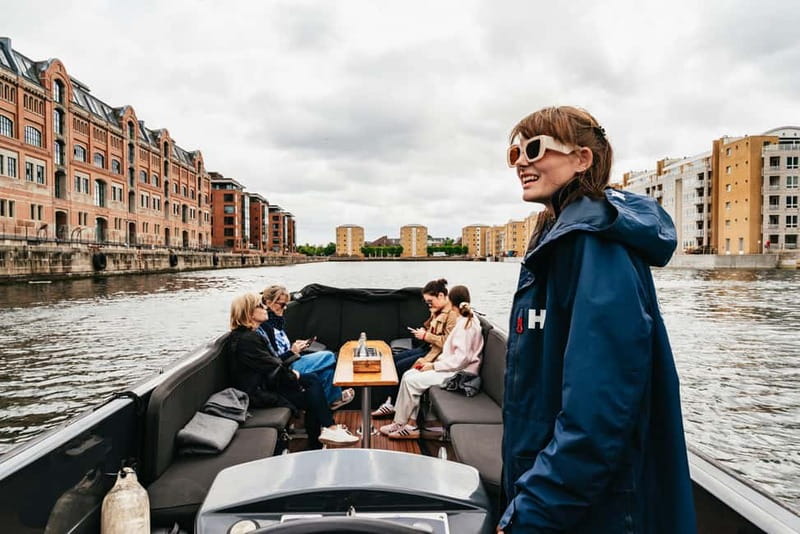
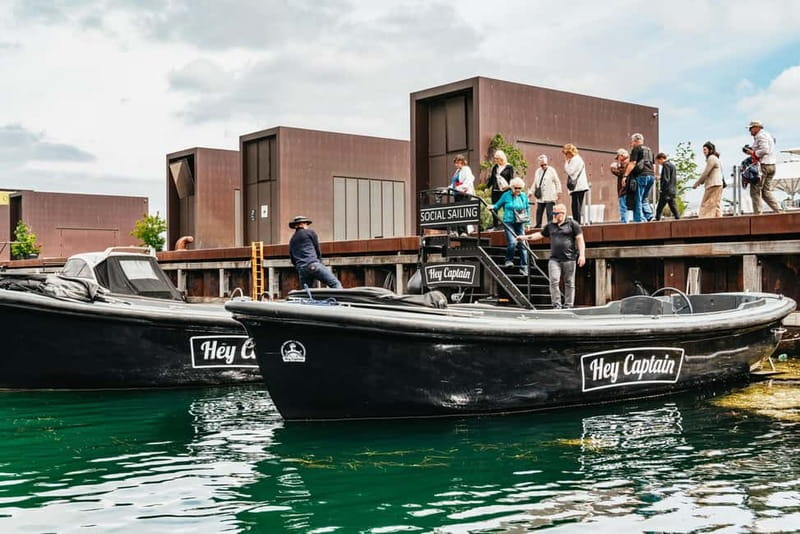
This tour starts in central Copenhagen at Ofelia Plads. You check in at the old black van by the Hey Captain Lounge, and your captain picks you up from the lounge when ready, so it helps to arrive a touch early and stay near the meeting area.
Once you’re with the crew, the focus shifts quickly from logistics to sightseeing. The whole concept works best when you don’t treat the start like a chore. Think of it as the moment you’re handed the day’s “how to see Copenhagen” plan—then you’re off to the water.
You can also read our reviews of more tours and experiences in Copenhagen.

The Social Boat Tour Flow: From Icebreakers to Real Talk
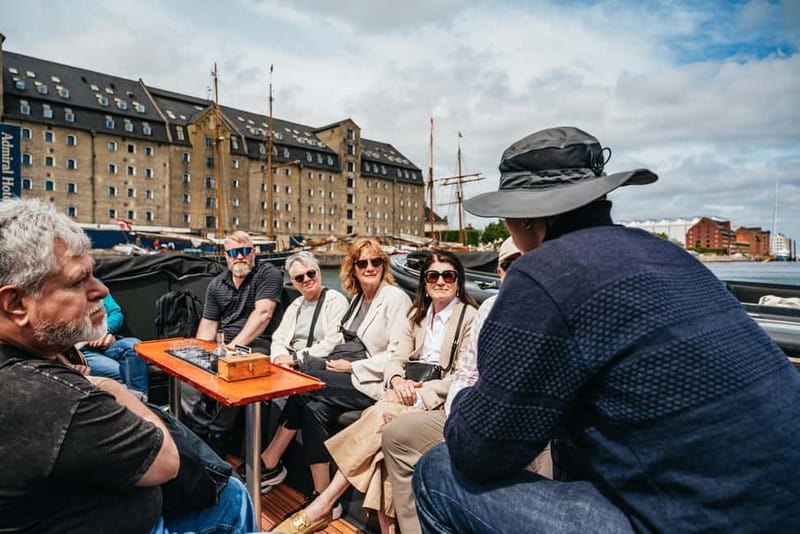
The biggest thing this tour does differently is the rhythm. You’re not just watching; you’re encouraged to chat with your captain and fellow passengers while you cruise. That social format matters because Copenhagen’s waterfront can feel like a lot of moving parts—harbor industry, new housing, bike corridors, canals—and it’s easier to connect the dots when you’re hearing multiple viewpoints in real time.
On board, the vibe often starts with quick introductions, which is exactly the kind of small push that gets conversations going. One reason solo travelers often enjoy this format is that the icebreaker turns the “am I going to talk to anyone?” question into a simple yes.
Guides bring the story down to earth. You’ll hear about Danish architecture, sustainability efforts, and how urbanization is changing the harbor from an industrial working zone into a recreational and everyday space people actually use. The most useful takeaway is not a memorized fact—it’s the pattern of how Copenhagen plans, tests, and builds.
Trekroner Island Fortress Stop: Past, Water Views, and Stairs
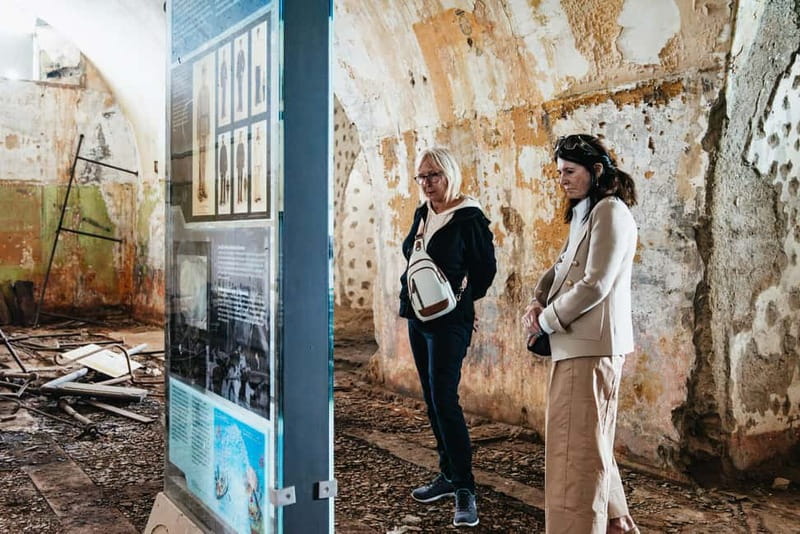
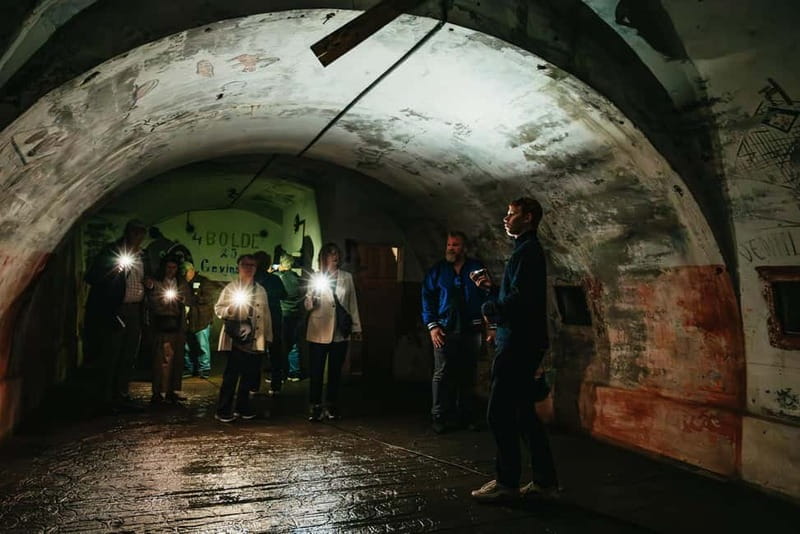
A highlight is the brief stop at the fortress on Trekroner Island. The tour frames it as a place where the past and future collide, and from the water you get a better sense of how defensive structures were placed relative to shipping lanes, coastlines, and open sea.
This is also the part where good shoes help. One review notes the stop involved old stairs, and the crew was kind and helpful with navigation—so if you’ve got even slightly dodgy footing, wear grippy footwear and take your time on the steps.
If conditions are right, this stop adds a dramatic horizon element. Another review mentions being shown views across the water toward Sweden, which turns a short stop into a memorable “oh, that’s really far” moment.
Lynetteholmen and Nordhavn: Seeing Copenhagen’s Future Harbor Plan
After the fort, the tour moves into the “why Copenhagen looks like it does” zone. First up is Lynetteholmen, described here as the first land reclamation connected to the future island of Copenhagen. From the water, it’s easier to grasp what land reclamation means in real scale—less abstract than reading about it later.
Then you’ll reach Nordhavn, where you can admire the modern part of Copenhagen from the water. This matters because Nordhavn is often discussed as a redevelopment success story, but seeing it from the canal/harbor angle helps you understand the design logic—how new neighborhoods meet waterways, how the city uses the harbor as a public space, and how the waterfront becomes part of daily life instead of a barrier.
The tour also explicitly connects industrial harbor change to urbanization. Copenhagen’s transformation isn’t just about buildings; it’s about how people move, live, and gather along water.
Old City Center Canals: Iconic Views Without the Grind
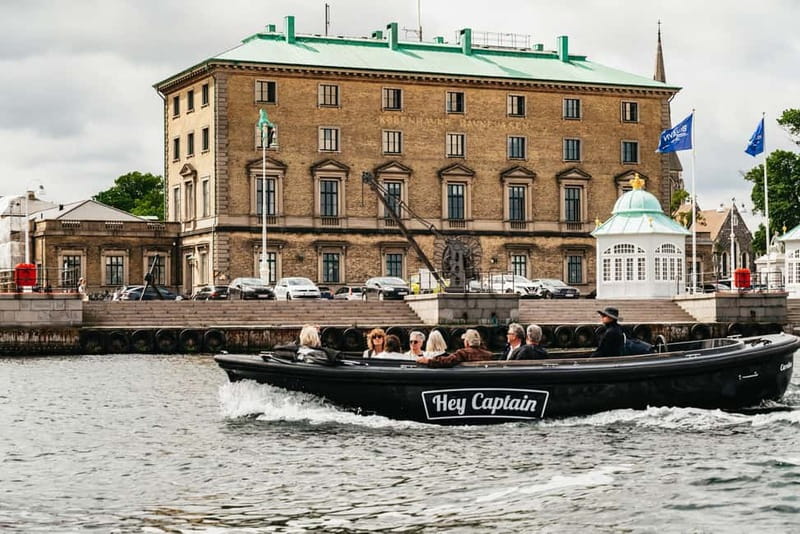
Once you head into the old city center canals, the pace feels more cinematic. You’ll be sailing through Copenhagen’s historic waterways, where the buildings and edges look different from the water than they do from streets or bridges. It’s a smart way to see the iconic parts while still feeling like you’re getting off the usual walking-track path.
This segment also benefits from the social format. Conversations you started earlier often “lock in” when you’re closer to the older canals—people ask questions like how these neighborhoods formed, why canals matter here, and how modern planning fits into the older city fabric.
There’s a practical upside too: you’re covering more ground in a short window. A 3-hour canal experience like this gives you a dense visual sweep—old canals, harbor reconnections, and newer waterfront hotspots—without the fatigue of stitching together multiple routes on foot.
What You’ll Learn: Architecture, Sustainability, and Danish Life
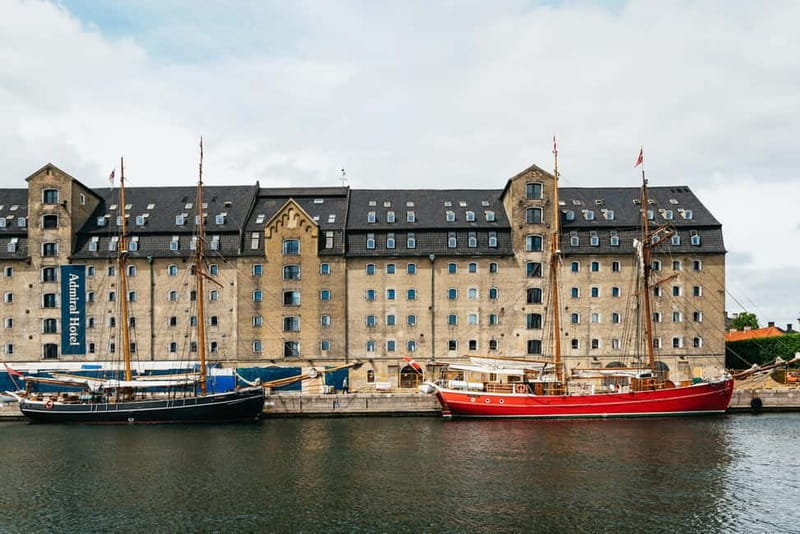
The tour is live-guided in English, and the goal isn’t just narration—it’s meaning. You’ll hear about Danish architecture and the city’s emphasis on sustainability and thoughtful urban development. You’ll also get a plain-language feel for Danish lifestyle, not as a vague cultural pitch, but as something you see in how the city is built and how the waterfront is used.
I like that the tour doesn’t separate the “pretty views” from the “how it works” explanations. That makes the ride more rewarding even if you consider yourself a casual sightseeing person. The captain is also in a position to answer real questions while you move, and the best moments tend to be when the guide ties your question to what’s right outside the boat.
By the end, there’s an open chat style close—an opportunity to keep asking about architecture, sustainability, urban development, and everyday Danish life. If you’ve been talking with your group earlier, it feels natural to carry that into questions instead of standing there politely waiting for the boat to dock.
Price and Value: Is $99 Worth It for This 3-Hour Cruise?
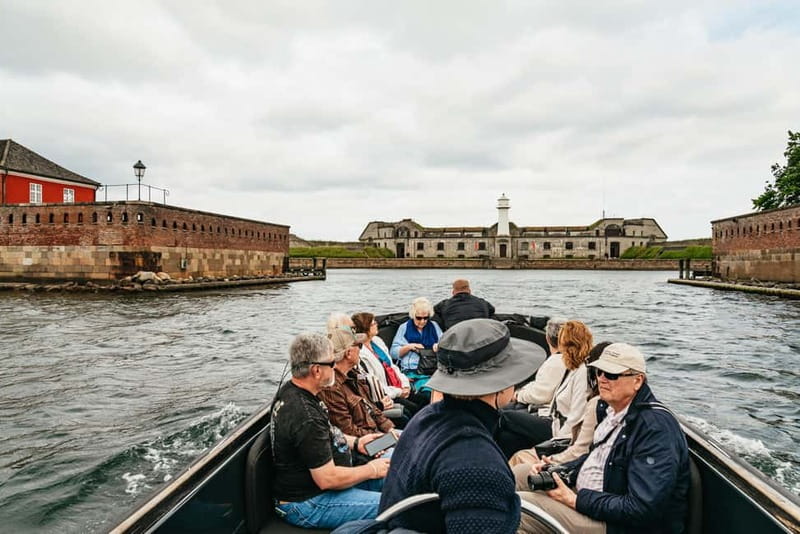
At $99 per person for a 3-hour guided canal experience, the value comes down to what you want from your Copenhagen time. If you’re mainly hunting for views, you might find cheaper ways to be near the water. But this specific combo—boat time, English live guidance, a social format, and a route that mixes old canals with modern harbor areas—often feels like a strong deal.
You’re also not paying extra for the core experience in the ticket price: the boat tour and captain are included. Drinks are not included, but they’re available for purchase on the boat, so you can decide whether you want a beer or just enjoy the scenery.
For me, the real value is the context. A canal view is nice. A canal view paired with stories about Lynetteholmen, Nordhavn, and how Copenhagen reshaped an industrial harbor into public space is a better use of time—especially on a first visit when you’re still building your internal map of the city.
Practical Tips for a Comfortable Ride
Here’s how to set yourself up for a smoother experience:
- Bring layers. Copenhagen weather changes fast, and reviews mention wind and rain.
- Protect from sun. If your departure is bright, you may wish you had more cover, since at least some boats feel open to the sky.
- Wear grippy shoes for the Trekroner Island stop. There can be stairs.
- Plan for drinks being extra. Drinks are available to buy onboard; the tour does not include them.
- If you’re traveling with kids, the tour allows children onboard at the same fee as adults, but unaccompanied minors are not allowed.
- The tour runs mid-March until mid-December, so timing matters if you’re visiting outside that window.
This also helps you get the most out of the social part. When you’re comfortable, you’ll talk more, ask better questions, and enjoy the ride more than you would if you were stuck trying to stay warm or dry.
Should You Book the Copenhagen Old Canals and Hidden Gems Social Boat Tour?
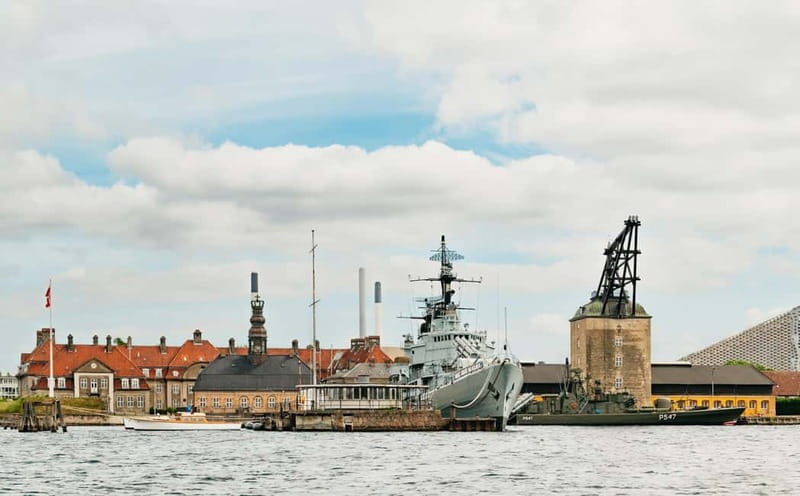
I’d book this if you want Copenhagen in a way that’s both scenic and social. The tour works well for first-timers because it connects old canals, modern redevelopment, and Danish planning in one flowing route. It’s also a good option if you enjoy meeting people—introductions on board and the open-chat ending make it easier to turn the day into more than just sightseeing.
I’d think twice if weather exposure would ruin your comfort. This is time outside on the water, and conditions like wind, rain, or strong sun have clearly affected how comfortable some people felt. Also, if you’re set on a quiet, strictly passive experience, the conversation-driven format may feel like more interaction than you want.
If you’re flexible, I think this is a smart way to spend a chunk of an afternoon in Copenhagen—especially if you like your tours with stories, not just stops.
FAQ
How long is the Copenhagen Old Canals and Hidden Gems Social Boat Tour?
The tour lasts about 3 hours.
Where do I check in for the tour?
Check in at the old black van by the Hey Captain Lounge on Ofelia Plads. Your captain picks you up from the lounge when ready.
Is the tour guided in English?
Yes. There is a live tour guide in English.
What areas will we see during the cruise?
The route can cover either the North Harbor or the South Harbor. You’ll also see highlights like the Trekroner Island fortress stop, Lynetteholmen, Nordhavn, and the old city center canals.
Are drinks included in the price?
No. Drinks are not included, but you can purchase drinks on the boat.
When does the boat tour run?
The boat tours run from mid-March until mid-December.
Are children allowed?
Children are welcome onboard and pay the same fee as adults. Babies under 12 months are free.
Are there restrictions for minors or group types?
Unaccompanied minors are not allowed, and party groups are not allowed.
Is it free to cancel?
You can cancel up to 24 hours in advance for a full refund. You can also reserve now and pay later.