REVIEW · SALVATERRA DE MAGOS
Escaroupim: 1 hour boat trip, guided tour
Book on GetYourGuide →Operated by Promartur - Cruzeiros no Tejo · Bookable on GetYourGuide
The Tagus in one hour is plenty. This Escaroupim boat trip mixes comfy cruising, up-close wildlife, and clear storytelling about the Avieiros who made the Tagus their livelihood.
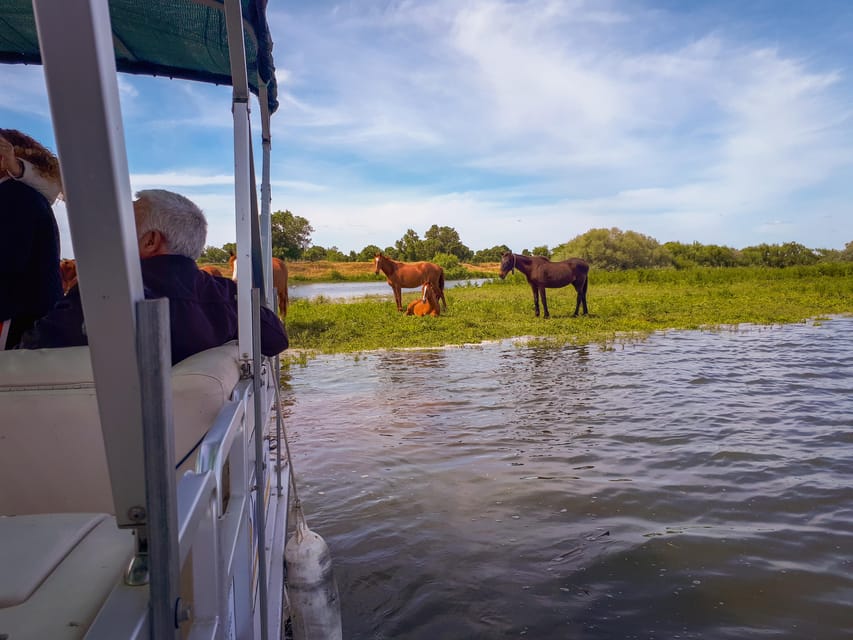
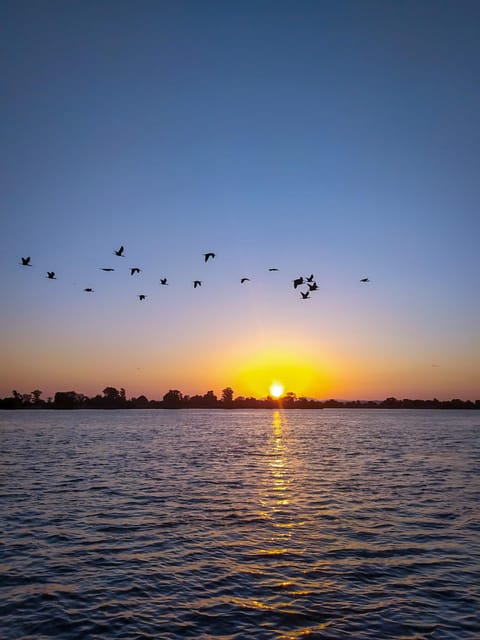
I especially like the wildlife watching. You can spot free horses close to the water and see seasonal birds like herons, ibises, kites, ospreys, and bee-eaters (depending on time of year). The guide adds a lot here too, with real energy and crisp answers—often highlighted by guides like Pedro and Diogo.
One thing to plan around: timing and conditions matter. If you’re visiting with reduced mobility, the team checks tide times for the easiest boat access, and bird activity can vary with the season.
In This Review
- Key things to know before you go
- Tagus River Touring Without the Long Day
- Where You Meet in Escaroupim (and How Check-In Works)
- A Comfortable 1-Hour Boat Ride With Live Explanations
- Wildlife Highlights: Horses, Herons, Ibises, and Osprey Season
- How to maximize bird-spotting in one hour
- The Avieiros Story: Fishing Life, Stilt Houses, and Migration Currents
- Passing Palhota: Alves Redol and dos Avieiros (1942)
- Mouchões, Islets, and the Moment Fish Jump
- Optional Museum Visits: Rio Museum and Casa Típica Avieira
- Royal Falconry of Salvaterra de Magos: Another Layer of Local Tradition
- Price and Value: Why $15 for an Hour Can Make Sense
- Who Should Book This Tour (and Who Might Skip)
- Accessibility and Tide Notes: Plan for Smooth Boarding
- My Bottom Line: Should You Book Escaroupim?
- FAQ
- How long is the Escaroupim boat trip?
- Where do I meet for the tour in Escaroupim?
- What does the price include?
- Are food and drinks included?
- Does the guide speak English?
- Is the boat trip wheelchair accessible?
- What wildlife might I see?
- Are transfers or land transport included?
- Is there free cancellation?
- Can I reserve without paying right away?
Key things to know before you go
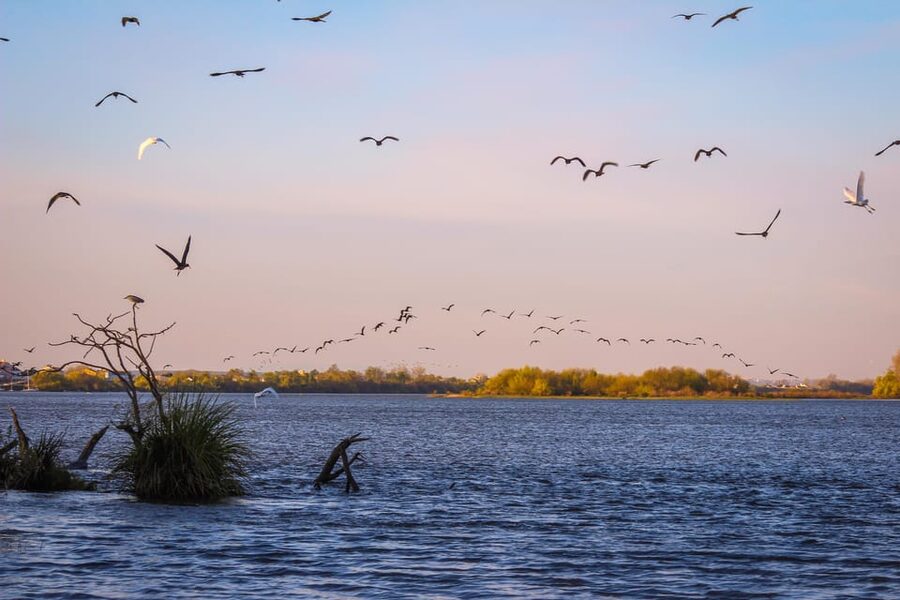
- Close-up birds and horses along the Tagus estuary, with species changing by season
- One hour on the water with a live guide and explanations throughout
- Avieiro culture route: stilt houses, fishing life, and migration patterns along the Tagus
- Palhota village pass-by tied to the writer Alves Redol and his 1942 book dos Avieiros
- Mouchões and fish jumping mid-river for a memorable nature moment
- Optional museum visits nearby (subject to museum availability), plus a falconry stop in Salvaterra de Magos
Tagus River Touring Without the Long Day
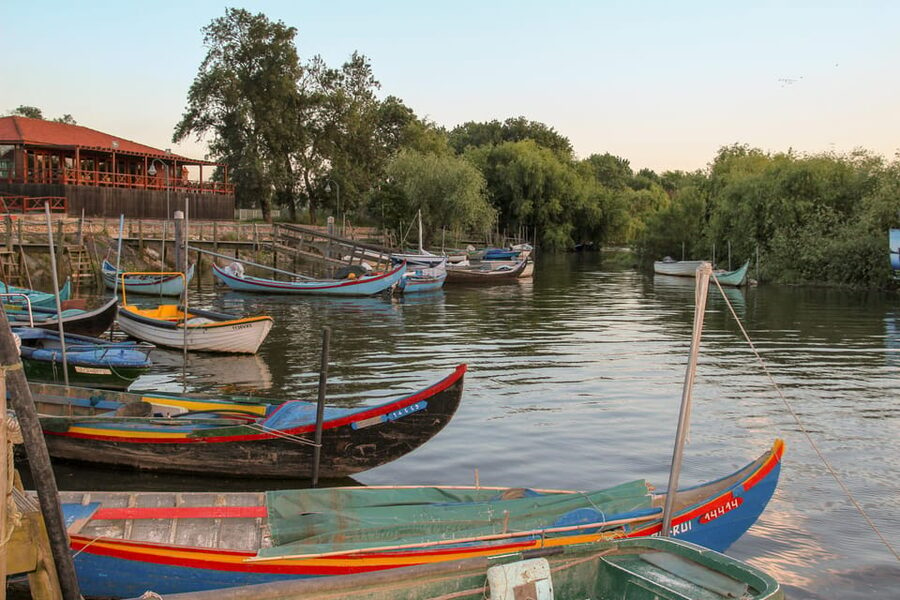
This is the kind of outing that respects your time. At 1 hour, you get enough water time to feel the river rhythm, without turning your day into a logistics puzzle. And because it’s guided, you’re not just staring at scenery—you’re learning what you’re seeing as you move through the estuary.
I also like how the experience balances nature and people. You’ll hear about birds and habitats while the story shifts to the Avieiros, the historical river families tied to fishing on the Tagus. It gives the trip context, so the river stops feeling random and starts feeling intentional.
The final value point: this operator leans into comfort and safety, and they’ve been recognized for tourist entertainment and accessibility efforts in the region. Even if you don’t care about awards, it usually translates into smoother organization and better on-board care.
Where You Meet in Escaroupim (and How Check-In Works)
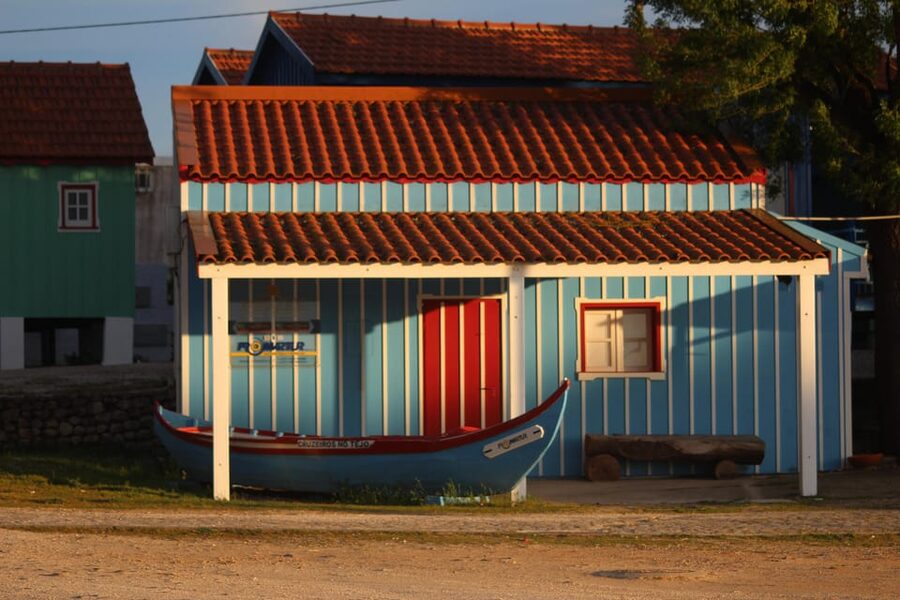
Meeting is at Largo dos Avieiros. Look for a blue house with white stripes and a bateira boat out front—that’s where you check in.
You should arrive a little early, not because the staff needs it, but because you’ll want a minute to get oriented. This is especially helpful if you’re traveling with kids, want to take a first look at the river surroundings, or need extra time for boarding.
No transfers are included, so you’ll want to plan your own way to the meeting point. Land transport isn’t part of this tour, which is normal for short river experiences. If you’re staying in Santarém District, it’s still usually manageable as an outing, but you’ll want to map the route ahead of time.
A Comfortable 1-Hour Boat Ride With Live Explanations
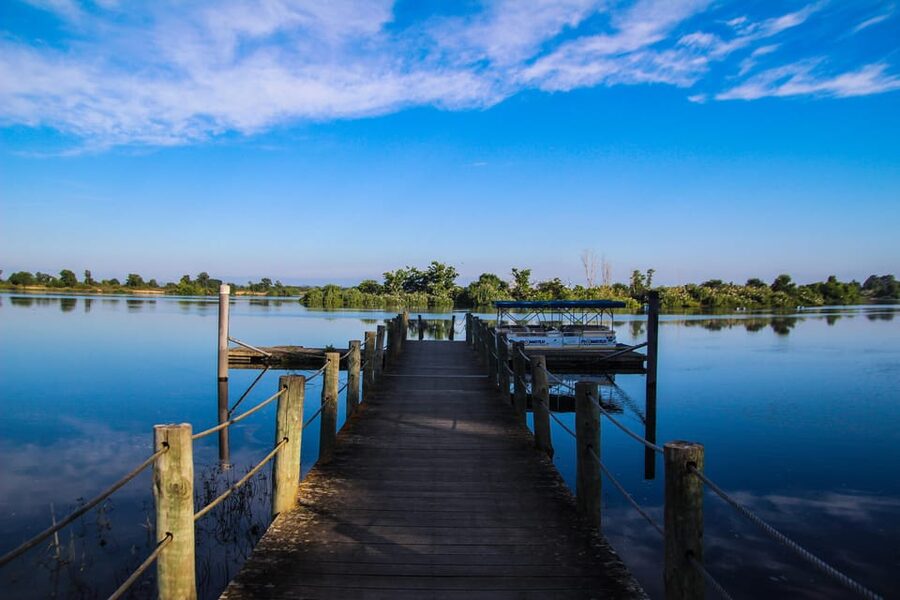
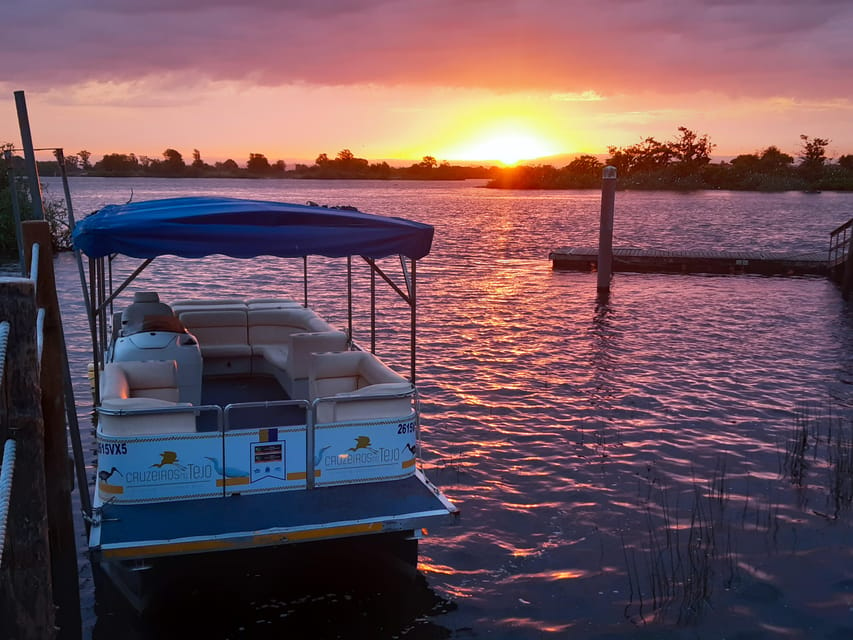
The core experience is a guided boat passage on the Tagus River. Expect a calm pace and a guide who explains what you’re seeing as you go. The trip is listed as being sailed in comfort, which matters more than people think—when you’re on a short outing, you want the time to feel easy.
The guide provides Portuguese and English narration. If you’re one of those travelers who loves asking questions, this format works well, because you’re not left trying to guess what’s happening outside your window.
This is also where the company’s style shows. The trip is built around clear guidance. You’ll get instructions carefully, and the timing is handled so you’re not waiting around once you’re at the dock. In practice, that keeps your attention on the river and the story, not on the schedule.
Wildlife Highlights: Horses, Herons, Ibises, and Osprey Season
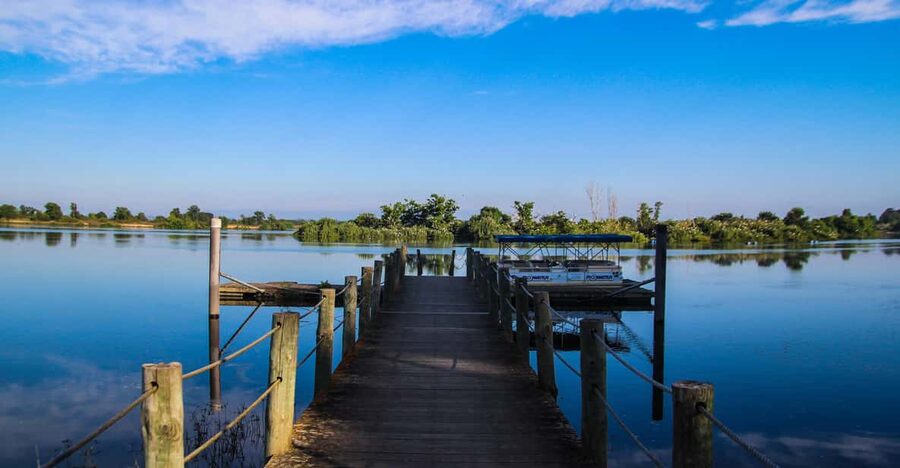
This is one of the biggest reasons people book. The Tagus estuary is a working ecosystem, and on this route you may see free horses up close, plus multiple bird species depending on the season.
Here’s what you might look for:
- Herons and ibises, often seen in wetlands and shallow water areas
- Kites and ospreys, which can show up as the boat scans across open water
- Bee-eaters, when conditions and timing line up
- Other species depending on the season
And yes, you’re not just hearing bird names—you’re hearing why those birds fit this place. The guide ties the sightings to the estuary’s behavior and the seasonal shifts in movement.
How to maximize bird-spotting in one hour
You won’t have hours to chase the perfect sighting, so your best move is to stay alert and flexible. Don’t fixate on one “must-see” bird. If you catch a good moment—say, a heron feeding—enjoy it fully, then let the guide steer you toward what’s next. That approach usually leads to better results than rigid expectations.
The Avieiros Story: Fishing Life, Stilt Houses, and Migration Currents
Half the value here is cultural context. The route takes you “to the past” with a cultural explanation centered on Avieiros—river people connected to the Tagus and to fishing as their main livelihood.
As you cruise, the guide explains how the Avieiros lived, including:
- Stilt houses and river-based living
- Their work tied to fishing and seasonal rhythms
- How they moved with migratory currents and the shifting availability of fish
This matters because it turns the river into a living map. When you understand that the Tagus wasn’t just scenery but a food system, the boat ride feels more meaningful. You’re not only passing through water—you’re tracing a route that shaped local communities for generations.
If you’re the kind of traveler who likes local history but hates heavy lectures, this hits a sweet spot. It’s storytelling grounded in what you can actually see from the boat.
Passing Palhota: Alves Redol and dos Avieiros (1942)
One of the most specific and interesting moments is the boat passage through the village of Palhota. This is where the writer Alves Redol wrote dos Avieiros, published in 1942.
Why I think this is worth including: it connects the culture story to a real place tied to writing. It’s not just “people lived here.” It’s “someone documented this way of life,” and the route acknowledges that link as you pass by.
From your seat on the boat, it’s a nice break from pure wildlife watching. You get a sense that the Tagus has been observed and recorded—by communities and by writers—long before tourism existed.
Mouchões, Islets, and the Moment Fish Jump
About mid-route, you may see islets and mouchões—natural features that help create a memorable, active river moment. This is where the tour can turn extra exciting: the fish jumping.
Even if you don’t see spectacular jumping every time (nature doesn’t follow schedules), the guide will point out what you’re looking at and why it matters. These features help shape feeding zones and movement in the water, which then affects both fish activity and the birds that hunt them.
This is the kind of moment that’s hard to “fake” with photos. On the water, it looks different—more kinetic, more alive.
Optional Museum Visits: Rio Museum and Casa Típica Avieira
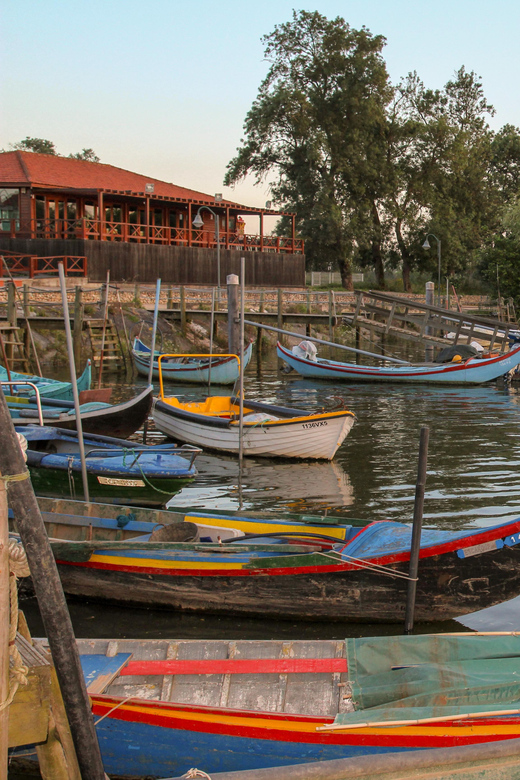
Your ticket includes access to museum visits in Escaroupim: the Rio Museum and Casa Típica Avieira. Availability depends on whether the museums are open, so treat this as a useful bonus rather than a guaranteed second act.
Why this can be a good add-on: a short boat trip gives you visuals and a story. The museums give you the objects and details that make those visuals stick in your head. If you’re traveling with kids, museums also turn the learning dial from “spotting” to “understanding.”
If the museums are closed, the boat ride still holds up, because the guide is already telling you the key Avieiros story on the water. But if they are open, it’s an efficient way to extend the day in the same area.
Royal Falconry of Salvaterra de Magos: Another Layer of Local Tradition
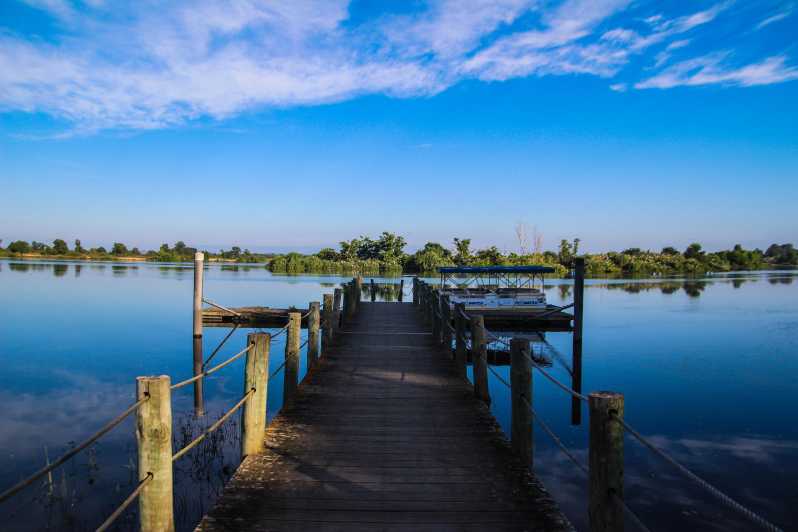
The included access also covers the Royal Falconry of Salvaterra de Magos, in the village of Salvaterra de Magos—again subject to museum availability.
This is a smart pairing with the boat ride for two reasons. First, it keeps you in the realm of birds, which you’ve likely just been spotting on the Tagus. Second, falconry is part of how people historically worked with and understood bird behavior, so it complements the wildlife portion without repeating the same facts.
If you’re the type who enjoys seeing tradition practiced rather than only reading about it, this added stop can make the whole experience feel more complete.
Price and Value: Why $15 for an Hour Can Make Sense
At about $15 per person, this tour sits in the “small price, high payoff” category—especially if you care about wildlife and local culture. One hour on the Tagus is short, but it’s not empty time. You get:
- Guided wildlife explanation during the ride
- Avieiros cultural storytelling tied to what you see
- Access to additional sites (museums and falconry), when available
That’s the value equation. You’re paying for expertise, time on the water, and included activities that can extend your learning without extra ticket-buying.
Where the price may feel less “worth it” is if you only want pure nature and you’re visiting in a season when bird action is limited. In that case, the narration and culture content still matter, but your birdwatching payoff might be smaller.
Who Should Book This Tour (and Who Might Skip)
I’d book this if you want a simple plan that combines nature and human history on the Tagus without a whole-day commitment. It’s also great if you like guided explanations, because the boat ride is designed to teach while you look.
It’s especially suitable for:
- Families who want an easy outing
- Bird lovers who understand one hour is still a valid window
- Travelers interested in Avieiros culture and Tagus fishing history
- People who’d rather listen to a guide than wander without context
You might choose something else if you’re only chasing maximum wildlife sightings and you’re visiting during a quieter bird season. Nature changes, and in a one-hour window, timing matters.
Accessibility and Tide Notes: Plan for Smooth Boarding
Wheelchair access is mentioned, but there’s a key practical detail: the team has to check tide times for easy access to the boat. If tide conditions make boarding harder, they ask you to provide information so they can prepare.
So if accessibility matters for your group, don’t wait until the last minute to confirm how the tides will affect your pickup experience at the dock. The good news is the tour is set up to consider this, not ignore it.
My Bottom Line: Should You Book Escaroupim?
If you want a focused, guided Tagus outing that teaches you while you’re on the water, I’d say yes. The mix of wildlife, the Avieiros cultural story, and the added museum/falconry options (when open) make the $15 price feel fair. You’re not paying for a vague “cruise.” You’re paying for an hour that explains what the river is doing and why people depended on it.
Choose it if one hour outdoors, clear guiding in Portuguese or English, and a respectful pace is your kind of travel.
FAQ
How long is the Escaroupim boat trip?
The boat trip lasts 1 hour.
Where do I meet for the tour in Escaroupim?
You meet at Largo dos Avieiros, at a blue house with white stripes with a bateira boat. That’s where you check in.
What does the price include?
It includes the 1-hour guided boat trip, plus access to the Rio Museum and Casa Típica Avieira (subject to museum availability), and access to the Royal Falconry of Salvaterra de Magos (also subject to availability).
Are food and drinks included?
No. Food and drink are not included.
Does the guide speak English?
Yes. The live tour guide provides Portuguese and English.
Is the boat trip wheelchair accessible?
Wheelchair accessibility is available, but access to the boat depends on tide times, so the team needs information in advance.
What wildlife might I see?
Depending on the season, you may see free horses up close and birds such as herons, ibises, kites, ospreys, and bee-eaters.
Are transfers or land transport included?
No. Transfers and land transport are not included.
Is there free cancellation?
Yes. You can cancel up to 24 hours in advance for a full refund.
Can I reserve without paying right away?
Yes. There’s an option to reserve now and pay later.