REVIEW · AZORES
Faial Island: Unique boat tour to the Capelinhos volcano
Book on GetYourGuide →Operated by Capelinhos Ocean Tours · Bookable on GetYourGuide
Volcanic scenery hits different from the water. This Faial Island boat tour takes you beyond the shore to the Capelinhos volcano—plus grottoes, cliffs, and key rock formations you simply can’t see the same way from land.
I especially like the pre-boarding briefing: you get grounded in what you’re looking at before the boat moves. I also love the close-up coastal stops built around real geology and real coastlines—Elephant Rock, sea caves, and bays that feel like you’re right in the action.
The main drawback to plan for is simple: the Azores sea is never totally calm, so this trip isn’t a great fit for very young kids or pregnant women, and you should dress for wind and spray.
In This Review
- Why This Capelinhos Boat Trip Feels Different Than a Typical Tour
- Capelinhos Volcano: What You Actually Get to See from the Sea
- Getting to the Right Spot in Horta Marina (and Knowing What Time Feels Like)
- Safety Briefing First: Why the Time Before Departure Matters
- The Route: Seven Coastal Attractions and What Each One Means
- 1) Historical Marina Horta
- 2) Porto Pim Bay: The Whale-Hunter Story
- 3) Ponta Furada Caves
- 4) Morro de Castelo Branco: Trachyte Rock Formations
- 5) Varadouro Bay: Cliffside Nesting Grounds
- 6) The Capelinhos Volcano Lighthouse Museum
- 7) Panoramic Views of Faial from the Water
- Elephant Rock and Grottoes: The “Up Close” Part You Came For
- Wildlife Chances: What You Should Expect (and What You Should Not)
- Azores Weather and Sea Conditions: How to Prepare So You Enjoy It
- What the Guides Do Well: Knowledge, Tone, and Real Care
- Price and Value: Is $88 Worth It?
- Logistics You Should Know Up Front (Without Making It Complicated)
- Who Should Book This Cruise, and Who Should Skip It
- Should You Book Capelinhos Ocean Tours?
- FAQ
- How long is the Capelinhos volcano boat tour from Faial?
- Where do I meet the tour on Faial?
- Is there a toilet on the boat?
- What should I bring with me?
- Is this tour suitable for pregnant women or young children?
- What languages are the guide and tour offered in?
Why This Capelinhos Boat Trip Feels Different Than a Typical Tour
Here are the parts that make this experience stand out when you’re choosing a Faial activity:
- Only tour of its kind on Faial focused on Capelinhos from the sea
- A structured sea-coast route with seven specific coastal highlights
- Live guide in English and Polish, with a real focus on volcano and coastal features
- Life jackets mandatory and protective gear provided when weather turns
- Marine wildlife sightings are possible (dolphins, whales, turtles)
- No toilet on board, so plan to use public restrooms beforehand
Capelinhos Volcano: What You Actually Get to See from the Sea
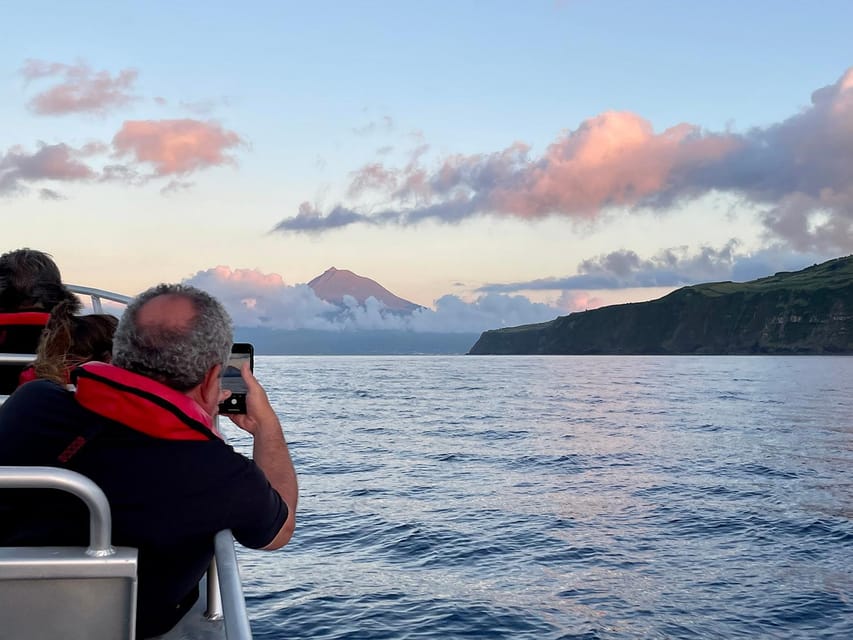
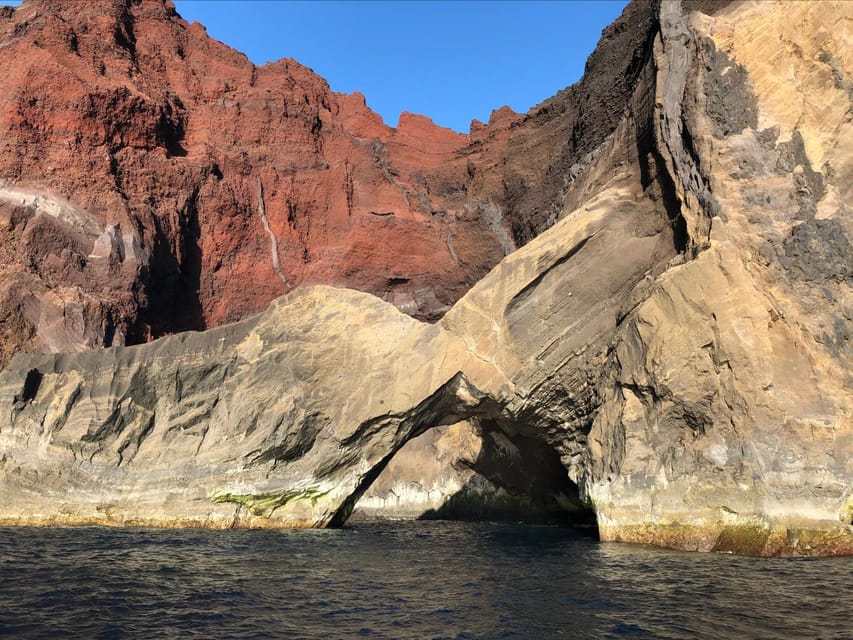
Capelinhos is the kind of place where the story matters as much as the view. From the boat, you get a perspective that turns the coastline into a living diagram: rock texture, cliff shape, and the way coastal water cuts into volcanic formations become obvious in a way photos from land never fully capture.
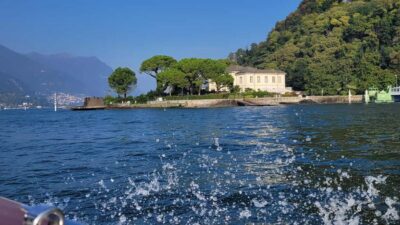
This is a boat-first experience. The aim is to take you close enough to feel the scale of the cliffs and the drama of the volcanic coast. You’ll pass and look at multiple features that define Faial’s coastal identity, including sea caves and major rock formations linked to the island’s volcanic history.
And yes, the lighthouse portion is a memorable twist: the Capelinhos volcano lighthouse is now a museum, so you’re not only watching nature—you’re also getting the context that makes it meaningful.
You can also read our reviews of more tours and experiences in Azores.
Getting to the Right Spot in Horta Marina (and Knowing What Time Feels Like)
Your meeting point is straightforward, but it helps to know what you’re walking into. Meet at the Capelinhos Ocean Tours office in the Horta marina, in the new building in the Maritimo-Turistica area, downstairs near pontoon F.
There’s no need to arrive early. After you check in, the team handles the ticketing process and gets you into the short briefing and safety talk before the cruise starts.
Plan for a total block of time around 3 hours of cruising plus extra briefing, which usually brings the overall experience to about 3 to 4 hours. The boat cruise itself is listed as 3 hours, with safety briefing time and extra time before departure.
Safety Briefing First: Why the Time Before Departure Matters
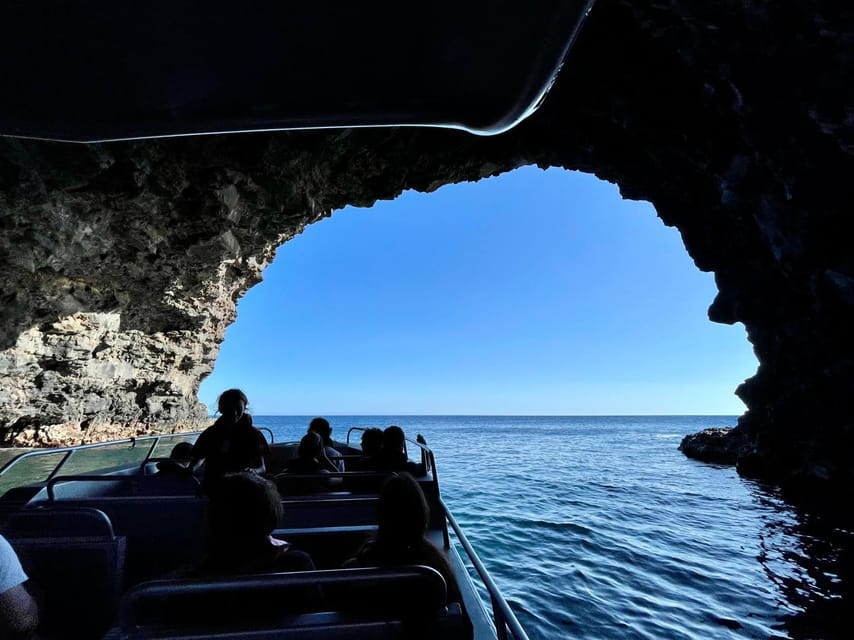
The tour starts with a safety briefing (45 minutes). That might sound like extra waiting, but it actually pays off. The sea can move, and Azores weather can shift quickly, so having clear rules and expectations before you go out makes the whole trip smoother.
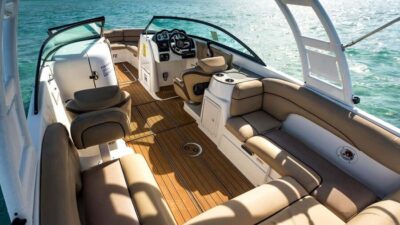
Life jackets are mandatory, and you’re given protective clothing if conditions are rough. You’re also reminded what’s allowed and what isn’t—no smoking, no vaping, and no alcohol or drugs. The idea is to keep everyone comfortable and safe while you’re in wind, spray, and open water.
There’s also no toilet on the boat. So before you meet, make a quick restroom stop at public facilities near where you’re checking in. This is one of those practical details that prevents small discomfort from turning into a big annoyance.
The Route: Seven Coastal Attractions and What Each One Means
This cruise is built like a guided route along Faial’s coast, designed to show you the same place from a viewpoint land can’t provide. You’ll hit a set of seven highlights, with enough time at each area to actually look—then move on to the next.
1) Historical Marina Horta
You begin your visual orientation with Marina Horta. Even if you know the harbor from walking, the boat gives you a different sense of scale—where the town ends and the open ocean takes over.
It’s a good starting point because it frames how Faial’s people have long been connected to sea routes, not just inland roads.
2) Porto Pim Bay: The Whale-Hunter Story
Next comes Porto Pim Bay. The key detail here is historical: this is described as the whale-hunter’s bay. Seeing it from the water helps you understand why places like this mattered—open ocean access, shelter, and the coastline’s shape all play a role in how people moved and hunted in past centuries.
3) Ponta Furada Caves
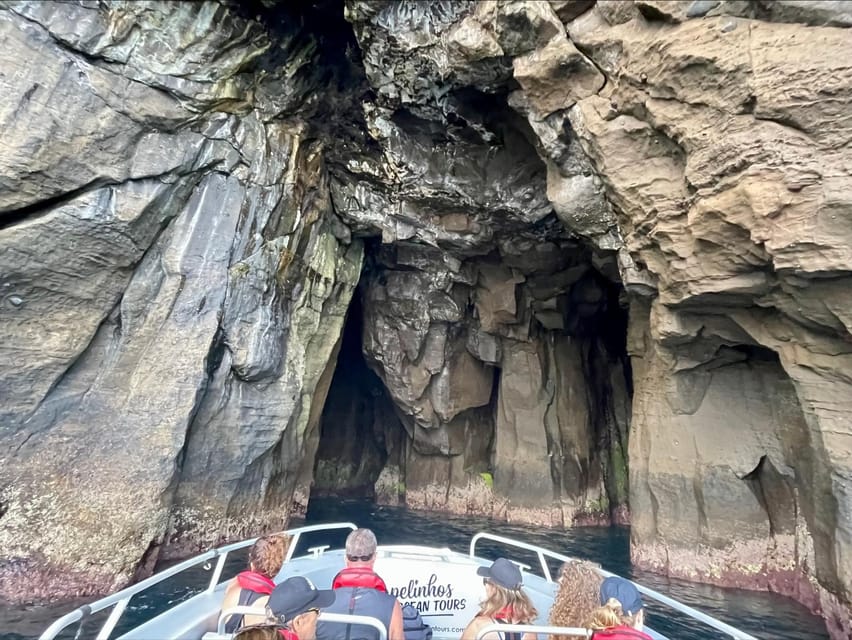
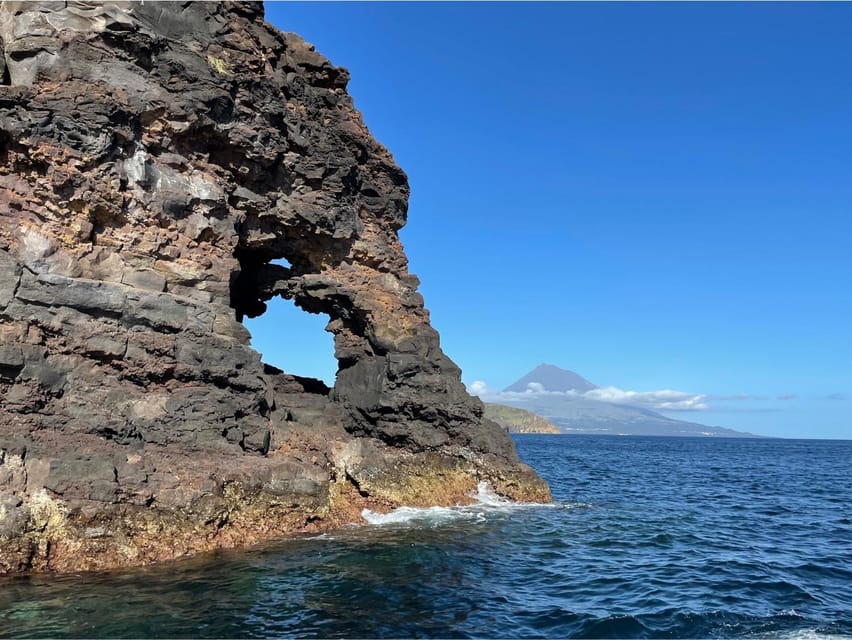
Ponta Furada is where the coast turns hands-on. The caves here are a major part of the “up close only with us” feel, because you’re looking at coastal geology from water-level angles rather than from a distance.
If you like visual clues—how water shapes rock openings, how cliffs break down—you’ll find these stops especially satisfying.
4) Morro de Castelo Branco: Trachyte Rock Formations
One of the most interesting stops is Morro de Castelo Branco, known for trachyte rock formations. This is the moment where the tour’s educational angle becomes real. The guide’s explanation helps you notice patterns in the rock that you’d otherwise miss.
Even if you’re not a geology person, it’s still worth it. The difference between looking at rock and understanding rock is like switching from staring at a mural to reading the labels beside it.
5) Varadouro Bay: Cliffside Nesting Grounds
Varadouro Bay adds a wildlife angle tied to nesting. You’re not guaranteed to see animals, but you’re in the right place to appreciate how cliffs function as habitat.
This is a good reminder that Faial’s coast isn’t just scenery; it’s a working ecosystem. If you’re lucky, the guide points out signs and behaviors you might otherwise overlook.
6) The Capelinhos Volcano Lighthouse Museum
The Capelinhos lighthouse museum is a powerful stop because it connects natural forces to human memory. You’ll see the rebuilt or reborn lighthouse as part of the volcano’s ongoing story, and that museum context gives the whole trip more meaning than a standard sighting tour.
It’s one of those moments where you can look at a harsh-looking coastline and still understand what it means.
7) Panoramic Views of Faial from the Water
The cruise ends with a panoramic view of Faial Island’s entirety. This is great for making sense of the geography you’ve been seeing in pieces all along.
From the sea, the island’s scale becomes obvious—how bays line up, where cliffs rise, and how the coastline changes character over short distances.
Elephant Rock and Grottoes: The “Up Close” Part You Came For
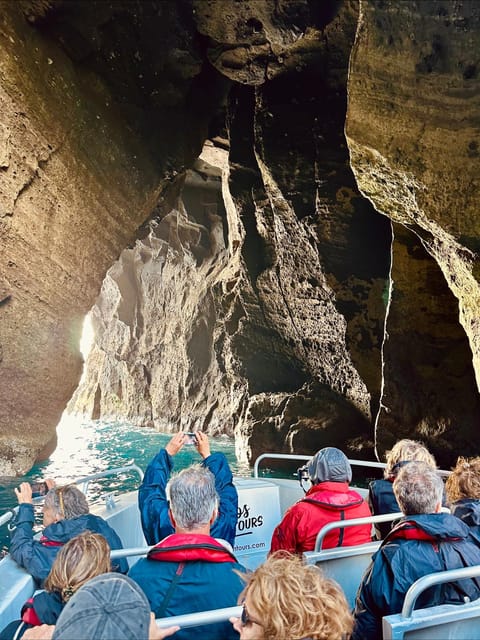
The tour highlights natural features that people often miss when they stick to land viewpoints: grottoes, towering cliffs, and signature formations like Elephant Rock.
This is also where the boat perspective earns its keep. At sea level, you can judge depth and shape—how far the rock projects, how water moves around openings, and how the coastline frames the views.
If you’re the type who loves photos, you’ll still get them, but the real win is visual understanding. It’s easier to remember what you saw when you can connect the guide’s explanations to the exact spot in front of you.
Wildlife Chances: What You Should Expect (and What You Should Not)
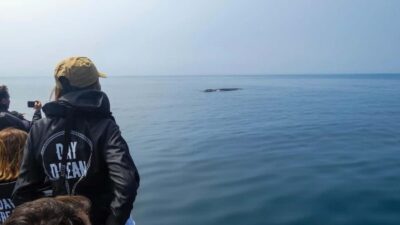
You might spot marine wildlife such as dolphins, whales, and turtles. That’s exciting, and when it happens it makes the cruise feel extra special.
But keep your expectations flexible. This is a nature-and-weather experience, so sightings depend on conditions and animal movement patterns. The best approach is to treat wildlife as a bonus, not a promise.
Azores Weather and Sea Conditions: How to Prepare So You Enjoy It
The Azores are famous for changing conditions, and this tour is clearly built around that reality. Weather can shift, and when conditions make safe operation impossible, the boat tour won’t take place. In that case, the operator informs you and may try to postpone to the nearest possible date.
The bigger practical point: don’t treat this as a last-day gamble. It’s always smart to give yourself a couple of spare days in the Faial area so you can reschedule if the sea decides to be moody.
Also, because the sea is never totally calm, the tour isn’t suitable for very young children, and it’s not recommended for pregnant women. If you’re sensitive to motion, dress in layers and keep your windbreaker handy.
What the Guides Do Well: Knowledge, Tone, and Real Care
The experience is led by a live guide (English, Polish). The skipper and guide approach is a big reason people rate this tour so high.
A consistent theme is passion with practical pacing. Kamila is repeatedly described as both friendly and informative, with a strong focus on volcanoes, rock, and the animals you might see along the way. Skipper Chris also comes up as having a lot of enthusiasm for the job and a steady approach running the boat.
That matters more than you might think. On a short 3-hour cruise, the best guides don’t just list facts. They help you look at what’s in front of you in the moment, so each stop feels connected.
Price and Value: Is $88 Worth It?
The price is listed at $88 per person for the experience. On paper, it’s a fairly straightforward number, but value depends on what you’re buying.
You’re paying for:
- a 3-hour boat cruise plus additional briefing time
- a specialized route focused specifically on Capelinhos from the sea
- protective clothing in bad weather and mandatory life jackets
- a live guide in English or Polish
- access to coastal features that aren’t replicated by land viewpoints
Also, note the minimum participant rule: the boat tour requires at least 6 people to run. That means you’re more likely to get a consistent guided experience when it does operate, rather than a rushed, oversized group situation.
For many people on Faial, the value is that this is one of those rare activities that feels truly specific. You’re not doing a generic “drive-and-look” day. You’re traveling where the coastline is a living, changing presence.
Logistics You Should Know Up Front (Without Making It Complicated)
A few rules and realities help you plan smoothly:
- Bring a windbreaker, sunglasses, sunscreen, and comfortable clothes suitable for shifting weather.
- High-heeled shoes aren’t allowed.
- No weapons or sharp objects, no smoking, and no alcohol or drugs.
- Speakers are not allowed, and you shouldn’t plan to drink on board.
- Unaccompanied minors aren’t allowed.
- There’s no toilet on the boat, but public restrooms are available before you go.
None of this is meant to be picky. It’s about safety and comfort on a moving vessel.
One more detail: the operator partners with the Natural Park of the Azores and Geoparque Açores, which supports the idea that this isn’t just a boat ride. The route is connected to the island’s protected coastal context.
Who Should Book This Cruise, and Who Should Skip It
This tour is a strong fit if you:
- want Capelinhos volcano views that land viewpoints can’t replicate
- like learning while you travel, especially about volcanic rock and coastal features
- want a family-friendly outing in a short time window (as long as kids fit the age/motion guidance)
It’s not a great fit if you:
- are pregnant (not recommended)
- have very young children (not suitable)
- don’t want to be on open water when conditions aren’t calm
If you’re unsure about motion sensitivity, you can usually make it easier with the right clothing and expectations. But the sea factor is real—this isn’t a calm-lake stroll.
Should You Book Capelinhos Ocean Tours?
If your goal is to see Faial’s Capelinhos volcano up close from the water, this is an easy yes. The combination of a structured route, a live guide who focuses on what you’re seeing, and the sea-level access to cliffs, caves, and iconic formations makes it feel like more than a sightseeing trip.
Book it if you can handle changing weather and a boat ride in open water. Don’t book it if sea movement would stress you out or if you’re in a group not suited for the conditions—especially pregnant visitors and very young children.
If you’d like a Faial day that feels special for the right reasons—location access, real interpretation, and a genuine sense of scale—this cruise earns your time.
FAQ
How long is the Capelinhos volcano boat tour from Faial?
The boat cruise runs for 3 hours, with a short briefing before departure. Total time is usually around 3 to 4 hours.
Where do I meet the tour on Faial?
You meet at the Capelinhos Ocean Tours office in the Horta marina, in the new building in the Maritimo-Turistica area, downstairs near pontoon F.
Is there a toilet on the boat?
No. There are public restrooms available to use before the tour.
What should I bring with me?
Bring a windbreaker, sunglasses, sunscreen, and comfortable clothes. Dress for the weather, since conditions in the Azores can change quickly.
Is this tour suitable for pregnant women or young children?
It is not recommended for pregnant women, and it is not suitable for young children due to sea conditions. Persons under 18 must be looked after by adults.
What languages are the guide and tour offered in?
The live guide is available in English and Polish.