REVIEW · PENICHE
From Peniche: Round-Trip Boat Tour of Berlengas Archipelago
Book on GetYourGuide →Operated by Feeling Berlenga · Bookable on GetYourGuide
This trip to Berlengas feels like a postcard with real waves. From Peniche, you take a round-trip boat ride to the UNESCO-protected archipelago, then you explore on your own with close to two-thirds of the day on the island. I especially like how clear-water scenery and short hikes make it feel like a mini-adventure without a long travel day.
Two things I really enjoy here: the boat ride gives you that Atlantic feel fast, and once you’re on Berlenga you can choose your pace—beach time, a fort walk, and viewpoints with lots of wildlife along the trails. One possible drawback to plan for: the crossing can get choppy, and the island includes steep, narrow paths and plenty of stairs.
In This Review
- Key things you’ll notice on this Berlengas day trip
- How the Berlenga ferry works from Peniche (and why timing matters)
- Meeting Feeling Berlenga in Peniche (so you don’t lose your boat)
- What you’re actually visiting: Berlenga Grande plus nearby groups
- The boat ride: catamaran, Zodiak, or something smaller
- Your on-island time: exploring beaches, sea caves, and the fort
- Beaches and clear water
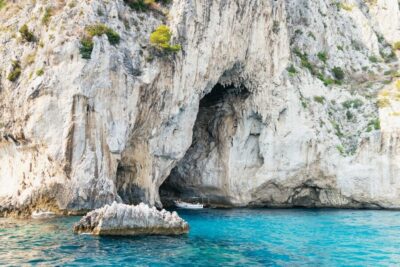
- Sea caves
- The fort walk and viewpoints
- Waves and motion sickness: what to do before it ruins your day
- Price and value: is $29 really enough for Berlenga?
- Included and not included: plan your day without surprises
- Who this tour is best for (and who should choose differently)
- Practical gear tips that actually help on Berlenga
- The BerlengasPass requirement: what you must do before you go
- Should you book? My straight answer
- FAQ
- How long is the tour from Peniche to Berlengas?
- How long is the boat ride to Berlenga?
- What extra fees should I expect besides the tour price?
- Where do I meet the tour in Peniche?
- What languages will the guide speak?
- What boat will I ride on?
- What should I bring for the trip?
Key things you’ll notice on this Berlengas day trip
- Two-thirds island time: you get meaningful exploration before the return ferry
- UNESCO biosphere area: the islands are part of a protected World Network
- Ecology rules via BerlengasPass: access is limited, and registration/tax are required
- Boat type may change by season: catamaran or fast Zodiak in normal periods; smaller boats in low season
- Time for caves, fort, and beach: you can mix viewpoints and swimming
- Choppy-water reality: motion sickness is a real consideration on windy days
How the Berlenga ferry works from Peniche (and why timing matters)
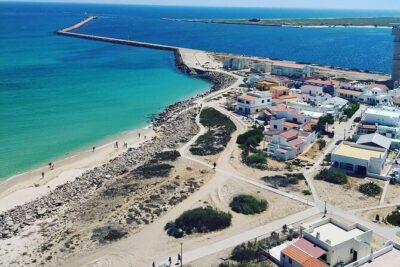
Peniche is a great launch point because you get out to sea quickly. The crossing to Berlenga is typically about 25–30 minutes, then you spend roughly 2–3 hours on the island before the return. With a total duration of about 4 hours, this isn’t a “slow travel” day. It’s a focused hit of ocean views, rugged shoreline, and a bit of walking.
That timing is actually part of the value. You’re not burning half your day in transit, and you still have enough hours to do more than just stand near a viewpoint. It’s enough time to reach a fort area, take in the sea caves area, and still have time left to cool off with a swim if conditions are good.
The crossing depends on sea conditions and the operator’s passenger minimum. On calm days, it feels smooth and scenic. On rough days, you’ll feel the Atlantic. So if you’re sensitive to motion, you’ll want to plan for that before you step aboard.
You can also read our reviews of more tours and experiences in Peniche.
Meeting Feeling Berlenga in Peniche (so you don’t lose your boat)
Your start point is simple, but it helps to know what you’re looking for. Meet at the Feeling Berlenga offices near three houses on top of a wooden platform. Staff will be wearing a light blue T-shirt or a dark blue sweatshirt.
This matters because you’re on a tight day schedule. When you’re paying attention to water taxis, crossings, and boarding windows, being early buys you peace of mind.
If your group includes multiple languages, the guide is planned to speak first in Portuguese, then English, then Spanish if needed. That’s helpful if you’re traveling with mixed-language friends.
What you’re actually visiting: Berlenga Grande plus nearby groups
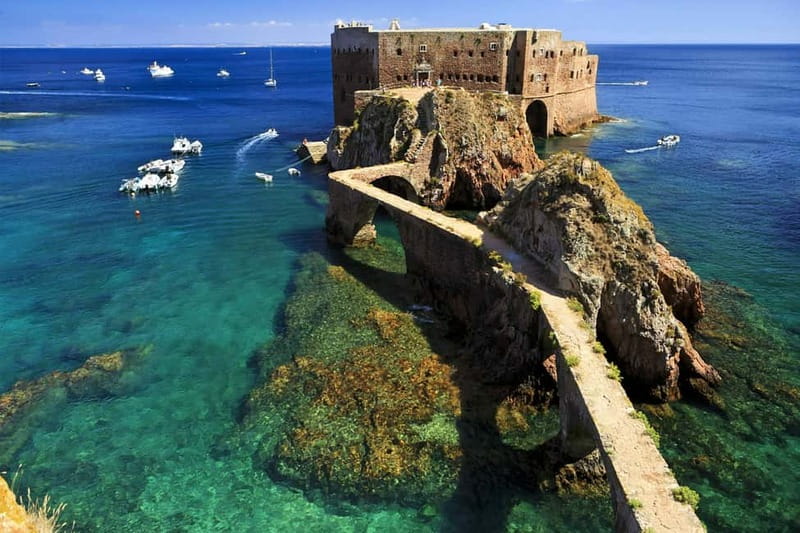
Berlengas isn’t one flat island. It’s an archipelago with three island groups: Berlenga Grande, Estelas, and Farilhões–Forcadas. The archipelago is also part of UNESCO’s World Network of Biosphere Reserves, which is a big deal for how it’s managed.
In practical terms, protected island rules shape your experience. You don’t get to treat this like a casual beach trip. You can still enjoy the beaches and caves, but you’re walking through a place that’s being managed for ecology and conservation. And because access is limited, planning your entry is essential.
The boat ride: catamaran, Zodiak, or something smaller
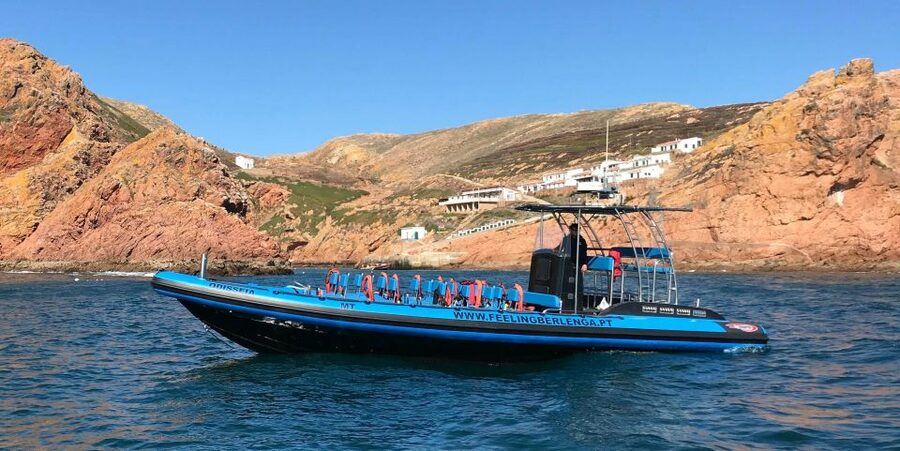
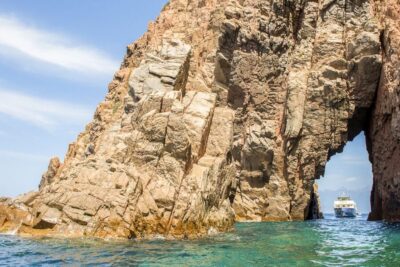
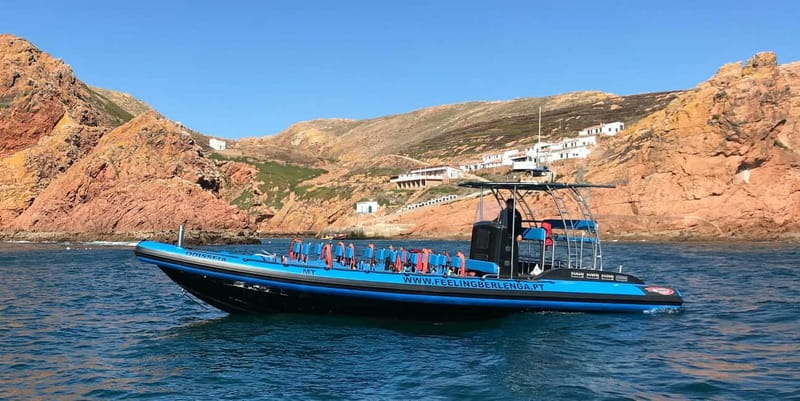
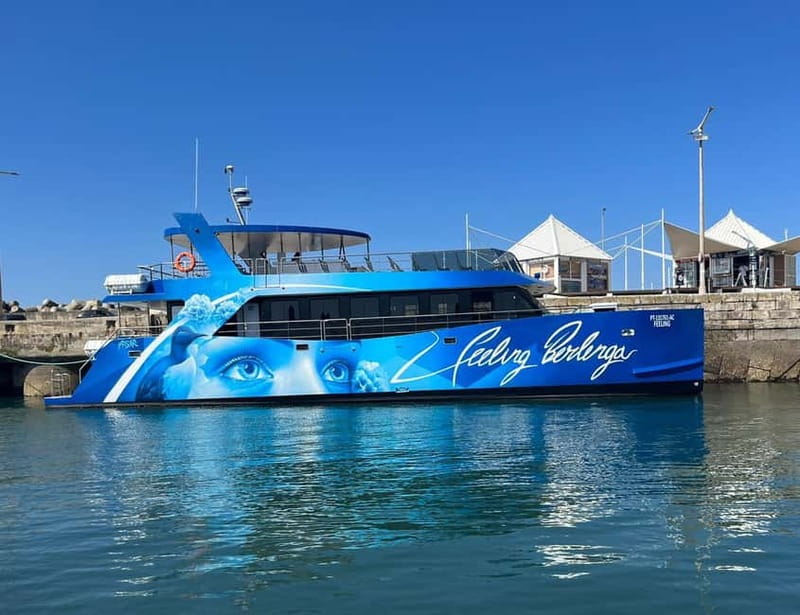
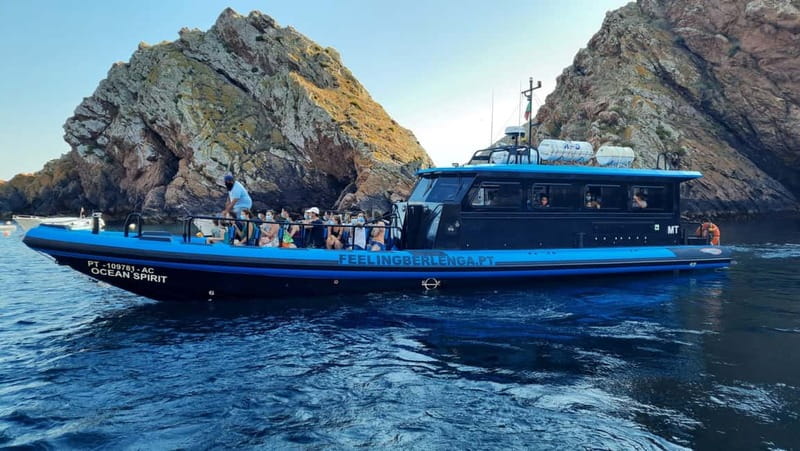
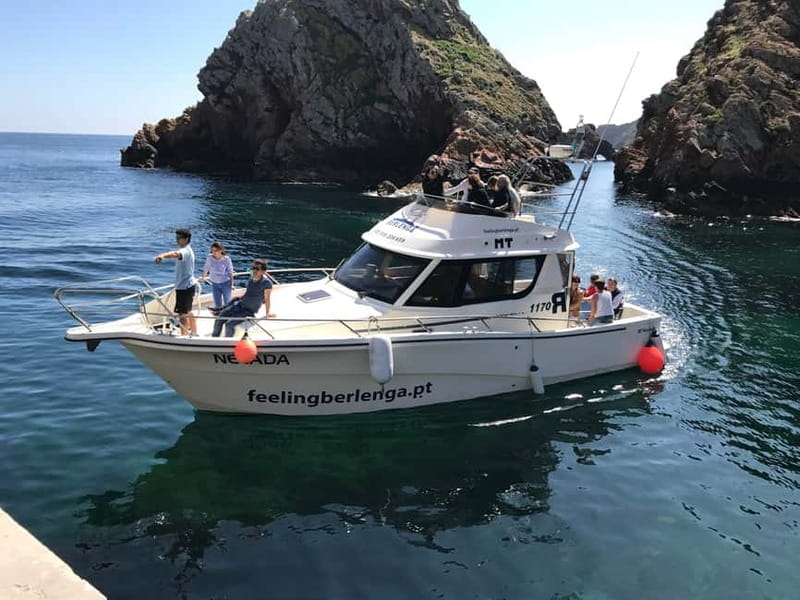
The operator may use different boats depending on the season and how full the catamaran is. In normal season, you might take a catamaran or a big Zodiak. In low season (fewer people) or when the main boat is full, you might switch to a small Zodiak or yacht.
Why this matters to you: the ride feel can change. A faster boat can mean more motion. A different hull style can mean more or less bouncing. Either way, expect open ocean conditions. On the bright side, when the sea cooperates, the ride is part of the fun—the water and coast views tend to look unreal.
A lot of people also love the small surprises that happen on the water. On some departures, you may spot dolphins, and the captain can slow down so you get time to watch. Not guaranteed, but it’s the kind of thing that makes a short ferry day feel special.
Your on-island time: exploring beaches, sea caves, and the fort
Once you arrive at Berlenga, you explore on your own. You’re not locked into a long guided march. Instead, you get a window of about two-thirds of the tour for your own route.
Here’s how it usually breaks down in real life:
Beaches and clear water
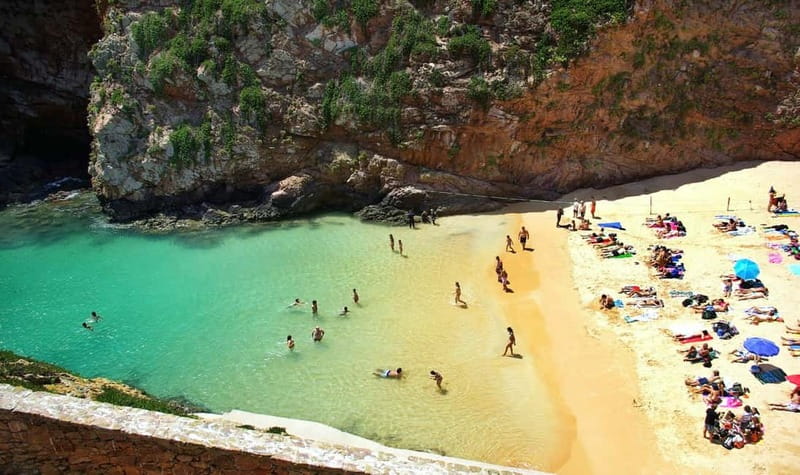
The headline here is the water. It’s often described as cerulean and crystal clear, with calm beaches in parts of the island. If the water conditions are safe enough for swimming, you’ll probably want to plan a quick swim. People who timed it well usually said it’s worth it—especially after walking and climbing.
One practical note: if it’s breezy, the water may look calm from shore but still feel cool once you’re in. Bring a water bottle so you stay hydrated during your walking.
Sea caves
Berlenga is known for caves, and some visitors add a cave outing using a separate glass-bottom boat option. The idea is simple: get closer to fish and rock formations, and see how the cave system looks from the water.
There’s one timing catch. If you go for caves by glass-bottom boat, low tide can matter. On some trips, the cave access can be limited when tides don’t cooperate. If you’re trying to do this, ask what tide conditions look like that day so you don’t feel rushed or disappointed.
Also, sea caves take a bit of energy and attention. If you’re prone to seasickness, you might want to weigh the extra boat time against your comfort level.
The fort walk and viewpoints
You can also plan a walk to the fort area. People often talk about a hike that’s accessible for many, but you should treat it as a stair-and-stone kind of day. One person praised the walk as easy enough for most. Another called the stairs on the return a real workout.
So I recommend you pace it like a climb, not a sprint. Stop for views. Take breaks. If you’re with kids, some visitors said trails can be fun because you spot things like lizards and seabirds along the path.
And yes—the fort area is usually where you feel the island’s dramatic edge. It’s not a long museum stop. It’s a walk that ends in ocean views.
Waves and motion sickness: what to do before it ruins your day
Let’s be honest: this tour depends on the sea. When the crossing is choppy, you may feel it. Even people who said the crew helped noted that a few passengers can get sick on the way out.
So my simple rule: if you’re even slightly prone to motion sickness, plan for it. Bring any medication you use for boat rides, and consider traveling with a plan for comfort (water, fresh air breaks if the boat allows it).
The crew is there for safety and reassurance. On rough crossings, staff have been seen checking in on passengers and providing support such as barf bags. That kind of practical care can make a big difference when you’re not feeling great.
Price and value: is $29 really enough for Berlenga?
At around $29 per person for a 4-hour round trip, this looks like a bargain—especially compared with the price of other coastal excursions. But the real value comes from two things:
1) You’re buying transportation to a protected island plus a skipper for the boat portion. That’s the hard part logistically from inland Portugal.
2) You get meaningful island time. You’re not just stopping for photos. You can walk, swim (if conditions allow), and mix in caves/fort/beach depending on energy.
That said, the base price doesn’t cover all costs. You also need to budget for tourist tax and mandatory registration through the BerlengasPass platform, which is required due to ecological access limits.
If you’re trying to estimate your total cost, some visitors reported additional fees such as about +3€ for government/tourist fees and around +1€ to enter the fort. Your exact totals can vary day to day, but the key point is: plan for extras beyond the headline ticket price.
Still, after you get there, the experience often feels like it costs more. The combination of boat ride, protected nature, and water views is hard to beat on a half-day schedule.
Included and not included: plan your day without surprises
Included:
- Boat trip
- Skipper
Not included:
- Tourist tax and mandatory entry-related fees
- Food and drinks
That “not included” food piece matters because the island plan is mostly walking plus beach time. There may be options on the island, but your safest move is to treat this like a day with no guaranteed meal plan included.
Instead, think in categories:
- Water: bring it (water is specifically recommended)
- Snacks: bring something small if you think you’ll get hungry
- Optional extras: if you want the glass-bottom cave outing, you’ll likely pay extra
One more consideration: you’re on the island for limited time, so if you add too many optional activities, you could end up rushing the beach part you actually came for.
Who this tour is best for (and who should choose differently)
This works best for you if:
- You want a quick Atlantic escape from Peniche without full-day travel
- You like walking short-to-medium routes with steep spots and stairs
- You enjoy planning your own pace once you’re on an island
- You care about being in a protected environment and not just chasing a checklist
It might be less ideal if:
- You hate boats and are very prone to motion sickness
- You want a fully guided, narrated island tour the entire time
- You want lots of leisure time with zero walking (the fort area and viewpoints involve climbing)
If you’re traveling with mixed ages, it can still work, but I’d suggest you set expectations early: some paths are narrow and the return stairs can be tiring.
Practical gear tips that actually help on Berlenga
The tour data is short on gear rules, but one thing is clear: bring water. Beyond that, here’s what I’d bring based on how the day usually feels:
- Water bottle (mandatory in spirit)
- A light layer for the water and wind
- Shoes with grip for rocky steps and uneven ground
- If you’re motion-prone, keep your anti-nausea plan ready before boarding
If you plan to swim, make sure you have what you need to dry off comfortably after you’ve climbed. A quick rinse and towel make a bigger difference than people expect when you’re dealing with salt air and stairs.
The BerlengasPass requirement: what you must do before you go
For ecological reasons, access to the island is limited. Before you purchase your boarding ticket, you must register and pay the tourist tax on the BerlengasPass platform at:
https://berlengaspass.icnf.pt/
This is not a detail to ignore. If you skip the required registration, you can lose the trip—since island access is controlled.
So I recommend you handle this early, not at the last minute. It’s the kind of step that goes smoothly when you do it before you travel, and it’s the kind of step that becomes stressful when you try to solve it mid-day.
Should you book? My straight answer
Yes, I’d book this if your idea of a perfect day is: boat ride + dramatic island views + time to choose your own route. For the price, the value is strong because you’re getting real transport to a protected island and enough time to enjoy the beaches and viewpoints without spending the whole day on a schedule.
Book it if you can handle a bit of walking and you’re okay with the possibility of rougher water on the crossing. If you’re very sensitive to motion, I’d think twice or go with serious comfort planning.
Skip it—or look for a different day plan—if you want a fully guided, low-effort experience or if you absolutely can’t deal with stairs and uneven terrain.
FAQ
How long is the tour from Peniche to Berlengas?
The total duration is about 4 hours, and you’ll have close to 2/3 hours on the island before the return ferry.
How long is the boat ride to Berlenga?
The catamaran or fast boat typically takes about 25 minutes (or 30 minutes, depending on the service) from Peniche to Berlengas.
What extra fees should I expect besides the tour price?
The tour price does not include the tourist tax. You also must register and pay required fees on the BerlengasPass platform. Some visitors mention additional small fees such as a government fee and a fort entry fee.
Where do I meet the tour in Peniche?
Meet at the Feeling Berlenga office located by three houses on top of a wooden platform. Staff wear a light blue T-shirt or a dark blue sweatshirt.
What languages will the guide speak?
The driver/guide speaks English and Portuguese. If there are multiple languages in the group, they’ll speak first in Portuguese, then English, and then Spanish.
What boat will I ride on?
Depending on the season and availability, you may ride a catamaran or a big Zodiak in normal season. In low season (or when the catamaran is full), you may use a small Zodiak or yacht.
What should I bring for the trip?
Bring water. It’s also smart to be ready for the island walking and potential waves on the crossing, since the trip depends on sea conditions.