REVIEW · SANTIAGO DE COMPOSTELA
From Santiago: Tour to Rias Baixas with Boat Trip and Winery
Book on GetYourGuide →Operated by Galicia Travels · Bookable on GetYourGuide
From Santiago, a saltwater day in the Rías Baixas feels different. This trip strings together classic coastal towns, a 9th-century shrine, and a boat cruise through the estuaries where the vibe turns into pure fun fast. I especially love the way the itinerary mixes wine country with real fishing-area sights.
On the water, the biggest draw is the unlimited mussel feast plus free-flowing local white wine during the cruise. You’ll also get time for Albariño on land, including a tasting of Rías Baixas wines—my kind of combo when you want culture and food without extra planning. One thing to keep in mind: it’s not a slow, sit-still day—there’s a lot of getting on and off the coach, and if you’re sensitive to heat, pack accordingly.
In This Review
- Key reasons this trip wins
- Why the Rías Baixas boat cruise is the heart of the day
- From Santiago to the coast: comfortable coach time, smart pacing
- Combarro: granaries, shoreline lanes, and wine-town atmosphere
- La Lanzada shrine: 9th-century atmosphere and that coastal walk
- O Grove: your long break for sea views and real downtime
- Illa da Toxa (Toja): soap heritage, hot springs area, and shells
- Albariño in the countryside: tasting that makes the food make sense
- On board in O Grove: mussels, shells, oyster culture, and the fun factor
- Guides and groups: why the day feels smooth (when you show up on time)
- Price and value: how $50 turns into a lot of day-trip action
- Practical checklist: shoes, timing, and heat management
- Should you book this Rías Baixas tour from Santiago?
Key reasons this trip wins
- Unlimited mussels and wine on the boat make the cruise the main event
- Combarro delivers that postcard Galicia look—sea-facing houses and granaries
- La Lanzada blends folklore, history, and a short walk in a memorable setting
- Illa da Toxa (Toja) includes the soap-and-shells story plus a calm island break
- Albariño tasting at a winery gives you the why behind what you’re eating and drinking
- Strong guiding (often excellent English) keeps the day moving with context, not chaos
Why the Rías Baixas boat cruise is the heart of the day
If you’re coming from Santiago, the best reason to do this tour is that it saves you from stitching together transport, timing, and multiple booking confirmations. In one go, you get to the Rías Baixas, then trade buses for water—where Galician life is louder, saltier, and more visual.
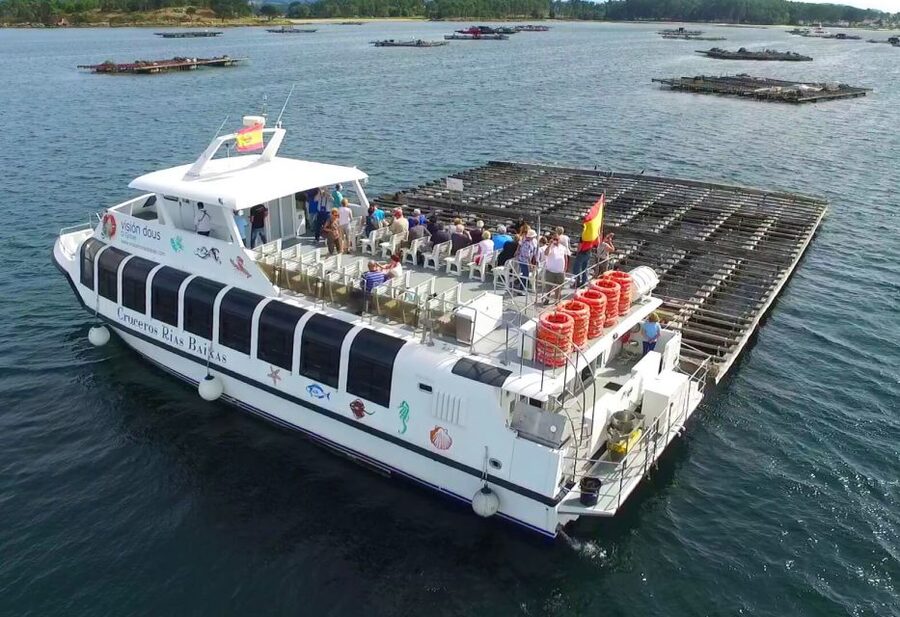
The boat ride is about eating well and seeing how the estuaries work. You’ll stop to look at shellfish watering areas where mussels, oysters, and scallops are produced. It’s not just pretty scenery; it’s a front-row seat to an industry that shapes the region.
And yes, the “unlimited” part is real in how the cruise is run. Expect steamed mussels in plentiful quantities, paired with the local white wine served on board. If you’re thinking about it as a value play, this is where your money starts to feel like it’s working for you.
From Santiago to the coast: comfortable coach time, smart pacing
You start at Viajes Galicia Travels at Rua das casas reais 31. Plan to arrive 10 minutes early, because you’ll want to check in and get settled before everyone boards.
The day moves by coach, but it doesn’t feel like a long, nonstop drive. You’ll have several breaks built in, so you’re not spending the whole day watching scenery blur past the window. The ride lengths between stops are short—think under an hour each segment—so the rhythm stays active.
The coach is private and air-conditioned, which matters on warm days. This is also where I’d tell you to bring a light layer, since AC can swing colder than you expect when you’re already dressed for coastal weather.
Combarro: granaries, shoreline lanes, and wine-town atmosphere
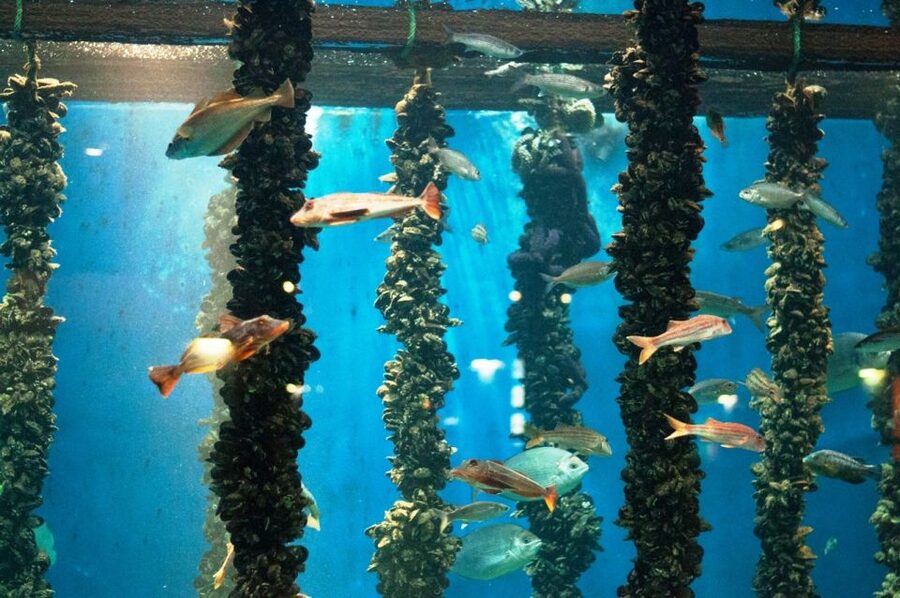
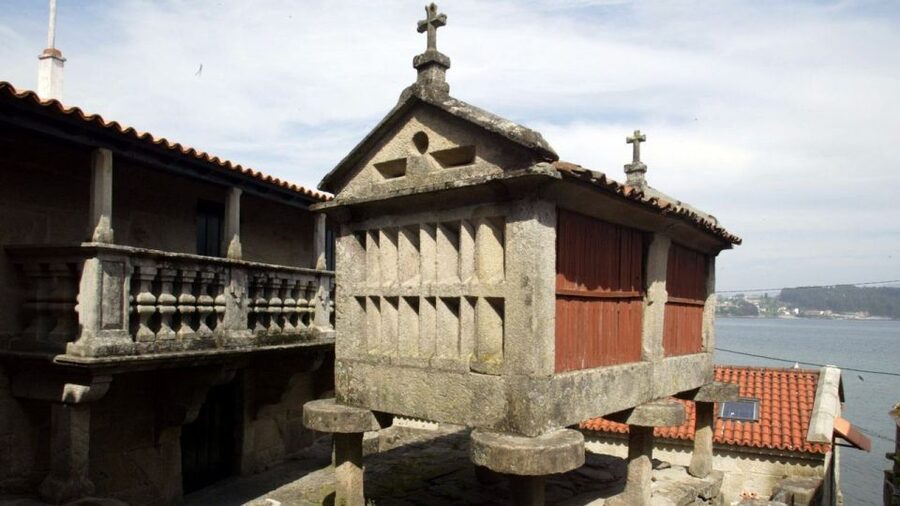
Combarro is one of those places that instantly looks like Galicia—stone, sea air, and the kind of village layout that makes walking feel easy. You’ll get a guided visit, plus free time and a walk.
What makes Combarro click for me is the balance. You get guided context, but you still have room to wander at your pace. Look for the classic waterfront details that photographers love: the sea-facing granaries and the village layout that feels rooted in fishing and trade.
Practical note: wear shoes you can stand in. The walk time isn’t enormous, but the surfaces and steps can add up after a few hours of stops.
La Lanzada shrine: 9th-century atmosphere and that coastal walk
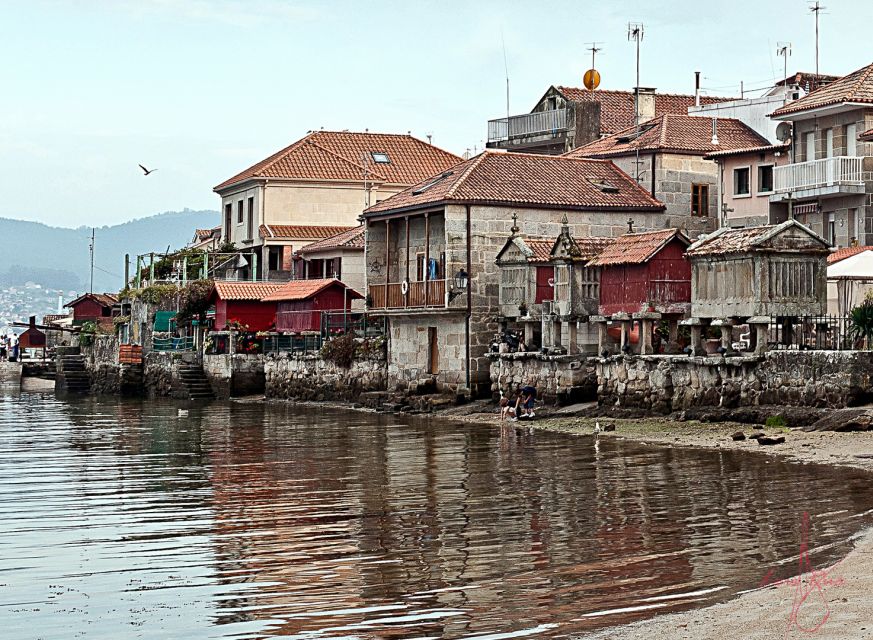
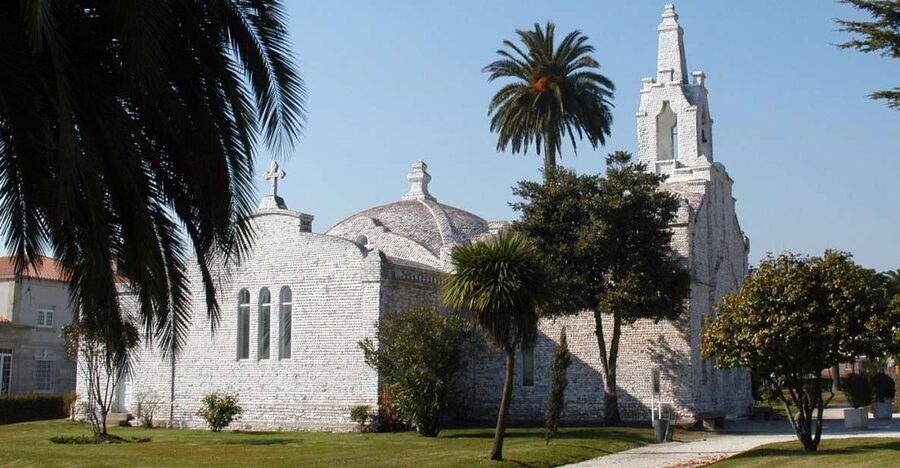
After Combarro, you head to the shrine of La Lanzada. This is a short stop by design—about a quick guided overview and a short walk to take in the place.
The hook here is age and mood. The shrine is described as established in the 9th century, and it has that mystical Galicia feel where religion, legend, and sea scenery mix together. Even if you’re not a “history person,” the location is memorable, because the setting does a lot of storytelling on its own.
The drawback: it’s not a deep, long-form visit. You’ll see and absorb more than you’ll read and linger. If you like slow museum-style time, you may want to save extra exploration for a future trip.
O Grove: your long break for sea views and real downtime

O Grove is where the trip gives you breathing room. You’ll have around two hours for a break time, a visit, and free time plus shopping.
This stop matters because it’s not just another photo stop. You get time to walk around town and reset before the wine and the boat. If you want lunch, this is the moment to plan it (meals are not included in the tour price, so you’ll be choosing on your own).
I like O Grove on day trips because it tends to feel less like an organized theme stop and more like a place locals actually use. Even if you don’t shop, the sea air and the pace shift alone can make the overall day feel more balanced.
Illa da Toxa (Toja): soap heritage, hot springs area, and shells
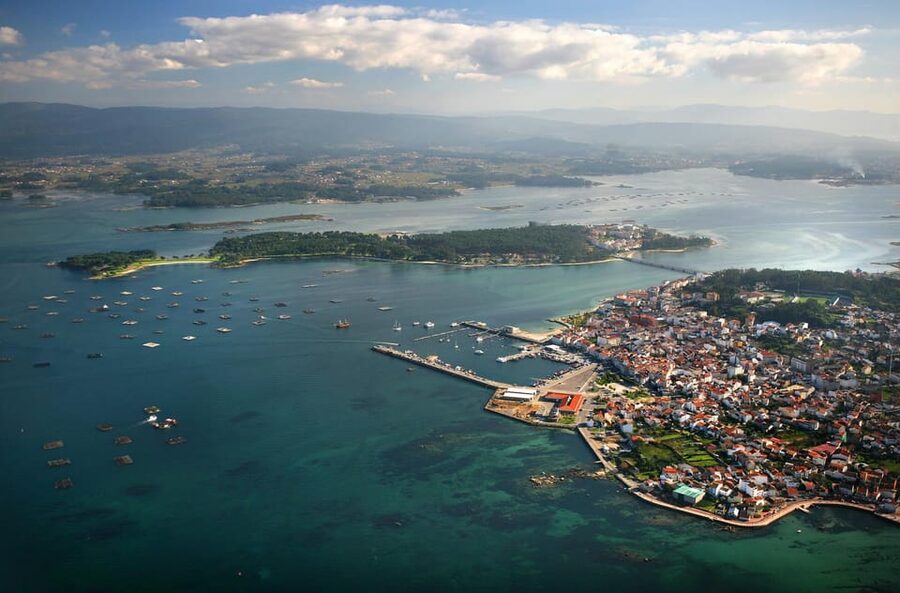
Next comes Illa da Toxa (also known as Toja). You’ll get a guided visit plus free time.
This island stop is built around two themes: the island’s relationship to soap production and its hot springs area, in a region described as part of Red Natura 2000. You’ll also visit a small museum linked to the old soap factory and see a chapel covered with shells—one of those details that sticks in your memory long after you leave.
Time is limited here, so aim to focus on the key photo points and the guided explanation. Then use your free time to slow down. This is a good place to take five minutes just to watch the sea and let the day stop sprinting.
Albariño in the countryside: tasting that makes the food make sense
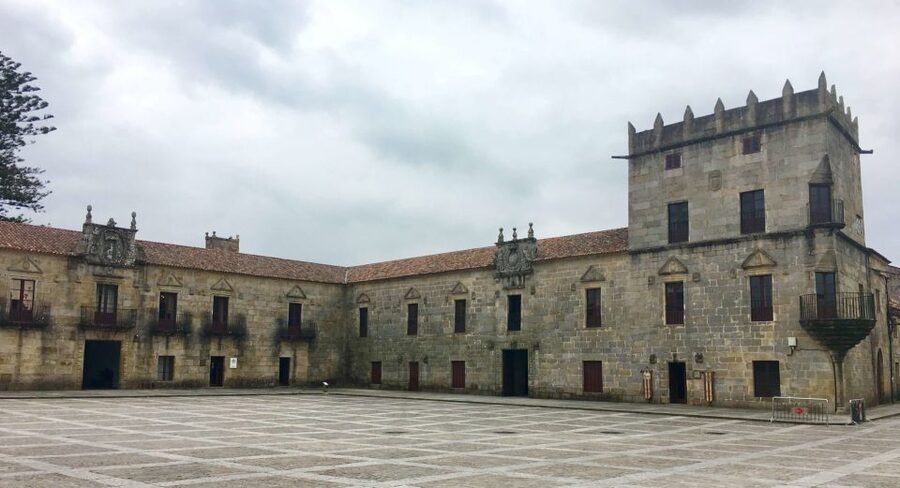
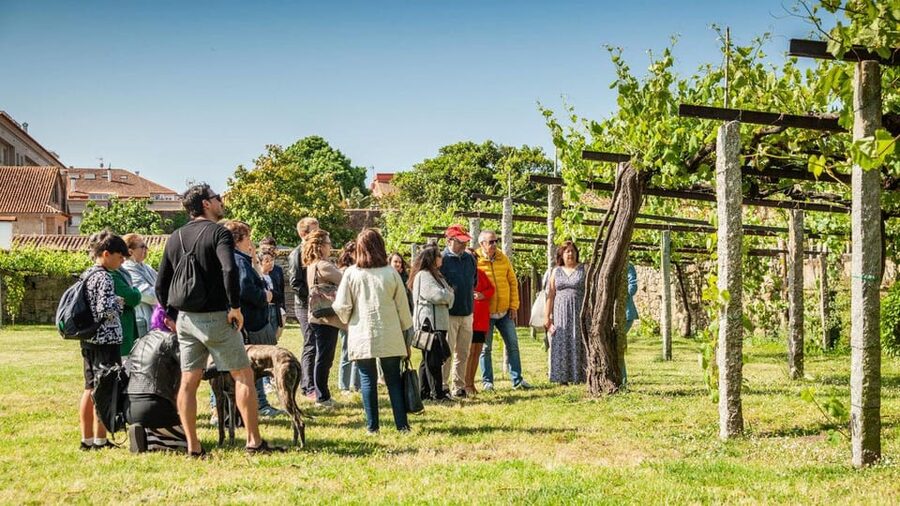
Before you go on the boat, you’ll head to Rías Baixas for a winery visit and a one-hour wine tasting. The tasting is focused on Rías Baixas denomination wines, which means it’s not random wine drinking—it’s structured to teach you what to look for.
Albariño is the region’s star, and this stop is designed to connect the dots between the countryside and what you’ll be drinking later. If you’re the type who usually orders what you see others drinking, this tasting helps you understand what you’re actually tasting.
A fair heads-up: on the boat, some people felt the wine could taste a bit diluted. That doesn’t mean the experience is ruined—it just means the cruise wine is more about the party-and-food pairing than about serious cellar nuance.
On board in O Grove: mussels, shells, oyster culture, and the fun factor
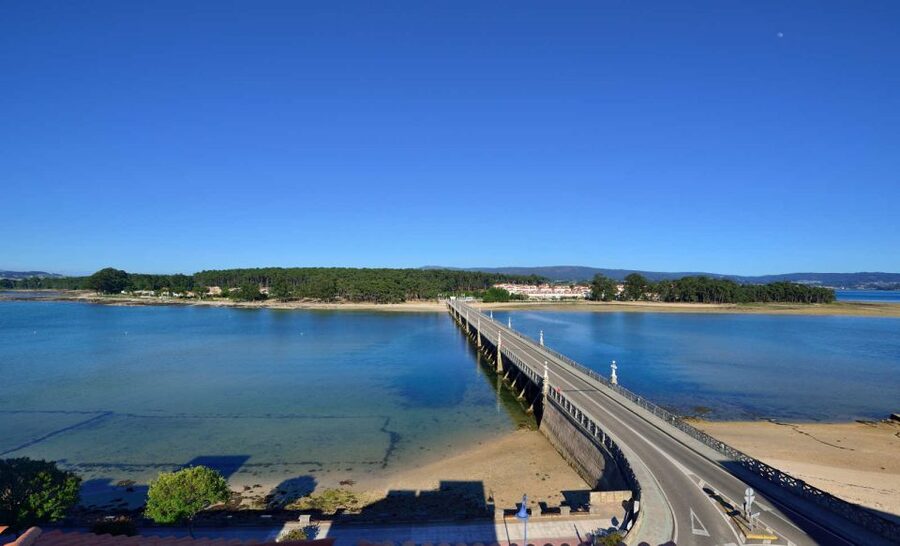
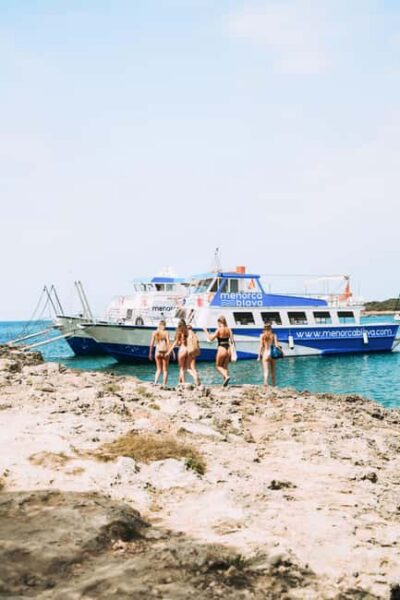
Then comes the payoff: you return to O Grove for the one-hour boat cruise. This is where the tour’s identity becomes obvious.
The boat portion is described as a sea tour where you’ll face directly the production of shellfish. You’ll see mussel, oyster, and scallop activity, plus view watering areas—those are the spots where shellfish are cultivated. It turns the Rías Baixas from scenic coast into working coast.
Food and drink run together here. You’ll taste steamed mussels in unlimited quantities, paired with one of the local white wines. There are also references to including shots of Crema de Orujo if you selected that option in your reservation.
The cruise energy tends to be high. Several accounts mention that the crew kept bringing more food and wine, and that the atmosphere is lively enough to feel like an event, not a quiet sightseeing boat.
One bonus that you can’t plan for but might get: dolphin sightings. It comes up often enough that I’d keep an eye out near the boat, but don’t count on it like it’s guaranteed.
Guides and groups: why the day feels smooth (when you show up on time)
A big part of this tour’s quality is the guiding. Names that come up include Neol, Lucia, Alexis, Noelle, Ana, and others. The pattern is consistent: clear English, friendly delivery, and historical or regional context that doesn’t feel like homework.
You’ll feel this most during the winery tasting and the shrine/village overviews, where the guide turns a stop into something you can actually explain later. And you’ll notice it during the boat transfer and timing, because the cruise runs on a schedule.
Your best move: be early for departures. One detail that stands out is how strict the boat timing can be. If you drift behind, you risk missing the moment you’ve paid for.
Price and value: how $50 turns into a lot of day-trip action
At about $50 per person for a 9.5-hour day, the value mostly comes from the included extras. You’re paying for transport, guiding, and multiple meaningful stops—and the real cost saver is the boat experience with unlimited mussels and wine during the cruise.
The tour also includes the winery entrance and the tasting, which would be a separate cost if you were booking independently. When you add those pieces up—coach from Santiago, guided visits, winery tasting, and a structured boat cruise—the price starts to look reasonable, not bargain-basement.
The one “watch out” is that meals are not included. The itinerary gives you break time for lunch options, but you’ll still want to budget for at least one meal (or snacks) during the day.
Practical checklist: shoes, timing, and heat management
This is a day that’s easier when you pack smart.
- Bring comfortable shoes for walking in villages and at stops.
- Arrive 10 minutes early at the meeting point so you don’t get rushed.
- If you travel in summer, plan for heat. One common note is that the day can get hot, especially during outdoor waits and transfers.
- Bring water and a light layer. Even on warm days, coach AC can surprise you.
- If you selected the option for Crema de Orujo, remember it’s part of the on-board experience.
Also note that the tour is not suitable for people with mobility impairments, since it involves bus transfers and walking at multiple stops.
Should you book this Rías Baixas tour from Santiago?
Book it if you want a single-day snapshot of the Rías Baixas that mixes village life, wine culture, and the area’s shellfish industry. The boat cruise is the headline, and the unlimited mussels plus local wine are the kind of inclusions that make the day feel complete without extra planning.
Skip it (or consider a different style of trip) if you prefer slow travel with lots of museum time, or if you hate group schedules and coach hopping. Also think twice if you know you struggle with timing—this day works best when you’re punctual and ready to move when the group moves.
If you’re visiting Galicia and you want your Santiago base to pay off with coast-and-culture in one shot, this is a strong bet.