REVIEW · CAPE TOWN
Gansbaai: Marine Big 5 Boat tour
Book on GetYourGuide →Operated by Marine Dynamics Whale Tours · Bookable on GetYourGuide
This coast turns wildlife-watching into a show. Gansbaai’s Marine Big 5 boat tour is built around one very practical idea: you head out to the Dyer Island ecosystem (and the famous Shark Alley area) hoping to spot whales, seals, sharks, dolphins, and penguins all on one outing. It’s also an education-first trip, with an onboard marine biologist explaining what you’re looking at as conditions change.
I like the “comfort + fieldwork” combo: you get wet-weather gear and inflatable life jackets, plus a spacious boat with an observation deck, coffee and muffins before you go, and warm soup and bread after you return. A second big plus is the conservation angle—on many departures, you also stop at the African Penguin and Seabird Sanctuary to see how injured and sick penguins are rehabilitated.
The main drawback to go in knowing: wildlife sightings aren’t guaranteed, and the sea can get rough enough that motion sickness is a real issue for some people—so plan for variability, not perfection.
In This Review
- Quick hits you can plan around
- Marine Big 5 on One Boat Trip: What Gansbaai Really Delivers
- The Route and Timing from Cape Town or Hermanus (and Why It Matters)
- Meeting at The Great White House in Kleinbaai and Getting Ready
- On the Water Along Shark Alley and the Dyer Island Ecosystem
- Wildlife Expectation Reality Check: Whales, Seals, Sharks, Dolphins, Penguins
- Marine Biologist Onboard: What You Learn While You Watch
- Back on Land: Debrief, Warm Soup, and the Penguin Rehab Stop
- Price and Value at About $155 a Person
- What to Bring, What to Skip, and How to Handle Seasickness
- Who This Tour Fits Best (and Who Might Want a Different Plan)
- Should You Book This Marine Big 5 Tour in Gansbaai?
- FAQ
- Where do I meet for the boat tour?
- How long is the time on the boat?
- What animals can I expect to see?
- Does the tour include the African Penguin and Seabird Sanctuary?
- What’s included in the price?
- Is the tour wheelchair accessible?
Quick hits you can plan around
- Dyer Island + Shark Alley setup: your day is shaped by where marine life tends to move.
- Onboard marine biologist: you’ll get real-time explanations for what you’re seeing.
- Cape fur seals at Geyser Rock: an enormous colony is part of the expected “yes” moments.
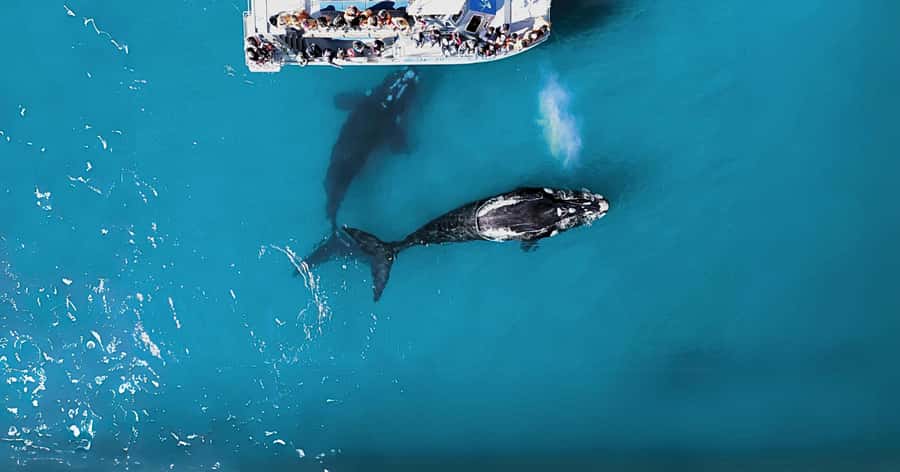
- Southern right whales June to December: this season brings the highest odds for mating and calving behavior.
- Warm soup and bread after the tour: it’s a small detail, but it helps after time on the water.
Marine Big 5 on One Boat Trip: What Gansbaai Really Delivers
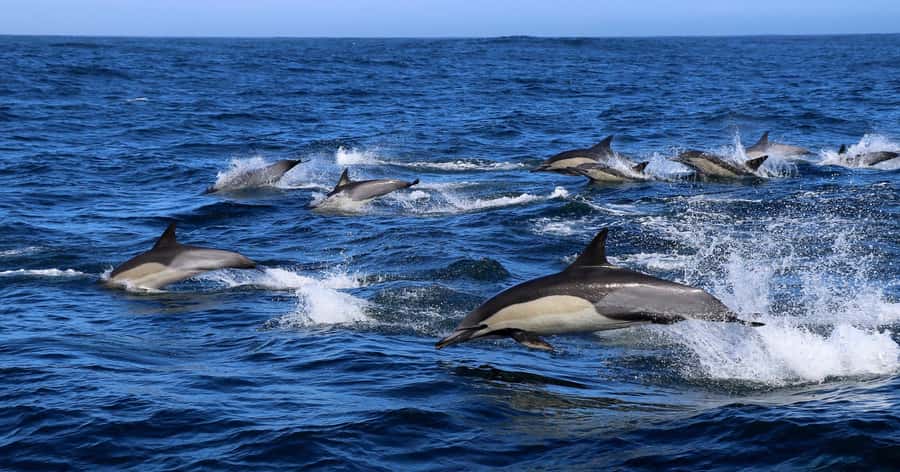
If you’re coming to the Western Cape for wildlife, Gansbaai is one of the more efficient bases. You’re not doing separate day trips for every animal. Instead, you’re taking one boat outing designed for a single stretch of ocean where multiple species overlap—whales (especially southern right whales in season), Cape fur seals, seabirds, and the possibility of sharks, dolphins, and penguins.
What makes this experience feel special isn’t just the promise of Marine Big 5 on one ticket. It’s how the day is paced. Before you even reach the harbor, you’re eased into the trip with coffee/tea and muffins and a dedicated safety briefing. Then you head out with wet-weather gear and life jackets, meaning you spend less mental energy worrying about comfort and more time tracking behavior—spouting, surfacing patterns, group movement, and how seabirds react.
And when you do get sightings, you’re not left guessing. The onboard marine biologist is there to interpret what you’re seeing in practical terms—what the animal is doing, why it’s there, and how that connects to conservation. In real-world wildlife watching, that turns a “cool photo” day into a “now I understand what that meant” day.
You can also read our reviews of more tours and experiences in Cape Town.
The Route and Timing from Cape Town or Hermanus (and Why It Matters)
Plan your day around the fact that this is a coastal safari. From Cape Town to Gansbaai is about 2.5 hours one-way, so even before the boat, your day has a travel spine. If you chose transfers, you’ll be picked up from your Cape Town or Hermanus hotel, and you’ll get the confirmed pickup time the afternoon before your tour after a detailed weather and tide check.
The timing matters for two reasons.
First, the tour’s start time isn’t a fixed clock. It shifts based on tide and weather, because this is truly a ride that depends on sea conditions. Second, your “at sea” time averages about two hours, but the overall day can run longer (the total duration is listed up to around 8 hours, sometimes even longer). If you’re hoping for a short, predictable half-day, this isn’t that.
One more timing note: if you’re prone to motion sickness, start your prep early. The tour guidance recommends using anti-seasickness medication starting the day before if you tend to feel unwell on boats. That advice isn’t dramatic—it’s the difference between remembering the day and spending it regretting your choices.
Meeting at The Great White House in Kleinbaai and Getting Ready
Your day begins at The Great White House in Kleinbaai (5 Geelbek St, Van Dyks Bay). That’s not just an address—it’s the practical start of a smooth flow: arrival check-in, coffee/tea and muffins, a clear safety briefing, then gear up.
You’ll be fitted with inflatable life jackets and wet-weather gear. After that, it’s a short walk (about 200 meters) down to the harbor to board the vessel. The whole point is to keep you moving without confusion. The boat is designed for whale watching, and it has an observation deck, so you don’t have to choose between “see something” and “stay comfortable.”
What to wear is more than a minor detail here. It can be colder on the sea than on land, and you’ll feel wind and spray even when conditions aren’t extreme. Bring warm clothing and comfortable shoes. Also add a hat and sunscreen—yes, even when it feels chilly.
And if you’re traveling with kids: all ages are welcome on the vessels, but the guidance notes that you may need to contact the supplier for children under 5 to amend your booking. (Kids 1–4 are free of charge.)
On the Water Along Shark Alley and the Dyer Island Ecosystem
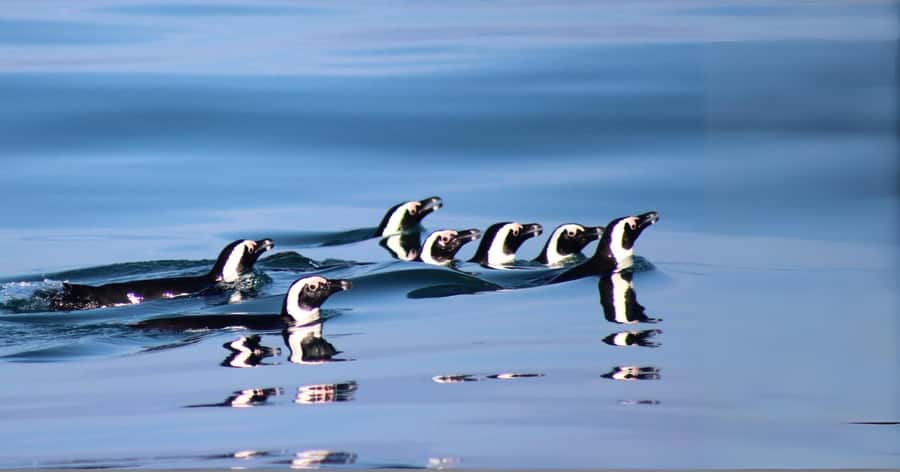
Once you’re out, your route is built around habitat. You’ll visit the Dyer Island ecosystem and cruise down the Shark Alley area, where you have a strong chance of spotting multiple marine species close to the coast.
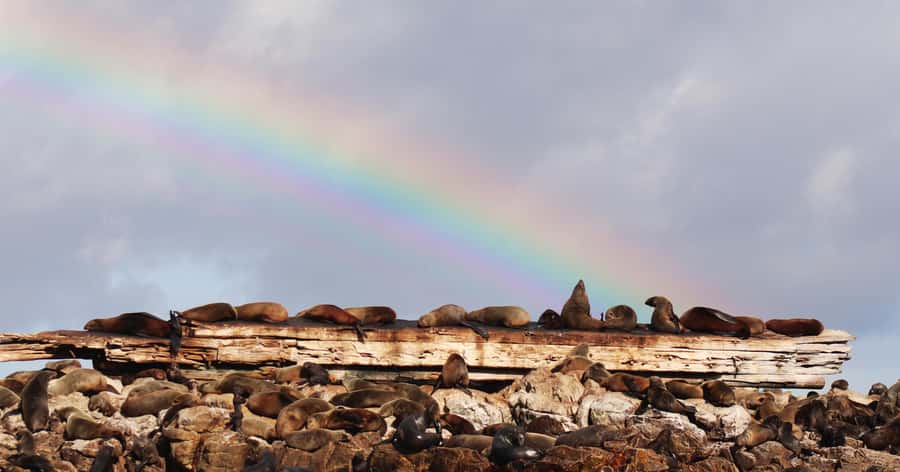
A big “why this area” clue is the expected seal viewing. On your cruise you may see the almost 60,000-strong Cape fur seal colony at Geyser Rock. That doesn’t replace whale sightings, but it does give you an excellent baseline experience—dense animal presence, constant movement, and the kind of chaotic wildlife activity that makes wildlife watching feel alive.
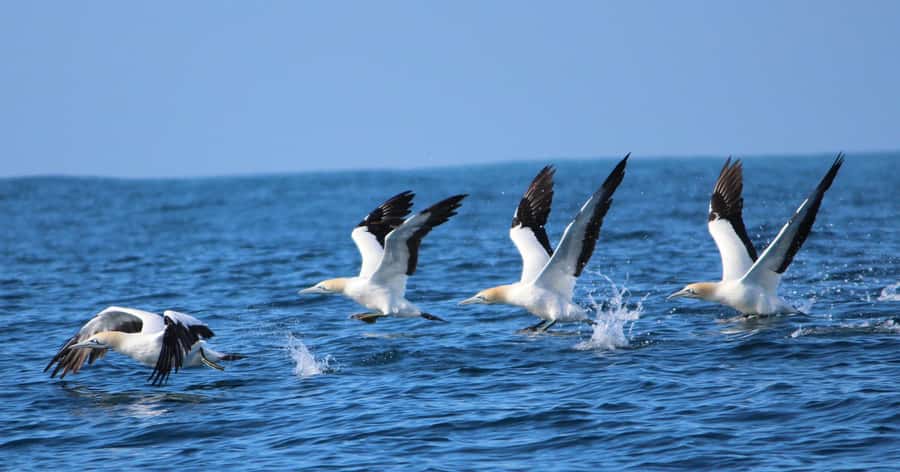
As you cruise, look for how seabirds behave. Seabirds often react to marine life feeding and surfacing, so their patterns can help you understand where activity is building—even before you spot the main target.
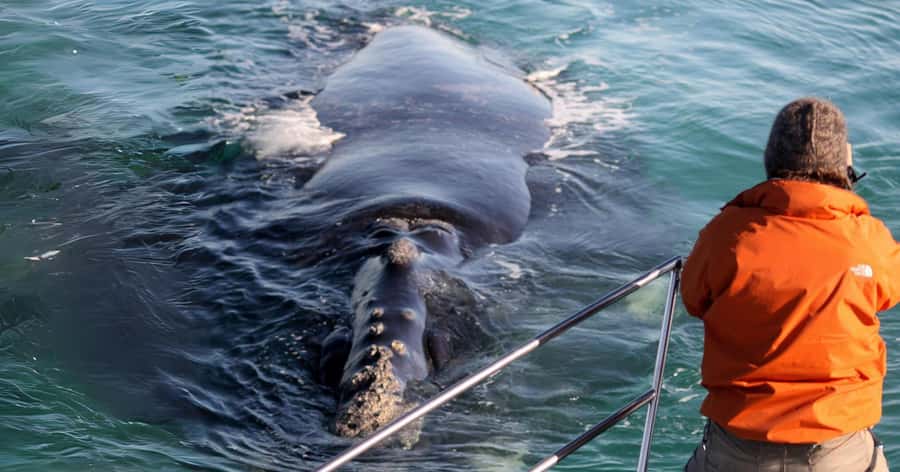
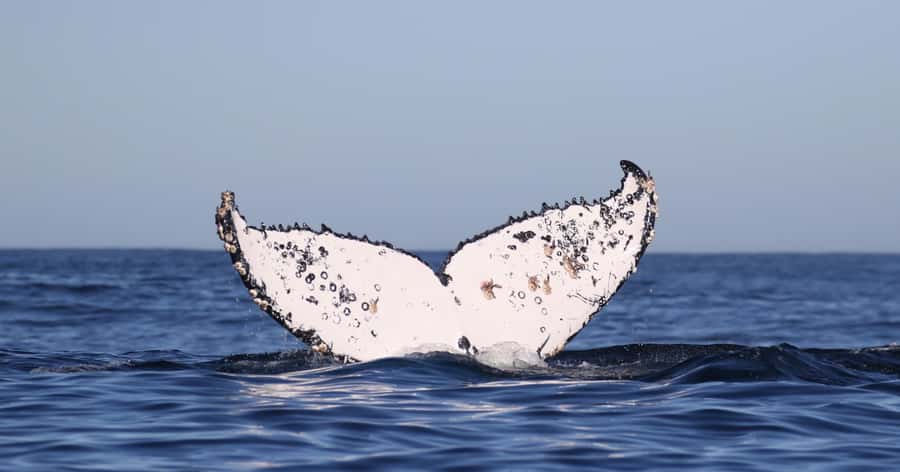
Then there’s the whale component. From June to December, southern right whales arrive to mate and calve. When they’re around, you might see the dramatic stuff: breaching, tail slapping, spy-hopping, and mating displays. If you’re traveling in other months, you might still get whales, but the odds change because migration timing matters.
And you’re not limited to one species. The info also notes possibilities like Bryde’s whales and humpback whales. Dolphins are also on the menu: you may encounter humpback dolphins and common dolphins.
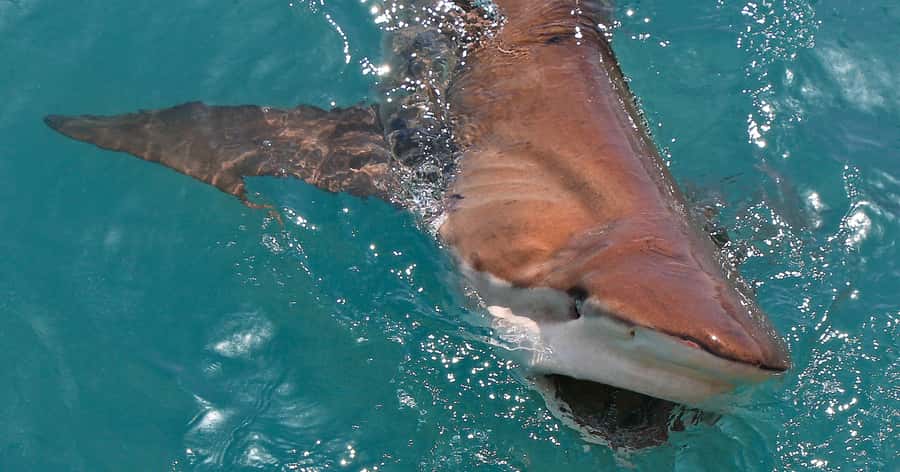
Finally, sharks are part of the story. You’re cruising in an ecosystem where sharks can appear, and at least some departures have included sightings connected to nearby cage-diving activity. In other words: sometimes sharks show up as part of the broader feeding and attraction patterns along the coast, not because you’re “guaranteed” a particular viewing spot.
Wildlife Expectation Reality Check: Whales, Seals, Sharks, Dolphins, Penguins
This is where you set your expectations for the best outcome. The tour experience is genuinely structured around the Marine Big 5 concept—but wildlife is wildlife. The operator is clear that activity can’t be guaranteed, and your day will depend on weather, tide, and animal behavior.
Here’s how I’d think about the likely wins:
Whales (highest odds June–Dec)
If southern right whales are in the area, you can see mating and calving behavior, plus surface action like breaching and tail slaps. That’s the kind of wildlife show you only get when the animals choose to perform.
If whales aren’t visible, you can still have an excellent trip—especially if seals, seabirds, and dolphins are active.
Seals (very strong probability)
The Cape fur seal colony at Geyser Rock is highlighted for a reason. Even when other species are quiet, seal activity tends to keep your outing from feeling empty.
Sharks and dolphins (possible, not guaranteed)
Sharks and dolphins can be present, but they’re also the most “range and timing” dependent. In past outings, some people saw sharks and others didn’t. Dolphins are similar: you might be lucky and get multiple sightings, or you might only see other species and go home with an excellent backup story.
Penguins (usually tied to your land stop)
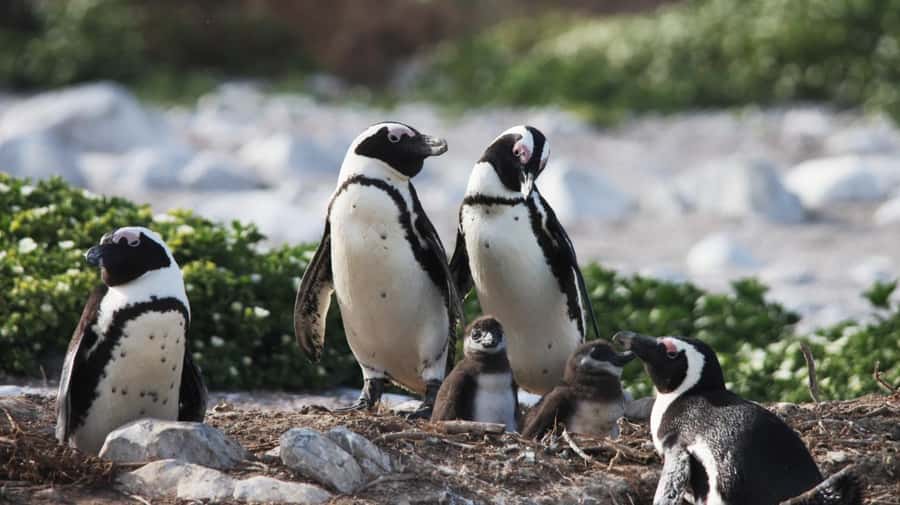
Penguins are often part of the optional return program. If you selected the option that includes transfers, you’ll visit the African Penguin and Seabird Sanctuary on the way back. At the sanctuary, the focus is rehab and recovery. That’s different from spotting penguins at sea, and it’s worth understanding: one is wild watching, the other is conservation in action. Either way, it adds meaning to your marine day.
Marine Biologist Onboard: What You Learn While You Watch
The onboard marine biologist is one of the smartest reasons to pick this tour over a standard boat ride. When wildlife appears, you’ll get context fast—what species you’re looking at, how to tell similar animals apart, and what behaviors mean.
In practice, you’ll experience the learning as you move from one viewing zone to another. The crew helps you position and refocus your attention, and the biologist ties each sighting back to the larger ecosystem. That’s where the day stops being random luck and starts feeling like a guided study.
The human side matters too. Multiple accounts highlight the staff’s attentiveness during the ride—offering support when people get cold, helping with wet gear, and making sure you feel safe while out at sea. It’s not flashy, but it’s effective.
If you’re the type who gets frustrated when you can’t hear the guide well, bring a backup mindset. On some departures, loudspeakers may not carry every word perfectly. The good news is you can still ask questions, and the biologist’s explanations tend to anchor around what you’re seeing in front of you.
Back on Land: Debrief, Warm Soup, and the Penguin Rehab Stop
After your time on the water, you return for a debrief. It’s a structured wrap-up where you process what you saw—what it likely meant, what behaviors you noticed, and what to watch for in future wildlife encounters.
Then comes the genuinely comforting part: warm soup and bread after the tour. It sounds simple, but after sea wind, it’s a morale booster. People consistently praise how welcome this feels.
If you booked with transfers from Cape Town, you’ll also stop at the African Penguin and Seabird Sanctuary on the way back. This is one of the most valuable additions because it turns your day into more than watching. You see efforts to rehabilitate injured and sick animals, and you learn how local conservation work supports the survival of the African Penguin population.
If you’re wondering whether this stop is “worth it,” think about it this way: even if the ocean doesn’t give you every single Marine Big 5 sighting, you still leave with a clear conservation story.
Price and Value at About $155 a Person
At around $155 per person, this tour isn’t a budget impulse buy. It’s closer to a “pay for a guided, equipment-supported day” choice.
Here’s what supports the value:
- Return transportation from Cape Town or Hermanus when you choose the transfer option
- Snacks and drinks on arrival (coffee/tea and muffins)
- Wet-weather gear and inflatable life jackets
- Dedicated safety briefing and an informative debrief after
- An onboard marine biologist
- Warm soup and bread after the trip
- The African Penguin and Seabird Sanctuary stop when you select the transfer option
So the cost isn’t only “boat time.” You’re also paying for guidance, safety equipment, and interpretation—plus a conservation visit that adds meaning beyond the shoreline.
That said, wildlife unpredictability is the real financial risk. If you’re unlucky and your day doesn’t include whales or sharks, your satisfaction will depend on how you feel about seeing fewer “big five” species. One reason this review is balanced: a great day can be unforgettable, but it can’t be forced.
What to Bring, What to Skip, and How to Handle Seasickness
This tour gives you wet-weather gear and life jackets, but you still control your comfort through what you pack.
Bring:
- Warm clothing
- Comfortable shoes
- Sunscreen and a hat
If you’re prone to motion sickness:
- Use anti-seasickness medication starting the day before, as recommended
Skip:
- Smoking in the vehicle
- Alcohol and drugs
Also keep one mental trick ready: keep your eyes moving. Wildlife sightings often happen when people stop staring at one spot. Watch for changes in water texture, seabird groups tightening, and sudden surfacing behavior.
Who This Tour Fits Best (and Who Might Want a Different Plan)
I’d put this tour at the top of the list if you:
- Want a structured chance to see multiple species in one day
- Prefer guided wildlife watching over a purely observational cruise
- Enjoy learning while you watch, not after you get back
- Like conservation stops that show how rehab and rescue work connects to what’s happening in the wild
You might reconsider if:
- You expect guaranteed sightings of all Marine Big 5 animals (the tour is clear that sightings can’t be guaranteed)
- You know you get severely seasick and haven’t found a system that works for you
- You dislike long travel days (especially if you’re starting from Cape Town)
Should You Book This Marine Big 5 Tour in Gansbaai?
If your goal is an educational wildlife day where comfort, safety, and interpretation are built into the plan, I think this is a smart booking. The crew attention, the on-board marine biology, and the thoughtful add-on of the penguin rehab stop (when transfers are included) make it feel like more than just a “go out and hope” outing.
Book it if you can accept variability and you’re willing to dress warm and take seasickness seriously. Skip it (or choose a different format) if you need guaranteed whales or sharks, or if long travel plus uncertain ocean conditions will stress you out.
If you’re okay with nature running the show, this is exactly the kind of South African coast experience that stays with you long after the photos fade.
FAQ
Where do I meet for the boat tour?
You meet at The Great White House in Kleinbaai, 5 Geelbek St, Van Dyks Bay, 7220, South Africa. The exact meeting time is confirmed the day before your tour.
How long is the time on the boat?
Time out at sea is on average about two hours, depending on sea conditions and marine life activity. The full day can be longer (up to 8 hours or more).
What animals can I expect to see?
The tour focuses on the Marine Big 5: whales, seals, sharks, dolphins, and penguins. However, sightings cannot be guaranteed because wildlife activity depends on conditions.
Does the tour include the African Penguin and Seabird Sanctuary?
Yes, it’s included if you choose the option with transfers from Cape Town. It’s described as a stop connected to rehabilitating injured and sick animals.
What’s included in the price?
Included items include return transportation (depending on the option), coffee/tea and muffins on arrival, warm soup and bread after the tour, safety briefing and debrief, inflatable life-jackets and wet-weather gear, and the sanctuary visit if you selected the relevant option.
Is the tour wheelchair accessible?
Yes. Both the welcome facility and the whale watch vessel are wheelchair friendly, and the vessel can accommodate 2 wheelchairs per trip.