REVIEW · BORA BORA
Half day Snorkeling Shared Boat Tour in Bora Bora
Book on Viator →Operated by H2O BORA BORA · Bookable on Viator
Bora Bora looks unreal from the boat. This morning snorkeling tour takes you to 3 or 4 of the lagoon’s best spots, chosen on the day for clear water and wildlife chances. You’ll cruise around with an in-the-know guide and swim right where the marine life lives.
I especially like the small group size (max 7 people), which keeps things calmer in the water and on the boat. And I love how guides such as Vincent, Matt, and Wilson focus on spotting wildlife and explaining what you’re seeing in plain terms, not just rushing to the next stop.
One consideration: nature doesn’t follow a schedule. If wind or conditions aren’t great, you may still see plenty, but the exact animal sightings (like sharks) can’t be guaranteed—one past trip even noted they missed shark sightings.
In This Review
- Key things that make this snorkel trip work
- Morning Lagoon Snorkeling With a Small-Group Boat (About 3.5 Hours)
- Price and What You’re Paying for at $130
- How Vaitape Pickup Fits Into Your Day
- How the Captain Chooses Your 3–4 Snorkeling Stops
- Stop by Stop: Coral Garden, Eagle Rays, Manta Rays, and the Wild Card
- Inner Reef Coral Garden Stop
- Manta Ray Stop
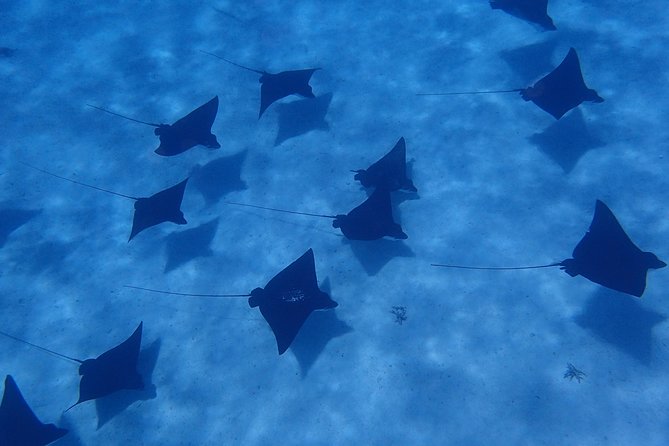
- Eagle Ray Stop
- The Fourth Stop, If Time and Conditions Behave
- What Snorkeling Feels Like in Bora Bora’s Lagoon
- Wildlife Ethics: The No-Feeding Approach (And Why You Should Care)
- Boat Comfort and Safety: Getting In, Staying Calm, Watching Closely
- Weather, Seas, and Sightings: Setting Expectations the Smart Way
- Who Should Book This Tour (And Who Might Look Elsewhere)
- Should You Book This Bora Bora Snorkel Tour?
- FAQ
- How long is the snorkeling tour in Bora Bora?
- How many snorkeling stops will I visit?
- Do they feed sharks or rays to attract wildlife?
- Where does the tour start and end?
- What’s the maximum group size?
- Is it suitable for older adults?
Key things that make this snorkel trip work
- Small group cap (max 7 travelers) for more time at each stop and less crowd pressure.
- 3–4 snorkeling stops picked by conditions, not a rigid checklist.
- Manta ray and eagle ray stops are part of the plan when the lagoon allows.
- A coral garden stop at the inner reef, known for lots of fish and reef life.
- Ethical wildlife approach: no feeding, and no shark/ray attraction sites.
- Pickup from your Bora Bora accommodation plus a mobile ticket, making mornings easier.
Morning Lagoon Snorkeling With a Small-Group Boat (About 3.5 Hours)
This is a half-day style tour timed in the morning, so you get your lagoon time without losing the whole day. Expect about 3 hours 30 minutes on the water, plus travel to and from the boat at Vaitape. It’s the kind of outing that fits well if you also want afternoon plans like a bike ride, a spa slot, or a slow sunset.
The biggest practical win is the small group. With up to 7 people, you’re not wedged into a crowd while snorkeling. In a place like Bora Bora, where good water movement matters, having fewer people in the water at once makes the whole experience feel more controlled and less hectic.
Price and What You’re Paying for at $130
At $130 per person, this is not a budget snorkel. But it’s priced like a value tour: you’re paying for a captain who can reposition to the day’s best conditions, a guide who can actually help you see animals, and a boat day that’s long enough to hit multiple spots.
It also includes round-trip transfers from your Bora Bora accommodation, which matters more than it sounds. Bora Bora mornings can be tight with logistics, and getting picked up reduces the stress of figuring out where to meet and how to get there on time.
Finally, the ethical wildlife stance is part of the value. The tour states they do not feed wildlife and do not visit sites where animals are artificially attracted by feeding. Since shark and ray feeding has been illegal in French Polynesia since October 2017, this is more than a marketing line—it’s about doing snorkeling the right way.
How Vaitape Pickup Fits Into Your Day
The activity meets in Vaitape and ends back there. The tour also offers pickup from your accommodation, so you don’t have to battle morning traffic or scramble for a taxi before the water calls.
If you’re staying on one side of Bora Bora (or doing a split stay), pickup can also help you keep your schedule intact. The tour is timed for the morning, so once you return, you typically still have room for another activity later.
Tip: plan to be ready a little early. A smooth start is what gets you into the water sooner, and Bora Bora’s lagoon can look best when the conditions line up.
How the Captain Chooses Your 3–4 Snorkeling Stops
The itinerary is not fixed. Your captain selects the 3 or 4 snorkeling spots based on the lagoon conditions of the day. That sounds vague until you realize why it matters.
In Bora Bora, visibility and water movement shift quickly with wind and weather. A good captain doesn’t “force” the plan. They pick the best options for where rays and reef life are likely to be active, while still keeping the stops safe and enjoyable.
You’ll usually get these core elements:
- a manta ray stop (when conditions allow)
- an inner reef stop for a natural coral garden
- an eagle ray stop
- sometimes a fourth stop, chosen on the day
So you’re not just booking snorkeling. You’re booking decision-making.
Stop by Stop: Coral Garden, Eagle Rays, Manta Rays, and the Wild Card
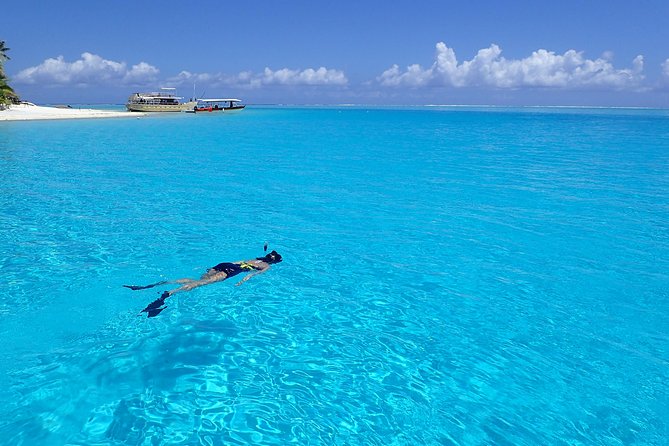
Inner Reef Coral Garden Stop
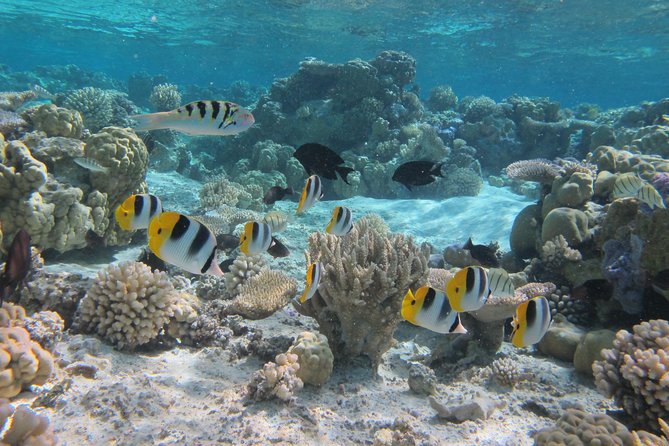
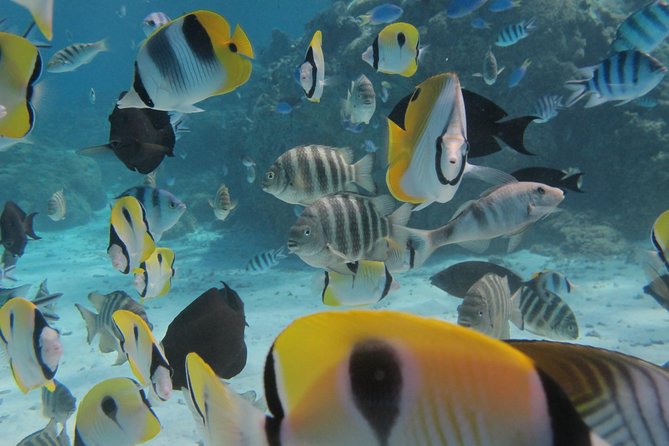
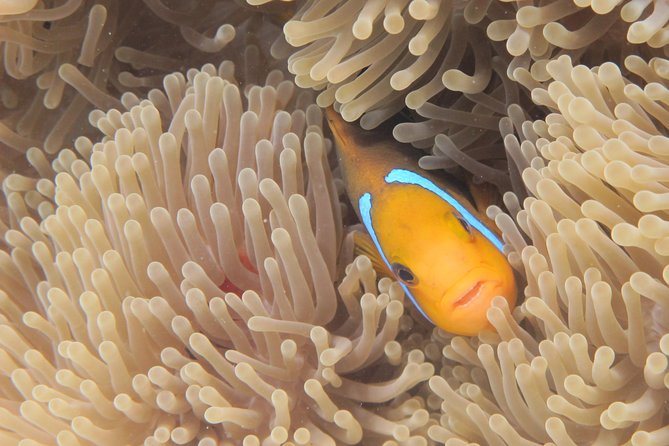
This is the reef portion you’ll remember after you’ve dried off. The tour describes a natural coral garden on the inner reef, full of life. It’s the stop where you can slow down, breathe, and watch fish patterns without needing to chase a bigger animal.
In practice, this is also the best “plan B.” If manta rays are hidden that day, the coral garden still delivers something visual and constant: reef structure, fish behavior, and the feeling of floating in clear lagoon water.
Manta Ray Stop
Mantas are one of the star attractions in Bora Bora, and the tour includes a stop where you may see manta rays. The key is that the captain chooses the timing and location based on conditions.
What this means for you: show up with patience. Mantas don’t stay still for a photo line. But if the water is right, you’re in the right place at the right time with the right search effort.
Eagle Ray Stop
Eagle rays are another core stop. You’re not guaranteed specific numbers, but the tour is built around finding them. You’re more likely to see them when the captain can place you near the feeding and cruising areas the day supports.
This stop also works well even if you’re newer to snorkeling. The motion can be slow and gliding, and a good guide helps you keep your bearings once you’re in the water.
The Fourth Stop, If Time and Conditions Behave
Sometimes you get a fourth snorkeling spot, chosen based on what the captain can do that day and what you’ve already seen. This is a smart way to avoid repetition and keep the outing feeling like a true tour, not a loop.
What Snorkeling Feels Like in Bora Bora’s Lagoon
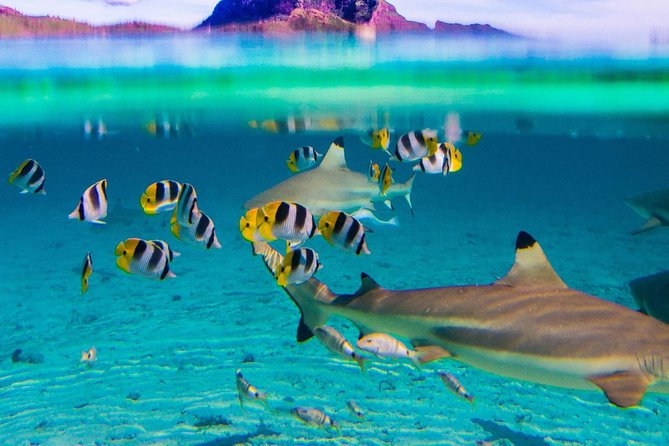
This is ladder entry snorkeling. The tour states everyone must be able to get in and out of the water with a ladder independently. That’s important because it affects how the snorkeling time feels.
Once you’re set, Bora Bora’s lagoon is all about clarity and scale. You’re usually close enough to see reef detail, but far enough to feel like you’re part of the water world instead of just floating at its surface.
Expect the guide to point out what you’re looking at. Several guides named in past tours—like Teri working with Vincent, plus captains such as Matt and Wilson—are described as helping people spot the animals and understand what’s going on in their habitat.
If you’re a first-time snorkeler, this kind of guided, multi-stop layout is also a confidence builder. You get repeated “practice” time across different spots rather than one long swim with no coaching.
Wildlife Ethics: The No-Feeding Approach (And Why You Should Care)
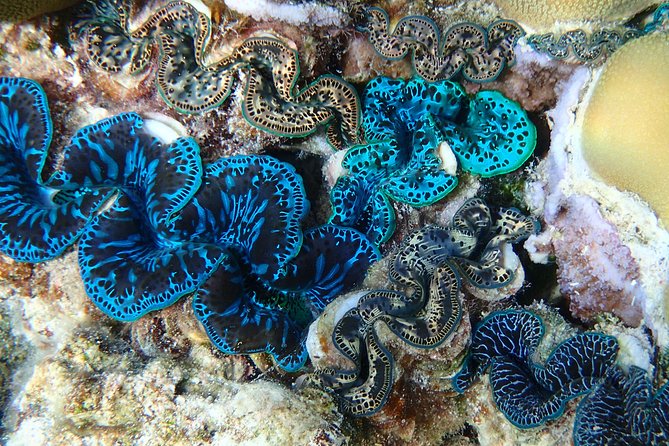
This tour explicitly avoids feeding wildlife and avoids sites where animals are artificially attracted by feeding—especially noting the kind of shallow-water shark and stingray attractions that exist elsewhere. It also points out that shark and ray feeding is illegal in French Polynesia since October 2017, and they say they strictly respect both law and ethical wildlife practices.
For you, that means your experience is more natural and less “staged.” You’re not counting on someone sprinkling food to make a show happen. You’re going where the animals already are, and you’re watching them behave the way they do without human tricks.
The upside is real: you tend to get a more authentic feel. The downside is also real: sightings depend on the lagoon and the animals’ habits that day.
Boat Comfort and Safety: Getting In, Staying Calm, Watching Closely
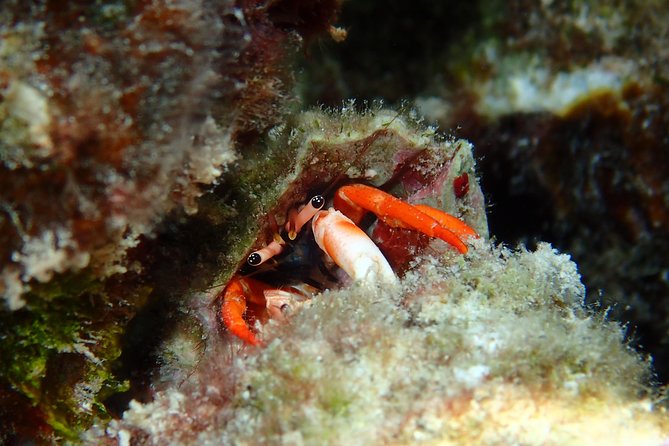
The tour uses a boat from Vaitape and keeps the group small. Reviews highlight a speed boat feel and comfortable craft details, including shade on board. In hot lagoon weather, shade and a cool break between swims makes a noticeable difference.
Safety-wise, the tour emphasizes that travelers must have a moderate physical fitness level and must be able to use the ladder independently. This isn’t about athleticism—it’s about water confidence and basic mobility.
In the water, a good guide matters. Guides named in past trips—Rudolph, Rudy, Winston, and others—are described as attentive to safety and as patient rather than rushing people through each swim.
Weather, Seas, and Sightings: Setting Expectations the Smart Way
This is a weather-dependent activity. If the weather or conditions aren’t right, the tour can be changed to another date or refunded.
On a windy or rainy day, you can still snorkel, but the “wow factor” can shift. One past trip noted manta rays were more difficult to see while the coral garden still delivered a strong experience. Another trip mentioned they tracked rays even when conditions weren’t perfect.
The most honest expectation: you’re booking a chance at manta rays, eagle rays, and reef life, plus a coral garden. You’re not booking a guarantee of every animal every time.
If you’re traveling with a “must see sharks” goal, keep the ethical approach in mind. Natural encounters can be rare, and the tour doesn’t rely on feeding or attraction tactics to manufacture results.
Who Should Book This Tour (And Who Might Look Elsewhere)
This tour is a strong match for:
- Families and nature lovers who want a guided lagoon experience rather than just renting gear and wandering
- People who want multiple snorkeling stops in one morning
- Travelers who care about responsible wildlife viewing and don’t want feeding-based attractions
- Visitors who appreciate a guide that helps you actually see what’s under you
It may not be ideal for:
- Anyone who cannot enter and exit using a ladder
- Senior travelers over 80, since the tour notes it’s not suitable for people aged over 80
- Travelers who need medical clearance beyond what the tour requires. A medical certificate is required for people aged 70+
If you’re older but still comfortable with ladder entry, it’s worth checking the requirements carefully before you go.
Should You Book This Bora Bora Snorkel Tour?
I’d book it if your priority is guided snorkeling with real reef time plus a serious attempt at rays, in a small-group setting. The mix of a coral garden and ray-focused stops is exactly the kind of Bora Bora experience that’s hard to replicate on your own.
I’d think twice if you need a specific animal on the checklist, like guaranteed shark sightings. Nature doesn’t cooperate on command, and this tour is built on ethical, non-feeding encounters rather than attraction tricks.
If you want value that feels “fair” for the price, this one makes sense because you get:
- multiple stops
- pickup help
- small group control
- a guide-led spotting approach
- an ethics-first wildlife policy
FAQ
How long is the snorkeling tour in Bora Bora?
The tour runs for about 3 hours 30 minutes.
How many snorkeling stops will I visit?
You’ll snorkel at 3 or 4 spots in the lagoon. The exact number and locations depend on the day’s conditions.
Do they feed sharks or rays to attract wildlife?
No. The tour states they do not partake in feeding and they avoid sites where animals are artificially attracted by feeding. Shark and ray feeding has been illegal in French Polynesia since October 2017, and the tour says it follows ethical wildlife practices.
Where does the tour start and end?
The tour starts in Vaitape, French Polynesia and ends back at the meeting point in Vaitape.
What’s the maximum group size?
The tour has a maximum of 7 travelers.
Is it suitable for older adults?
People with moderate physical fitness are expected. The tour requires a medical certificate for people aged 70+ and notes it is not suitable for people over 80.