REVIEW · HERMANUS
Hermanus: Whale and Dolphin Watching Boat Trip
Book on GetYourGuide →Operated by Southern Right Charters · Bookable on GetYourGuide
Whales aren’t guaranteed, but the cruise is. This Hermanus trip is built for close sightings along South Africa’s Whale Capital coastline, with a whale specialist guiding you while you sail in search of southern right, humpback, Bryde’s, and dolphins.
I like two things a lot. First, you’re in the hands of a licensed operator that runs a smooth, safety-minded outing. Second, the onboard interpretation makes the sightings feel real—your guide helps you understand whale behavior as it’s happening, and the crew supports you for viewing and photos.
The one catch: sightings can vary, especially late in the season. If the whales don’t show up, you may still have a fantastic dolphin-heavy trip, but don’t plan on guaranteed whale close-ups every day.
In This Review
- Key Things I’d Tell You Before You Go
- Southern Right Charters in Hermanus: What the 2-Hour Cruise Feels Like
- Meeting at the Whale Shack: How the Start Runs
- What You Can See Off Hermanus: Whales, Dolphins, and Season Reality
- On the Water With a Whale Specialist: Learning Without Getting Lecture-Heavy
- Boat Comfort and Crew Care: Why Catamaran Layout Helps You Actually See
- Wildlife Viewing Ethics: Keeping Noise and Stress Low
- Photography, Binoculars, and the Drone Video Choice
- Food and Small Comforts: The “Why It Matters” Stuff
- Price and Value: What $98 Buys You (and What It Doesn’t)
- Weather, Motion Sickness, and What to Wear (So You Enjoy the Scanning)
- Who Should Book This Trip (and Who Might Want Another Option)
- Should You Book This Hermanus Whale and Dolphin Cruise?
Key Things I’d Tell You Before You Go
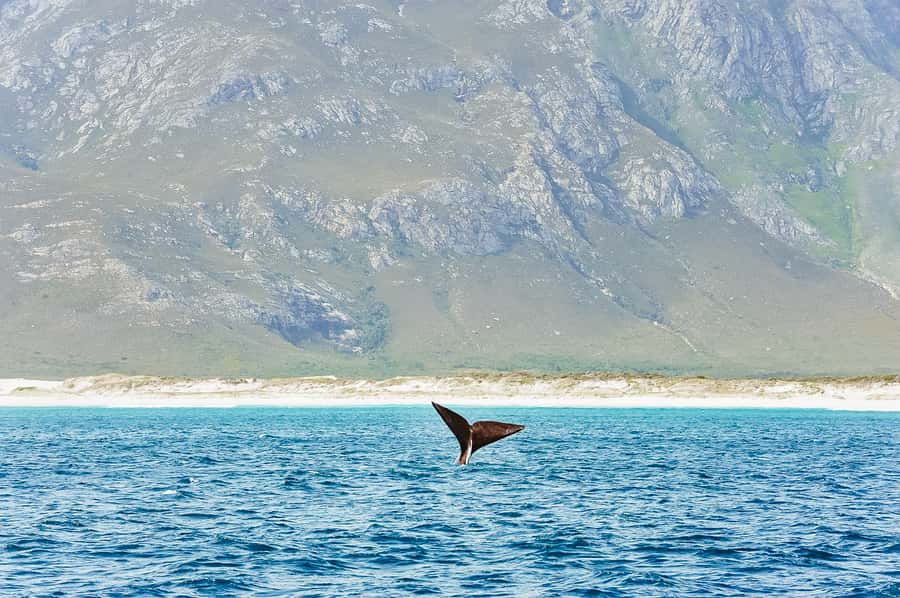
- Purpose-built catamaran comfort: You get stable viewing space on a 2-hour outing designed around marine sighting time.
- Whale specialist talk on the water: You’re not just watching—you’re learning what you’re seeing in real time.
- Close approach, without chasing: The crew aims to give whales room while still getting you good sightlines.
- Dolphins often steal the show: Many trips are rich in dolphins even when whales are harder to find.
- Handy onboard extras: Light refreshments and crisps keep you comfortable while you scan the water.
Southern Right Charters in Hermanus: What the 2-Hour Cruise Feels Like
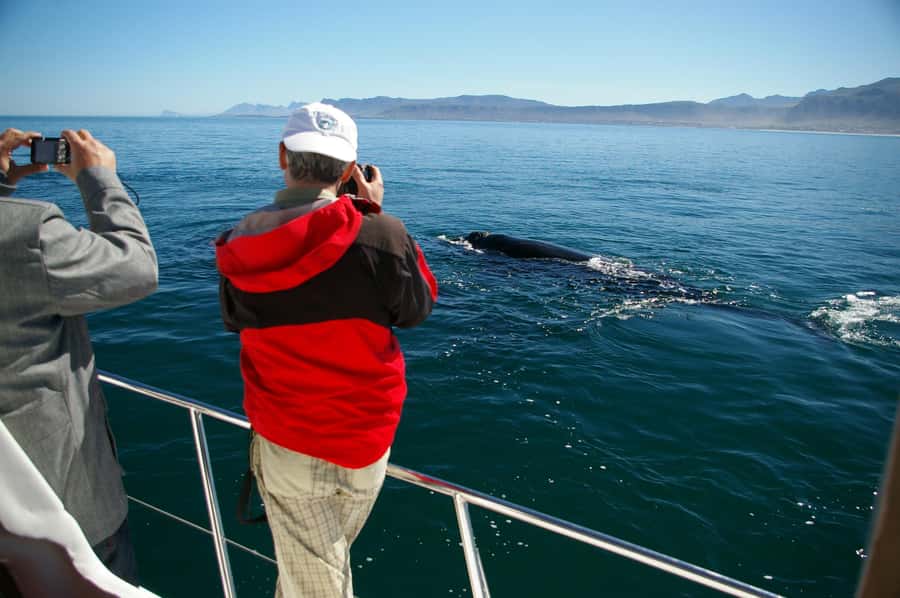
This is a classic Hermanus setup: you sail out with the goal of seeing whales and dolphins, and you do it on a catamaran built for passenger comfort and wide viewing. Two hours sounds short until you’re out there, staring at the water and realizing how much time it takes to find, track, and watch behavior—not just a quick sighting and off you go.
If you’re the kind of person who enjoys being told what matters (and why), this trip has an advantage. The specialist guide interprets what’s around you as you go. That turns random splashes into something you can actually read—breathing patterns, surfacing rhythm, and the way animals move when they’re feeding or traveling.
I’ll also say this plainly: you’ll see better wildlife when you’re calm and attentive. The crew encourages everyone to keep watching and spreads people out so you’re not all trying to stare from the same tiny spot.
Meeting at the Whale Shack: How the Start Runs
Check-in is 30 minutes before departure at the Southern Right Charters welcome center, the Whale Shack, on the lower level of the New Harbour. Arriving early matters because you’ll get settled, get oriented, and avoid any last-minute stress when it’s time to board.
Right from the start, the tone is organized. Based on what people report, there’s usually a small pre-departure comfort moment—coffee, tea, and even treats in some departures—so you don’t feel like you’re walking straight from the parking lot onto a boat in the cold wind.
Once you’re onboard, you’ll get into scan mode fast. The crew and specialist help you locate what they’re tracking, so you’re not just watching blindly for 2 hours.
What You Can See Off Hermanus: Whales, Dolphins, and Season Reality
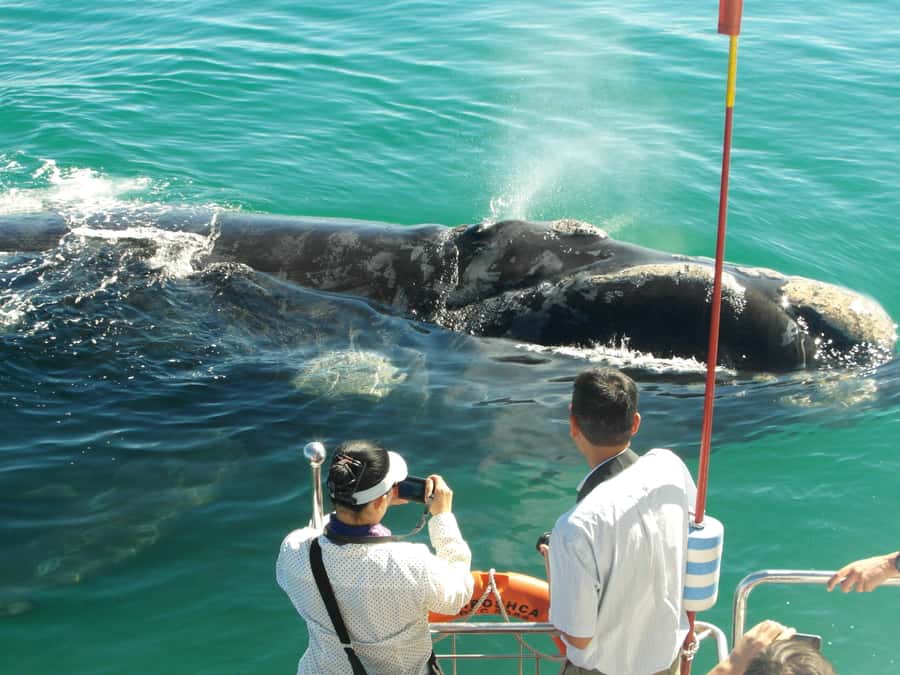
Hermanus is known for whale watching for a reason. Your cruise sails into areas that can receive seasonal visits from southern right and humpback whales, and it also offers year-round chances of Bryde’s whales and dolphins. That means even when conditions aren’t perfect for the headline species, you still have a solid shot at something exciting.
From past departures, dolphins are very often the main event. There are trips where people counted hundreds of dolphins, and one whale appearance was the bonus. You might also spot seals alongside the marine action.
For humpback and southern right whales, timing affects your odds. One key point I’d plan around: the experience can feel more dolphin-forward late in the whale season. You’re still out there in the right place, but it’s smart to treat whales as the prize, not the guarantee.
And if you do score a southern right whale with a calf, pay attention—those moments are usually the most emotional. People describe whales coming close to the boat and even swimming alongside, which is exactly the kind of encounter whale watching in Hermanus is famous for.
On the Water With a Whale Specialist: Learning Without Getting Lecture-Heavy
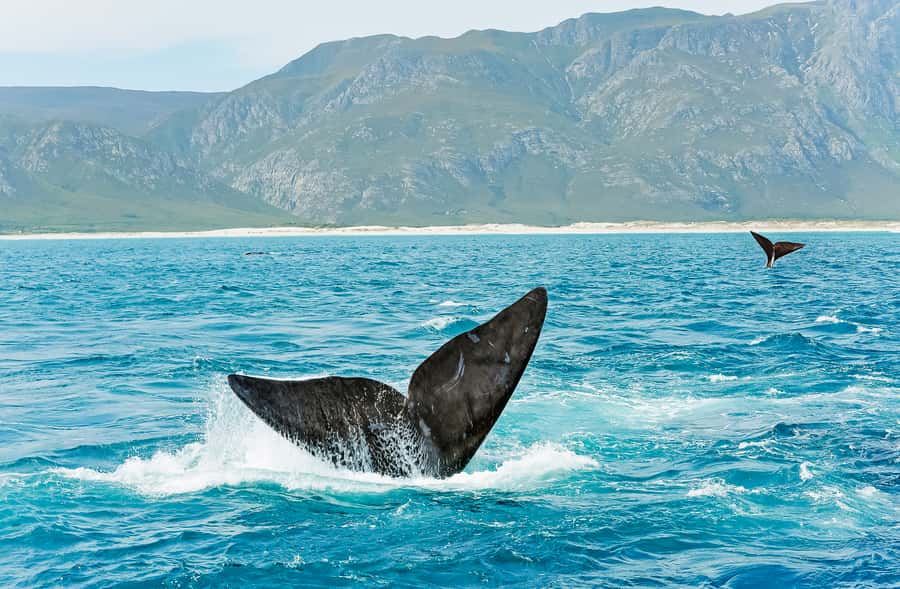
You don’t sit through a classroom lesson. You get interpretation in the moment.
The guide is a whale specialist who reads the behavior of the animals you encounter—so when a whale surfaces, you’re not guessing what you just saw. Guides also explain how to watch: what to track, where to look, and what movements likely mean.
On some departures, you might have guides known by name like Ken, Jacques, Josh, or David—each described as enthusiastic and focused on helping people see well. The most consistent theme: the guide isn’t just reciting facts. They’re actively involved in what the group is doing and watching next.
There’s also a videographer onboard. That matters because the crew isn’t just looking for the whales; they’re capturing the best moments for you afterward.
Boat Comfort and Crew Care: Why Catamaran Layout Helps You Actually See
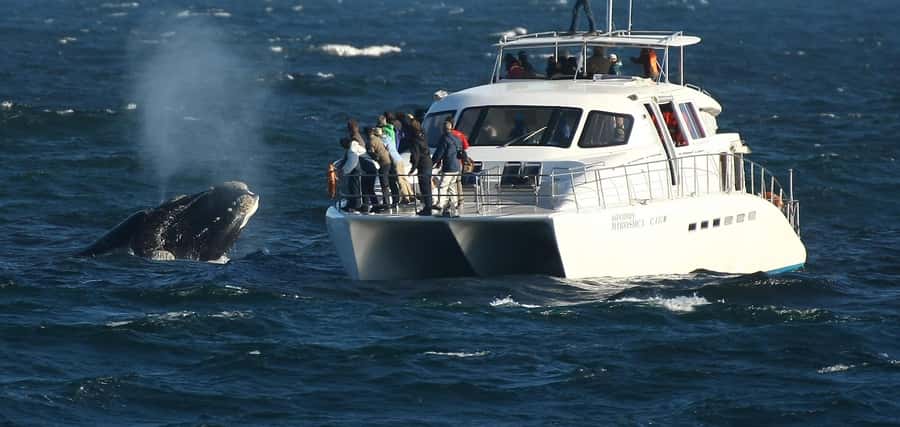
A lot of boat trips fail at the “watching” part because everyone crowds one railing and half the group can’t see. This cruise is designed with passenger viewing in mind, and people report there are plenty of spots to spread out—so it doesn’t feel cramped even when the group is sizable.
The crew also seems to take “everyone can see something” seriously. One person mentioned staff repositioning someone who struggled to stand so they’d still have a clear view. That’s not a small thing. Whale watching is visual. If you can’t see, you don’t get the full experience.
You’ll also notice the crew’s approach to animals. Multiple accounts highlight that they try not to chase whales. They work to keep space, which is better for the wildlife and, in practice, helps you get steadier viewing rather than frantic head-snapping.
Wildlife Viewing Ethics: Keeping Noise and Stress Low
One small behavioral tip that can improve your experience: keep your voice down and follow crew instructions. One person felt the overall noise level could be lower for whale comfort, even while praising how close the animals came.
I’d treat it like a library after the doors close. If whales are approaching, it’s the quiet moments that usually help you notice more detail—timing between breaths, subtle surfacing angles, and the way a pod shifts direction.
Also, don’t rush the moment. When you see activity, give it a minute. Whales and dolphins aren’t on a schedule, and the guide will tell you what to watch next.
Photography, Binoculars, and the Drone Video Choice
You’re going to want photos. The key detail is how to do it without making things difficult for others.
Tripods and binoculars aren’t advised on this trip, which keeps viewing fair and reduces clutter around railings. If you want great shots, bring a camera you can hold steady quickly—monopod-style stabilization is sometimes helpful, but the tripods restriction means you should plan for handheld.
There’s also an option to purchase recorded footage. People mention a drone video of the whole event, available to buy after the trip, and there’s also a movie/short film option for purchase. One traveler felt the drone video price was high, so my practical advice is this: if you care about a professional aerial view, decide in advance if it’s worth it to you, because it’s an extra cost after you’ve already paid for the cruise.
Food and Small Comforts: The “Why It Matters” Stuff
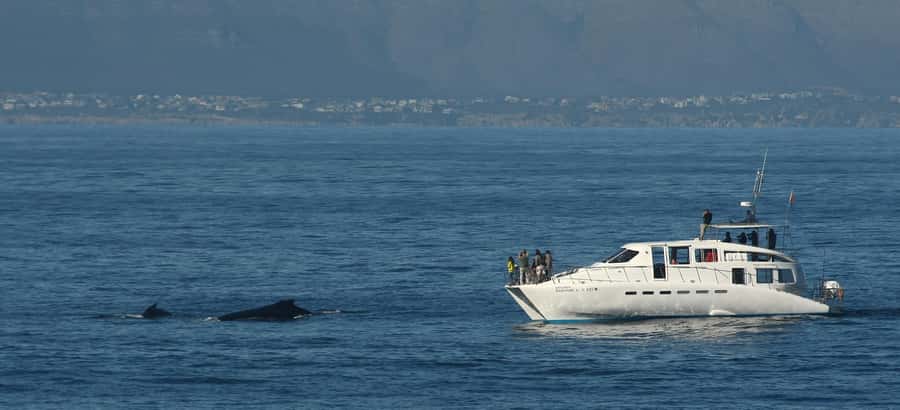
For a 2-hour outing, light refreshments are more than a nice touch. When you’re cold, hungry, or damp, your attention drifts. Here, you’re offered light refreshments plus crisps, and some departures add coffee/tea and even cupcakes before departure, with fizzy drinks later on.
That keeps the vibe upbeat while you’re scanning for spouts and finbacks. It also reduces the “need to leave for a snack” problem that breaks whale watching concentration.
Price and Value: What $98 Buys You (and What It Doesn’t)
At $98 per person, you’re paying for a couple of specific things: time on the water, a purpose-built catamaran, and an onboard specialist interpretation, plus refreshments. The harbor entrance fee is separate (R5 payable upon entry), and you should budget for any optional purchased footage.
Here’s how I’d judge value for you:
- If you want a guide who helps you understand what you’re seeing, the price feels more justified than a bare-bones wildlife cruise.
- If your priority is simply being on the water with a chance of whales, then dolphins-only outcomes may still feel worthwhile in Hermanus—but you should accept that whales vary by day and season.
- If you’re strongly tempted by the drone video/footage, remember that’s a paid add-on, so your total cost can rise after the cruise.
People frequently describe the experience as good value for money, especially when whales come close to the boat. At the same time, there are occasional comments that the whale emphasis can create disappointment if no whales appear that day—so manage expectations and treat dolphins and seals as real possibilities.
Weather, Motion Sickness, and What to Wear (So You Enjoy the Scanning)
This trip is outdoors on open water, so plan for wind and spray. Wear weather-appropriate clothing and bring a windbreaker. Flat, sensible footwear is recommended, because you want stable footing while you lean to look.
If you’re prone to motion sickness, take sea sickness tablets in advance according to the package instructions. This is repeatedly emphasized because seas can get choppy, and even people who love the experience can feel it on the return.
If you’re traveling with infants or toddlers, there’s special guidance: life jackets can be very uncomfortable for babies under 2, and you may want motion sickness syrup for infants, used as strongly advised by the tour’s information.
Who Should Book This Trip (and Who Might Want Another Option)
This cruise is a good fit if you:
- Want a guided whale watching experience with real interpretation, not just a ride.
- Enjoy wildlife and don’t mind scanning the horizon for a while.
- Want the comfort of a catamaran and crew assistance for viewing.
It’s also family-friendly in the sense that all ages are welcome. But there are rules that affect family planning: children under 12 must wear life jackets for the full duration on-board and must stay under adult supervision at all times. No prams are allowed on board.
A key limitation: the vessel is not wheelchair accessible, and wheelchair users are not suitable for this activity. If mobility needs are part of your travel plan, you’ll want to choose a different kind of viewing.
And if you’re hoping to use gear you bring (drones, tripods, personal binocular-heavy setup), check the restrictions. Drones aren’t allowed, and tripods and binoculars aren’t advised for on-board use.
Should You Book This Hermanus Whale and Dolphin Cruise?
I’d book it if Hermanus is on your Western Cape list and you want the best mix of chance, comfort, and explanation. The biggest reasons to say yes are the onboard whale specialist interpretation, the crew’s approach to getting you viewing space, and the reality that dolphins are often plentiful even when whale sightings vary.
I would think twice if you need guaranteed whale sightings every day. Even with a licensed operator and strong local spotting skills, wildlife doesn’t follow a timetable, and late-season outings can be more dolphin-focused.
If you go, do three things and you’ll stack the odds in your favor: come early enough to settle in, dress for wind and movement, and take motion sickness precautions if you’ve ever felt sea-sick before. Manage expectations, keep your voice low, and let the specialist do the work of turning what you see into something you truly understand.