REVIEW · HOI AN
Hoi An: Bay Mau Eco Cooking Tour
Book on Viator →Operated by Bay Mau Eco Cooking Tour · Bookable on Viator
If you like food with real technique, this tour hits. You’ll cook in Cam Thanh village, then pair that work with a slow boat ride through Bay Mau coconut forest.
I especially like the door-to-door comfort in Hoi An, plus the fact that the class teaches the tools and processes, not just recipes. You also get a market stop where your guide helps you pick the herbs and spices that actually make Vietnamese flavors click.
One consideration: the day moves fast because it stacks market time, cooking, and the basket-boat ride into a single half-day. If you want a long, leisurely pace (or you’re not into boat portions), it may feel a bit rushed.
In This Review
- Key highlights you’ll feel right away
- Why Cam Thanh feels more local than a cooking class in town
- Door-to-door timing: the 8:20 pickup and 1:00 return
- Stop 1: the local market where you learn what the dish is really built from
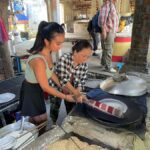
- The hands-on cooking class: pounding rice, grinding for rice milk, and making rice paper
- Why the basket boat through Bay Mau Coconut Forest is more than just scenery
- Your lunch or dinner: the payoff of eating what you cooked
- What you’re really paying for: value at $35 per person
- Who should book this tour (and who might skip it)
- Practical tips to make your half-day smoother
- Should you book Hoi An Bay Mau Eco Cooking Tour?
- FAQ
- What is included in the Bay Mau Eco Cooking Tour?
- Is hotel pickup and drop-off included?
- How long is the tour?
- What does the itinerary include?
- Do I eat what I cook?
- Is this a private tour?
- What if the weather is bad?
Key highlights you’ll feel right away
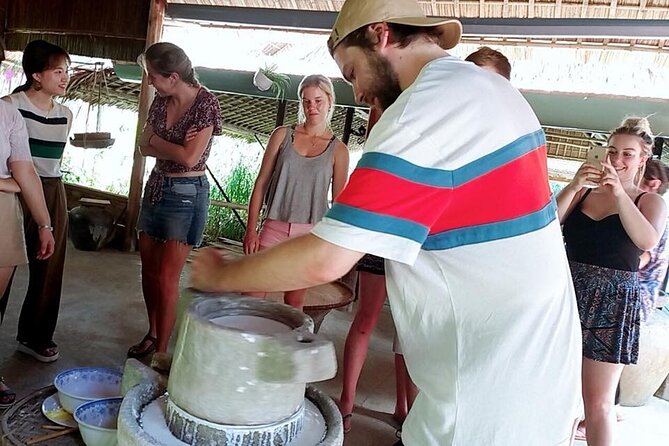
- Market picking with an English-speaking guide so you understand what goes into Vietnamese cooking
- Pounding and separating rice using traditional tools, then grinding rice for rice milk
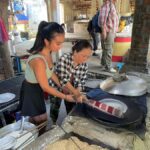
- Making rice paper with the same basic equipment you see in local kitchens
- Basket boat through Bay Mau coconut forest (Cam Thanh) for a scenic, hands-on nature break
- Lunch or dinner included because you eat what you helped prepare
- Private tour for your group with hotel pickup and drop-off in central Hoi An
Why Cam Thanh feels more local than a cooking class in town
Hoi An can be a traffic-free postcard if you stick to the old streets. But Cam Thanh is where the day turns into something more practical and grounded. You’re working with rice and herbs, then you’re seeing the coconut-water world that surrounds the village.
This tour’s strength is the sequence: market first, then food craft, then the Bay Mau coconut forest ride. That order matters because it makes the ingredients feel connected to the landscape and the cooking steps.
You’re not just watching someone cook. You’re learning the logic behind the food, including the tools people use every day.
You can also read our reviews of more tours and experiences in Hoi An.

Door-to-door timing: the 8:20 pickup and 1:00 return
Your day starts with pickup from a central Hoi An hotel around 8:20am. From there, you’ll head to a local market, then continue on to Cam Thanh Coconut village for the cooking and basket-boat portion.
The whole experience runs about 4 hours 40 minutes and ends with a return to your hotel around 1:00 pm. That timing is a big part of the value if you want one strong half-day without eating up your whole schedule.
It also helps you avoid the usual hassle of coordinating rides between old-town hotels and countryside villages. Still, one thing to keep in mind: you’re dependent on the day’s schedule and weather, since the experience requires good conditions.
Stop 1: the local market where you learn what the dish is really built from
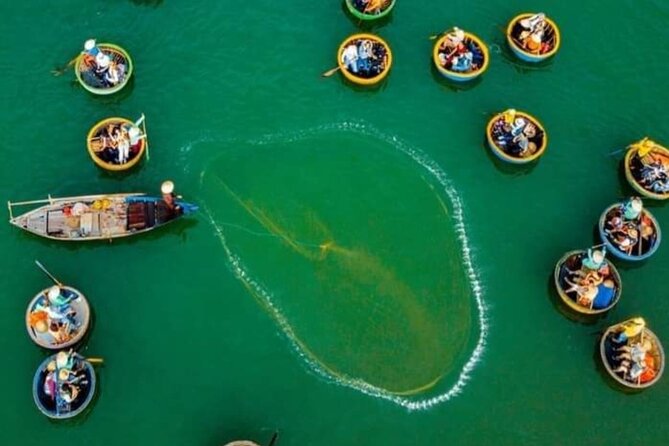
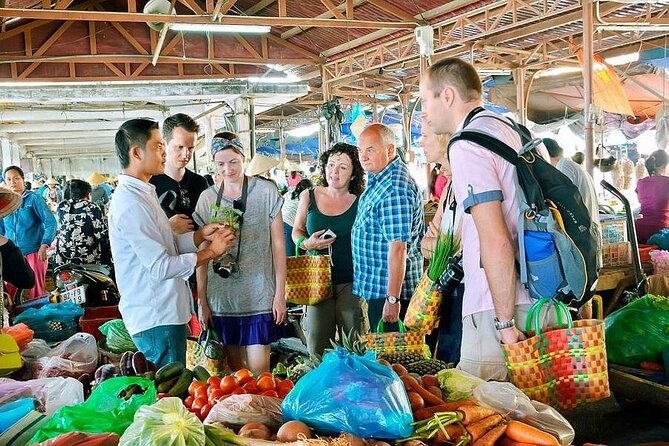
The market part is one of the most useful segments of the day, because it teaches you how Vietnamese cooking starts. Your guide takes you to choose fresh ingredients, and they explain the main components you’ll see again and again in Vietnamese flavors.
This is where you get beyond the idea of a generic Vietnamese dish. You learn what herbs and spices do, and why the ingredients you choose matter once you’re standing at the cooking station.
In the reviews, guides come up as a key reason people feel confident in what they’re doing. You may meet an instructor such as Trang, who’s described as kind and well-organized, or Ly and Huong, who are praised for being sweet and supportive during the class.
Tip for getting the most out of this stop: don’t treat it like a photo break. Ask quick questions about what you’re seeing—your guide will connect those choices to the cooking steps later.
The hands-on cooking class: pounding rice, grinding for rice milk, and making rice paper
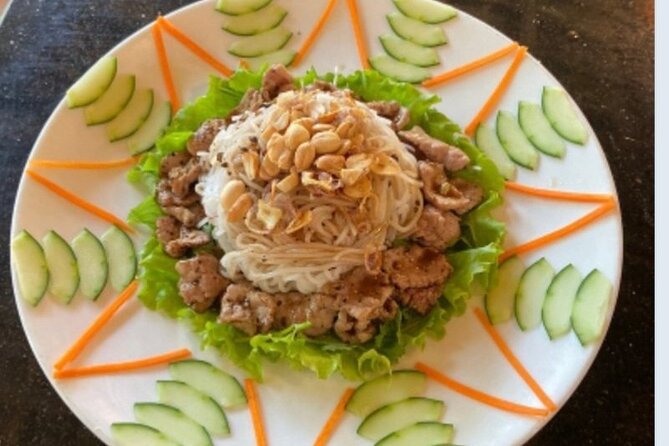
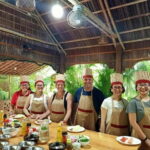
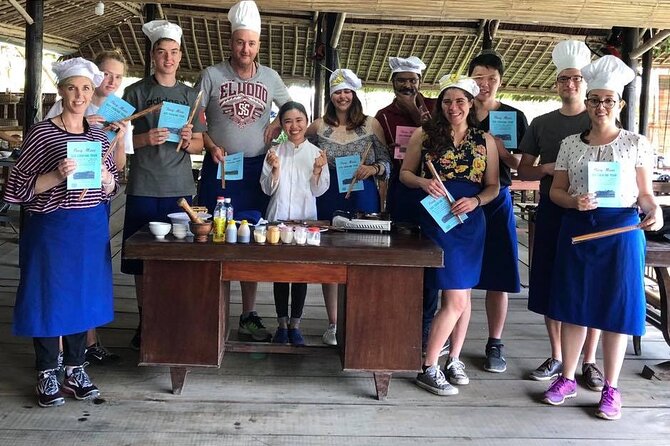
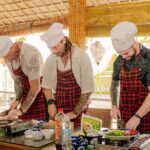
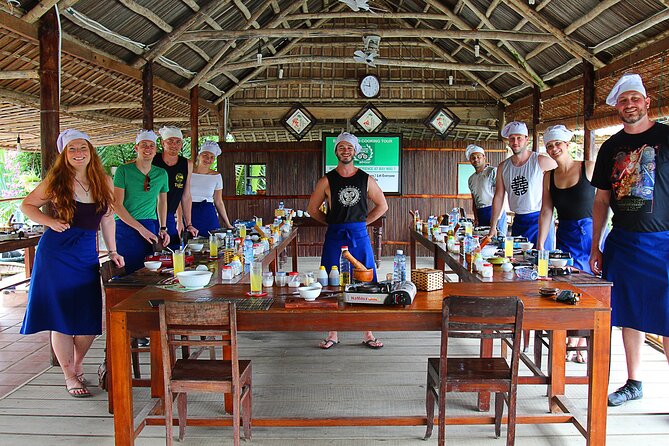
Once you’re in Cam Thanh Coconut village, the cooking class becomes the heart of the tour. This is not a “copy this recipe” lesson. It’s a technique-focused session where you use traditional tools and repeat steps until you understand what they change.
You’ll learn several core processes:
- Pounding and separating rice
- Grinding rice to make rice milk
- Making rice paper using traditional methods and equipment
The tools themselves are part of the education. Expect to work with a stone mortar and grinder and a wooden pestle style setup. Using this kind of equipment changes your sense of the food. It forces you to notice texture, timing, and effort—like how coarse or smooth a paste becomes when you keep going.
That’s why this tour feels different from cooking classes that only cover chopping and heat. Rice-based Vietnamese foods aren’t just “ingredients.” They’re processes, and this class puts you right in the middle of them.
Also, pacing matters here. One review note pointed out the cooking portion can feel rushed because the day packs in multiple activities. The upside is that the class still covers a lot; the downside is you might not get to linger as long on each step as you would in a slower, longer workshop.
If you’re the type who loves hands-on work but hates feeling rushed, I’d treat this as an energetic half-day—less “slow craft,” more “learn a lot, do a lot, eat what you made.”
Why the basket boat through Bay Mau Coconut Forest is more than just scenery
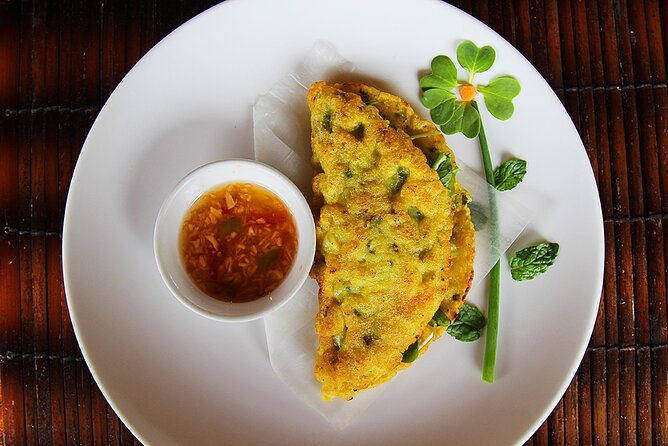
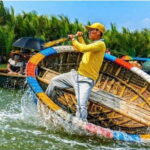
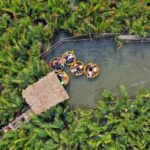
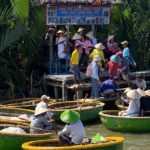
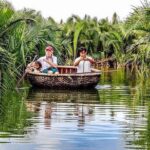
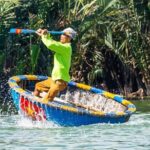
After the cooking work, you switch modes. You head to the Bay Mau Coconut Forest—also described as a water coconut forest in the Cam Thanh area—and explore by basket boat (often described as a coracle-style experience).
This part gives your body a break from standing and grinding, and it gives your mind a different kind of Vietnam education: how daily life connects to water, coconuts, and narrow passages.
The reviews are mixed on the ride’s wow factor, but not on the fact that it’s memorable. One person felt the boat portion was a little disappointing because the route seemed to run underneath an overpass. That doesn’t mean it will be the same for you, but it does suggest that the experience can vary depending on the route and conditions.
So here’s how I’d frame it: view the basket-boat ride as a cultural nature moment, not a cinematic fantasy. If you go in expecting hands-on “getting out there” more than a long scenic cruise, you’ll likely enjoy it more.

Your lunch or dinner: the payoff of eating what you cooked
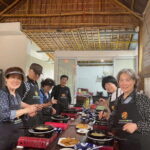
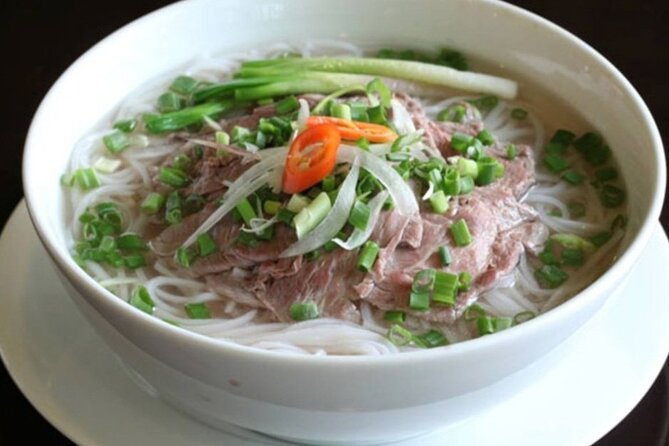
One of the simplest pleasures of this tour is also one of the most important: you eat what you help make. You’ll have lunch or dinner included, plus a bottle of water.
That matters because it closes the loop. You taste what those rice steps and ingredient choices created. It’s one thing to learn technique; it’s another to understand how it shows up on your plate.
And in a food workshop, eating matters more than the cooking itself. If the meals are good (and the reviews strongly suggest they are), you leave with a lasting memory that you can recreate at home.
A practical expectation: your meal quality depends on the session and timing, but this tour is structured so you’re not waiting around for hours. You cook, you feast, you get back to your hotel.
What you’re really paying for: value at $35 per person
At $35 per person, this tour is priced like a “serious value” option in Hoi An. But the math isn’t just the boat and the meal—it’s the workshop component.
You’re getting:
- An English-speaking guide
- Hotel pickup and drop-off (Hoi An only)
- Market ingredient selection and explanations
- Hands-on instruction with traditional tools
- Basket boat time
- Lunch or dinner plus water
Many cheaper tours in Vietnam give you a quick cooking demo and a stop at a market that feels like a detour. Here, the market and the cooking are linked. You pick ingredients, then you use them in a class that covers rice pounding, rice milk grinding, and rice paper making.
The private-tour setup is also part of the value. It’s not just about comfort—having your group stay together helps you move through the steps without feeling like you’re constantly waiting your turn.
The only “cost” here is mental energy. This is an active half-day: you’ll cook with your hands, then get on a boat, then eat what you made. If you’re on vacation mode where you want long downtime, you might prefer a slower food tour.
Who should book this tour (and who might skip it)
This is a strong match for you if:
- You want hands-on cooking, not just watching
- You like Vietnamese ingredients and want to understand what they do
- You enjoy combining food craft with a village and nature visit
- You’d rather have pickup/drop-off than wrangle transport
You might reconsider if:
- You dislike boat rides or feel uneasy about short, moving water segments
- You want an unhurried cooking class with lots of time to practice one thing
- You’re sensitive to a schedule that packs multiple activities into a single half-day
One more note from the reviews: while most guide comments are very positive, at least one person mentioned the boat driver seemed to put pressure on them (the details were cut off, but the theme was clear). If you’re the type who hates sales pressure on outings, just be ready to keep things simple and stick to the tour plan.
Practical tips to make your half-day smoother
A few smart moves can help:
- Arrive at pickup early-ish. You’re starting around 8:20am, and the car timing is part of the experience.
- Bring a basic attitude of participation. The tour works best when you’re willing to get your hands involved with rice and tools.
- Take notes on the ingredients you chose at the market. Even if you don’t cook at home right away, it helps you remember what to look for later.
- Expect some bustle. This is private for your group, but the itinerary is packed, so you’ll move through stops without long gaps.
Also, because the experience requires good weather, keep flexibility in your schedule. If conditions aren’t ideal, you may be offered a different date or a refund.
Should you book Hoi An Bay Mau Eco Cooking Tour?
If you want a meaningful cooking class in Hoi An—one that teaches rice technique and Vietnamese ingredient logic—this is an easy yes. For $35, you get more than a meal: you get market education, hands-on rice craft, a basket-boat ride in Cam Thanh, and food you actually eat right after making it.
If you’re a slow-and-steady traveler who hates feeling rushed, I’d still consider it, but go in expecting an energetic half-day. The pacing can be fast, and the boat portion may feel less “tour highlight” than the cooking for some people.
Overall, this tour is best for you if your goal is competence in Vietnamese cooking basics—especially rice-based skills—paired with a real village day outside the old town.
FAQ
What is included in the Bay Mau Eco Cooking Tour?
The tour includes an English-speaking guide, free car pickup and drop-off from hotels in Hoi An, a basket boat to explore the water coconut forest, a cooking class, lunch or dinner, and a bottle of water.
Is hotel pickup and drop-off included?
Yes. Pickup and drop-off are included for hotels in central Hoi An.
How long is the tour?
The tour runs about 4 hours 40 minutes (approx.).
What does the itinerary include?
It includes a market stop to choose ingredients, a visit to the Cam Thanh area, a basket boat ride in the Bay Mau coconut forest, and a cooking class where you make dishes using traditional tools. You then return to your hotel.
Do I eat what I cook?
Yes. Lunch or dinner is included, and it’s described as a feast of the dishes you prepare yourself.
Is this a private tour?
Yes. It’s listed as a private tour/activity, and only your group participates.
What if the weather is bad?
The experience requires good weather. If it’s canceled due to poor weather, you’ll be offered a different date or a full refund.