REVIEW · ISAFJORDUR
Ísafjörður: Westfjords Whale Watching Boat Tour
Book on GetYourGuide →Operated by Sjóferðir ehf. · Bookable on GetYourGuide
Whales in the Westfjords feel real and close. This Ísafjörður whale watching boat tour takes you out into icy fjords with the chance to spot humpback whales in their natural habitat, backed by rugged mountain-and-coast views that make the whole outing feel like an expedition.
What I like most is the combo of wildlife time and real learning: the live guide (often Tom, described as a marine biologist) helps you understand behavior, spot key differences, and watch in a way that keeps whales calm. You also get practical comfort for Iceland’s mood swings, including onboard toilets and indoor seating when the weather turns. One drawback: if you’re prone to seasickness, a fjord day can be rough, and this tour isn’t recommended for you.
In This Review
- Key things that make this whale tour worth your time
- Where Ísafjörður fits into Westfjords whale season
- The boat experience: warm gear, indoor space, and the comfort details
- The core of the trip: leaving harbor and reading the fjord
- Humpback whales: what you should realistically expect
- The bonus sightings: minke, orcas, dolphins, and seabirds
- Your guide’s job: turning sightings into something you can understand
- Safety and comfort when conditions get choppy
- Photo tips that actually work in Iceland’s whale-watching weather
- Price and value: what $115 buys you in Westfjords whale time
- Who this tour suits best (and who should choose another plan)
- A few practical realities to plan around
- Should you book the Ísafjörður Westfjords whale watching tour?
- FAQ
- How long is the Ísafjörður whale watching tour?
- How much does it cost?
- Is the tour guide English-speaking?
- Will there be onboard toilets?
- What animals might we see besides humpback whales?
- Is this tour suitable if I get seasick easily?
- What’s the cancellation policy?
Key things that make this whale tour worth your time
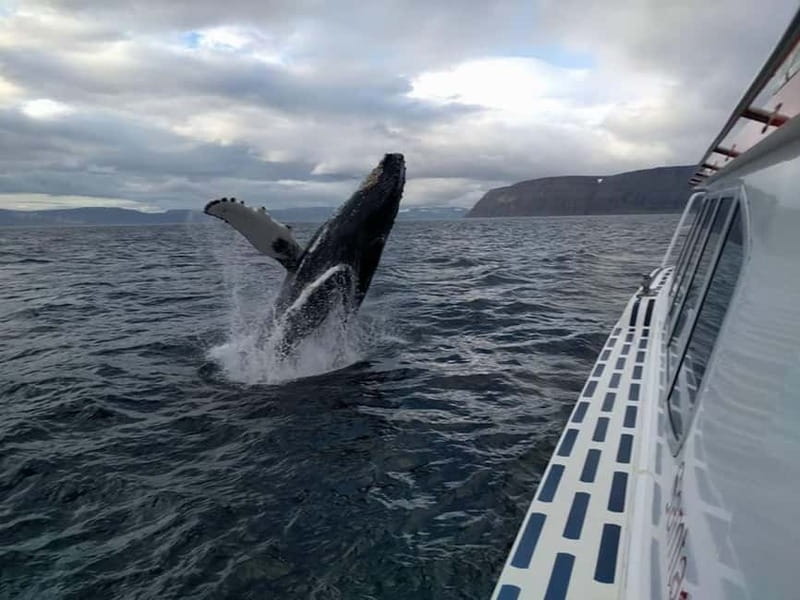
- Humpbacks are the star: you’re set up for close, long looks when sightings happen
- A real guide helps you see more: Tom-style whale talk turns sightings into something you can track
- Fjord scenery is part of the show: snow-capped mountains and glistening water frame the whole trip
- You might get extra species: minke whales, orcas, and dolphins are possible on some outings
- Comfort beats chaos: onboard toilets and a boat built for cold weather keep things sane
- Ethical watching matters: the approach described focuses on giving whales space rather than crowding them
Where Ísafjörður fits into Westfjords whale season
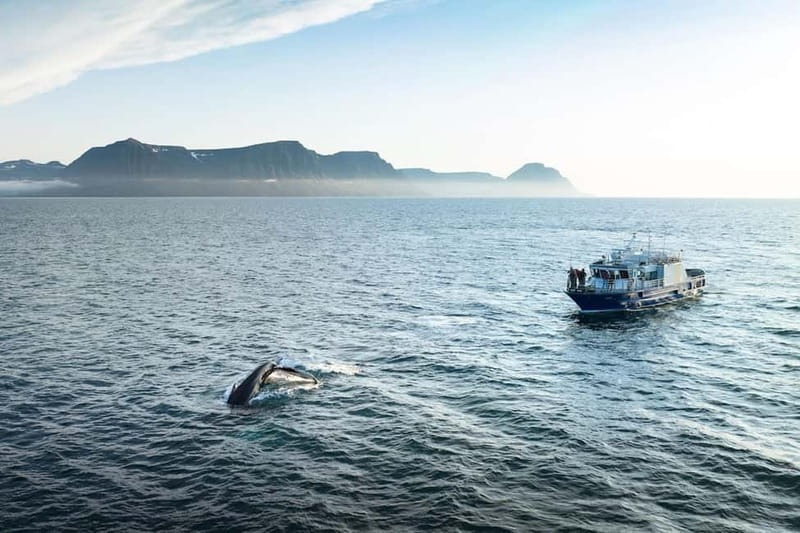
Ísafjörður sits like a basecamp on Iceland’s Westfjords edge. That matters because whale watching isn’t just about “finding whales” in general—it’s about being in the right fjords, at the right time, with the right kind of tracking. A 3-hour tour may not sound long, but in whale country it’s often the right length to get out, wait, sight, and still enjoy the scenery without rushing.
The timing also affects your expectations. On a good day, you’ll see humpbacks quickly and then spend most of the cruise following their movements. On a slower day, the crew still has enough time to reposition and give the search room to work. Either way, you’re not stuck staring at nothing for hours.
The boat experience: warm gear, indoor space, and the comfort details
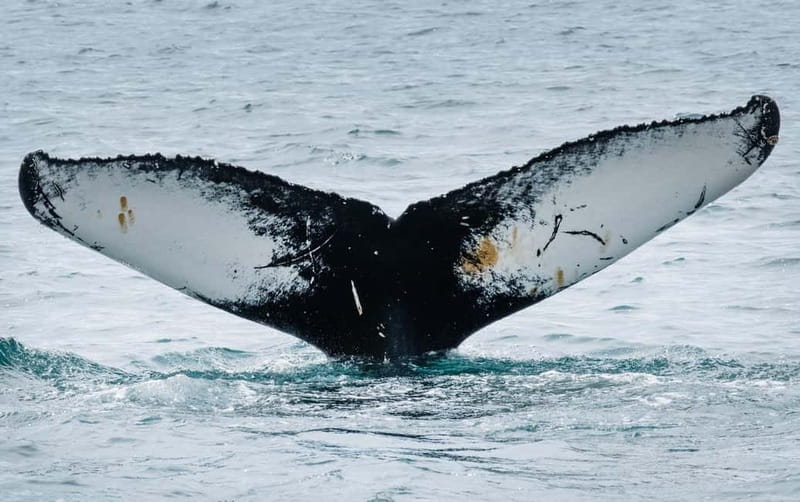
Cold isn’t a concept here—it’s part of the schedule. You’ll want warm layers from the start, not halfway through when you finally feel it in your fingers. Comfortable shoes help too, because you’ll be moving around on a boat deck when you’re trying to get a clear view.
Bring a camera, and then bring a plan for handling weather:
- A waterproof camera or a waterproof case for your regular camera saves frustration.
- A lens cloth or small towel helps with salt spray and mist.
One big practical plus: the boat has onboard toilets. That sounds small until you’re out on open water with cold air and you realize how much more relaxed you can be when you don’t have to “hold it.”
Also, plan for rain or wind. Even if the day starts calm, conditions can change. Reviews note indoor space and seating, which is exactly what you want when the sky decides to unload.
The core of the trip: leaving harbor and reading the fjord
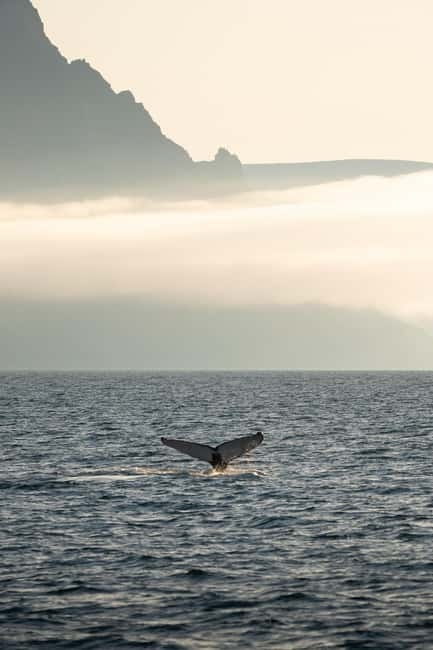
Once you head out from Ísafjörður, the tour becomes a mix of cruising and scanning. You glide away from the harbor into fjord water that can look almost glassy in some conditions. Even when it’s not, the captain is focused on positioning the boat for the next sighting.
Here’s what I think you should watch for as you go:
- Seabirds circling overhead can be an early clue that there’s activity below.
- When whales surface, you’ll see clear patterns—blows, body turns, and movement directions—before you ever get close.
This is where a good guide makes a difference. A live guide isn’t just narrating scenery; they’re helping you interpret what you’re seeing in the water. And when you can identify behavior, the “same whale” becomes a series of moments instead of one brief splash.
Humpback whales: what you should realistically expect
Humpbacks are the headline here. The info shared for recent seasons notes that in 2023 there was a 100% chance of seeing humpback whales. That doesn’t mean every day is identical—whales are still whales—but it does tell you this operation is built around real sightings, not hope.
When the humpbacks are around, the range can be impressive. Some days include multiple groups, and on certain outings you can see plenty of behavior: surfacing close enough for clear views, whales swimming alongside the boat, and in a few cases even breaches. One review talked about a group of around 30 humpbacks, including two breaches. That kind of day doesn’t happen every hour, but it shows what’s possible in these fjords.
Important expectation-setting:
- Humpbacks may not behave like movies. They often feed and travel with a slower rhythm.
- You’ll get the best experience when you’re patient and let the crew do the work.
The bonus sightings: minke, orcas, dolphins, and seabirds
Humpbacks might be the main act, but the Westfjords can surprise you. The tour description says you might also spot minke whales, orcas, and dolphins. That’s not a promise, but it’s a realistic possibility depending on where pods are moving and what the day’s food sources look like.
You might also see other ocean life around the same time. One review noted puffins along with whale sightings. Even if puffins aren’t the focus of the tour, seabirds are part of the day’s rhythm—overhead, around the boat, and often when the water is active.
This is also why I like the 3-hour format. If you only have a short time, you can miss the chance for “second act” sightings. With a longer window, the crew can adjust and follow activity instead of giving up too soon.
Your guide’s job: turning sightings into something you can understand
The tours’ reputation is tied to the people onboard. Many reviews mention Tom by name, with notes that he’s a marine biologist. That matters because whale watching becomes more satisfying when you can tell what you’re looking at.
Here are the kinds of details that show up in the guide’s style:
- How to distinguish whales by features and behavior
- Names of individual humpbacks on some trips
- Explanations of how these animals live and what their movements mean
- A strong focus on ethical watching—keeping distance and not disrupting the whales
The ethical part isn’t just feel-good language. It changes how the whales behave around the boat. If you crowd them, you get stress. If you give them space, you may get longer, calmer surface time—better for you and better for them.
One review emphasized that the whales were observed immersed for long stretches, which is exactly what you should expect from a well-run operation. You’re not trying to force dramatic moments. You’re there to witness real behavior.
Safety and comfort when conditions get choppy
Fjords can get rough even when the sky looks decent. A captain has to balance the thrill of open-water wildlife with keeping everyone safe. Reviews include notes about the captain being careful in choppy conditions and making sure passengers were protected.
If you’re watching from the deck, hold onto your gear. Cold + wind + spray can make things slippery. Wear layers that don’t restrict movement, and keep your hands warm so you can enjoy the moment instead of thinking about numb fingers.
Most importantly: this tour isn’t suitable for people prone to seasickness. If you know you get queasy on boats, don’t gamble with your comfort. Pick a different Westfjords activity that keeps you on solid ground.
Photo tips that actually work in Iceland’s whale-watching weather
You can get great shots here, but only if you plan for water and light. Overcast skies and mist can flatten contrast, while spray can blur images fast.
Here’s how to set yourself up:
- Use waterproof protection for your camera.
- Keep your camera ready when whales are near the surface; don’t wait for the perfect second.
- Expect action that’s vertical (blow and body surfacing) and horizontal (long swims alongside the boat).
Also, listen to your guide. When they point out what you’re seeing, you shoot better. You’re not just reacting to random movement—you’re anticipating the next moment based on behavior.
Price and value: what $115 buys you in Westfjords whale time
At about $115 per person for a 3-hour outing, you’re paying for two things that are expensive in Iceland: a boat, and specialized work to track wildlife. Whale watching isn’t like a museum where the main cost is staff. Here, fuel, weather decisions, and real-time repositioning are part of the bill.
So the question becomes value-for-what: not the “cost per hour,” but cost for the odds of real sightings plus the quality of interpretation. Reviews strongly emphasize frequent humpback encounters and the guide’s ability to explain what you’re seeing. That’s the value you want—more than a checklist of species.
Another value signal: onboard facilities and comfort details like toilets, plus indoor seating when you need it. You’re not just paying for the boat; you’re paying to make the time on the water bearable in cold weather.
Who this tour suits best (and who should choose another plan)
This is ideal for:
- People who want humpback-focused whale watching, not just a brief “maybe we’ll see something” cruise
- Anyone who loves learning—especially behavior, identification, and marine ecology
- Families and groups who want a guided experience rather than a passive ride
It’s not ideal for:
- Anyone prone to seasickness
- People who want a fully predictable itinerary. Whales move. The captain follows.
One small but memorable detail from a review: a captain reportedly invited a child to steer the boat. If you’re traveling with kids, that kind of involvement can make the day feel special beyond the whales.
A few practical realities to plan around
First: weather. Even in months when conditions can be bright, it can still be cold. Dress for wind and wet, not just for “temperature on land.”
Second: timing expectations. One review mentioned the tour felt slightly shorter than expected. That doesn’t mean it’s a bad tour; it does mean you should plan your day with enough flexibility around the departure and return windows.
Third: what you’re buying is time on the water, not a guaranteed number of whales. The operation is clearly set up for strong odds (like the 2023 humpback figure), and many days deliver multiple sightings, but you should still treat the day as wildlife-first.
Should you book the Ísafjörður Westfjords whale watching tour?
Yes, if you’re going to the Westfjords and you want one standout wildlife outing with real interpretation. The combination of frequent humpback sightings, a live English guide (often Tom), and practical comfort like onboard toilets makes this a strong pick for the money.
Book it especially if:
- You care about understanding the whales you see, not just spotting them
- You’re willing to dress warm and wait patiently
- You want an operation that focuses on ethical watching
Skip it if:
- Seasickness is a known issue for you
- You can’t handle cold wet wind on a boat deck (even with indoor seating available)
If you’re on the fence, the deciding factor is simple: you came to Ísafjörður for whales. This tour is built around that goal, with enough structure and expertise to make the time count.
FAQ
How long is the Ísafjörður whale watching tour?
It runs for 3 hours.
How much does it cost?
The price listed is $115 per person.
Is the tour guide English-speaking?
Yes. The live tour guide is English.
Will there be onboard toilets?
Yes, the boat includes onboard toilets.
What animals might we see besides humpback whales?
The tour may also include minke whales, orcas, and dolphins, depending on sightings that day.
Is this tour suitable if I get seasick easily?
No. It’s not suitable for people prone to seasickness.
What’s the cancellation policy?
You can cancel up to 24 hours in advance for a full refund.