REVIEW · LISBON
Lisbon: Dolphin Watching with Marine Biologist – Small Group
Book on GetYourGuide →Operated by Terra Incógnita · Bookable on GetYourGuide
Dolphins near Lisbon feel unreal. This 3-hour ride puts you on the Tagus River and out to sea with a marine biologist onboard, so you’re not just looking for sea life—you’re learning how to spot it and why it matters. I also love the mix of science plus real wild-animal time, meaning slow, respectful viewing when dolphins show up.
I like the way the experience starts at the Mercedes-Benz Oceanic Lounge at Doca de Santo Amaro. You get a calm pre-ride setup with restrooms, a short safety briefing, and a chance to warm up with coffee before you step onto the boat.
One thing to plan for: dolphins are wild, so sightings are not guaranteed and wind can make the ride feel rough. If you’re prone to motion sickness or have mobility/medical limits, this tour has some clear do-not-fit categories.
In This Review
- Key things that make this dolphin tour worth your attention
- Setting Off From the Oceanic Lounge (and why that matters)
- From Dock to Open Sea: What the 3-Hour Experience Feels Like
- How dolphin searching works in practice
- What you might see besides dolphins
- Tagus River to the Sea: Your Most Likely Dolphin-Spotting Window
- Photo Stops: Fort of São Lourenço do Bugio and the Cascais Area
- Marine Biologist Onboard: Turning Sightings Into Real Learning
- The Conservation Angle: What Your Ticket Supports
- Comfort, Wind, and Seasickness: Your Survival Kit for This Ride
- If you get motion sickness
- Price and Value: Is $61 a Fair Deal?
- Who This Tour Is Best For (and who should skip it)
- Should You Book This Dolphin Watching Tour?
- FAQ
- Where is the meeting point?
- How long is the tour?
- What does the tour include?
- Is food and drinks included?
- What languages is the live guide available in?
- Do I need to bring a windbreaker?
- Are dolphins guaranteed?
- What is the best way to reduce seasickness?
- What am I not allowed to do on the boat?
- Who is this not suitable for?
Key things that make this dolphin tour worth your attention
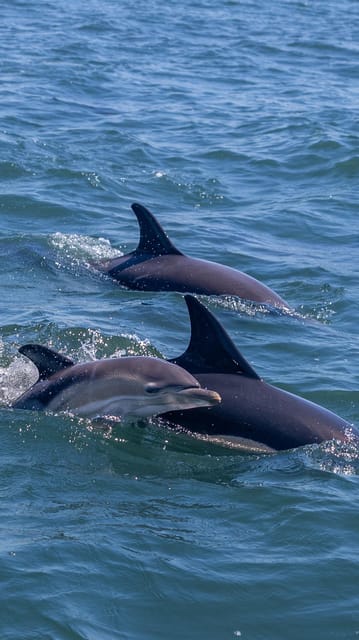
- Marine biologist-led spotting, with a plan for when dolphins are harder to find
- Conservation connection, including real-time cetacean monitoring linked to Oceanário de Lisboa
- Comfort-first start at the Oceanic Lounge, including restrooms and a proper safety briefing
- Best viewing etiquette, staying with pods at a slow pace so you do not stress the animals
- Big Lisbon-from-the-water views, plus photo stops near São Lourenço do Bugio and toward Cascais
Setting Off From the Oceanic Lounge (and why that matters)
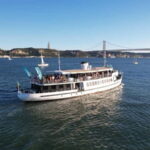
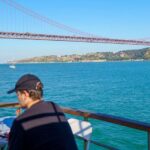
Your tour begins at the Mercedes-Benz Oceanic Lounge at Doca de Santo Amaro, Armazém 17, right below the 25 de Abril bridge. I like this kind of start because it feels organized without being sterile. You can settle in, use the restroom, and get the safety basics out of the way before the engine noise and sea spray kick in.
You’ll also be given what you need for comfort at sea: life jackets are provided, and you should dress for wind. Even if Lisbon looks sunny from shore, water conditions can change fast. Several people mention the wind being a real factor, and it’s easy to see why once you’re moving across open water.
The lounge setup is also a small but meaningful value add. You’re not stuck standing outside. You’re not scrambling to find a bathroom. You’re ready.
You can also read our reviews of more tours and experiences in Lisbon.

From Dock to Open Sea: What the 3-Hour Experience Feels Like
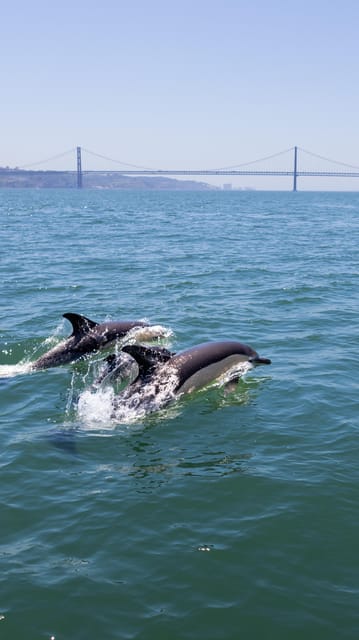
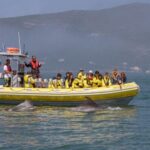
Once you board, the trip quickly shifts from city-mode to ocean-mode. The vessel runs out along the Tagus, with time for wildlife watching along the way. The schedule is built around searching—because dolphins don’t show up on a clock.
A key detail: you’re not just scanning with the naked eye. The marine biologist on board gives you context—what you’re looking for and what dolphin behavior can mean. That turns the whole experience from guessing into actual wildlife spotting.
How dolphin searching works in practice
When sightings are slow at the start, the crew can actively work the situation. Some departures use radar-style searching and coordinate with other boats, which helps them narrow down where dolphins might be. The best part is that this doesn’t feel frantic. You’re watching for real signs, and you’re learning while you wait.
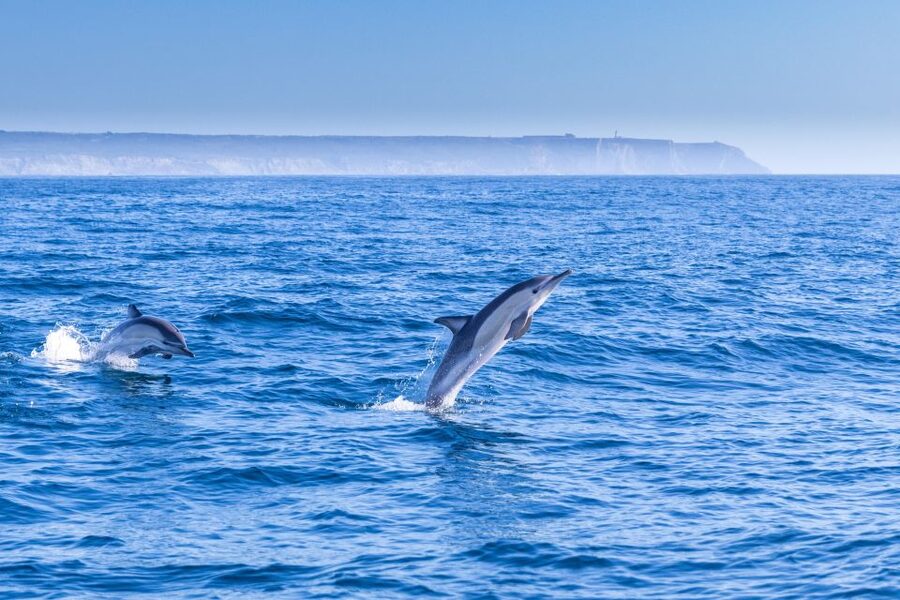
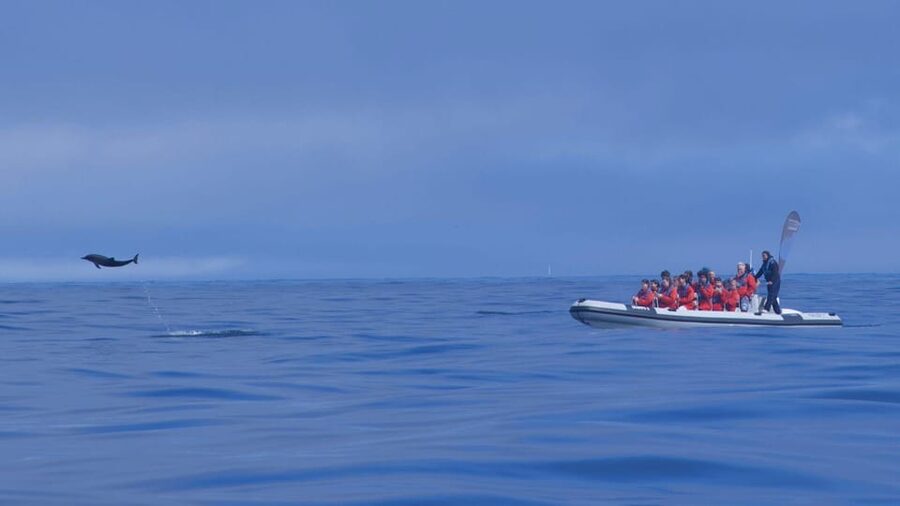
And when dolphins do arrive, you get the respectful viewing you want. The experience emphasizes staying with pods and moving at a slow pace so you don’t disrupt their behavior. In plain terms: you get time to watch, not just a quick pass-by.
What you might see besides dolphins
The tour is dolphin-focused, but it runs through habitats where other coastal wildlife may show up. Based on the tour description, you could also spot whales, seabirds, and other marine life. Whether that happens depends on the day’s conditions and where the animals are feeding or traveling.
Tagus River to the Sea: Your Most Likely Dolphin-Spotting Window
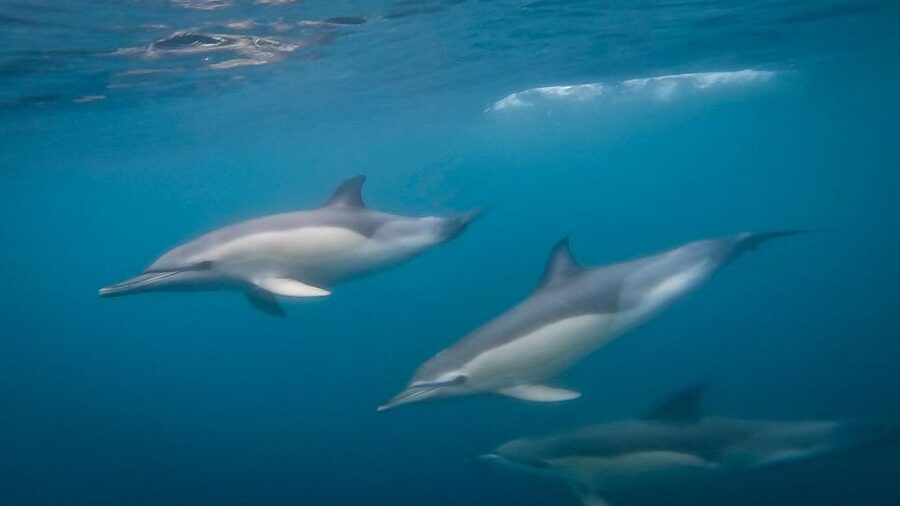
The middle stretch is the heart of the trip. You’ll spend time on the Tagus River and then continue out toward open sea where conditions are often best for spotting cetaceans. The operator notes a high sighting success rate in open water, which is reassuring—but still not a guarantee.
What you’ll feel here is controlled speed. This is a fast boat experience, so the ride can be thrilling, especially if you like water movement and brisk air. It’s also the part of the day that can challenge people who get seasick.
If you’re comfortable on boats, you’ll probably enjoy the combination of speed and scanning. It makes wildlife feel closer because you’re covering water without dragging the outing out too long. If you’re not comfortable on boats, plan carefully (more on that below).
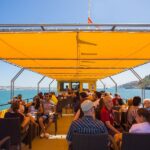
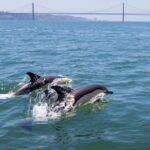
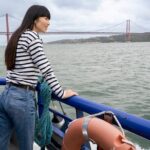
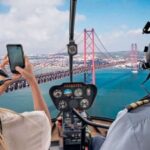

Photo Stops: Fort of São Lourenço do Bugio and the Cascais Area
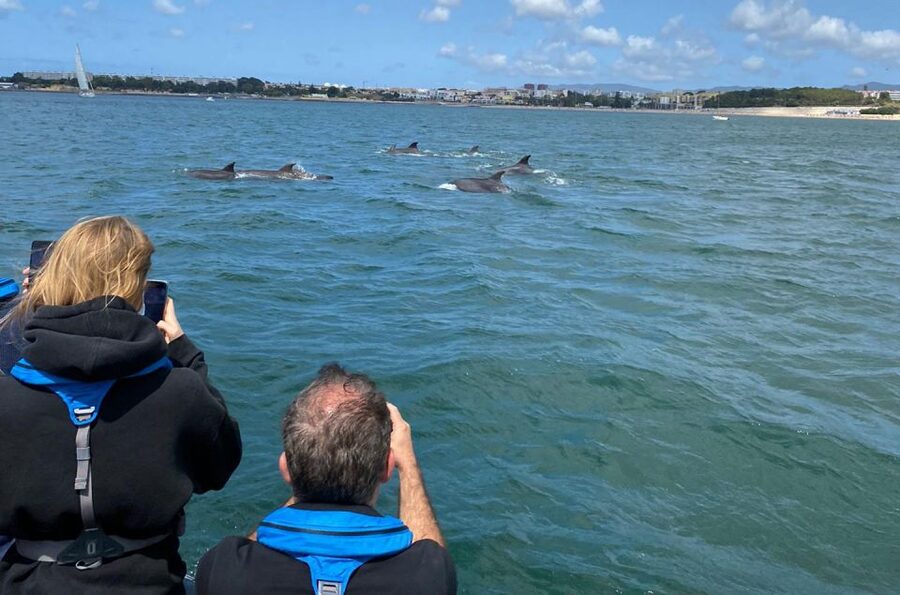
You’ll build in a couple of scenic moments that break up the open-water focus. One notable stop is near the Fort of São Lourenço do Bugio, where you’ll have a photo stop. This is where the day feels more like Lisbon again. The fortress gives you a sense of geography—why this coastline has always been strategic, and how the sea and city share the same stage.
There’s also another photo stop toward a point identified as JJC6+RP Cascais. Even if you treat it as a quick break, it’s a useful contrast to the dolphin time. You’ll get a different feel for the coastline, and it helps you remember that you’re not just on a wildlife boat—you’re experiencing this region from the water.
These stops also help with patience. Dolphin watching isn’t always instantaneous. Scenic breaks keep the tour from feeling like one long wait.
Marine Biologist Onboard: Turning Sightings Into Real Learning

This is one of the strongest reasons to choose this tour over a basic boat cruise. A marine biologist onboard helps you read the water and understand dolphin behavior—not in a lecture-y way, but in a trip-with-context way.
You’ll also hear why data collection matters. The operator states that the tour supports real-time cetacean monitoring in partnership with Oceanário de Lisboa and ICNF, contributing research and helping improve conservation-informed tourism.
In practice, that means you’re not just consuming a wildlife moment. You’re part of a system that tries to track where animals are and how they move. Even if you never see whales, you’re still helping support the work that makes future spotting—and future protection—more effective.
And when you do see dolphins, you’ll likely notice you’re not only counting them. You’re watching behaviors: how they travel, how they interact, and how they react to the boat at a respectful distance.
The Conservation Angle: What Your Ticket Supports
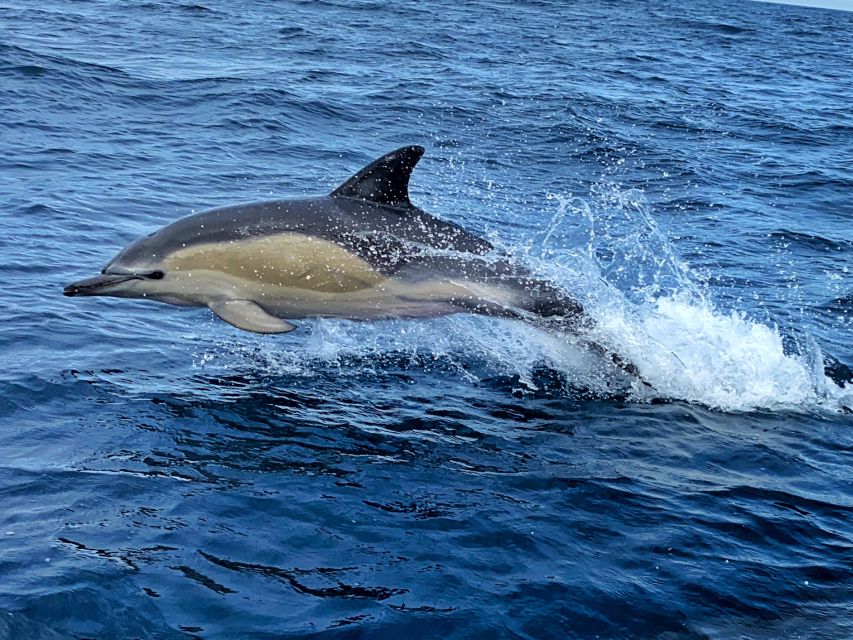
I appreciate when a dolphin tour ties to actual monitoring. Here, the description is specific: the trip supports ongoing cetacean monitoring linked to Oceanário de Lisboa. That’s more meaningful than vague eco-slogans because it connects the outing to research and tracking.
There’s also a broader sustainability vibe onboard. In the feedback you provided, some guides are described taking time to collect plastic waste during the trip. You should still avoid expecting that every day, but it does signal an attitude: watch responsibly, handle waste responsibly, and respect the ocean as a living system.
If you care about ocean conservation, this tour gives you a clear reason to feel good about what you’re doing—beyond the photo.
Comfort, Wind, and Seasickness: Your Survival Kit for This Ride
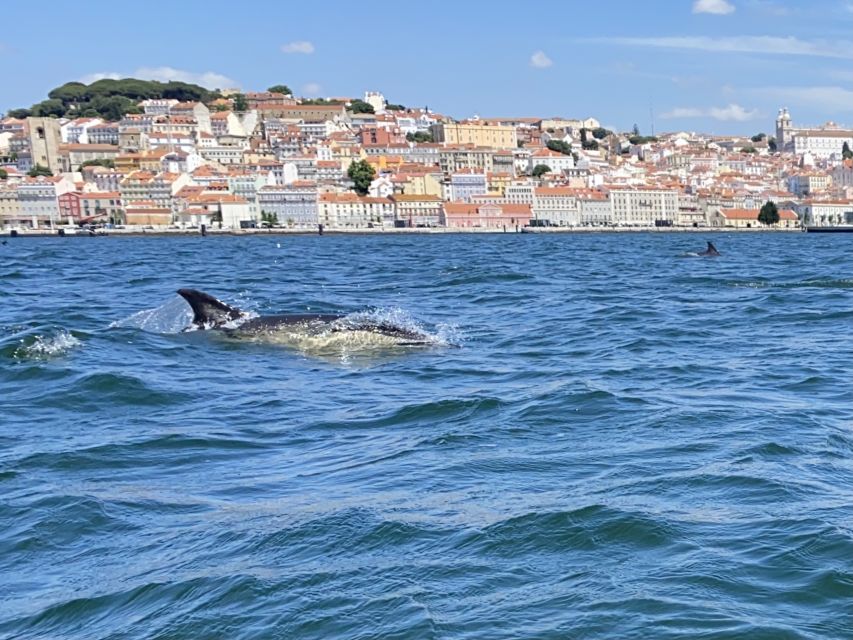
Even in warm months, the water can chill you. The tour info recommends a windbreaker, and multiple people mention getting wind protection from staff. Either way, bring something that blocks wind at least a little. It will make the experience way more pleasant.
You should also wear comfortable clothes and comfortable shoes. The tour description says no high-heeled shoes, no smoking, and no feeding or touching marine life. In other words: you’re there to observe, not interfere.
If you get motion sickness
The operator gives a practical tip: if you might feel sick, eat a nice breakfast before boarding and avoid milk and yogurt. That’s good advice because it helps some people feel steadier on a boat.
This is a fast boat, so your comfort depends on your body and the day’s conditions. The operator also watches weather factors closely—wind and wind gusts, swell, wave heights, currents. If conditions look rough, you’ll feel it.
The tour is not set up for everyone medically. The description lists people who are not suitable: children under 5, pregnant women, people with back problems, wheelchair users, and those with recent surgeries. If any of these apply, skip this one.
Price and Value: Is $61 a Fair Deal?
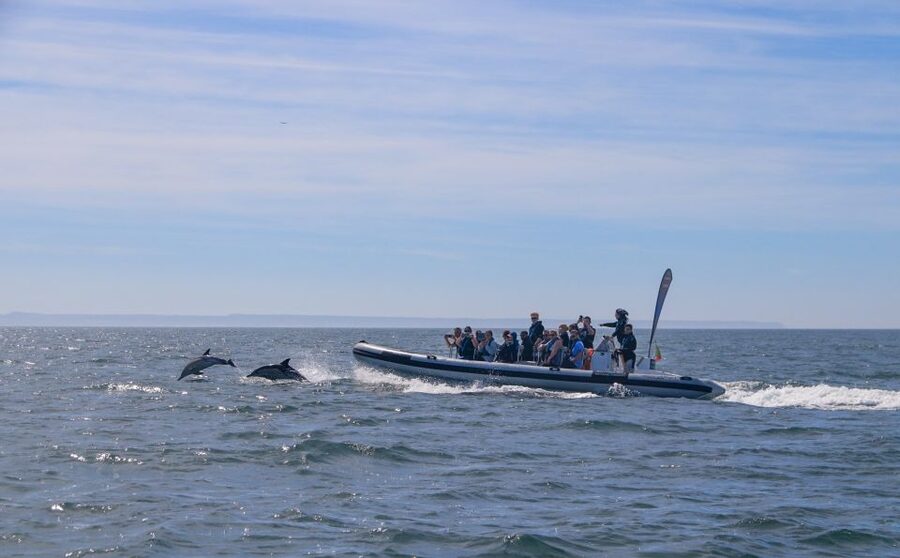
At $61 per person for a 3-hour small-group experience, you’re paying for three things at once: a skilled crew, the marine biologist, and the conservation-linked monitoring piece.
Could you do a cheaper boat ride in Lisbon? Sure. But this isn’t just transportation over water. You’re paying for an expert onboard who helps you spot dolphins and understand what you’re seeing, plus a search process designed around wildlife behavior.
The best value here shows up on two different days:
- If dolphins are plentiful, you get multiple close viewing moments and real learning time.
- If dolphins are harder to find, the crew still works the search in an active way, so you’re not stuck on a passive cruise hoping luck hits.
In the feedback you provided, many people highlight that the ride itself and the landmark views would still be worth it even if sightings were not perfect. The bigger point: dolphin watching here is treated as a wildlife experience with a plan, not just a ticket hoping for a miracle.
Who This Tour Is Best For (and who should skip it)
This tour fits you if you:
- want wild dolphins in their natural habitat (not a theme park vibe)
- like having context from a marine biologist while you watch
- enjoy fast boats and don’t mind wind
- care about conservation and data-linked tourism
It’s harder to recommend if you:
- get sea sick easily
- want a slow, low-motion boat
- need wheelchair access or have mobility constraints (the tour notes wheelchair users are not suitable)
- are dealing with pregnancy, recent surgery, or back issues
Also, think about timing. Since conditions and dolphins are both variable, choose a day when you can relax and roll with the flow. If your itinerary is tight and you hate uncertainty, this might feel stressful.
Should You Book This Dolphin Watching Tour?
If your priority is a real dolphin encounter with marine science support and you’re okay with the reality of wild animals, I think you should book this. The price makes sense for a 3-hour small-group outing with onboard expertise, and the conservation link to Oceanário de Lisboa adds real weight to the experience.
Just go in with the right mindset: you might see dolphins right away, or you might spend part of the trip searching. Either way, you’ll be on the water watching for wildlife while learning what you’re seeing—and that’s a better use of your time than taking a random boat ride and hoping for the best.
If you’re sensitive to motion, bring what you need for comfort and consider your body first. And if you fall into any of the not-suitable categories listed by the operator, skip it for your safety.
FAQ
Where is the meeting point?
You meet at the Mercedes Benz Oceanic Lounge, Doca de Santo Amaro, Armazém 17, below the 25 de Abril bridge.
How long is the tour?
The duration is 3 hours.
What does the tour include?
Included items are access to the Oceanic Lounge, a marine biologist, the boat tour, insurance, life jacket, crew, and fuel.
Is food and drinks included?
No. Food and drinks are not listed as included.
What languages is the live guide available in?
The tour guide is available in English, Portuguese, and Spanish.
Do I need to bring a windbreaker?
Yes. Comfortable shoes and a windbreaker are recommended, because it can feel cold and windy on the water.
Are dolphins guaranteed?
No. The operator notes dolphins are wild and sightings are not guaranteed, though the tour has a high success rate based on their logs.
What is the best way to reduce seasickness?
If you might feel sick, the tour suggests eating a nice prior breakfast and avoiding milk and yogurt.
What am I not allowed to do on the boat?
You should not smoke, feed animals, touch marine life, or litter. Alcohol and drugs are also not allowed.
Who is this not suitable for?
The tour states it is not suitable for children under 5, pregnant women, people with back problems, wheelchair users, and people with recent surgeries.