REVIEW · FORT MYERS
Marco Island: 10,000 Islands Shelling Boat Tour
Book on GetYourGuide →Operated by Everglades Area Tours · Bookable on GetYourGuide
Forget crowded beaches; hunt shells on quiet islands.
This two-hour Marco Island tour gets you out to remote barrier-island beaches in the 10,000 Islands, away from the usual shelling hotspots, with a guided day that blends wildlife spotting and practical shell-collecting know-how.
What I like most is the way it teaches the craft, not just the outing. You learn how tide, wind, and location change what you’ll find, and you’re coached on the ecosystem behind the shells. The one thing to keep in mind is the weather timing: June through October, the morning schedule is strongly suggested, and hot afternoons can be a tougher shelling window.
In This Review
- What makes this 10,000 Islands shelling tour different
- Remote beaches in the 10,000 Islands are the whole point
- Goodland Boating Park: where the day starts
- The boat cruises: dolphins, sea life clues, and a better search window
- The 45-minute island walk: how to shell without wasting effort
- Flora, fauna, and the guide’s “real” shelling training
- The junonia hunt: how the prize shell changes your whole game
- Safety and comfort: the small details that prevent a bad day
- Price and value at $99: what you’re paying for
- Who should book this shelling boat tour?
- Should you book it?
- FAQ
- How long is the Marco Island 10,000 Islands shelling boat tour?
- Where do I meet the guide?
- What’s included with the ticket price?
- Is food or beverages included?
- What should I bring?
- Is a morning tour better during summer months?
- Are pets allowed?
- Can I cancel for a full refund?
- What rare shell does the guide look out for?
What makes this 10,000 Islands shelling tour different
- Remote access by boat means beaches you can’t easily reach on your own
- Small-group guiding focused on finding shells, not rushing through stops
- Junonia hunt for the Gulf Coast’s prized shell treasure
- Real-world technique based on tide and wind conditions that affect shelling
- Wildlife time built in, including dolphin watching during the cruises
- Comfort advice matters: water shoes are a smart move on shell-strewn sand
Remote beaches in the 10,000 Islands are the whole point
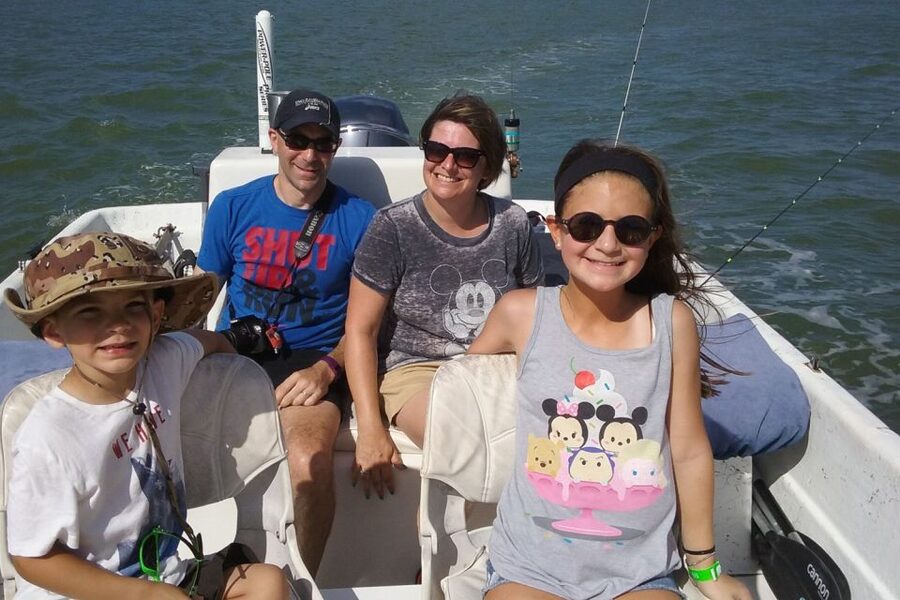
If you’ve ever tried shelling near busier shorelines, you know the frustration: the “good stuff” gets picked over fast. This tour’s core value is that you’re going to beaches that are much harder for casual collectors to reach, so you spend your time searching on quieter stretches instead of competing for the same pile of shells.
The area itself is part of the lesson. Expect the guide to connect what you’re seeing on the beach to the broader flora and fauna of the 10,000 Islands, including how living things shape what ends up on shore. That turns shelling from a grab-and-go hobby into something you can actually get better at.
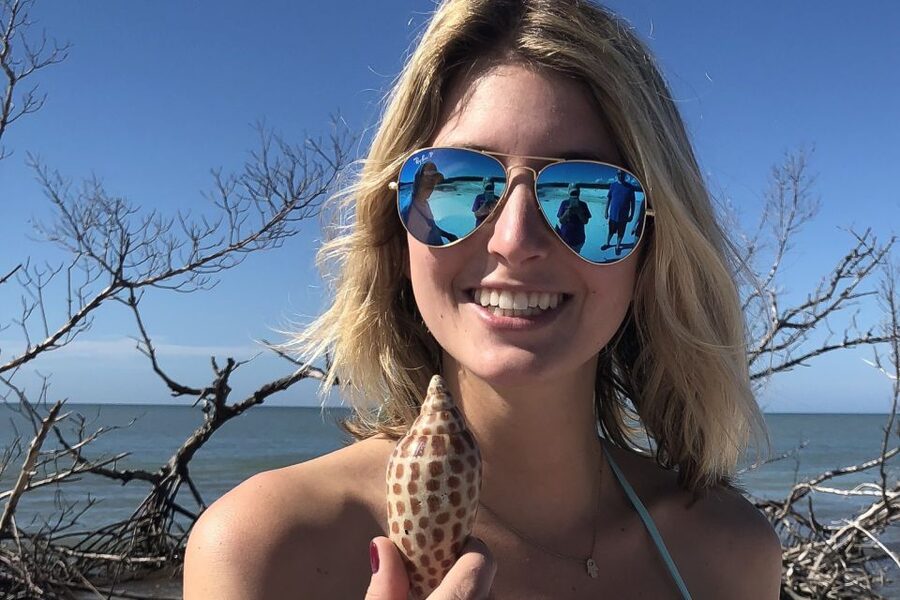
And yes, the “star shell” matters. The tour centers on keeping an eye out for junonia, described as a rare and prized Gulf Coast shell, which gives the whole day a clear goal beyond collecting whatever looks pretty.
You can also read our reviews of more tours and experiences in Fort Myers.

Goodland Boating Park: where the day starts
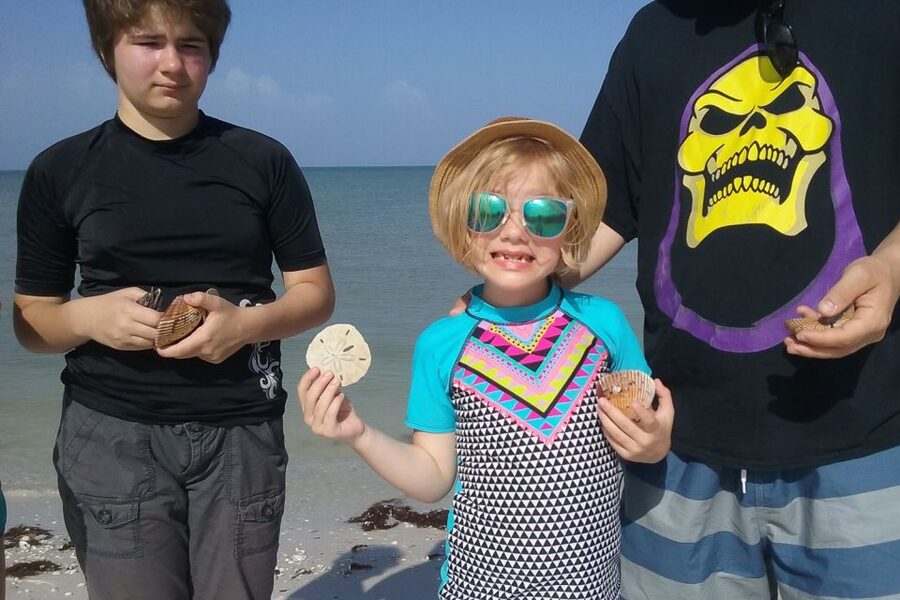
You’ll meet your guide at 750 Palm Point Dr, at the picnic tables to the left of the marina store, and plan to arrive about 20 minutes before departure. If you’re the type who likes to get settled early, this is easy to do: show up, get your sun gear sorted, then let the guide handle the rest.
From there, you’ll head out on the water toward the Ten Thousand Islands. The tour is designed as a tight two-hour loop, so you won’t waste time driving between locations, and you’ll get multiple chances to experience the coastal scenery and wildlife.
Practical tip: because you’ll be walking on sand that can be littered with shells, I strongly recommend being proactive about footwear. One of the most repeated pieces of real-world advice is wearing water shoes, because shells can make bare feet unhappy.
The boat cruises: dolphins, sea life clues, and a better search window
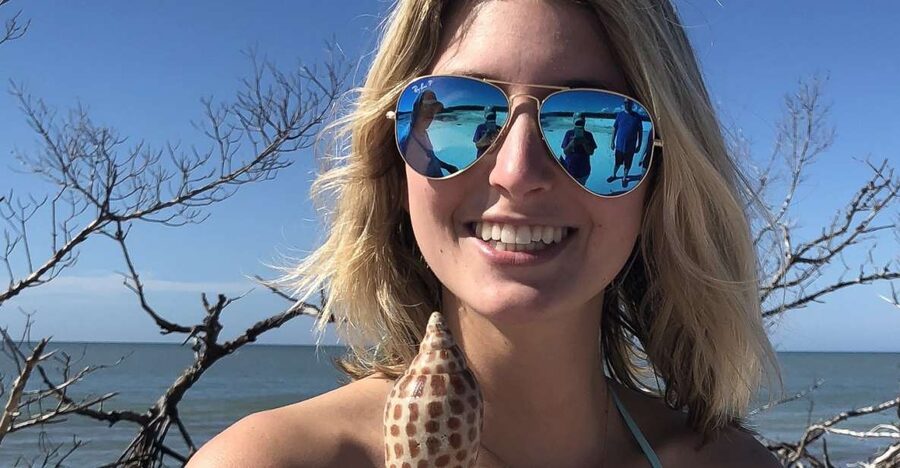
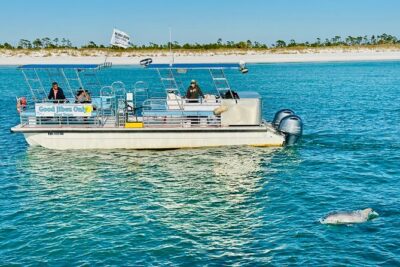
The day starts with a boat cruise that includes about 45 minutes of dolphin watching, plus time to see the surrounding islands and shoreline patterns. Then you’ll go back out for another cruise later (about 30 minutes of dolphin watching) before returning to the marina.
Why the boat time matters for shelling: the guide can choose routes and landing spots based on the conditions, and you get a better sense of where water movement tends to deposit shells. Even if you’re mainly chasing shells, this cruising segment gives you a “read” on the environment—what looks calm, what looks active, and what’s likely to bring shells within reach.
And dolphins are not just a random bonus here. The tour is clearly built to treat wildlife time as a genuine part of the experience. Some dolphin sightings in this region are playful and close enough to make the ride feel eventful, and you may even spot recognizable individuals (one dolphin name called out is Ol Chopper).
The 45-minute island walk: how to shell without wasting effort
The most “hands-on” part of the tour is the 45-minute walk on a remote island beach. This is where the guide’s teaching pays off. Instead of telling you to just look around, you learn the why behind what you’re doing: shell collecting works better when you understand how tide and wind influence what gets exposed on the sand.
Here’s what you should take away from the approach. Focus on the edges and zones where water has recently moved and where sand has been freshly disturbed. You’ll also get coaching on what kinds of shells and shell conditions are more likely to show up based on the day’s pattern, so you’re not guessing blindly for the full walk.
This walk also tends to be very satisfying because it’s not crowded. The tour is specifically pitched as a way to escape the shelling crowds of nearby places, and that shows up in the practical reality: you’re more likely to find intact shells and less likely to constantly step around other collectors.
Flora, fauna, and the guide’s “real” shelling training
One of the biggest strengths of this tour is the guide role. You’ll be with a Florida Master Naturalist guide who is certified by the National Park and licensed by the U.S. Coast Guard. That matters because it usually means the day isn’t just “fun outside time”—you get structured interpretation of what you’re seeing and why it’s there.
In the shelling context, interpretation is powerful. When you understand habitat and life cycle basics, you start noticing patterns: where certain shells are more likely to show up, how beach conditions affect what you find, and how the coastal environment supports both shells and the animals they came from. It’s also a good way to turn a one-off collection into a hobby you can build.
The guide experience level comes through in the way they help you see. Many descriptions emphasize that the guide can identify shells you might otherwise overlook, and they’ll coach you toward the “keeper” finds instead of only admiring what’s already obvious.
The junonia hunt: how the prize shell changes your whole game
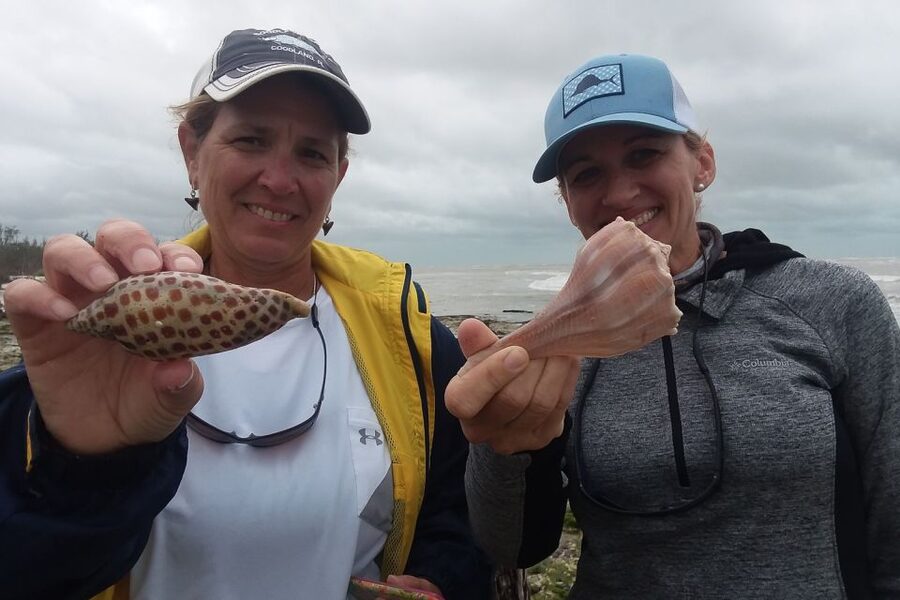
Junonia is treated as the day’s highlight treasure, and having a specific goal changes how you search. Rather than collecting whatever catches your eye, you learn to scan with intent, and the guide helps adjust where you look based on what’s happening in that moment.
Junonia is rare enough that it’s not something you can force. That’s exactly why the technique lessons are so valuable. You’re not just hoping for luck—you’re using what you learn about conditions to stack the odds in your favor during the time you have.
If you’re serious about shelling as a hobby, this is also a great day to compare your own instincts to what a long-time local guide would do. The hunt for a prized shell becomes a structured way to improve, even if you don’t leave with every “perfect” example.
Safety and comfort: the small details that prevent a bad day
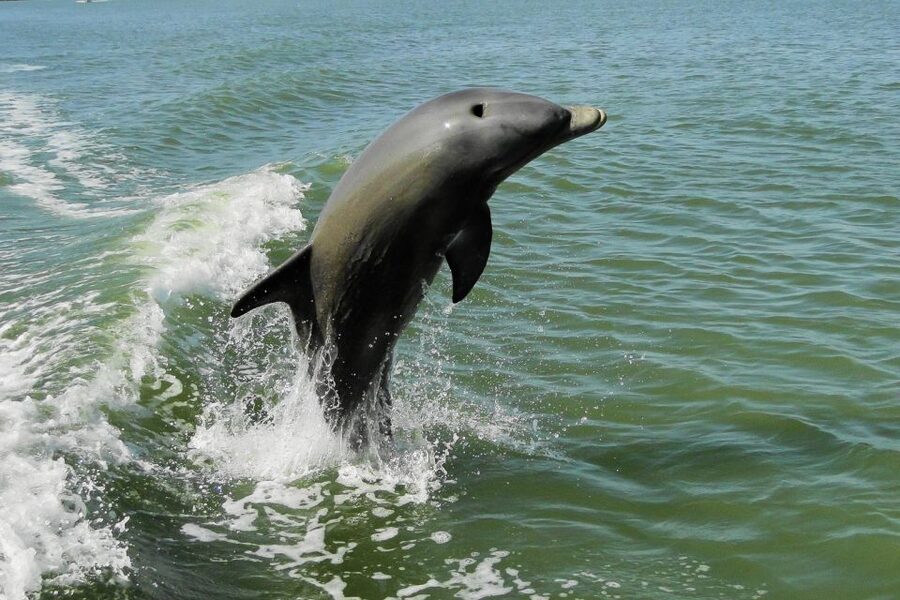
Safety is part of the setup. With a U.S. Coast Guard-licensed guide running the operation, you can expect the boat handling and touring rhythm to be taken seriously. And because the tour is designed as a short loop, the pacing is controlled—you’re not stuck out longer than you planned.
Comfort is mostly on you. The tour’s suggested packing list is straightforward: sunglasses, a hat, towel, sunscreen, and water. You’ll also want to dress for changing coastal conditions, especially wind on the water and sun exposure on the beach.
One more comfort note that comes up in real-world experiences: water shoes are a practical upgrade. If you know you’ll be walking over shell fragments, your feet will thank you, and you’ll spend more of the walk scanning for shells instead of watching your step.
Price and value at $99: what you’re paying for
At $99 per person for about two hours, this isn’t a “grab a ticket and wander” activity. You’re paying for guided instruction, access to remote beaches that are hard to reach on your own, and wildlife time built into the schedule.
The value equation is strongest if you care about two things:
- learning how shelling works (not just finding shells), and
- getting to quieter beaches with less competition.
If your only goal is to collect a few souvenirs and you’re happy to do it without instruction, DIY might look cheaper on paper. But for most people, the cost starts to make sense when you consider that the tour combines boat access, a trained nature guide, and time on beaches that aren’t overpicked.
Also, tips aren’t included, and food and beverages aren’t included. That’s normal for short tours, but it’s worth planning around so you aren’t hungry or thirsty when you’re done.
Who should book this shelling boat tour?
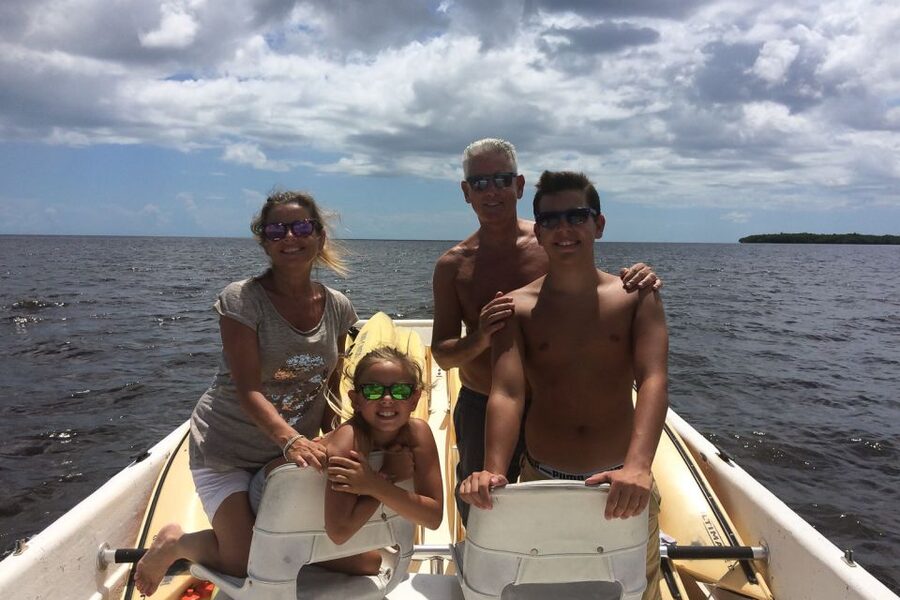
This tour is a strong fit if you want a guided nature outing that also scratches a hands-on hobby itch. It works well for both adults and families who like collecting, learning, and spotting wildlife without needing to be expert beach walkers.
It’s especially good for you if:
- you’re curious about local ecology and want the story behind what you find
- you’re building a shell collection and want better searching technique
- you’d rather spend time on remote, less crowded beaches
If you dislike walking on uneven sand or you’re sensitive to shell bits underfoot, don’t ignore the footwear advice. Bring water shoes and expect that shelling areas can be sharp.
And if you’re traveling in the warm months, build your schedule around the suggestion for morning experiences from June through October. The morning timing usually makes a big difference when you’re outside, sun-exposed, and walking for close to an hour.
Should you book it?
Yes, I’d book this if you want the combo of guided shelling technique and remote-access beach time, with dolphins as a bonus that’s treated like part of the plan rather than a random add-on. The junonia focus gives the hunt a rewarding target, and the guide training (Florida Master Naturalist plus Coast Guard licensing) supports the idea that you’ll learn something real.
I’d pause if you’re expecting long beach time or you hate weather variability. This is a short, efficient tour, and your shelling results depend on day conditions like tide and wind—so your best bet is to come prepared, wear the right footwear, and treat it like a guided learning day, not a guarantee of a perfect collection.
FAQ
How long is the Marco Island 10,000 Islands shelling boat tour?
The tour runs for 2 hours.
Where do I meet the guide?
Meet at 750 Palm Point Dr. The instructions say to meet 20 minutes before departure at the picnic tables to the left of the marina store.
What’s included with the ticket price?
You’ll get a Florida Master Naturalist guide (certified by the National Park) who is licensed by the U.S. Coast Guard, plus guided access to the boat cruise(s) and the shelling time on the remote barrier island beaches. The guide also shares information about local history, wildlife, and plant life.
Is food or beverages included?
No. Food and beverages are not included.
What should I bring?
Bring sunglasses, a hat, a towel, sunscreen, and water.
Is a morning tour better during summer months?
Yes. For June through October, the morning experiences are suggested due to the weather.
Are pets allowed?
Pets are not allowed, though assistance dogs are allowed.
Can I cancel for a full refund?
Yes. There’s free cancellation up to 24 hours in advance for a full refund.
What rare shell does the guide look out for?
The guide’s special shell treasure to keep an eye out for is junonia.