REVIEW · WINDWARD ISLANDS FRENCH POLYNESIA
Moorea 4H Shared Boat Tour Whale Swimming and Snorkeling
Book on GetYourGuide →Operated by Ariki tours · Bookable on GetYourGuide
Moorea is one of those places where the sea does the entertaining. This 4-hour shared boat outing mixes seasonal humpback whale swimming with lagoon snorkeling, all in a small group capped at 6. I love that the crew pairs marine-life spotting with calm, safety-first guidance from the water, including time for extra sightings like dolphins and turtles.
The best part is the structure: you get cruising time, a whale chance during August to November, then snorkeling stops with stingrays, blacktip reef sharks, and turtles. A possible drawback is simple and important: if you travel at the tail end of the whale season, you might spend more time with dolphins and lagoon life than with humpbacks.
In This Review
- Key highlights you’ll actually care about
- Moorea whale swimming: when the ocean is the schedule
- A quick reality check on whales
- Small-group days: why a 6-person boat changes everything
- The crew vibe you want for open water
- Meeting points on Moorea: quick pickups, not long transfers
- On board: fruit, drinks, and the gear you need
- What I’d bring anyway
- Whale watching and swimming: how the crew keeps it safe
- The life jacket rule (and the wetsuit exemption)
- Finding whales: sometimes it’s fast, sometimes it takes work
- Lagoon snorkeling after whales: stingrays, blacktip sharks, and turtles
- Expect different targets depending on currents
- Dolphins and extra marine moments
- Price and value: what $259 buys you on a 4-hour boat
- The value question to ask yourself
- Who should book (and who should skip)
- Who it suits perfectly
- Practical packing checklist for a wet, sunny, whale-season morning
- Final call: should you book Moorea whale swimming and snorkeling?
- FAQ
- How long is the Moorea shared boat tour?
- How many people are on the boat?
- When is humpback whale swimming available?
- Do I need to wear a life jacket during whale swimming?
- What should I bring for the tour?
- Are towels, lunch, or snorkel gear included?
- What is included with the tour price?
- Where does pickup and drop-off happen?
Key highlights you’ll actually care about
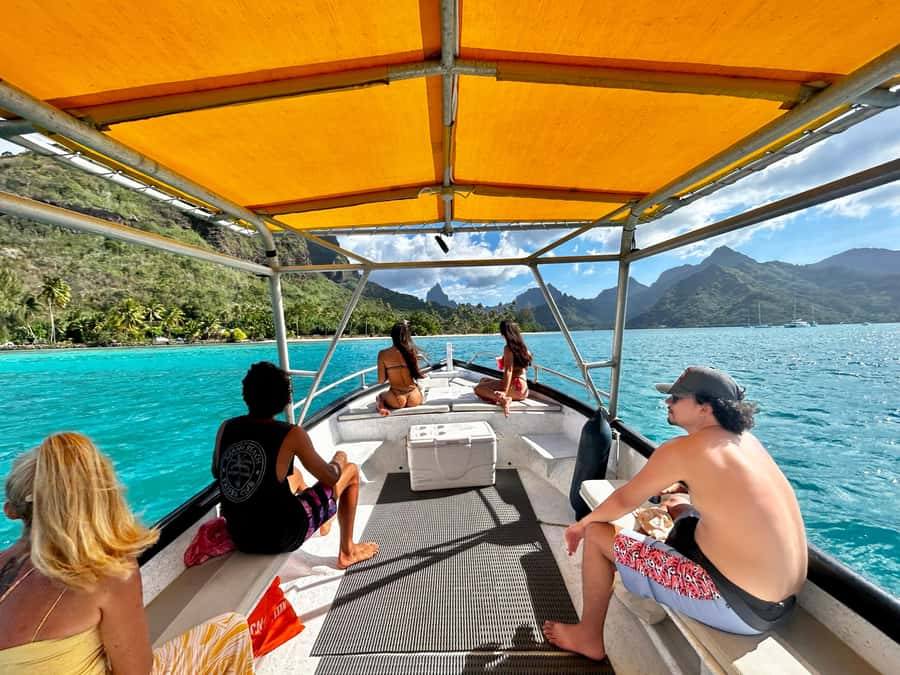
- Max 6 people on board, so whale and snorkeling time feels less crowded
- August–November humpback season, with an emphasis on finding animals early and fast
- Life jacket rules for whale swimming, plus a wetsuit exemption for neoprene wearers
- Snorkel stops for stingrays, blacktip reef sharks, and turtles, depending on conditions
- Fresh tropical fruit and your choice of drink while you’re out on the water
Moorea whale swimming: when the ocean is the schedule
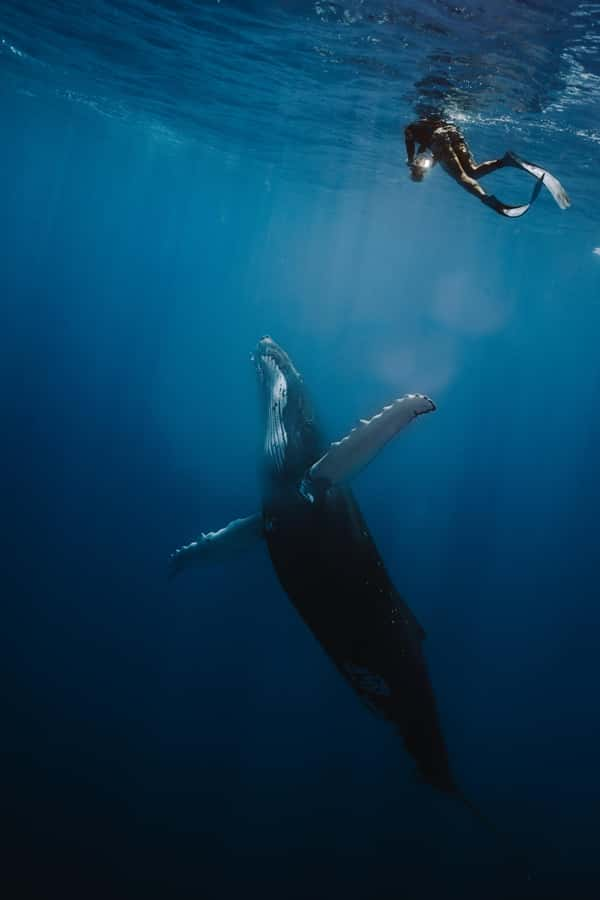
Moorea’s lagoons look postcard-perfect from shore. The real magic starts once you’re moving across the water, because the island’s marine life is never sitting still. This tour is built around that reality: you cruise, then you hunt for humpback whales during the season (August through November).
If whales show up quickly, you’ll get the moment people dream about—being close enough to swim in their presence. If they’re harder to locate, the crew still keeps the outing moving and productive. In practice, that can mean more time in the water around other sea life while the guides work the area.
Two things I like about the focus here:
- It’s seasonal, not year-round marketing. That matters in French Polynesia, where animal timing is everything.
- The guides treat whale time as a process, not a guess. You’ll see that in how they communicate, reposition, and keep watching.
A quick reality check on whales
One of the most helpful details from the experience info is the whale-season window. It doesn’t guarantee sightings. One traveler described going when the season was ending and not seeing whales, but still getting plenty of dolphins plus stingrays and turtles. So go in knowing you’re booking marine life on Moorea, not a guaranteed whale encounter.
Small-group days: why a 6-person boat changes everything
A small group sounds nice in a brochure. On the water, it changes how the day feels.
With a maximum of 6 participants, you’re less likely to feel rushed in the water or stuck waiting your turn. It also helps the guides manage spacing—especially during whale swimming, where the goal is calm, respectful proximity.
You’ll also appreciate the smoother flow of a 4-hour format. You’re not spending your whole day commuting and waiting. The time is meant to be used: get out, find whales, then switch gears to lagoon snorkeling.
The crew vibe you want for open water
Safety matters, and the style of handling matters even more. In the water, guides like Clovis (noted as the assistant guide) are described as calm and attentive, with a strong focus on getting everyone comfortable while still respecting animal space. That combination is exactly what you want when the ocean feels big and a little intimidating.
If you’re the type who worries about open water sounds or being out of sight of land, you’ll probably relax once you’re underway. More than one experience detail points to that: the boat ride can feel fine once you’re actually out there, and the team keeps things organized.
Meeting points on Moorea: quick pickups, not long transfers
This is one of those tours where logistics can make or break your morning. Here, the plan is straightforward.
You’ll have multiple pickup options tied to major Moorea hotels and nearby spots, including Hilton Moorea Lagoon Resort & Spa, Kaveka Restaurant, Manava Beach Resort, and LE COOK’S Bar et Restaurant (plus an Ariki Tours option). The starting point is also described as a rendez-vous at the Paopao office du tourisme dock area, then they take you directly by pontoon to your hotel area.
What that means for you:
- If you’re staying in one of those areas, mornings should be easy.
- If your hotel isn’t listed, the info notes pickup/drop-off depends on your area—so confirm before you go.
On board: fruit, drinks, and the gear you need
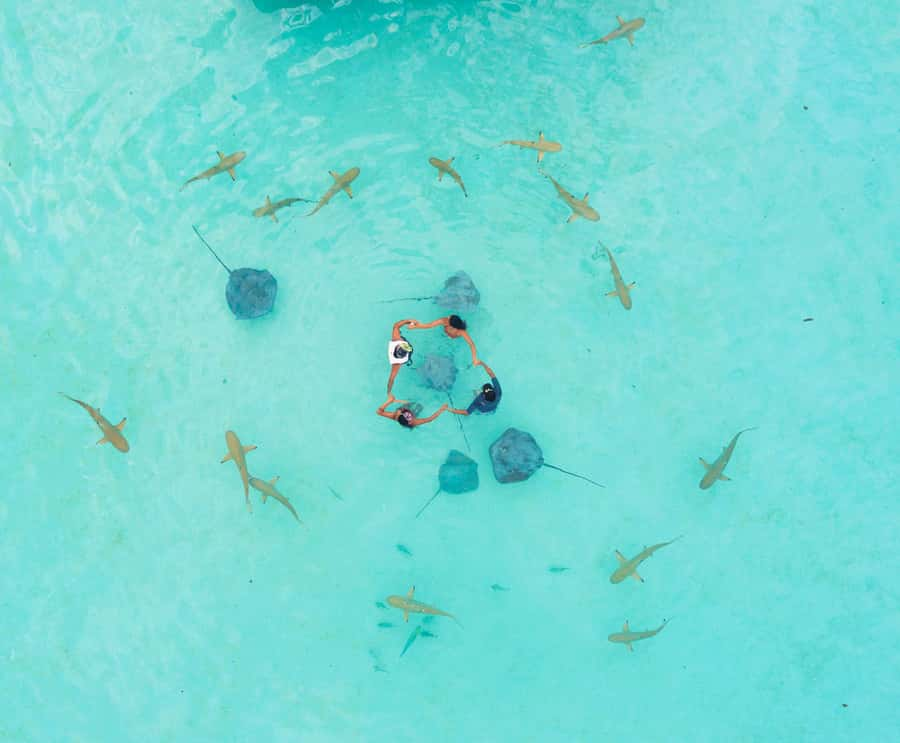
Once you’re settled on the boat, you’ll get the comfort basics you actually need for a tropical water day. You’re offered fresh seasonal tropical fruits and a choice of beverage (water or fruit juice).
From experience details, snorkeling gear is also part of the setup. One account specifically notes mask, snorkel, and fins being provided. That’s a real value point because it saves you from packing bulky items—or worse, buying them at the last minute.
What I’d bring anyway
Even with gear on board, you’ll still want to show up ready. Pack for sun and wet conditions:
- Sunglasses and a hat
- Sunscreen (the info says it’s not included)
- Water
- A waterproof camera setup for your phone
The tour also warns you should expect occasional splashes and to get wet. That’s normal out there. Dress and plan for that.
Whale watching and swimming: how the crew keeps it safe
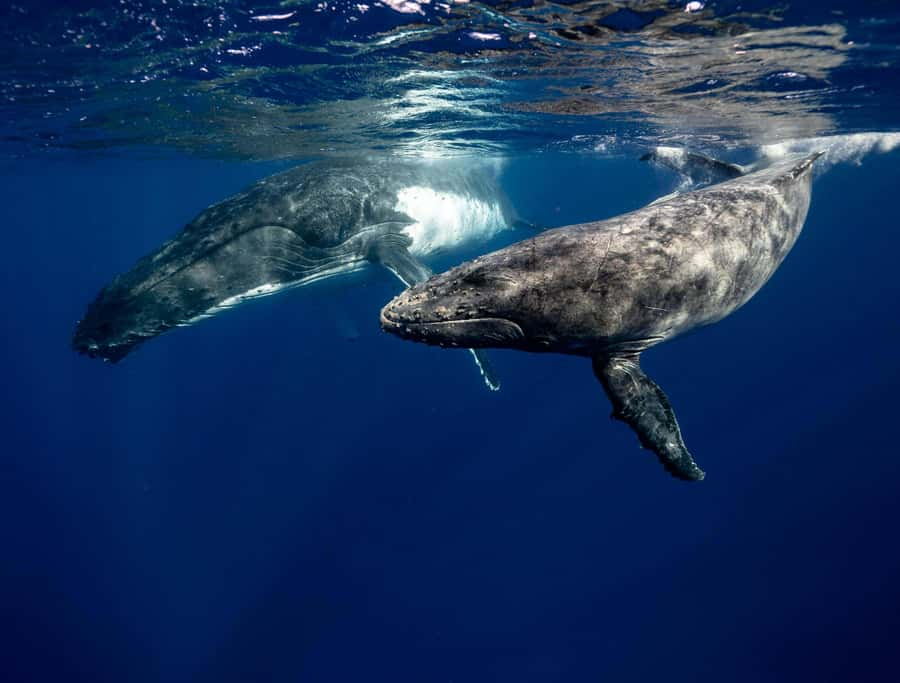
During whale season, this tour targets humpback whales and includes the chance to swim alongside them. That’s the headline. But what makes it work (and what you should care about) is the safety rule around life jackets.
The life jacket rule (and the wetsuit exemption)
French regulations require a life jacket to be worn during whale swimming excursions. There’s an exemption if you’re wearing a neoprene wetsuit—either a shorty or full-body suit. If you’re not in a wetsuit, the tour states they’ll provide life jackets possible for you.
So here’s the practical decision for you:
- If you already own a neoprene suit, wearing it can simplify the life jacket issue.
- If you don’t, you’ll want to follow the life jacket requirement and be comfortable in swim gear with added buoyancy.
Either way, the key is to listen to the guide and stay calm in the water. The ocean has its own rules.
Finding whales: sometimes it’s fast, sometimes it takes work
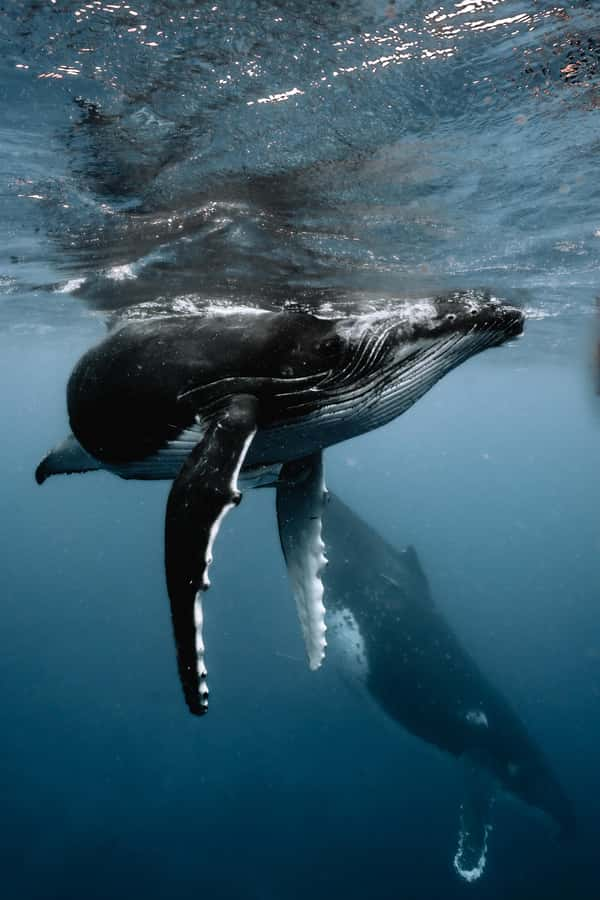
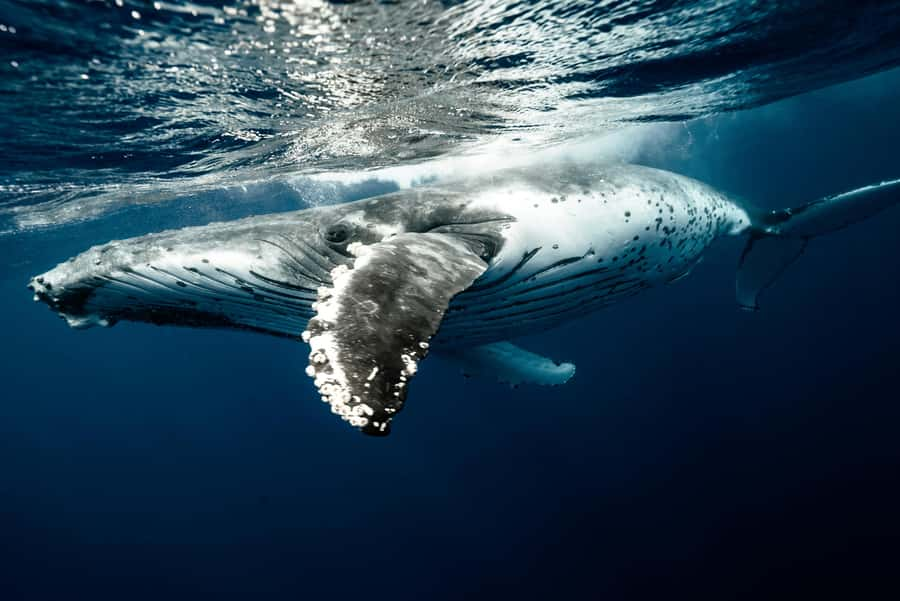
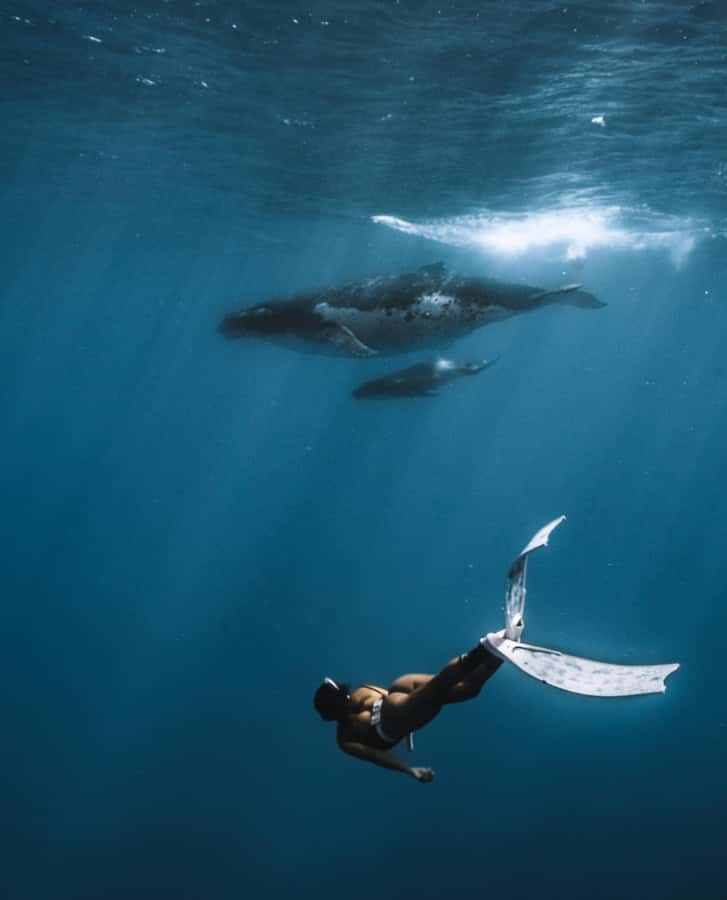
The whale part is seasonal, and it can vary day to day. In one described outing, it took the crew a few hours to locate whales, but the team stayed determined and even called on their network in the water to help them pinpoint where to stop. Then the time paid off: a family of humpbacks, including a curious baby close enough to circle the group.
That’s the difference between a casual sightseeing boat and a focused marine team. If whales don’t appear right away, it doesn’t automatically mean your morning is a loss. The crew keeps searching within the outing timeframe.
Lagoon snorkeling after whales: stingrays, blacktip sharks, and turtles
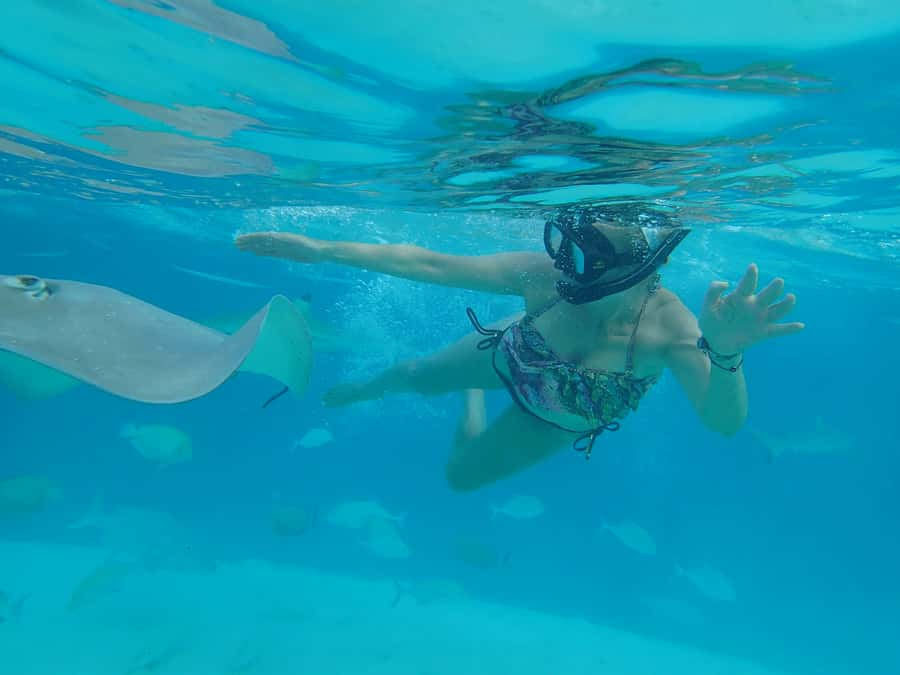
Once humpbacks are done (or if they’re not in reach that day), the day pivots back to the lagoon. This is where Moorea keeps surprising you.
You can have the opportunity to swim with:
- Stingrays
- Blacktip reef sharks
- Turtles
- Colorful tropical fish
The tone shifts from whale caution to snorkeling calm. The guides manage your pace so you can watch and swim without feeling like you’re chasing wildlife.
Expect different targets depending on currents
One useful detail: conditions can affect how many turtles you actually see. A strong current can slow visibility and movement, and one traveler described seeing only one turtle in the drift area while spotting more turtles from the boat before arriving. That doesn’t mean you’ll have the same luck—but it does mean you shouldn’t judge the tour solely on one snorkel stop.
If you want the best experience, go in flexible. Watch what the guide points out. Follow instructions. Let the lagoon do its thing.
Dolphins and extra marine moments
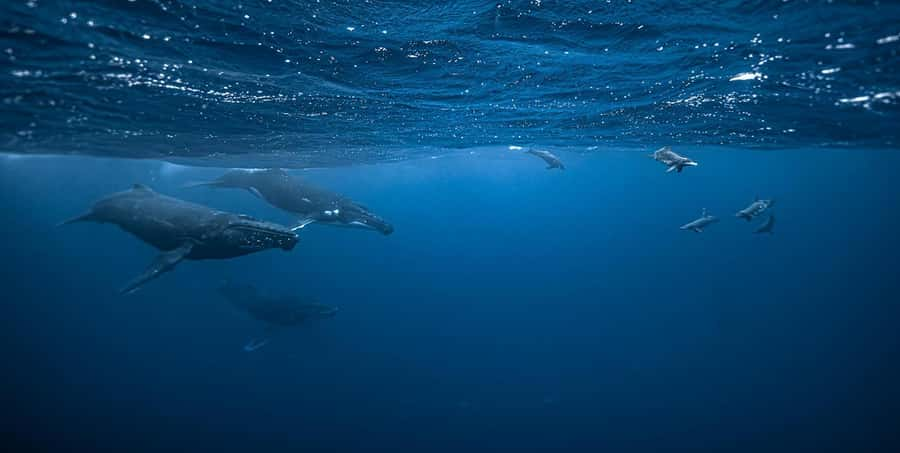
Even when humpbacks are tough to find, you may still get excellent wildlife time. One traveler described dolphins showing up in their outing, plus lots of leopard rays and turtles. Another described mother-and-calf humpback whale sightings and underwater time when whales were diving deep and surfacing with tail splashes.
So even if the whale moment is shorter than you hoped, the day can still feel full.
Price and value: what $259 buys you on a 4-hour boat
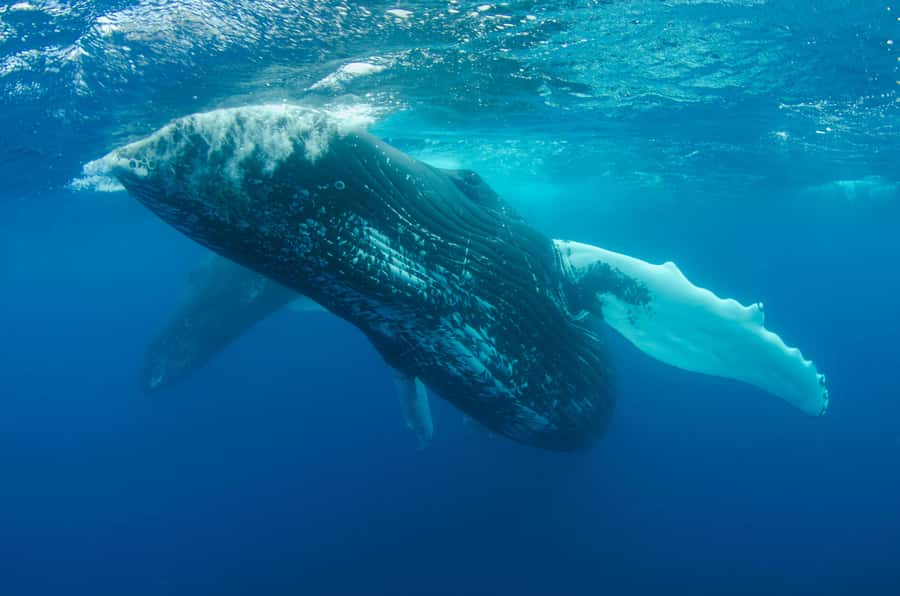
At $259 per person for a 4-hour shared tour, you’re paying for three things at once:
- A small-group format (max 6)
- Guided marine viewing and in-water interactions during whale season
- Snorkeling opportunity tied to stingrays, blacktip sharks, and turtles, plus fruit and drinks
If this was just a standard snorkel cruise, the price would feel steep. But that’s not what this is. Whale swimming in a specific season plus specialized in-water guidance costs money. Also, a small group means fewer people share the boat time and fewer people compete for attention.
Is it a budget tour? No. But it’s also not a luxury private yacht experience. It sits in the sweet spot for people who want the real Moorea marine-life experience without paying for an entire boat to themselves.
The value question to ask yourself
Before you book, ask this:
- Do you want a shot at humpback swimming during the exact August–November window?
If yes, then $259 starts to make sense because you’re paying for a planned encounter window, not just a scenic ride. If you’re traveling outside peak whale odds, you may still enjoy stingrays and turtles—but you should expect marine life variety rather than banking on humpbacks every time.
Who should book (and who should skip)
This tour is best for people who can swim and feel comfortable in open water. The info also states it’s not suitable for:
- Pregnant women
- People with mobility impairments
- Non-swimmers
So if you’re a confident swimmer with a positive mindset, you’ll likely enjoy the active nature of the day. If you’re on the fence, take that seriously. This isn’t a lazy float where you can bail out whenever you want.
Who it suits perfectly
You’ll be a great match if you:
- Want a small-group Moorea wildlife day
- Care about safety and respectful animal distance
- Plan to snorkel and don’t mind being wet
- Want a guide who knows where to look
Practical packing checklist for a wet, sunny, whale-season morning
This tour gives you the basics you need on board, but you still carry your comfort.
Bring:
- Sunglasses
- Hat
- Sunscreen
- Water
- Waterproof camera or protective case for your phone
- Comfortable swimwear
Also, consider bringing a neoprene wetsuit if you want the option to avoid the life jacket requirement during whale swimming (since the regulations provide that exemption for neoprene wearers).
Don’t bring:
- Smoking
- Alcohol and drugs
- Cooler
And one small but smart tip: treat this like a day you’ll want to take photos. The waterproof camera detail matters, because you’ll be close enough to wildlife that you’ll want to capture what you see without worrying about your phone.
Final call: should you book Moorea whale swimming and snorkeling?
I think you should book if humpback swimming in Moorea is your priority, and you’re traveling between August and November. The combination of small-group size, focused guide support, and the add-on lagoon snorkeling for stingrays, blacktip sharks, and turtles makes this feel like a high-impact use of your time.
I’d hesitate only if:
- You’re a non-swimmer or can’t meet the swimming requirement
- You’re at the very end of the whale season and need whales for your trip to feel complete
- You don’t want to deal with wetsuit and life jacket rules during whale swimming
If you’re flexible and you actually enjoy wildlife days, you’re in the right place. Moorea gives you a lot for your attention span on the water—and this tour is built to maximize that time.
FAQ
How long is the Moorea shared boat tour?
It lasts 4 hours.
How many people are on the boat?
The group is small, limited to a maximum of 6 participants.
When is humpback whale swimming available?
Humpback whale watching is seasonal, during August to November.
Do I need to wear a life jacket during whale swimming?
French regulations require a life jacket during whale swimming excursions. There is an exemption if you wear a neoprene wetsuit.
What should I bring for the tour?
Bring sunglasses, a hat, sunscreen, and water. A waterproof camera or phone case is also recommended.
Are towels, lunch, or snorkel gear included?
Towels are not included, and lunch is not included. Mask, snorkel, and fins are noted as provided in at least one experience account, but towels and lunch are explicitly listed as not included.
What is included with the tour price?
You get guided boat tour time, pickup by boat from select areas (including Manava Beach Resort, Hilton Moorea Lagoon Resort & Spa, and Cooks Bay Hotel), opportunities to swim with stingrays/blacktip sharks/turtles, seasonal whale watching, and a choice of drink plus fresh tropical fruits.
Where does pickup and drop-off happen?
Pickup and drop-off depend on your area, with several options including Kaveka Restaurant, Hilton Moorea Lagoon Resort & Spa, Manava Beach Resort, and LE COOK’S Bar et Restaurant. The rendez-vous point is described around the Paopao office du tourisme pontoon area.