
REVIEW · NANAIMO
Nanaimo: Whale Watching Semi-Covered Boat Tour
Book on GetYourGuide →Operated by Vancouver Island Whale Watch · Bookable on GetYourGuide
A Salish Sea trip teaches fast. This 4-hour Nanaimo whale watching tour turns the Gulf Islands cruise into real wildlife learning, with sightings focused on healthy whale populations and a marine naturalist who explains what you’re seeing.
I especially like the small-boat feel and the hands-on nature of the experience, with guides such as Aly, Ali, Jordan, and Hayleigh pairing careful spotting with clear answers. I also love that the captain coordinates with other whale-watch operators using VHF radio to improve the odds of where you go next.
One possible drawback: seating can feel tight on the smaller boats, so if you’re sensitive about legroom, plan to keep your expectations modest.
In This Review
- Key things I’d circle before you book
- Front Street check-in: where your Nanaimo whale watch starts
- Semi-covered boat ride on the Salish Sea: what comfort looks like
- How the captain uses VHF radio to improve your whale odds
- One hour of whale viewing: how sightings are handled onboard
- Species you might see and the Salish Sea food web story
- Whale ID catalogues: why individual recognition is a big deal
- Conservation talk at the end: BC orca threats explained plainly
- Price and value: is $182 a good deal here?
- Practical logistics: what you should plan for before you go
- Who should book this Nanaimo whale watching tour?
- Should you book? My decision guide
- FAQ
- Where does the tour meet?
- What time should I check in?
- How long is the Nanaimo whale watching tour?
- How much does it cost?
- What’s included with the tour?
- What’s not included in the price?
- Is sunscreen provided?
- Is there a toilet onboard?
- Are whale sightings guaranteed?
- Is the tour suitable for pregnant women?
Key things I’d circle before you book
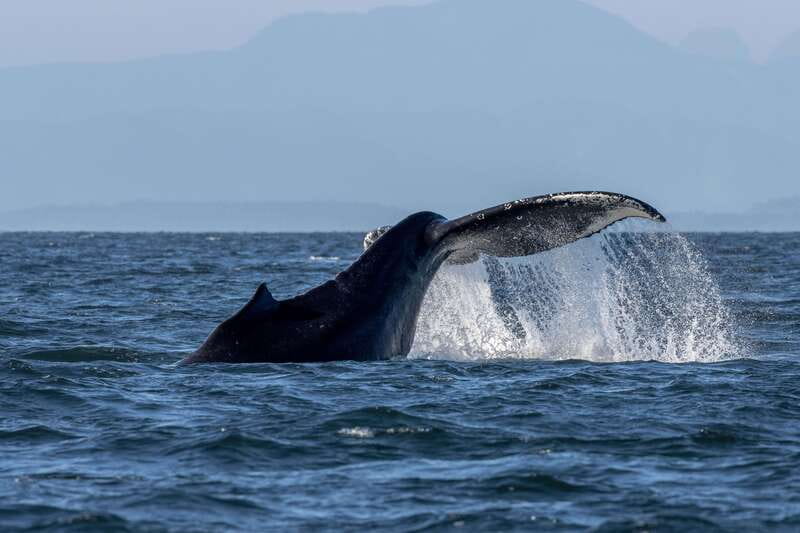
- Sighting promise for healthy, growing whale populations, with a next-trip offer if you don’t spot them
- About an hour of focused whale viewing, not just cruising around hoping
- Captain-to-captain routing by VHF radio, so your boat can maximize the best area between vessels
- Onboard whale ID catalogues that feed seasonal data to research groups like the Centre for Whale Research and BC Cetacean Sightings Network
- Semi-covered comfort basics: toilet onboard and sunscreen available
- Conservation wrap-up on BC orca threats, with initiatives discussed in plain language
Front Street check-in: where your Nanaimo whale watch starts
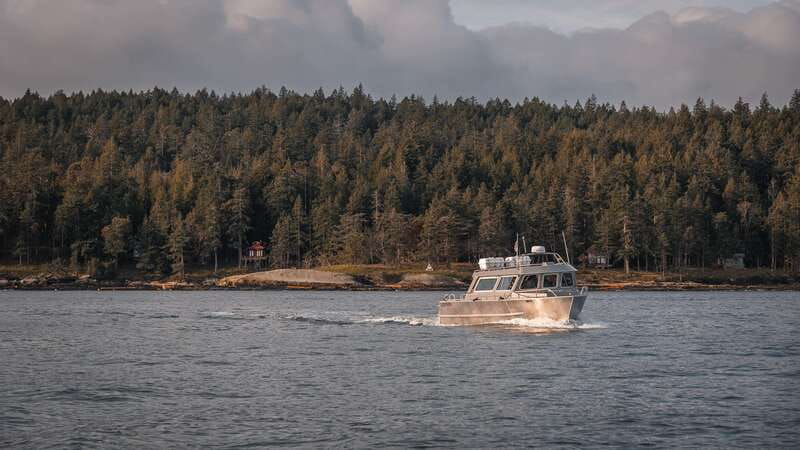
Most whale watching tours are timed down to the minute. This one starts at 90 Front St #5 along the Nanaimo waterfront seawall, and you’ll check in 45 minutes before departure.
That early arrival matters more than it sounds like. It gives you time to get your bearings, find the office without stress, and settle in before the group heads down to board together. In other words: less rushing, more time to watch the harbor activity and get that “we’re really going soon” feeling.
Once everyone’s assembled, the group walks down as one and the tour begins with a short introduction to the Salish Sea ecosystem. That framing is practical: you’re not just chasing whales—you’re learning how this food web works before you start scanning for spouts and flukes.
You can also read our reviews of more tours and experiences in Nanaimo.
Semi-covered boat ride on the Salish Sea: what comfort looks like
The boat is semi-covered, which helps you stay comfortable while you ride out toward likely wildlife areas. It’s also set up for real viewing time, not a quick drive-by. You’ll find a toilet onboard, and sunscreen is available, which is a nice touch if you forget essentials (and in my experience, plenty of people do).
Group size tends to stay on the smaller side on some departures. One recent trip ran with about 12 visitors, which changes the vibe: you can hear the marine naturalist better, and you’re not staring through a forest of shoulders the whole time.
Do keep expectations realistic, though. Small boats can mean less-than-luxury seating. If you’re the type who notices every inch, you’ll want to prepare for that. A bit of posture management goes a long way on a 4-hour outing.
How the captain uses VHF radio to improve your whale odds
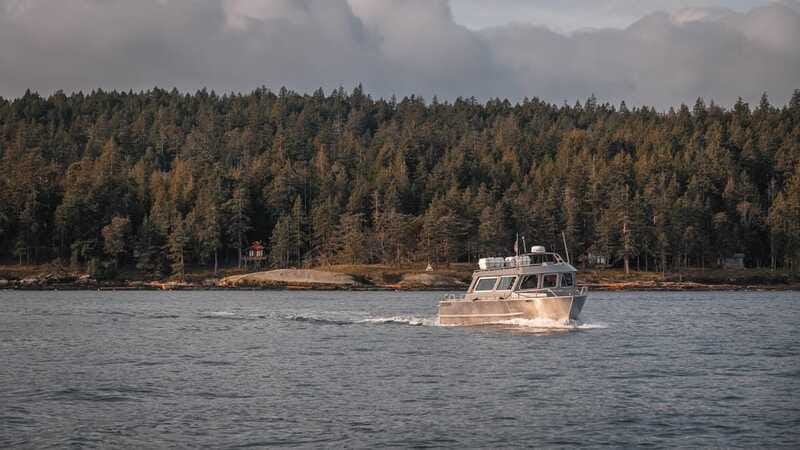
Here’s the part that feels quietly high-tech. Your captain stays in touch with other whale-watching companies using VHF radio and plans a route that maximizes the best coverage area between vessels.
That matters because whale watching isn’t just about the whales—it’s about coordination. When multiple boats work the same region, everyone’s watching similar water at different moments. VHF lets the captain respond quickly to where whales are behaving most actively, rather than sticking to a single plan no matter what happens out on the water.
So instead of a drive-and-hope approach, you get an adaptive route strategy. That’s a big reason this tour highlights guaranteed sightings (more on that next): the planning is designed to put you in the right place for the right behaviors.
One hour of whale viewing: how sightings are handled onboard
Your schedule includes one hour specifically for viewing whales. That’s long enough to catch multiple behaviors—surface breaths, slower travel, or social moments—without turning the trip into constant scanning in the fog.
During this hour, the marine naturalist provides real-time insights into whale behavior, and the guide team uses onboard tools to identify individual whales. That is far more useful than simply spotting a whale and moving on. When you understand what you’re looking at—whether it’s feeding, traveling, or interacting—you start reading the scene like a nature documentary instead of a scavenger hunt.
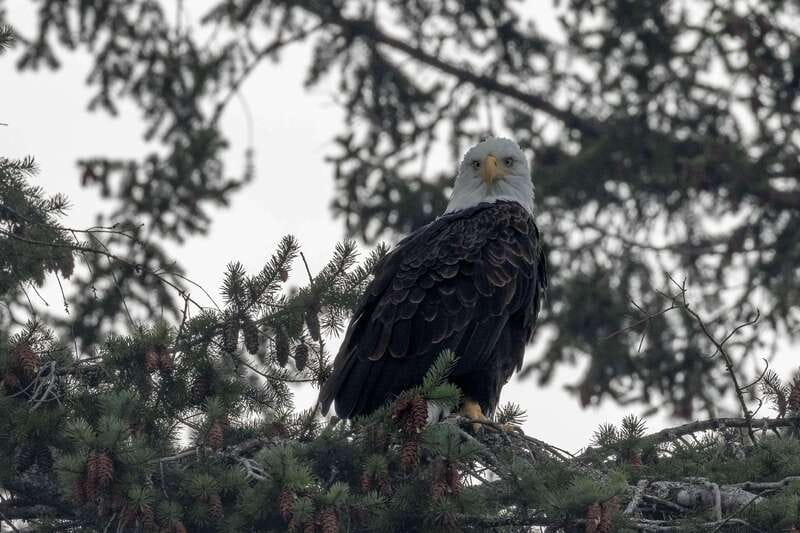
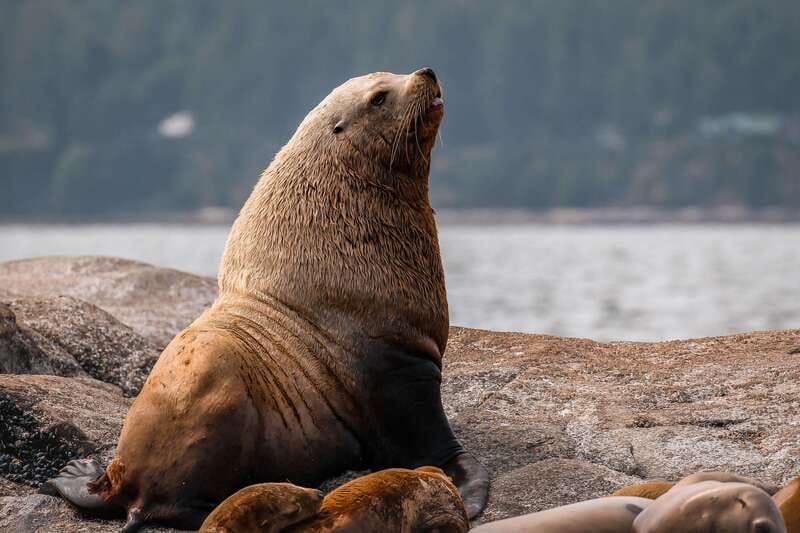
From the marine side, you’re also likely to see more than whales. Alongside whale sightings, the tour environment often includes harbor seals and sea lions, and you may also spot birds such as bald-headed eagles and cormorant colonies depending on the route and timing.
If your goal is a balanced “whales plus the rest of the Salish Sea,” this format fits well.
Species you might see and the Salish Sea food web story
You’ll learn about different types of whales that use the Salish Sea, including their natural history and how they fit into the marine food web. The key idea is that whales aren’t floating mascots in the distance—they’re part of a system connecting prey, predators, and even birds.
In terms of likely highlights, the tour info and recent outcomes point to:
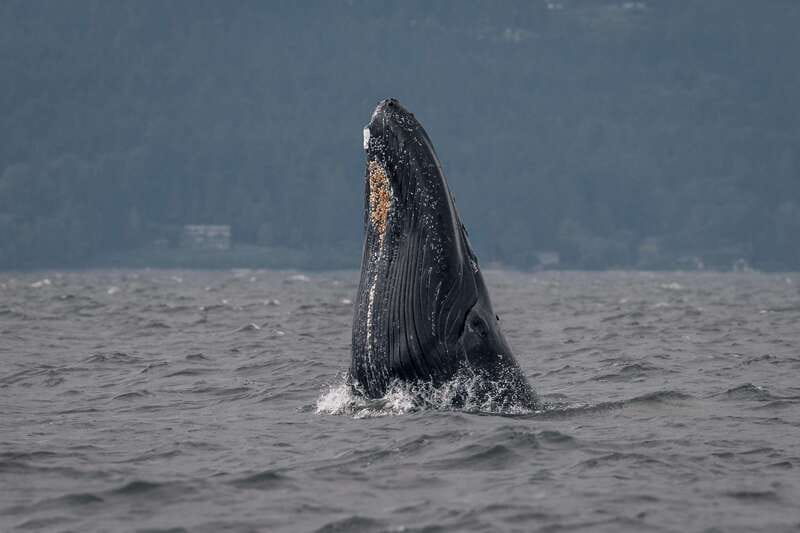
- Humpback whales: often seen in small groups, with moments that can look almost choreographed when multiple whales coordinate surface activity
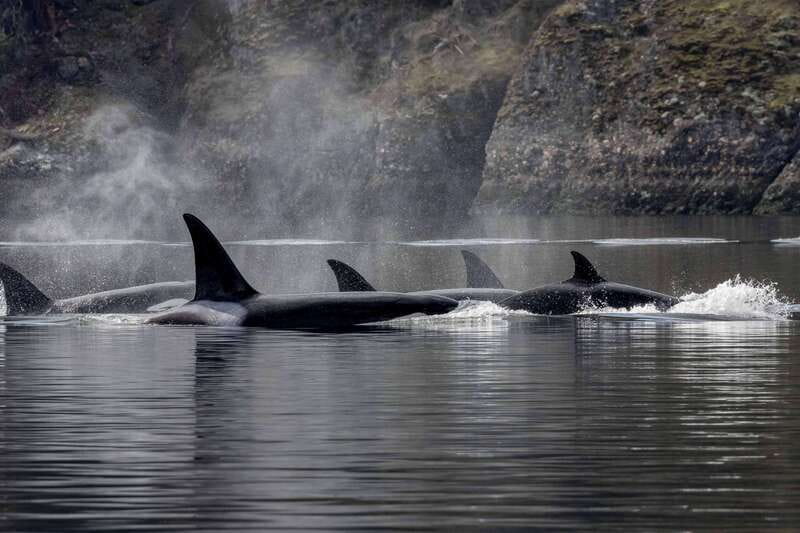
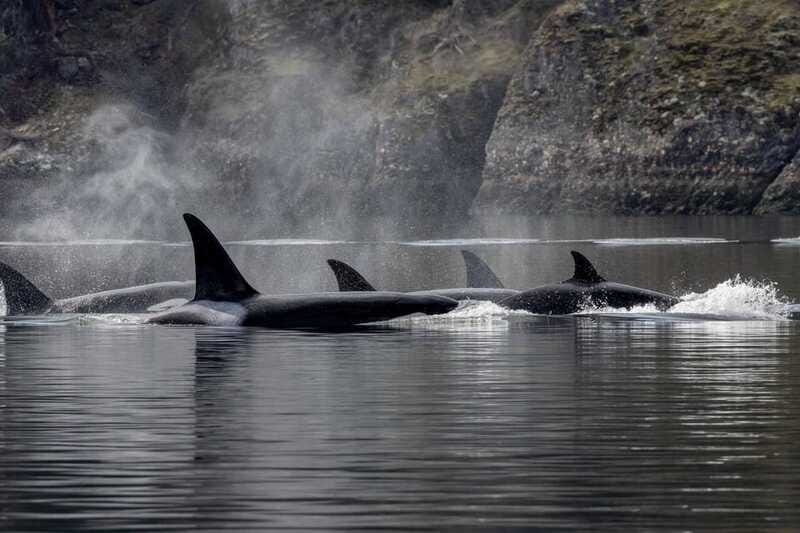
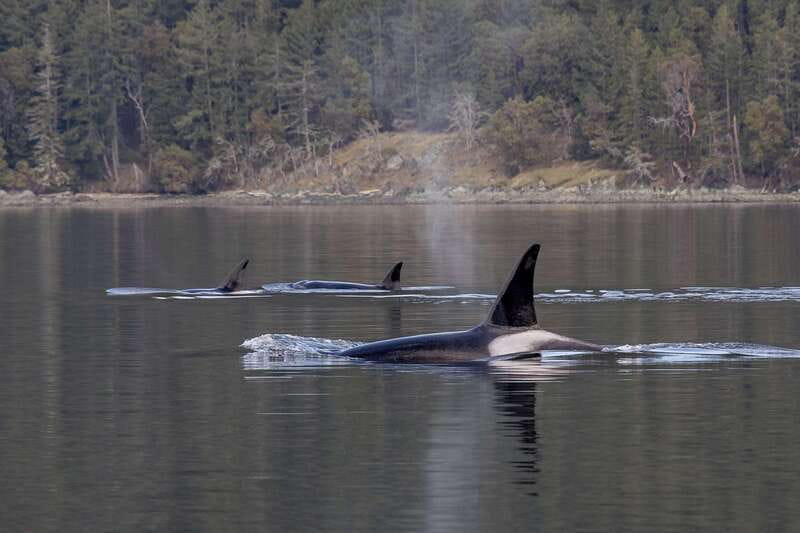
- Orcas (BC orca focus): the conservation portion centers on threats to BC orca, so even if you don’t see them during your boat hour, you’ll leave understanding why they’re a central conservation concern
- Seals and sea lions: common companions on these routes, adding variety beyond whale-only viewing
One subtle benefit of the teaching style is that it makes sightings feel more personal. When you hear why a whale uses this area, or why a particular prey base matters, the observation becomes clearer. You stop thinking only about what you saw and start thinking about why it’s there.
Whale ID catalogues: why individual recognition is a big deal
This tour doesn’t treat whale watching as a one-day experience. Instead, it builds in whale identification data. The onboard catalogues help the team identify individuals, and the data collected during the season is sent to groups including:
- Centre for Whale Research
- Keta Coastal Conservation
- BC Cetacean Sightings Network
That’s important for you, even if you’re not a research nerd. Whale ID changes the whole conversation from generic sightings to real tracking. You’re witnessing patterns over time—who uses which areas, how behavior shifts, and how populations are trending.
And you’ll feel the difference during the tour: rather than hearing “we saw whales,” you’re more likely to hear “we’re seeing these individuals,” plus what their behavior can suggest in the moment.
Conservation talk at the end: BC orca threats explained plainly
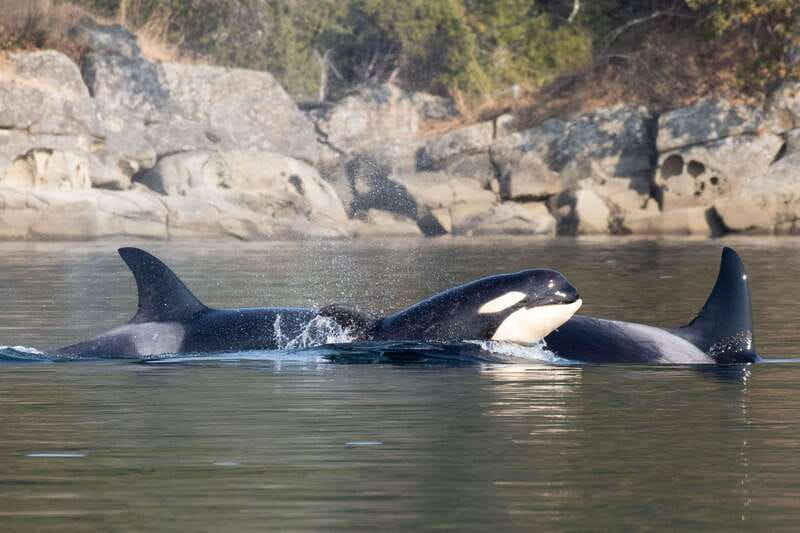
After you finish the main viewing and head back, the experience wraps with an educational talk on marine conservation, focusing on threats to BC orca and conservation initiatives.
This part is worth treating as part of the trip, not an afterthought. Whale watching can accidentally turn into a passive activity—spot, snap photo, move on. The conservation talk ties your sightings to the bigger reality: whales live in an environment affected by human impacts, and conservation work aims to reduce those pressures.
The best tours do this without guilt-tripping. This one frames threats and initiatives in a way that’s meant to help you understand what’s at stake after you’ve seen the animals up close.
Price and value: is $182 a good deal here?
At $182 per person for a 4-hour tour, this sits in the mid-to-higher range. The question isn’t just what you paid—it’s what that money buys you.
Here’s what you’re paying for, based on what’s built into the experience:
- A professional guide with an academic background in marine biology (education level matters because it changes how the tour explains behavior)
- A certified captain (Transport Canada certification)
- Sightings guarantee tied to healthy, growing populations, plus the next-trip offer if you don’t get the sighting you came for
- Structured whale viewing time (about an hour where you’re actively watching, not drifting)
- Research-minded whale ID with data sharing to established networks
- Onboard practicals like a toilet and sunscreen
What you should budget separately:
- Parking isn’t included. Nearby parking is listed around $0.75/hour
- Lunch isn’t included
- Transportation to and from the office isn’t included
So the “value” equation here is strongest if you care about more than a postcard moment. If you want the story behind behavior, a tour plan designed to maximize whale time, and a conservation component that stays grounded in real research, this price starts to make sense.
If you mainly want a quick, low-effort activity with minimal education, you might find a cheaper option more appealing. But if you’re the kind of person who asks questions, this tour is built for that.
Practical logistics: what you should plan for before you go
A few practical points make a big difference:
- Show up early: your check-in is 45 minutes before departure, at the Front Street office.
- Plan for a meal: lunch is not included, so you’ll want to handle food on your schedule.
- Parking is extra: if you’re driving, keep your budget for nearby lots and meters.
- Know the rules: smoking, vaping, and alcohol or drugs are not allowed.
- Not suitable for pregnant women.
Also, note the tour runs in English with a live guide, so it’s a good fit if you’re comfortable learning in that language while out on the water.
Who should book this Nanaimo whale watching tour?
This tour makes the most sense if you:
- Want a higher chance of meaningful sightings with a route strategy that’s actively adjusted
- Prefer a small-boat feel rather than being swallowed by a massive group
- Like wildlife viewing that includes marine biology context, not just directions to look left or right
- Appreciate tours that contribute to conservation through individual whale identification data
You might skip it if:
- You’re pregnant (the tour isn’t suitable)
- Alcohol-based outings are a priority for your day (alcohol isn’t allowed)
- You want comfort to feel like a sightseeing bus. On smaller boats, seating can be a bit tight.
If you can handle the 4-hour nature of it and you’re excited by learning what you’re seeing, you’ll likely enjoy the pacing.
Should you book? My decision guide
Book it if you want the best combination of structured whale time, active captain coordination, and real marine learning—plus a conservation wrap-up that explains why BC orca matter. The sighting guarantee adds confidence, too, because this tour isn’t treating whales as optional.
Consider other options if you’re mainly looking for the cheapest way to see water, birds, and maybe a whale. This is built as a learning-focused experience, and you’ll get more value if you lean into the guide talk, the identification approach, and the conservation portion.
If you’re aiming for an authentic Salish Sea experience out of Nanaimo—where the people on the water take the whales seriously—this one is a strong pick.
FAQ
Where does the tour meet?
The meeting point is 90 Front St #5 in downtown Nanaimo on the waterfront seawall.
What time should I check in?
Check in 45 minutes before departure at the tour office on Front Street.
How long is the Nanaimo whale watching tour?
The tour lasts 4 hours.
How much does it cost?
The price is listed at $182 per person.
What’s included with the tour?
It includes a professional guide with an academic background in marine biology, a Transport Canada–certified captain, a toilet onboard, and sunscreen available.
What’s not included in the price?
Parking is not included (nearby parking is listed at about $0.75/hour), lunch isn’t included, and transportation to/from the office isn’t included.
Is sunscreen provided?
Yes. Sunscreen is available onboard.
Is there a toilet onboard?
Yes. There is a toilet onboard.
Are whale sightings guaranteed?
The tour states sightings are guaranteed, or your next trip is on them, specifically focused on healthy, growing whale populations.
Is the tour suitable for pregnant women?
No. The tour is listed as not suitable for pregnant women.