REVIEW · PORTO DISTRICT
Pinhão: 2-Hour Rabelo Boat Tour with Audio Guide
Book on GetYourGuide →Operated by Magnifico Douro · Bookable on GetYourGuide
Quiet river time beats another winery stop. This 2-hour Rabelo boat cruise from Pinhão is one of the easiest ways to see the Douro Valley’s terraced wine country without planning stops, and the included audio app lets you learn what you’re looking at while you sit back. You go upstream toward the Tua area, turn around at the dam zone, and head back to Pinhão with big scenery shifts even along the same stretch.
I especially like how the boat setup balances comfort and weather. The traditional rabelo boats include both open and closed areas, so you’re not stuck in one temperature all trip, and you get places to take photos without feeling jammed in.
One possible drawback: the narration is mainly delivered through your phone, so you’ll want to download the audio guide app in advance and bring earphones. If your device or connection struggles, you may feel like the cruise is just scenery with less story.
In This Review
- Key highlights to know before you go
- Getting to the pier in Pinhão (and not overthinking it)
- The boat: old-school rabelo comfort in real-life weather
- Your route: from Ponte do Pinhão to the Tua Dam area
- Ponte do Pinhão
- Quinta do Bomfim
- Quinta da Roeda
- Vieira de Sousa – Quinta do Roncão
- Quinta da Romaneira
- Quinta de Merouço – Casa do Rio
- Quinta dos Malvedos
- Foz Tua
- Barragem do Tua (turnaround area)
- Quinta de Roriz
- Quinta do Pessegueiro – Adega e Visitas
- Quinta do Ventozelo
- Quinta das Carvalhas
- Audio guide on your phone: worth it when it works
- What makes this stretch special (and why two hours feels right)
- Price and value: why $35 can make sense here
- Who should book this Rabelo cruise
- Should you book the Pinhão 2-hour Rabelo boat tour?
- FAQ
- FAQ
- How long is the Pinhão 2-hour Rabelo boat tour?
- Where do I meet for the tour?
- What route does the boat take?
- What’s included in the price?
- Are drinks included?
- Is the audio guide included?
- What languages are available for the audio guide?
- Do I need earphones?
- Is the tour guaranteed to run?
- Can I cancel and get a refund?
Key highlights to know before you go
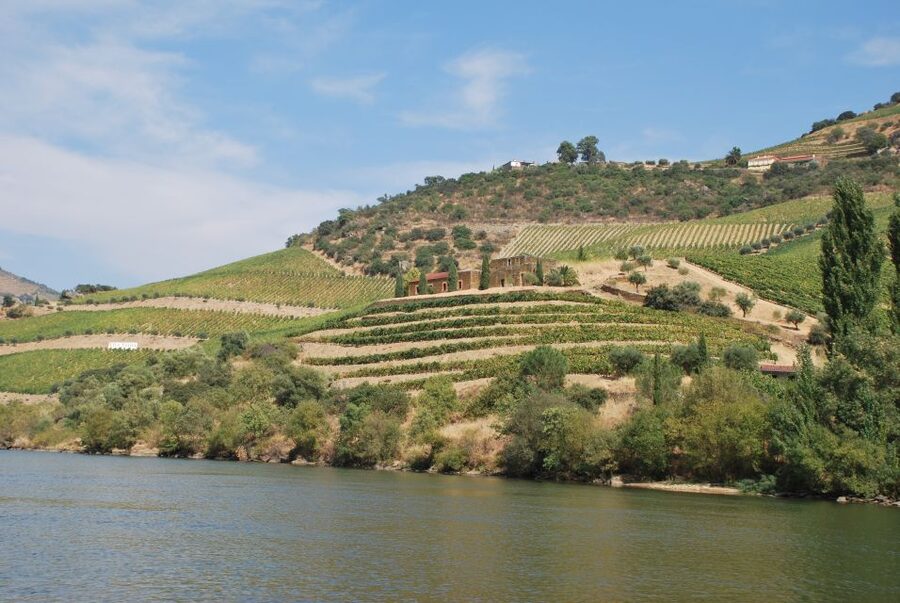
- Traditional rabelo boat feel: open and closed seating means the ride stays pleasant in most weather.
- Pinhão to the Tua turnaround: you’ll cruise up toward the Tua area and return to Pinhão for a full, satisfying loop.
- Terraced vineyards with little “modern world” in sight: no national roads or traffic show up along this stretch.
- Audio guide in 5 languages: English, French, German, Portuguese, and Spanish are included via the Magnifico Douro app.
- Two directions, two viewpoints: even though you cruise the same segment, the changes in angle make it feel like two different experiences.
- Smooth, manageable pacing: the trip is gentle enough that two hours feels like the right length, not a marathon.
Getting to the pier in Pinhão (and not overthinking it)
Your start point is the Magnifico Douro Pier in Pinhão, near the iron bridge. The directions are clear: look for the Vintage House Hotel garden gate, and enter by the bridge area in front of it.
If you’re staying in Pinhão, this is a big convenience win. You’re not signing up for a long transfer or a bus ride that chews up daylight. Instead, you walk into the experience fast and spend your time on the water, where the Douro Valley works its magic.
Also, timing matters here. With a 2-hour tour, you’ll want to arrive with enough time to find the pier and get the audio guide set up before boarding. If you’re planning to download the app on your phone, doing it earlier (not at the last second) makes life easier.
The boat: old-school rabelo comfort in real-life weather
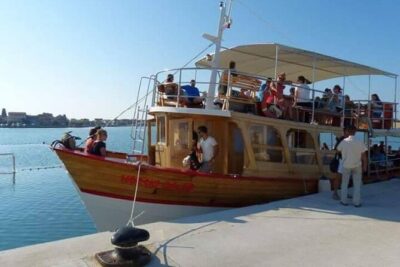
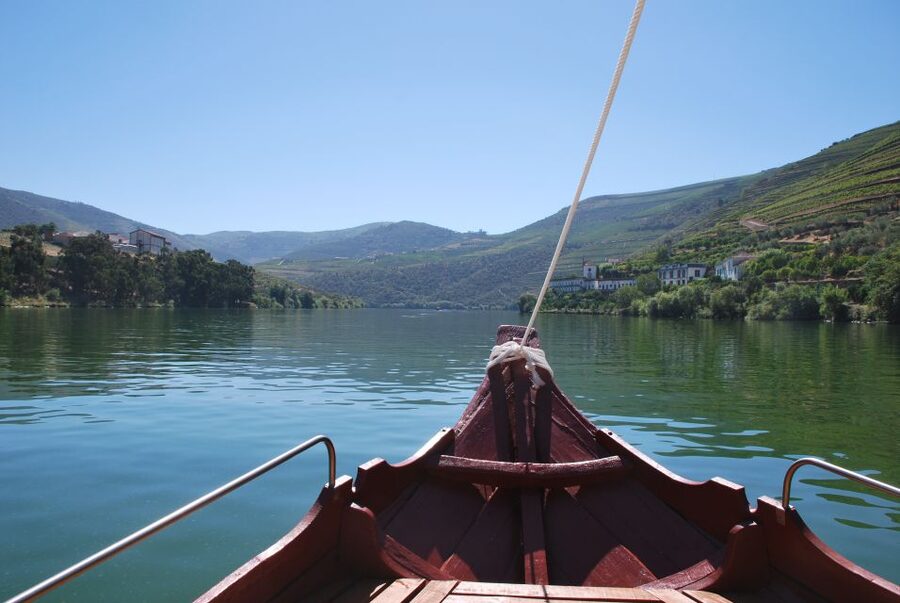
This cruise runs on traditional rabelo boats, the kind associated with river shipping history and still shaped for today’s passengers. The biggest practical advantage is the mix of open and closed areas.
That means you can choose your “zone” as conditions change. In bright sun, you can find shade or sit closer to cover. If the weather turns cooler, you can move into the enclosed portion without feeling like you have to abandon your seat.
Comfort is also helped by how the ride moves. Guests consistently describe the motion as smooth and unhurried, so the tour doesn’t feel like you’re bracing for bumps the whole time. It’s the kind of pacing that works well if you’re not trying to sprint through the Douro in “tour mode.”
Your route: from Ponte do Pinhão to the Tua Dam area
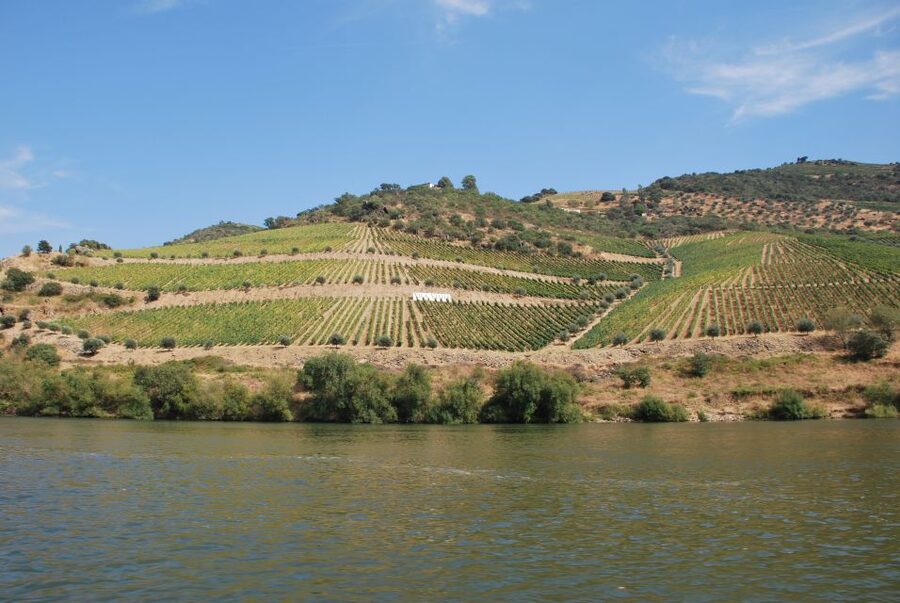
The cruise follows a classic Douro rhythm: you start in Pinhão, head upstream, pass a sequence of named quintas (wine estates), reach the Tua area near the dam zone, then return to Pinhão. Even with the turnaround and the return trip, the valley doesn’t look repeatable. Direction changes the angle, the light, and how terraces stack against the river.
Here’s how the journey unfolds, and what you should watch for at each named stop.
Ponte do Pinhão
Right at the beginning, you pass the Ponte do Pinhão area and move under the famous iron bridge. This is a good “reset moment” for photos. The bridge gives you a sense of place fast, and the river corridor opens up right after.
Quinta do Bomfim
As you float onward, the terraces start doing what they’re famous for: creating layered views right up to the waterline. At Quinta do Bomfim, focus less on memorizing the name and more on how the vineyard rows follow the slope.
Quinta da Roeda
As the boat continues, Quinta da Roeda is another visible marker in the long string of wine properties along the river. This is a great section to notice how the valley’s steepness forces vineyards into dramatic geometry.
If you like taking skyline shots, this is where you’ll often find clean sightlines from the boat—especially if you’re positioned on the side with the best river light.
Vieira de Sousa – Quinta do Roncão
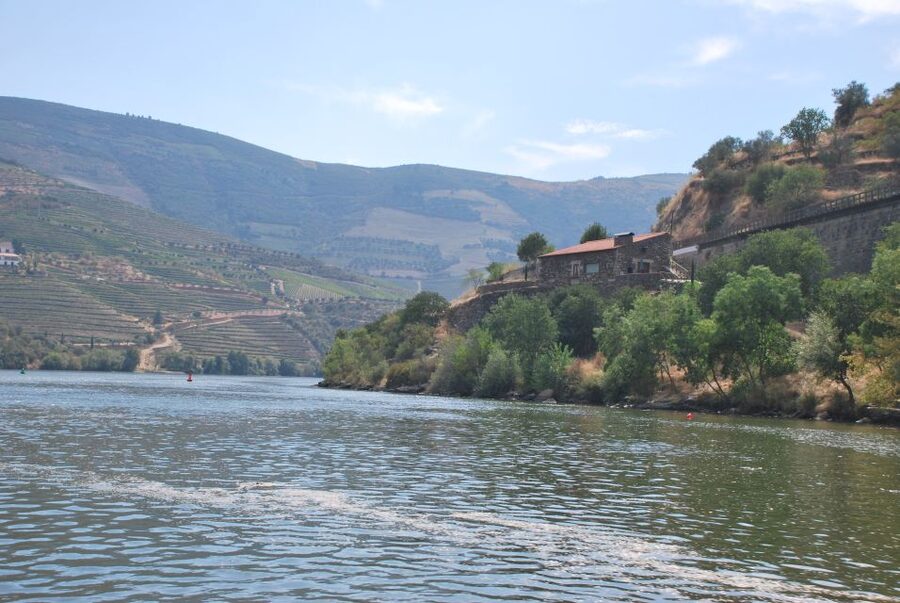
As you near this stretch, you’ll probably see more “building + vines” patterns: estates sitting above the river with vineyards spilling across the hills. This stop is useful for learning how the Douro works as a working wine landscape, not just a pretty backdrop.
Quinta da Romaneira
Quinta da Romaneira keeps the rhythm going: terrace, river, terrace, river. One thing I like about this part of the itinerary is how your eyes start picking up the differences between estates just by shape and position, even before you know the details.
Quinta de Merouço – Casa do Rio
This is the kind of stop where you’ll feel the river’s changing mood. The Douro can look calm one moment and feel more dramatic the next, depending on the bend and how the hills rise.
If you’re traveling in shoulder season or cooler months, this stretch is where you’ll appreciate that the boat offers a warm option inside.
Quinta dos Malvedos
Quinta dos Malvedos is another named estate along the upstream leg. This is a good point to slow down your photo-taking for a minute and just look. The real wow factor here isn’t one single viewpoint—it’s the way the whole valley keeps repeating the terrace structure in new forms.
Foz Tua
Then you reach the Foz Tua, a key geographic-feeling marker. Even without a detailed narration on the spot, you can sense a change in the river character as you approach this area.
This is also a practical time to check your footing and settle on your preferred viewing side. The best photos often come from a stable seat once you know where the sun is hitting.
Barragem do Tua (turnaround area)
Your upstream journey leads to the Barragem do Tua zone. This is where the cruise effectively says: this is your turning point.
The dam area brings a different kind of view compared to the vineyards above it. You’re still in wine country, but now you also see how the river’s engineering shapes travel, water levels, and the feeling of the valley.
After this, you turn around and head back downstream toward Pinhão. Don’t tune out for the return. The change in direction makes a real difference in what you notice.
Quinta de Roriz
On the return, you’ll pass Quinta de Roriz, where the valley looks almost like a new place because you’re seeing terraces from a different side and angle.
Quinta do Pessegueiro – Adega e Visitas
This stop gives you a strong sense of why these places are still active today. Even from the river, you can tell the quintas are set up for viewing and visits—so your cruise connects the landscape to the wine-world behind it.
Quinta do Ventozelo
More terraces, more river bends, more of the same system repeating with variation. This section helps you understand how the Douro Valley’s “demarcated” identity comes from long-term land use, not just one season’s scenery.
Quinta das Carvalhas
Near the end of the return leg, Quinta das Carvalhas keeps the tone consistent: hillsides made for vines, with the river serving as the main corridor.
Then you cruise back to Pinhão, finishing the loop without needing to change plans.
Audio guide on your phone: worth it when it works
The tour includes a free audio guide delivered through the Magnifico Douro – Boat Tour app. It’s designed for geo-localized information about what you’re seeing—wine farms, the wine, the river, and more. The app is available in English, French, German, Portuguese, and Spanish.
The big practical requirement: bring your own earphones. The operator specifically asks for it, because you’ll get a better experience when your audio isn’t competing with everyone else’s phone speakers.
Here’s what I think is the smartest way to handle the app:
- Download the app before you board if you can.
- Keep your phone charged (a power bank helps if you’re planning lots of photos).
- If your phone struggles with setup, ask the crew for help early rather than waiting until you miss the start.
Also note a common pattern on this kind of setup: the app narration is tied to the route you’re doing, so you may find it’s more active on the upstream portion and not constantly running every minute. Either way, the phone audio should work as your “story layer,” not as your reason for the trip.
If you prefer live commentary, this is still a pleasant ride—but it’s not the same feeling as having a person talking you through each turn. That’s a key mindset check before you book.
What makes this stretch special (and why two hours feels right)
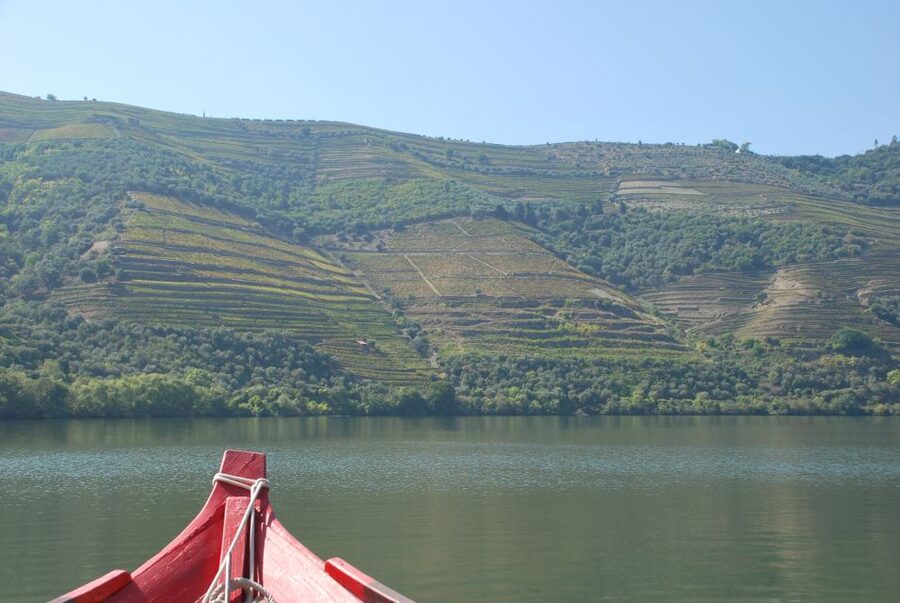
This portion of the Douro Valley is part of the oldest wine demarcated region in the world and also a UNESCO World Heritage site. You don’t need a lecture to understand why: the land is shaped for viticulture, and the river corridor reads like a timeline of how people worked with the terrain.
What I like most is the absence of “normal road clutter.” The cruise description notes that there are no national roads or traffic in sight along the route. That matters. It keeps the experience focused on vineyards, river light, and the quiet feeling you came for.
Two hours also hits a useful sweet spot. It’s long enough to reach the Tua area, do the turnaround, and still keep the energy up. Short tours can feel rushed; longer ones can feel like you’re sitting through the same scenery too long. This timing generally avoids both extremes.
Price and value: why $35 can make sense here
The price is about $35 per person for a 2-hour boat tour. Drinks are not included.
At first glance, that might sound like a “scenery tax.” But what you’re paying for is time on the water with minimal logistics and a direct view of multiple quintas in a single outing. Instead of hopping between viewpoints or driving the valley, you get a moving vantage point along the river itself.
This is also why the boat size and comfort matter. When the ride feels manageable and you have spots to reposition for photos, the money turns into a relaxed experience rather than a stiff sightseeing chore.
If you like having a treat, plan for it separately. One common approach is grabbing a drink at a restaurant afterward, because the boat price doesn’t include onboard drinks.
Who should book this Rabelo cruise
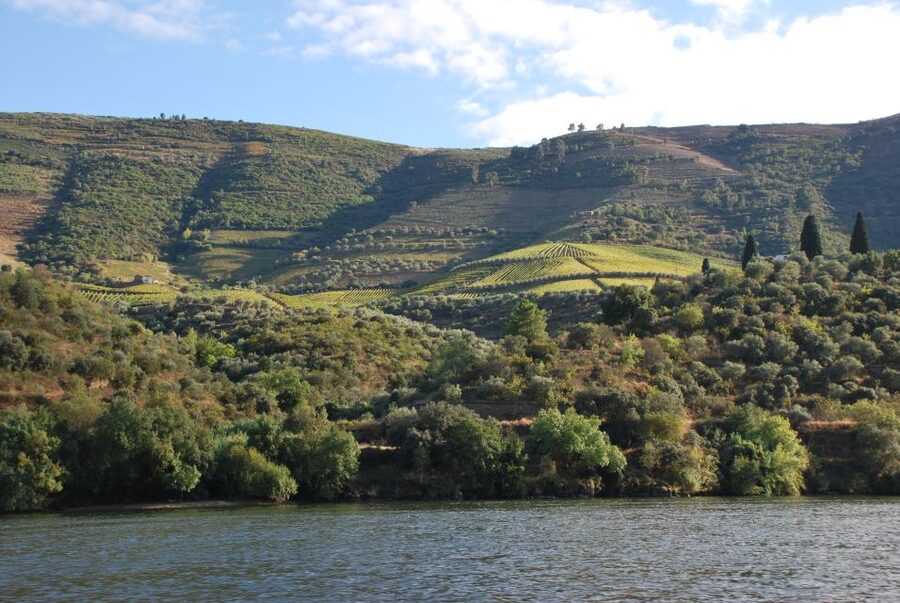
I’d steer you toward this tour if you want:
- A relaxing way to see Douro Valley wine country without a tight schedule
- A chance to get different views in both directions on the river
- A ride that works in changeable weather thanks to open and closed boat areas
- An audio layer you can manage at your pace, with narration in multiple languages
You might consider a different style of tour if you:
- Strongly prefer a live guide talking continuously instead of an app
- Don’t want to deal with downloading anything before you go
- Know your phone often has app or connectivity issues
In other words: this works best when you’re happy with a calmer, self-guided approach.
Should you book the Pinhão 2-hour Rabelo boat tour?
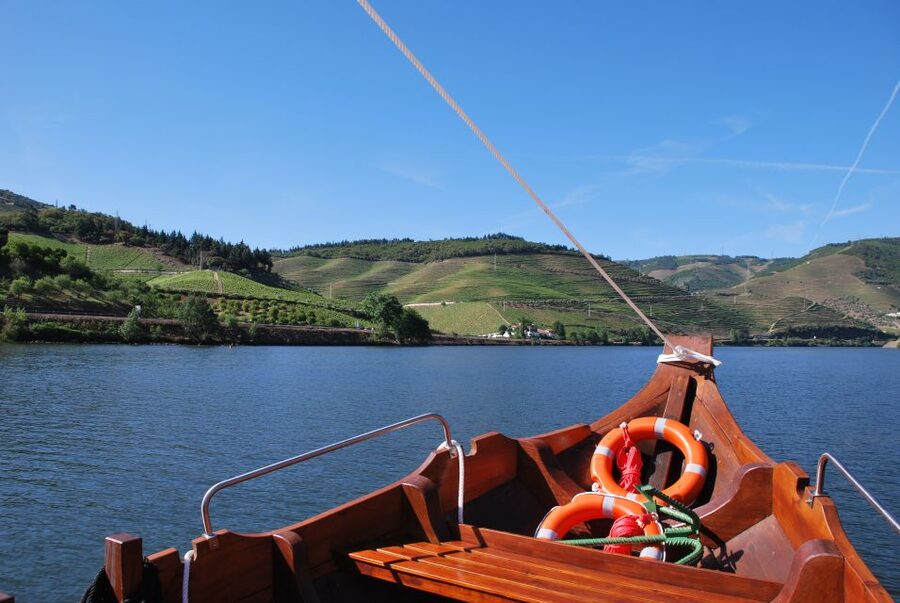
Yes, if your goal is to experience the Douro Valley without turning your day into a checklist. It’s a well-sized 2 hours, it focuses on the heart of the vineyard corridor between Pinhão and the Tua area, and the rabelo boat format keeps the comfort flexible.
Book it especially if you like scenery with context and you’re okay using your phone for the audio layer. If you’re willing to download the Magnifico Douro – Boat Tour app ahead of time and bring earphones, you’ll get the most out of the ride.
If you want nonstop human commentary or you’d rather skip app-based audio entirely, then look for an alternative tour type. But for most people, this is one of the most straightforward, value-friendly ways to see this part of the Douro the way it’s meant to be seen: on the river.
FAQ
FAQ
How long is the Pinhão 2-hour Rabelo boat tour?
The tour lasts 2 hours.
Where do I meet for the tour?
You meet at the Magnifico Douro Pier in Pinhão, near the iron bridge in front of the Vintage House Hotel garden gate. Enter by the bridge.
What route does the boat take?
You start in Pinhão, cruise upstream toward the Tua area, turn around near the Tua section (including the dam area), and return to Pinhão.
What’s included in the price?
The boat tour is included.
Are drinks included?
No, drinks are not included.
Is the audio guide included?
Yes. A free audio guide is included and you listen to it on your own mobile phone.
What languages are available for the audio guide?
The audio guide is available in English, French, German, Portuguese, and Spanish.
Do I need earphones?
Yes, you should bring your own earphones for a more pleasant experience.
Is the tour guaranteed to run?
It requires a minimum of two passengers to operate.
Can I cancel and get a refund?
Free cancellation is available up to 24 hours in advance for a full refund.