REVIEW · GQEBERHA
Port Elizabeth: Sandboarding with Short Boat Trip
Book on GetYourGuide →Operated by Sundays River Adventures · Bookable on GetYourGuide
Sandboarding on South Africa’s biggest dune feels wild. This Port Elizabeth outing mixes a relaxed cruise on the Sundays River with guided runs on the Alexandria Dune field, so you’re not just sliding—you’re learning how to control it. I especially like the way the guides adapt the lesson for first-timers, including easy options if you’re not ready to stand the whole time.
One thing to think about first: helmet or protection gear isn’t listed as included. Sand can be fast and spills happen when you’re new, so if you’re concerned, I’d ask what safety options are available before you go.
The good news is the setup is straightforward and light. You meet at A Taste of Africa (then walk a short way to the activity area), and luggage or large bags aren’t allowed, which keeps the day from turning into a packing circus. For about $42 per person, you’re paying for equipment, coaching, and the boat transfer to one of the most famous dune fields in the country.
In This Review
- Key highlights you’ll actually care about
- Alexandria Dune field + the Sundays River boat ride: why this tour works
- Choosing the 2- vs 3-hour sandboarding slot
- How the lesson actually helps you get down safely and faster
- What’s included in the price (and what you’ll pay for yourself)
- Meeting point, getting there, and the short walk to the boat
- What the day feels like: from sandboarding practice to river-area momentum
- Who this tour suits best (and who should skip it)
- Safety reality check: what’s provided vs what you should ask
- Practical tips that make your runs better (and less miserable)
- Value check: is it worth $42 for a beginner?
- Should you book Port Elizabeth sandboarding with the short boat trip?
- FAQ
- How long is the sandboarding tour?
- Where do I meet for the tour?
- What’s included in the price?
- What should I bring?
- Is there anything I’m not allowed to bring?
- Is the guide available in English?
- Can I cancel if plans change?
Key highlights you’ll actually care about
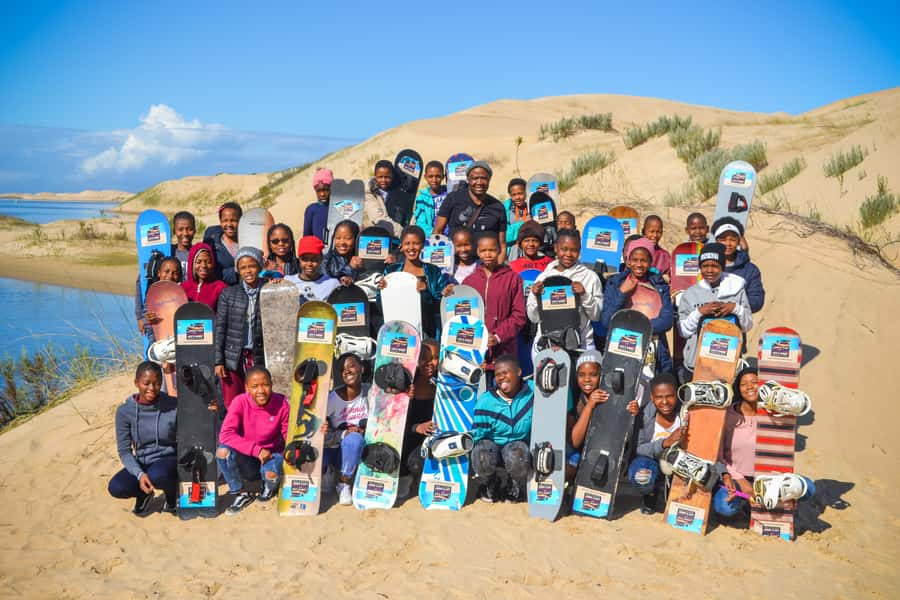
- Alexandria Dune field runs: a proper “big dune” experience that’s still beginner-friendly with coaching
- Short Sundays River boat trip: a calm buffer between the road and the adrenaline
- 2 or 3-hour options: enough time to learn basics, not just do one quick slide
- Multiple ways down: you can sit, belly-board, or progress to standing as you feel ready
- Guides who coach for real: clear explanations and tailored pace for different bodies and ages
Alexandria Dune field + the Sundays River boat ride: why this tour works
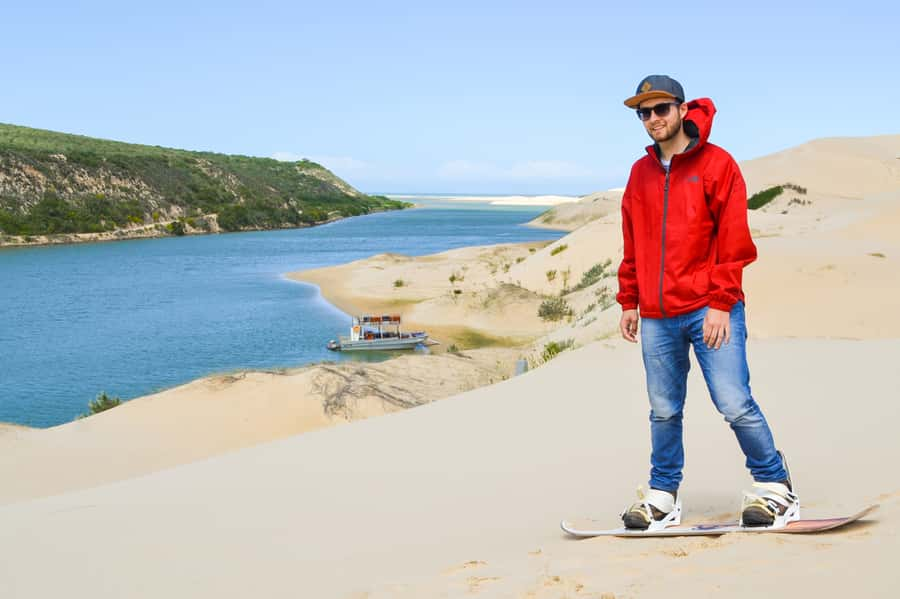
The best part of this experience isn’t only the sandboarding. It’s the rhythm: you trade the drive for a short boat crossing, then step into a dune that’s big enough to feel like a proper adventure. The Alexandria Dune field is known as the largest dune field in South Africa, and that reputation matters once you’re standing near it.
The Sundays River cruise is also a great reset. Even if you’re excited, it helps to take a breather before you commit your weight to a board. You get river views, a bit of movement on the water, and time to spot how the dunes sit above the river channel.
And unlike some “thrill” activities, this one is set up for learning. The day includes sandboarding lessons, not just equipment handoffs, and that changes everything if you’re nervous about falling.
Choosing the 2- vs 3-hour sandboarding slot
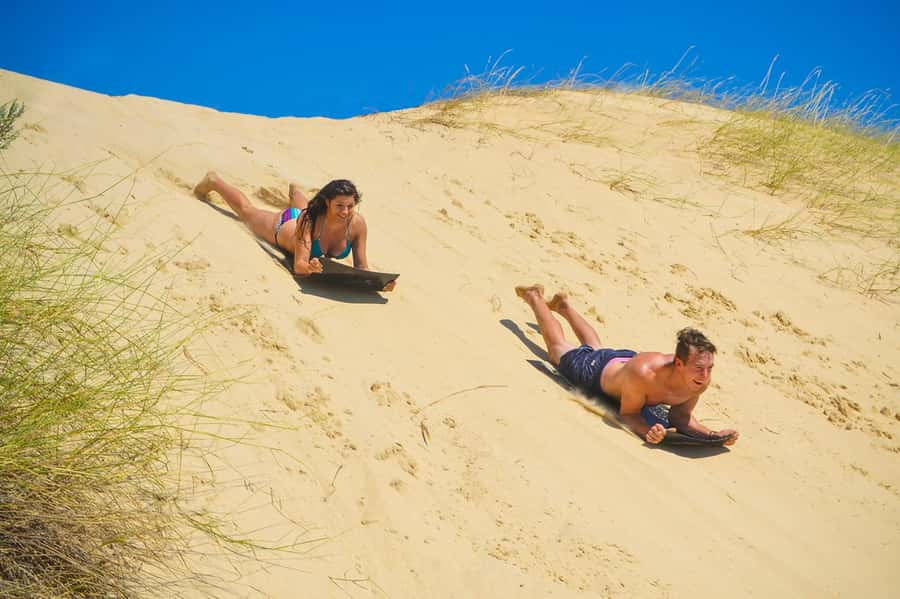
You can pick a 2-hour or 3-hour tour. In practical terms, that means you can match the day to your energy and your comfort level on the board.
A 2-hour slot is good if:
- You’re curious but want a shorter commitment
- You’re traveling with kids or older family members
- You’d rather spend the rest of the day exploring Port Elizabeth afterward
A 3-hour slot is better if:
- You want more repetition to improve your stance and turning
- You’d like extra time to try different styles (sit-down, belly-board, then standing)
- You have at least a little sandboarding experience and want more runs
Either way, the structure is designed to give you time to learn, not just “take your turn and go.” That’s a big deal because sandboarding feels easier the moment you understand how to shift your weight and what to do when you pick up speed.
How the lesson actually helps you get down safely and faster
This tour is built around the idea that not everyone starts off standing on a board. You can ease in with a sit-down or belly-board ride if you’re not comfortable standing. Then, as you gain control, the guides show you the technique for standing and surfing down the dune.
That approach is smart for two reasons. First, it lowers fear early on, so you’re more likely to keep your balance. Second, it lets you learn the basic sensation of moving over sand before you try the harder step of standing.
The guides also tailor their coaching. In a couple of accounts from different types of riders, instructors adjusted the climbs and pacing for older participants, while still keeping the experience fun. If you’re a bit uncertain about the effort level, that matters.
You’ll also notice that the “run” isn’t just one straight shot. The dune has a long drop, and you’re moving toward the river area. That means your body will learn faster because everything changes as the pitch and speed change.
What’s included in the price (and what you’ll pay for yourself)
At around $42 per person, this isn’t the cheapest activity in the area—but it’s priced like something that includes real instruction and gear. The included items are clear:
- Sandboarding equipment, including stand-up and flat boards
- A guide’s lesson
- A short boat trip across the river
What you pay out of pocket:
- Food and drinks
- Anything you bring for photos (your camera/phone is on you)
For me, the value comes from the full package. You’re not just renting a board and hoping for the best. You’re getting coaching on how to handle the board and how to progress. That’s the difference between a fun first attempt and a day where you feel lost.
Price-to-time is also fair. 2–3 hours is long enough to get past the nervous stage and do several attempts, especially if the guide keeps the group moving.
Meeting point, getting there, and the short walk to the boat
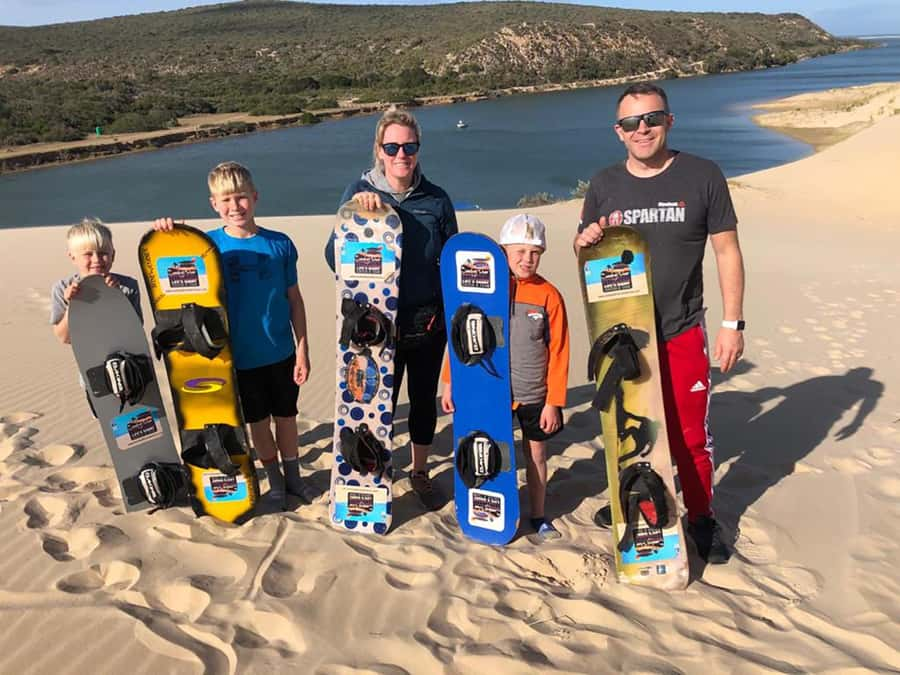
You meet at A Taste of Africa Restaurant and Coffee Shop. The process is simple: sign in with a local representative, then your guide meets you there and takes you to the boat area.
One small detail that can save you time: there’s a short transfer. You’re directed from the restaurant to the premises, about 200 meters away. It’s not far, but showing up without shoes ready or with too many belongings can make the first few minutes annoying.
You also have two starting options:
- A Taste of Africa in Port Elizabeth
- Colchester, South Africa
If you’re staying near Port Elizabeth, starting at the restaurant is probably easiest. If you’re closer to Colchester, that option can cut travel time.
Also remember the no-luggage rule. Luggage or large bags aren’t allowed, so pack light for a sand activity. The more you can travel hands-free, the better.
What the day feels like: from sandboarding practice to river-area momentum
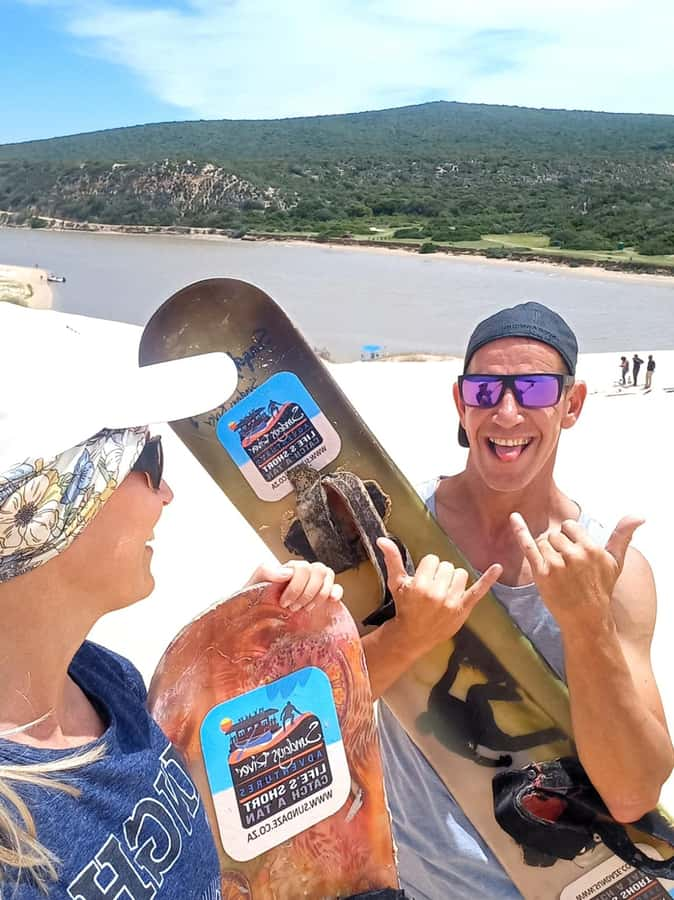
A typical flow goes like this: sign in, meet your guide, head to the river area, then do the short boat ride out to the dune field. That cruise acts like a buffer. You arrive feeling like you’re on a trip, not just waiting around for your turn.
Then the sandboarding part starts with instruction. Expect guidance on balance and how to move as the slope changes. If you choose to start seated or belly-down, you’ll still get the sense of speed and direction.
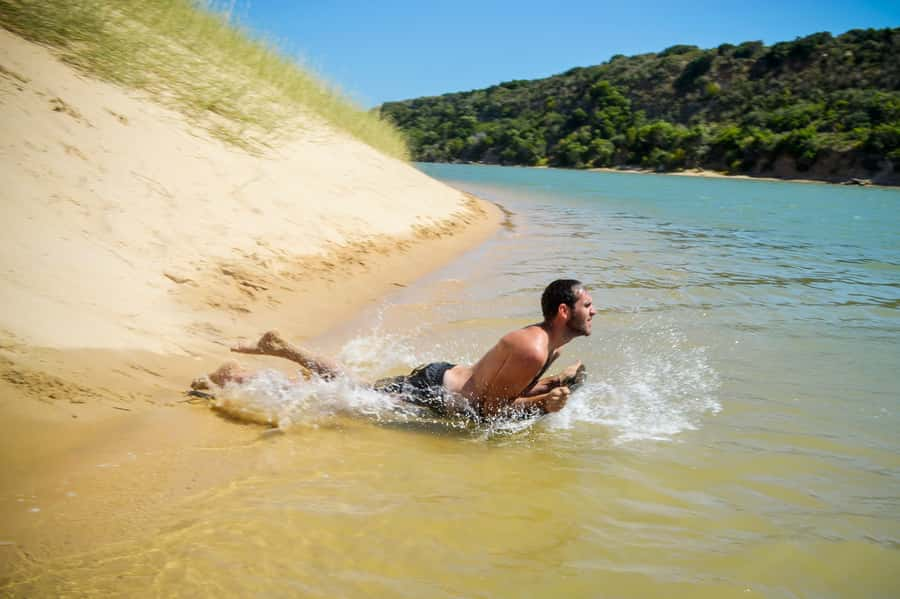
A nice detail from real experiences: some people described an unexpected sledding-like moment that slides you toward the river. It sounds like a bonus version of the same idea—more fun, more motion—without changing the overall structure of the day.
Finally, you return by boat back after the runs. The whole design means you don’t spend the afternoon just trekking up and down dunes alone.
Who this tour suits best (and who should skip it)
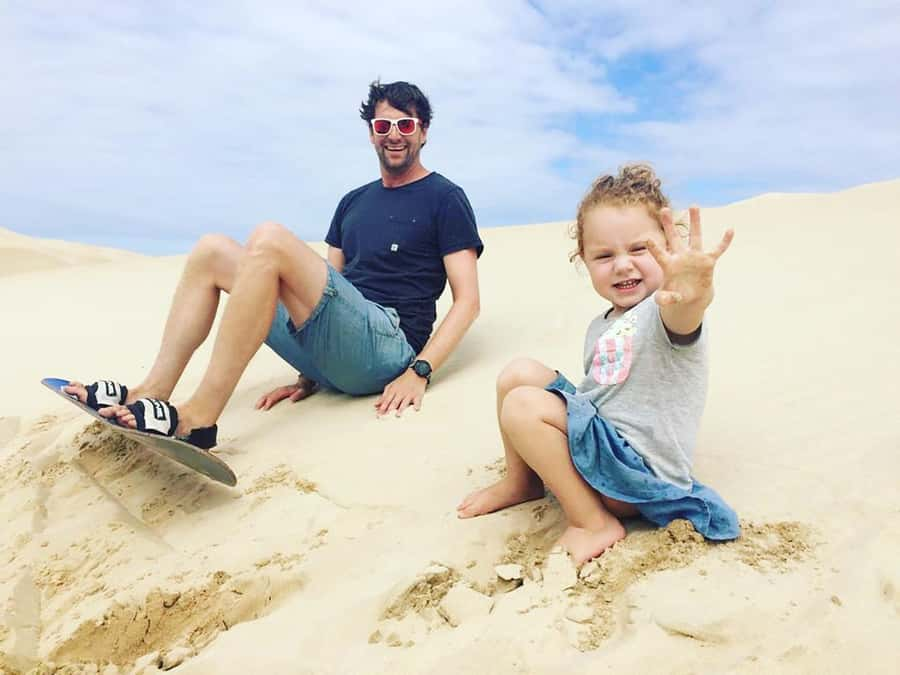
This is a high-adrenaline sand activity, even if the guides are patient. It’s suited to both beginners and experienced sandboarders, since you can start with easier riding positions and progress.
It’s a good match if you:
- Want an outdoor thrill without a full-day commitment
- Prefer guided practice over trial and error
- Like activities that work for mixed skill levels in one group
- Travel with families (kids have enjoyed the experience with supportive guidance)
But it’s not suitable for:
- Pregnant women
- People with back problems
- People with mobility impairments
If any of those apply, I’d skip this one. The dune involves standing/speed and getting back up, so your body needs to handle more than just sitting in the shade.
Safety reality check: what’s provided vs what you should ask
Here’s the honest part. The tour includes boards and lessons, but helmets or protection gear are not listed as included in the details you have. That means your real-world safety depends on how the guides run the session and what protection is available on request.
In at least one account, a rider wished helmets and protection had been provided after a fall that involved head impact. Another person noted the boards were waxed and polished and that the instruction felt friendly and well explained, which can reduce accidents, because smoother board surfaces help you control speed and direction.
So what should you do?
- If helmets are important to you, ask before you book or at the start of the tour.
- If you’re a true beginner, start with the sit-down or belly-board option first, then stand only when you feel stable.
- Wear comfortable shoes, because you’ll be walking on uneven ground and climbing back up at least some of the time.
Sandboarding is supposed to be fun. It shouldn’t feel careless.
Practical tips that make your runs better (and less miserable)
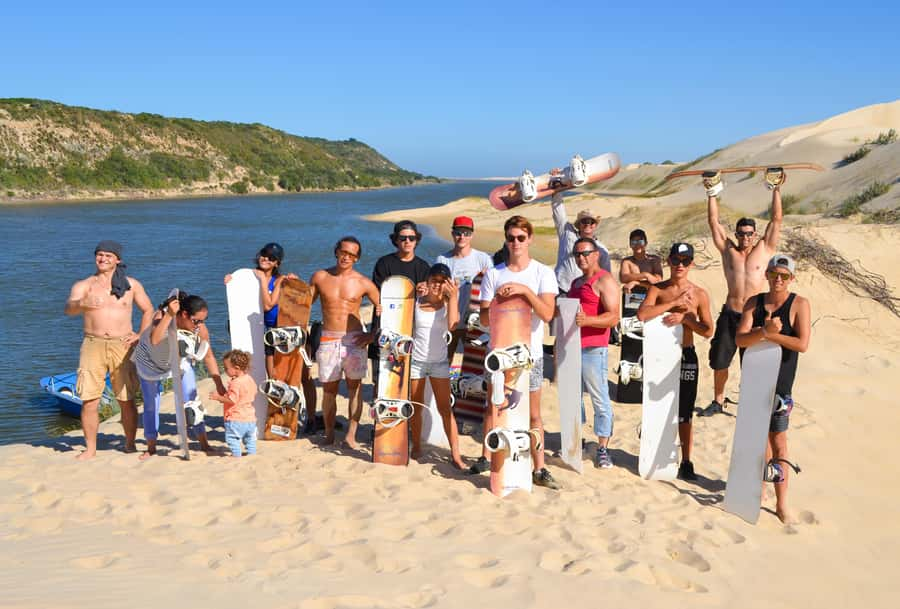
You’ll enjoy this more if you show up ready for sun and grit.
Bring:
- Comfortable shoes
- Sunglasses
- A sun hat
- Food and drinks
Not allowed:
- Luggage or large bags
A couple of behavior tips that help on dune days:
- Take the lesson seriously in the first attempts. Your body learns fastest before you start “freestyle-ing.”
- Use the seating options if standing feels shaky. You’re there to ride, not prove anything.
- Listen for guide cues on when to move and when to slow down. The dune slope changes, and your control matters most during those transitions.
If you’re going with kids, watch for the same pattern: give them the simplest option first, then progress step by step. Some guides are especially good with families, and it shows when kids are allowed to participate without feeling pushed.
Value check: is it worth $42 for a beginner?
For many people, the $42 price makes sense for one reason: you get the whole package that beginners usually struggle to assemble on their own. Equipment, instruction, and the boat transfer are included. That reduces the chances of a disappointing day.
If you were planning to rent boards elsewhere, find a dune big enough for real sliding, and then hire a coach, you’d probably spend more and still feel uncertain. Here, you’re paying to reduce uncertainty.
And because you can choose a 2- or 3-hour length, you can keep it proportional. If you’re just dipping a toe into sandboarding, the shorter slot keeps the commitment tight. If you want improvement, go longer.
That said, if you’re the type who needs guaranteed safety gear like helmets, you should clarify what’s available. The details you have don’t promise it, and one account specifically raised that gap.
Should you book Port Elizabeth sandboarding with the short boat trip?
Book it if you want a guided sandboarding day at a famous dune, with an included river cruise that turns the whole outing into more than one downhill moment. This tour is especially appealing if you’re a first-timer who wants coaching and options beyond standing the whole time.
Skip it if you have back problems, mobility limitations, or if you’re pregnant. Also think twice if you strongly prefer guaranteed protective gear and you’re not comfortable asking questions on safety at the start.
If you do book, show up with the right attitude: go step by step, use the seating options when needed, and treat the dune like a lesson, not a stunt. That’s when the experience becomes the kind you’ll talk about long after the sand is gone.
FAQ
How long is the sandboarding tour?
It runs for 2 to 3 hours, depending on which option you choose.
Where do I meet for the tour?
Meet at A Taste of Africa Restaurant and Coffee Shop, where you sign in and then your guide takes you to the boat.
What’s included in the price?
You get sandboarding equipment (including stand-up and flat boards), lessons from the guide, and a short boat trip across the river to the dunes.
What should I bring?
Bring comfortable shoes, sunglasses, a sun hat, and food and drinks.
Is there anything I’m not allowed to bring?
Yes. Luggage or large bags are not allowed.
Is the guide available in English?
Yes. A live tour guide is available in English.
Can I cancel if plans change?
The activity offers free cancellation up to 24 hours in advance for a full refund.