REVIEW · TADOUSSAC
Tadoussac/Charlevoix: 3-Hour Whale Watching Boat Tour
Book on GetYourGuide →Operated by AML Cruises · Bookable on GetYourGuide
Whales turn a 3-hour boat ride into real life wonder. This AML Cruises tour runs out of the Saguenay–St. Lawrence Marine Park, where expert naturalist-guides share what’s happening in English and French while you watch spouts and breaches light up the fjord. In the guide crew, names like Cedric, Megan, and Chantelle come up a lot for being upbeat and clear as sightings happen.
What I like most is the mix of wildlife and views. You get both outdoor deck space for scanning the water and an option for fully glazed indoor rooms with a wide, 180-degree view—helpful when fog rolls in or the wind gets serious.
One real consideration: you need to dress for cold and wind, even in summer, and whale sightings are never 100% predictable. The good news is AML offers a whale guarantee (another whale-watching tour if no sightings happen), but you should still plan as if you might not see every species.
In This Review
- Key things worth knowing before you go
- Tadoussac/Charlevoix whale watching: why the Saguenay area does the heavy lifting
- Choosing your spot on the boat: outdoor decks vs 180-degree indoor views
- VIP lounge and Upper Deck access: when the upgrade actually pays off
- The 3-hour plan on the water: what happens during the fjord cruise
- 1) Depart from one of the two listed locations
- 2) Saguenay–St. Lawrence Marine Park: photo stop + cruise + whale watching
- 3) Saguenay Fjords National Park: photo stop + more cruising
- Bilingual naturalist guidance: how to turn sightings into understanding
- Comfort at sea: cold wind is the real opponent, not the schedule
- Photo and wildlife expectations: distance, timing, and what to shoot
- VIP vs standard: deciding based on how you handle wind
- Getting there smoothly: meeting points, parking, and timing
- The whale guarantee: what it does and what it can’t promise
- Should you book this Tadoussac/Charlevoix whale watching tour?
- FAQ
- Is the whale watching tour 3 hours long?
- Where does the tour depart from?
- Is the commentary available in English and French?
- What should I bring for the trip?
- What if we don’t see whales?
- Is food and drink included?
- Is the tour run in bad weather?
Key things worth knowing before you go
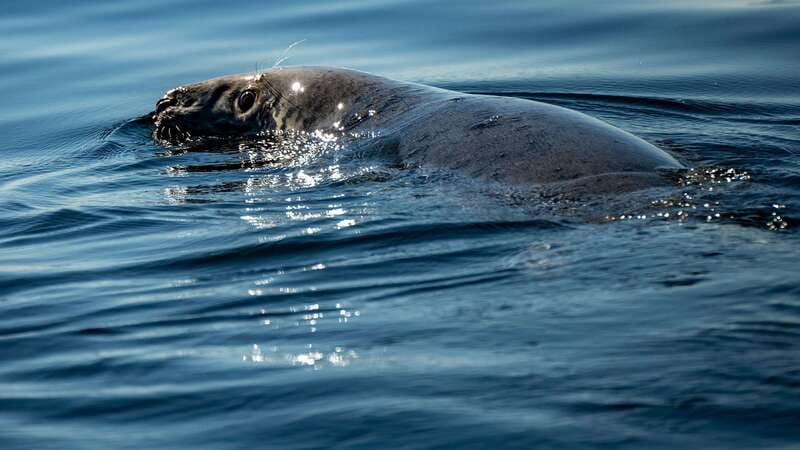
- Up to 13 whale species are possible in the park, including humpback, minke, fin, and beluga (plus seals and other marine life).
- Bilingual naturalist commentary (English/French) helps you understand behavior, not just spot animals.
- Outdoor decks and glazed indoor rooms mean you can chase whales and stay comfortable.
- VIP or Upper Deck upgrades can improve your viewing experience, especially when the weather is rough.
- If no sightings happen, you’re offered another tour, since this is a natural environment.
Tadoussac/Charlevoix whale watching: why the Saguenay area does the heavy lifting
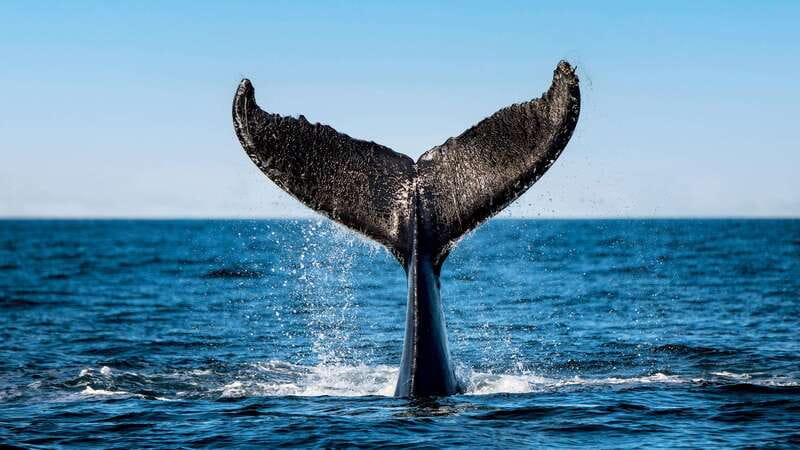
This is the kind of tour that works even if you’re not a “marine life person.” The reason is simple: the Saguenay–St. Lawrence Marine Park sits right where whales feed, travel, and surface often enough to create a real chance at seeing multiple species in one outing. On paper, that sounds like marketing. On the water, it means you spend your time scanning and reacting, not waiting in silence.
I like that AML positions the experience around both learning and observation. Your guide doesn’t just list names. They connect what you’re seeing—spouts, dives, feeding behaviors, and the timing of whale activity—to the local habitat. That’s where the bilingual commentary becomes a practical benefit: if you miss one moment, you’re still likely to catch the explanation right after, in the language you’re following best.
And then there’s the fjord itself. Even when the animals take their time, you’re still cruising through a dramatic area of cliffs and mountain-backed water where the scenery keeps your camera busy. It’s not just a “whale tour,” it’s a fjord experience.
Choosing your spot on the boat: outdoor decks vs 180-degree indoor views
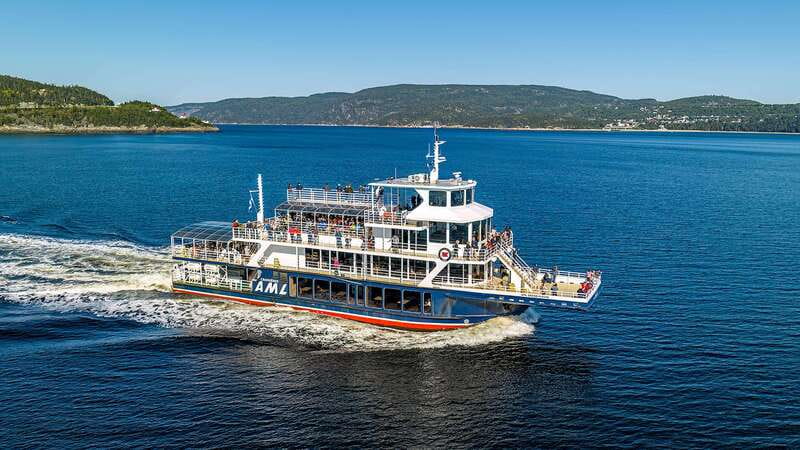
You don’t need to be a sailor to enjoy this. You need to pick how you want to watch.
On AML’s boats, you generally have:
- Exterior deck areas for unobstructed scanning (great for spotting, photographing, and feeling the weather).
- Fully glazed indoor rooms with a 180-degree panoramic view (great for comfort and still getting a wide field of view).
Here’s the practical trick: use the inside if wind and cold are draining your patience, then pop outside when you hear the guide call a sighting. This gives you the best of both worlds—staying warm while still catching the action when it happens.
VIP lounge and Upper Deck access: when the upgrade actually pays off
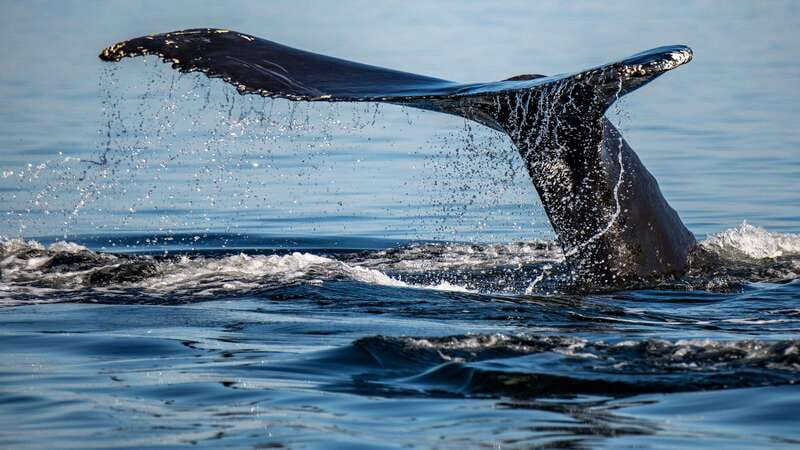
There’s an upgrade path, and it isn’t just about vanity.
- VIP experience: food and drink are included, and you’re typically given a quieter, more relaxed viewing area (not a chaotic free-for-all).
- Upper Deck access: you get higher, better sightlines for watching whales across the water.
From firsthand feedback you can take seriously: people often say VIP is worth it when you want a break from wind and want a more comfortable viewing setup. One detail that matters if you have mobility constraints: VIP setups can involve stairs (some people reported only one set of stairs to reach a lounge area). Standard access is broader, but if you care a lot about comfort, the upgrade can change the whole mood of the trip.
If you’re going with kids, the comfort of VIP or the sightlines of the upper levels can also help you keep everyone engaged when the weather swings.
The 3-hour plan on the water: what happens during the fjord cruise
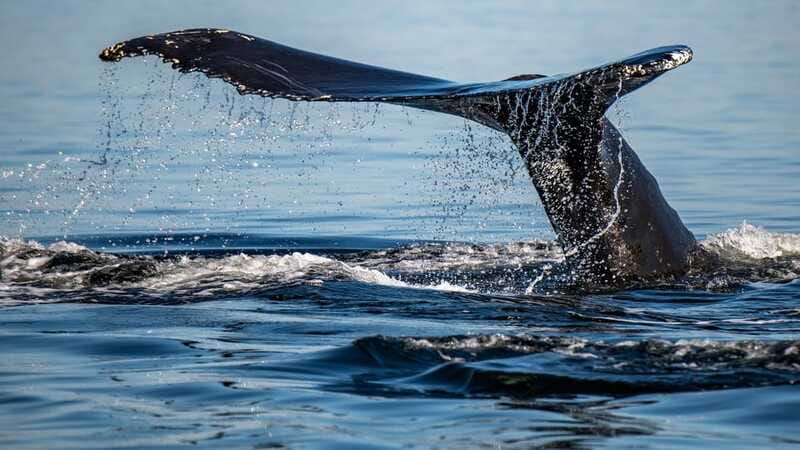
This tour is short on purpose—3 hours is enough time to find whale activity without dragging the day out. Here’s what you can expect in sequence:
1) Depart from one of the two listed locations
You’ll board at one of the meeting points tied to your booking option:
- 159 Rte 138
- 177 Rue des Pionniers
No hotel pickup is included. Aim to arrive early because boarding starts about 30 minutes before departure, and boats leave on time.
2) Saguenay–St. Lawrence Marine Park: photo stop + cruise + whale watching
This is the main action area. You’ll have a photo stop, then you’ll cruise through the zone where your guide looks for whale activity. When the whales show up, you’ll shift from “pretty fjord ride” to “watch mode,” with the guide calling out what species might be present and what behaviors to look for.
What you might see here (varies by day):
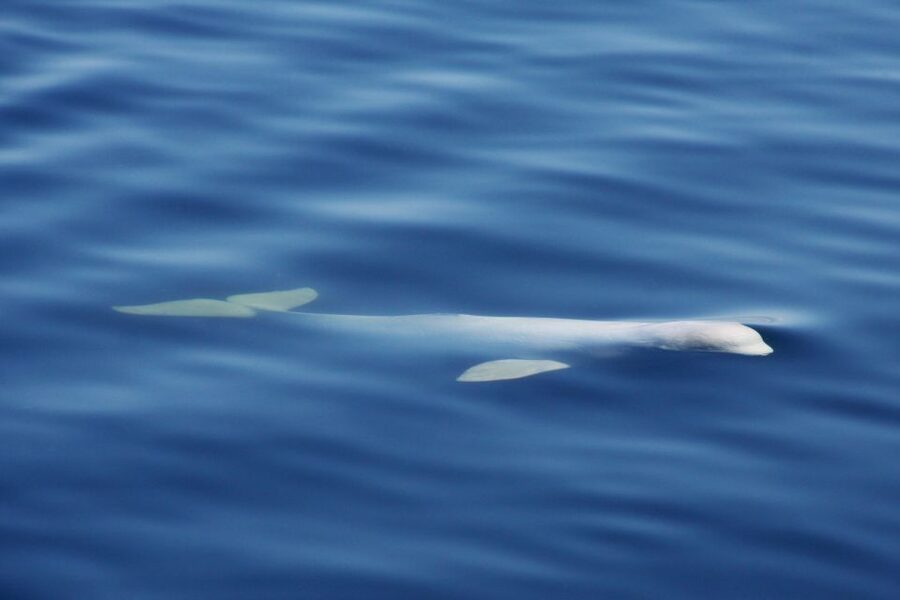
- Beluga whales (often a highlight)
- Minke whales and fin whales
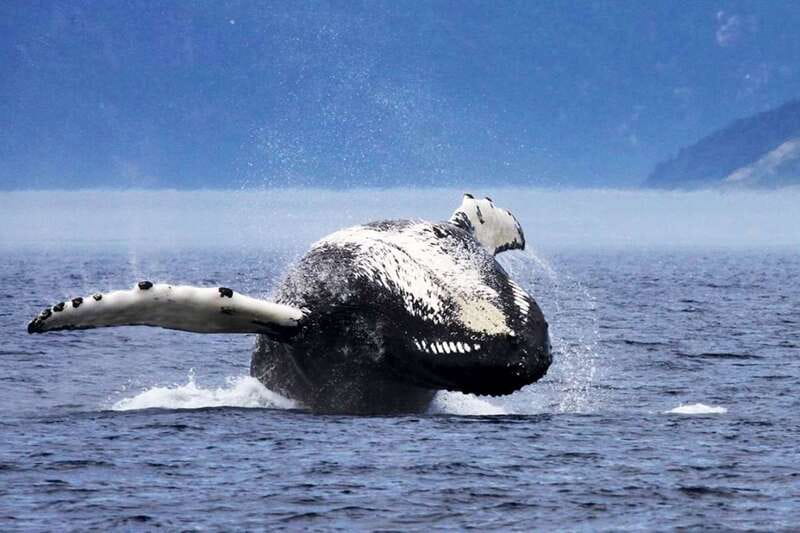
- Humpback whales (including feeding behavior when conditions line up)
- Lots of seals, sometimes including multiple seal types
- Occasional dolphins/porpoises and seabirds (you may hear about other species too)
A key reality check for your expectations: whales can be far away. Even when you’re lucky enough to see plenty, they may appear as dark shapes on the surface rather than close-up stars of the show. The upside is that your guide helps you interpret what you’re seeing, and a good long-lens photo setup can still capture real action.
3) Saguenay Fjords National Park: photo stop + more cruising
After the main whale-watching block, the tour continues with another stretch focused on views and additional opportunities for sightings. Expect another photo stop and a cruise that keeps the fjord drama front and center—good for photos even on days when animal sightings are fewer.
Bilingual naturalist guidance: how to turn sightings into understanding
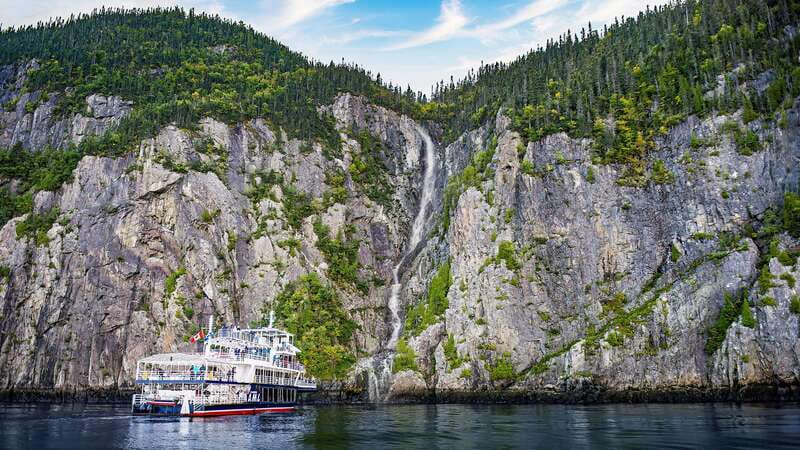
This is where the tour feels worth the money.
On board, you get commentary in English and French from a certified naturalist guide. People specifically mention guides like Cedric and Megan for being excited and able to explain quickly when something is spotted. That matters because whale watching is all about tiny signals: a spout you might miss, a ripple pattern, or the timing of resurfacing.
One helpful tip from the experience: if the boat is foggy or the wind is strong, hearing announcements can be harder from certain spots. If you’re inside, check whether sound carries well where you’re seated. If you want maximum clarity, move toward open decks or viewpoints that let you hear the guide callouts without fighting the conditions.
Comfort at sea: cold wind is the real opponent, not the schedule
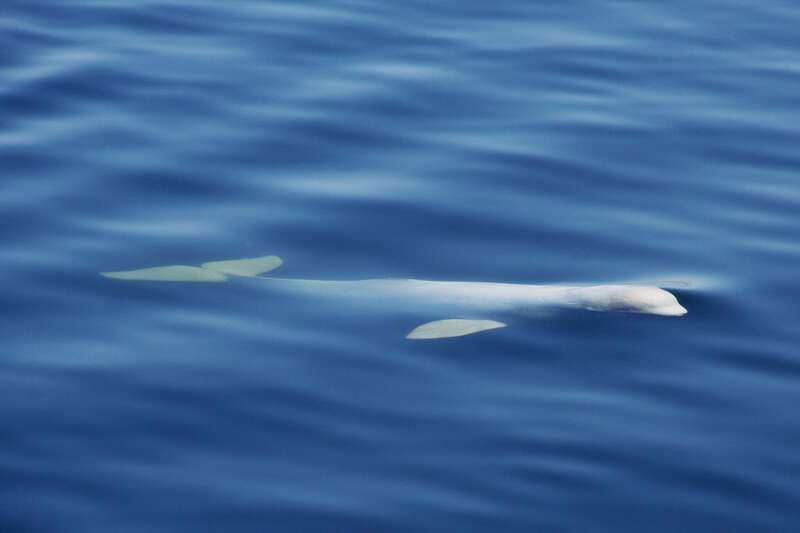
The itinerary may look simple, but the weather is the curveball.
Even in warmer months, you can feel cold and windy out on the water. Multiple people recommend dressing for winter-level wind chill:
- Warm layers, not just a light jacket
- A hat (or anything that straps down)
- Gloves if you run cold
- Sunglasses, because glare can be intense on breaks between clouds
One practical comfort plus: the boat has enclosed areas, so rain or shine doesn’t automatically end your comfort. Cruises run unless weather becomes unsafe for passengers.
Also note: boarding starts early, and you’ll want to be ready before you step into wind on deck. If you wait until you’re already uncomfortable, you’ll lose time you could have spent watching.
Photo and wildlife expectations: distance, timing, and what to shoot
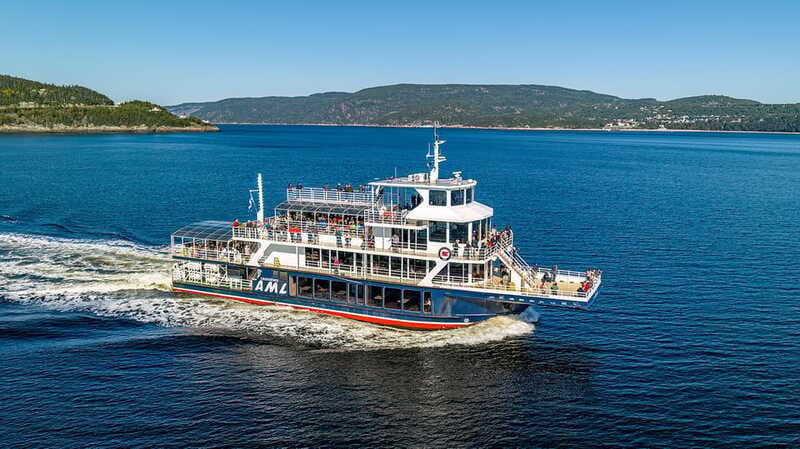
You don’t control where whales surface. You can control how ready you are to notice it.
A few expectations to set right:
- Whales can be close enough for great moments, but they can also be distant and look small from the boat.
- The guide’s job is to help you track what’s happening so you don’t miss the moment a blow becomes a dive.
- If you’re shooting photos, a longer lens helps. One person specifically mentioned a 500 mm lens working well when whales surfaced.
Also, don’t get stuck on the idea that only tiny Zodiacs get the best views. One important myth gets corrected: distances to whales are regulated, so boats of different sizes still keep proper spacing. The bigger boat can actually help because you may sit higher and see more clearly when waters get choppy.
VIP vs standard: deciding based on how you handle wind
Let’s talk value, because $122 for a 3-hour outing isn’t pocket change, and you want your money tied to something real.
Standard tickets generally make sense if:
- You can handle being outside for stretches
- You don’t mind buying drinks/snacks onboard rather than having food included
- You’re fine rotating between decks and indoor rooms
VIP makes more sense if:
- Wind and cold will ruin the experience for you
- You want a quieter, calmer viewing setup
- You care about food and drink included rather than paying onboard
Upper Deck access can be a middle ground if you care most about sightlines and don’t want the full VIP package.
If you’re traveling as a couple or with older kids, the upgrade can also be a “hassle reducer,” since you’re less likely to spend the trip searching for the best spot and more likely to just watch.
Getting there smoothly: meeting points, parking, and timing
This tour has two departure options tied to different meeting points, and you should plan around them:
- 159 Rte 138
- 177 Rue des Pionniers
Boats depart on time, and boarding begins about 30 minutes before departure. Arrive early so you’re not rushing in cold weather.
Parking is not included, and some people reported it can be a bit of a walk depending on where you park. If you’re arriving by car, give yourself extra buffer time.
Also remember:
- No hotel pickup/drop-off
- Bring a credit card (cash isn’t accepted on board)
- Binoculars aren’t included, so bring your own if you like getting extra detail
The whale guarantee: what it does and what it can’t promise
Let’s be honest: whale watching is always a nature gamble.
AML states the sighting rate is extremely high, but whales can be elusive because this is the wild. If no sightings are made, you’re offered another whale-watching tour.
That doesn’t mean you’ll see every species, or that every whale will come up right when you’re looking. It does mean you’re not completely out of luck if nature doesn’t cooperate.
So plan your expectations like a pro:
- Go for the chance to see multiple whale species
- Expect seals and other marine life as a strong possibility
- Treat the “up to 13 species” as a best-case window, not a guarantee
- Bring patience for the fact that sometimes the ocean is quiet
Should you book this Tadoussac/Charlevoix whale watching tour?
Book it if you want a well-run, comfortable boat experience with serious wildlife potential in one of the top whale regions in the world. The bilingual naturalist guidance, flexible viewing options (inside or outside), and the chance to see multiple whale species make this a strong value for a 3-hour outing.
Pass on it (or at least adjust expectations) if you:
- Only want close-up whale action every time
- Hate cold wind and won’t dress for it
- Need wheelchair access (this tour is not suitable for wheelchair users)
If you’ve got extra time in the area, it also helps to pair the cruise with a whale interpretation center in Tadoussac—so you arrive on the boat already knowing what you’re looking for.
Either way: pack warm clothes, bring a camera with a longer lens if you have one, and plan to spend the whole ride scanning the water. When the fjord goes quiet for a minute and then the guide calls a sighting, that’s when the trip pays off.
FAQ
Is the whale watching tour 3 hours long?
Yes, the tour duration is 3 hours.
Where does the tour depart from?
There are two listed starting meeting points depending on your option: 159 Rte 138 and 177 Rue des Pionniers.
Is the commentary available in English and French?
Yes. The tour includes bilingual commentary in English and French with a live naturalist guide onboard.
What should I bring for the trip?
Bring comfortable shoes, warm clothing, sunglasses, and a credit card. Comfortable clothes are recommended, and you’ll be more comfortable if you dress for wind and cold.
What if we don’t see whales?
AML Cruises offers a whale guarantee. If no sightings are made, you’ll be offered another whale-watching boat tour.
Is food and drink included?
Standard tickets do not list food and drink as included. The onboard bistro is available, and VIP upgrades include food and drink (chosen during booking).
Is the tour run in bad weather?
Cruises operate rain or shine unless weather conditions pose a safety risk. The boat includes an enclosed area for comfort.