REVIEW · VANCOUVER
Vancouver: Indian Arm and Granite Falls Zodiac Boat Tour
Book on GetYourGuide →Operated by Vancouver Water Adventures · Bookable on GetYourGuide
Three hours, two fjords, and ocean air. This zodiac boat tour turns Vancouver Harbour into a front-row seat for the city skyline, Stanley Park, and Lion’s Gate, then pushes into the glacial quiet of Indian Arm toward the up-close drama of Granite Falls. Two things I really liked: seeing Vancouver from the water (not the sidewalk) and the way your guide ties the scenery to local geology and history while you cruise.
The main thing to consider is that it runs rain or shine, and the zodiac ride moves fast enough that you can get damp and feel the wind even with the provided gear.
In This Review
- Key Points You’ll Care About
- Why This Zodiac Tour Feels Better Than Looking from Land
- Getting Oriented at Granville Island (and Why Arriving Early Matters)
- Harbor to Stanley Park: English Bay, the Seawall, and City Views from the Water
- Under Lion’s Gate: North Shore Mountains and the Shipping Port Reality
- Siwash Rock and Granite Cliffs: Where the Coast Story Turns Scenic
- Indian Arm Fjord: Ocean Air, Wind on Your Face, and a Cooler Pace
- Granite Falls Up Close: The Cascades You Can Hear
- Wildlife Spottings, Doughnut Moments, and Weather Reality Checks
- Is $116 Worth It? Value for 3 Hours on the Water
- Who Should Book This (and Who Should Skip It)
- Should You Book the Vancouver Indian Arm and Granite Falls Zodiac Tour?
- FAQ
- Where is the meeting point?
- How long is the tour?
- What’s included in the price?
- What’s not included?
- Does the tour run in bad weather?
- What language is the guide?
- Is the tour wheelchair accessible?
- How much does it cost?
- Is there a cancellation option for a refund?
- Who should not take this tour?
Key Points You’ll Care About
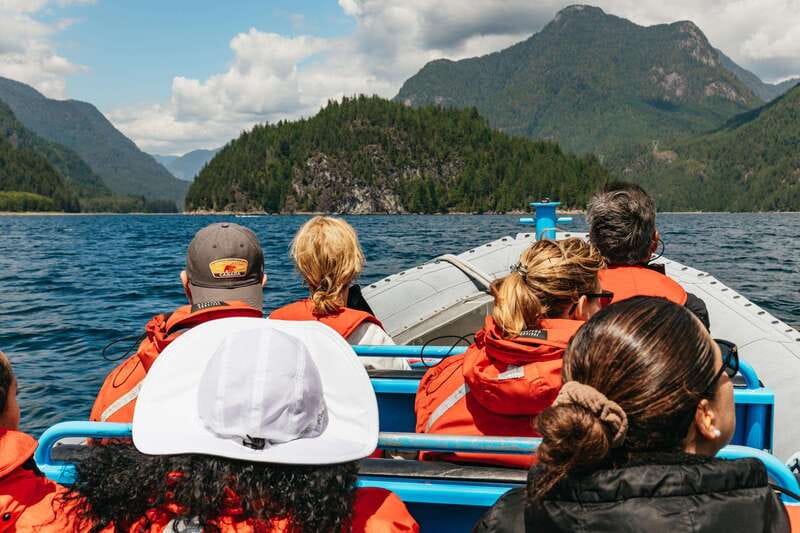
- Granville Island start, water-level city sights: English Bay, Stanley Park, and the Seawall come into focus from the harbor.
- Lion’s Gate Bridge and North Shore views: You’ll pass under the bridge and look up toward mountain scenery across the water.
- Siwash Rock and granite cliffs: Expect classic North Shore landmarks and waterfall views.
- Indian Arm’s glacial fjord feel: Ocean air, wind on your face, and a colder, quieter kind of beauty.
- Granite Falls up close: This is the centerpiece stop, where the cascades feel close enough to hear clearly.
- Suits and lifejackets provided: You’re geared up for a wet-and-cool coast ride.
Why This Zodiac Tour Feels Better Than Looking from Land
Vancouver is great from the street. But once you’re in a zodiac, you stop “visiting” and start seeing. You get the harbor geometry—bridges, cliffs, shoreline curves—at eye level, so things like Stanley Park’s edge and the Seawall don’t look like trivia. They look like real infrastructure tied to the water.
I also like that the tour doesn’t treat the fjord like scenery wallpaper. Your guide talks about British Columbia’s local history and geology, so Granite Falls and the granite cliffs make more sense than just pretty sights. And if you want a lively ride, this one can deliver a fun burst too—some tours include fast maneuvers (the water doughnuts), which is a small thrill without turning into a stunt show.
The trade-off: this is still a boat ride on open water. If you’re hoping for a gentle, sheltered cruise the whole time, zodiac tours aren’t built for that. You’ll get cold/wet elements at times, and the tour is explicit about running rain or shine.
You can also read our reviews of more tours and experiences in Vancouver.
Getting Oriented at Granville Island (and Why Arriving Early Matters)
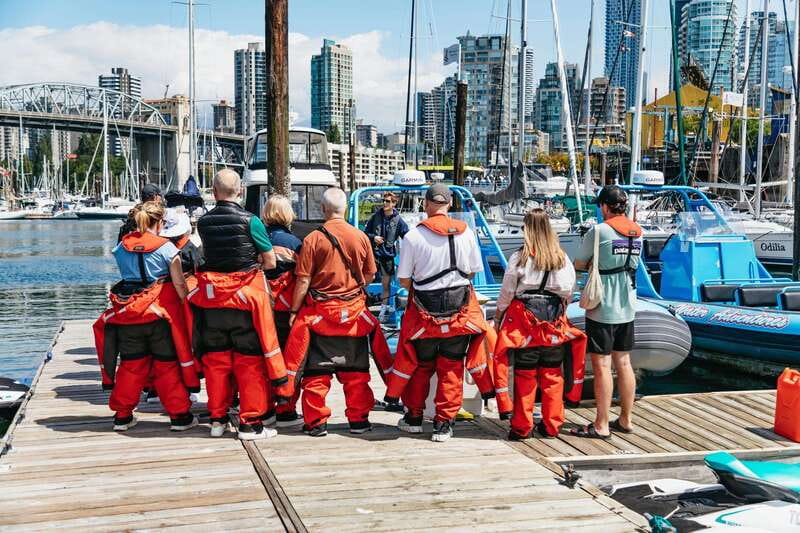
You meet at Vancouver Water Adventures, at Granville Island. Arrive 30 minutes early so you can get outfitted with the survival suits and lifejackets and review safety procedures. That time matters because this tour is designed around being ready for wind, spray, and the speed typical of a zodiac.
Once you’re in gear, you’ll feel the difference right away. People mention the suits as worthwhile even when it’s warm—one note described how the suit can be adjusted for comfort during warmer stretches, but still gives protection if conditions shift. In other words, you’re not just borrowing a costume. You’re getting proper water-and-wind protection for a 3-hour outing.
If you’re the type who runs late, don’t. The schedule depends on getting everyone geared up and briefed before you head out.
Harbor to Stanley Park: English Bay, the Seawall, and City Views from the Water
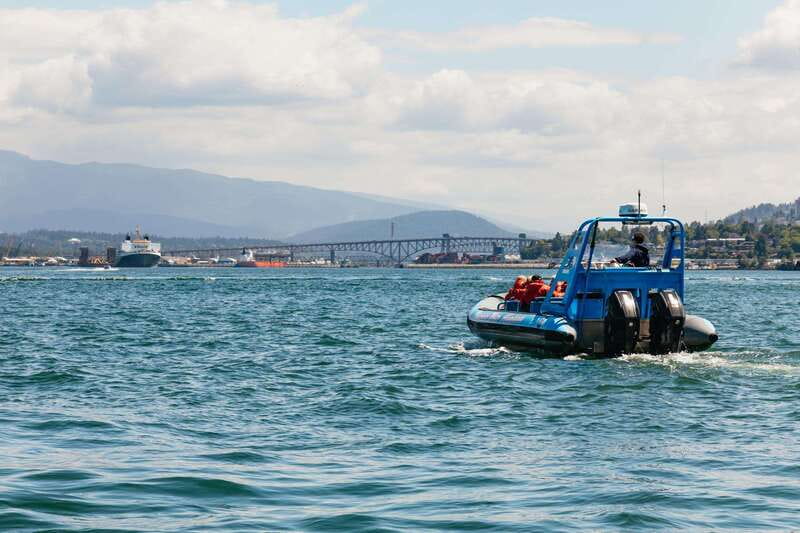
The tour starts by traveling through Vancouver Harbor, so the first chunk is about orientation and views. You pass by Granville Island and head out with sights like English Bay—think long beaches and the mix of shoreline homes and buildings you don’t get from most tourist routes.
Then comes Stanley Park. From water level, you see what the park is actually doing: guarding the city’s edge, lining up the coastline, and framing the views. Your guide points out the Seawall and talks about the setting in a way that makes it feel less like a wall and more like a living coastal system.
This part is ideal if you want photos that feel different. Shoreline shots from boats have depth—water reflections, bridge shadows, and trees that look closer than they do from the seawall path. And because it’s a zodiac, you’re not stuck behind a big window or far from the action.
Under Lion’s Gate: North Shore Mountains and the Shipping Port Reality
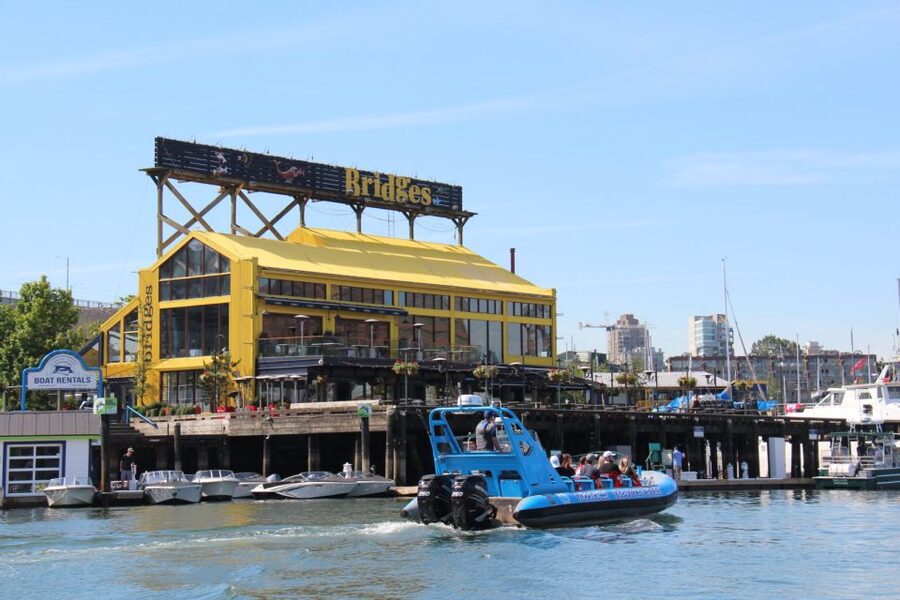
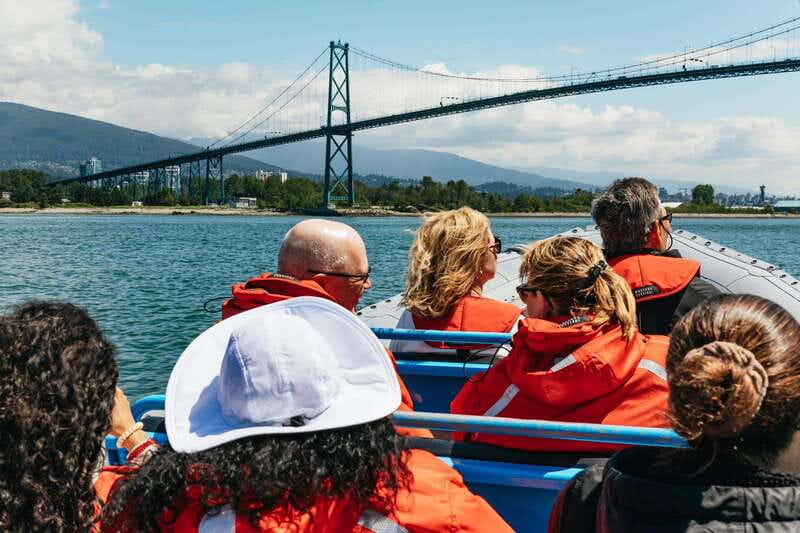
One of the fun landmarks is the Lion’s Gate Bridge crossing. You go underneath it, so you get that layered effect—bridge structure above, water stretching under you, and the North Shore in the distance.
As you cruise along, you’ll also pass areas connected to Vancouver’s working waterfront. One stop includes the Seaspan area, and your guide explains how Vancouver functions as a major international shipping port. That’s a detail I appreciate because it changes the vibe. The city isn’t just postcard scenery—there’s heavy industry and logistics shaping what you see from the water.
The North Shore mountains add another layer. From the harbor, they can look like a background. From the boat, they show scale and texture—especially when the air is cool and the water is glassy or choppy depending on the day.
Siwash Rock and Granite Cliffs: Where the Coast Story Turns Scenic
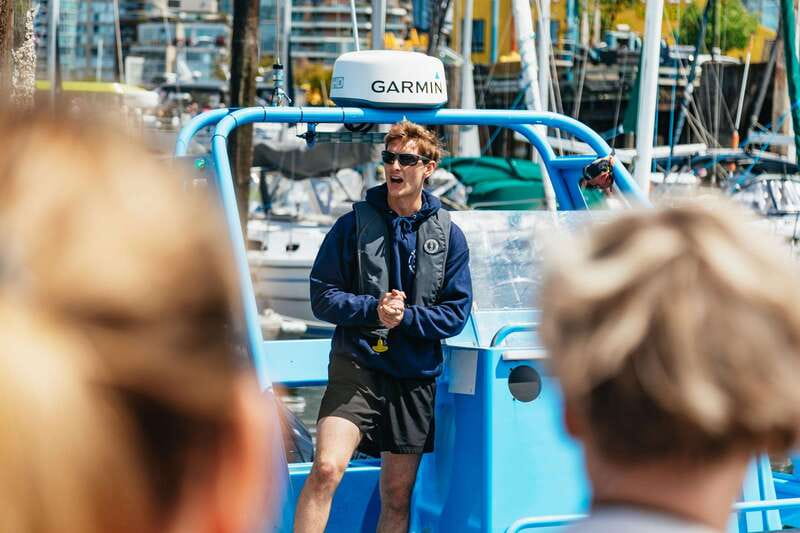
From the harbor, you head toward classic North Shore features. You catch sight of Siwash Rock, and the route includes a mix of views of waterfalls and granite cliffs. Even if you’ve seen photos of these spots, seeing them from the water changes the meaning: you understand the coastline’s shape and how water actually moves along the rock.
The tour also references Deep Cove as you work your way up toward the fjord route. Deep Cove is one of those places where the coast feels quieter and more protected. Watching it from the zodiac helps you see why people make a day of that part of the North Shore, but without turning it into a land-hike.
If you want the best photos here, keep your camera ready during the transitions. The coast changes fast, and your guide will be narrating while you’re passing features, so you don’t want to fumble after the best angles slide by.
Indian Arm Fjord: Ocean Air, Wind on Your Face, and a Cooler Pace
Then you reach the centerpiece feeling: the glacial fjord of Indian Arm. This is where the ride shifts tone. The water feels more enclosed, and the scenery takes on a calmer, colder intensity than the downtown harbor.
You’ll feel it physically too. You’re told to expect ocean air on your face as you boat up into the fjord. That’s not marketing fluff. It’s the reality of open water and wind—exactly why suits are included. If you’ve ever thought you’d be fine in a light jacket, this is the moment you’ll rethink that.
And this is also where the guide’s geology and history talk becomes more than trivia. You’re surrounded by cliffs and water features, so the explanations land. Even without a textbook, you can connect the dots between the coast’s rock character, the fjord’s glacial vibe, and the way waterfalls spill down the sides.
If you’re prone to motion sickness, keep an eye on how you feel once you’re deeper into the route. One thing I like about this tour is that you’re not stuck for long inside a slow, crowded vessel—you can shift your posture, breathe, and keep your attention on the horizon if you need that anchor point.
Granite Falls Up Close: The Cascades You Can Hear
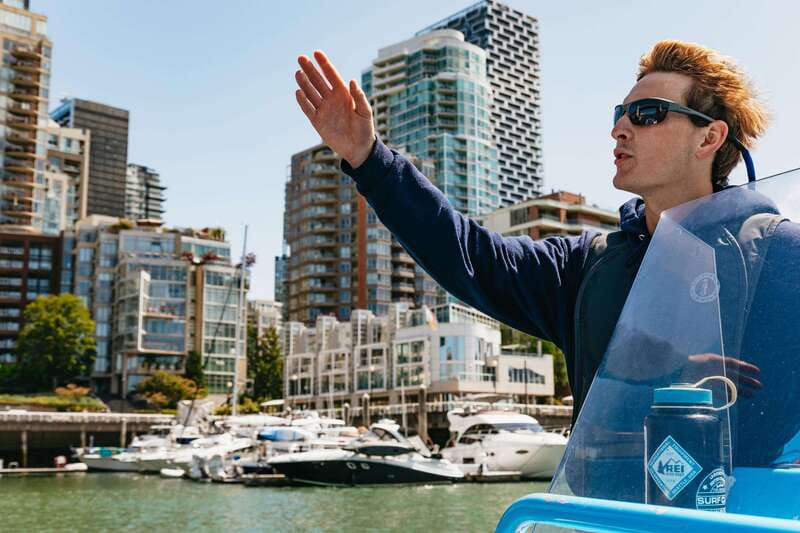
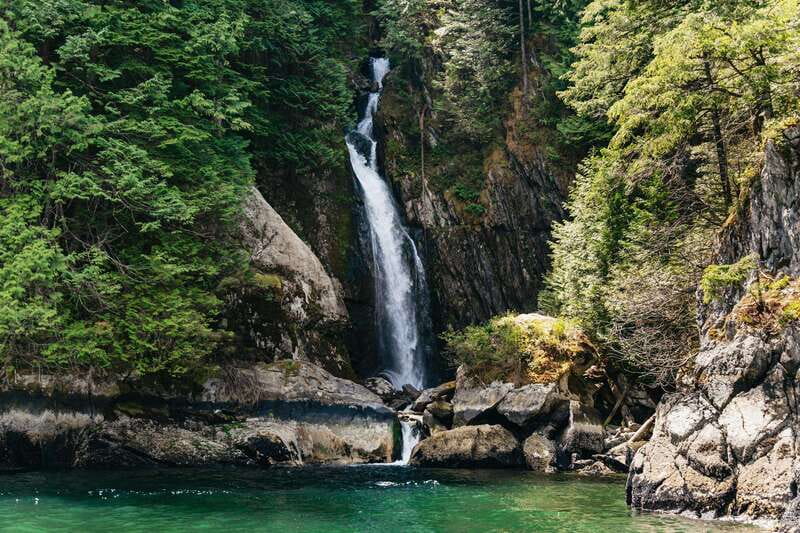
After heading through Indian Arm, the tour focuses on Granite Falls—the moment that turns the boat trip into a sensory experience. It’s described as peaceful, with the sound of cascades carrying through the fjord air. That’s the kind of detail I take seriously because it tells you what the boat position is likely optimized for: proximity.
One practical note: Granite Falls may not be what some people expect in size. There’s at least one comment that said it wasn’t as big as they expected, while still calling the stop a pleasant surprise. What that suggests is that the value is in the closeness and the feel of the water, not a huge dramatic waterfall spectacle from a distance.
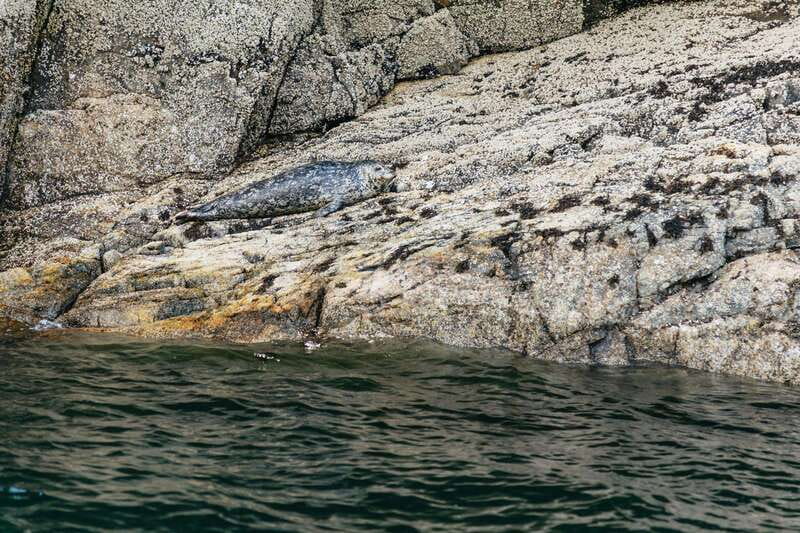
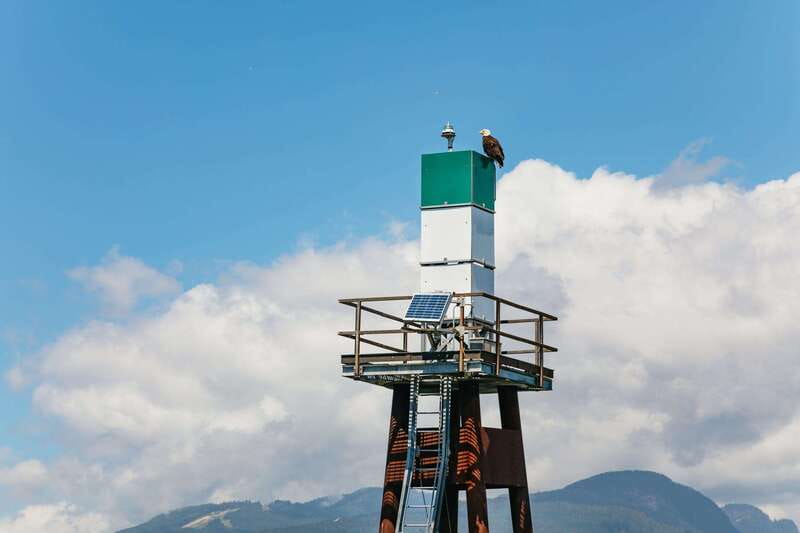
This is also a great section for wildlife spotting. Some trips on this route have included seals, eagles, and other sightings. The best approach: bring your eyes up first—then scan the waterline and cliff edges. If you have binoculars, this is the time they can be worth it, since small animals and perched birds can sit farther out than you’d think.
Wildlife Spottings, Doughnut Moments, and Weather Reality Checks
A big part of the fun is that this tour can be unpredictable in the best way. Wildlife sightings show up on some runs—harbor seals, eagles (including a bald eagle mention), and even jellyfish. There’s also a story of an unexpected orca sighting in the harbor on the return, which just reminds you that coastal wildlife schedules don’t care about your itinerary.
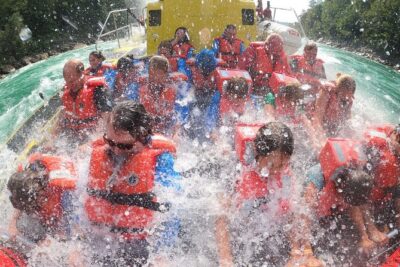
The other unpredictable element is weather. The tour runs rain or shine, and the sea can get bigger on the way back depending on conditions. One comment noted getting a bit wet on a rougher return, even while staying safe and returning happily. Translation: the suits help, but don’t plan as if you’ll stay bone-dry the entire time.
About the speed and fun factor: multiple notes mention fast, thrilling moments, including water doughnuts. That’s one of the reasons the zodiac format works well here—this isn’t a sightseeing crawl. It’s a ride with energy, but it still includes real narration so you’re not just bouncing.
My practical tip: treat this like a “weather-ready photo and video” outing. Keep phone gear secure, and be ready for spray. You’ll enjoy the trip more if you’re not constantly thinking about what might get wet.
Is $116 Worth It? Value for 3 Hours on the Water
At $116 per person for a 3-hour tour, this isn’t a $20 harbor cruise. But you’re paying for four things you can’t easily replicate on your own: a zodiac vessel, a guide, safety gear, and the specific route into Indian Arm and Granite Falls.
I think the value is strongest if you want:
- A guide-led story (history and geology tied to what you see)
- Water-level access to landmarks like Siwash Rock, Stanley Park’s edge, and waterfalls
- A short time commitment: 3 hours is long enough for a full arc, but short enough to fit into a tight Vancouver schedule
It also helps that the transport portion gets high marks, with 92% of reviewers giving a perfect score. That doesn’t guarantee your day will match someone else’s—but it does suggest people feel comfortable with how the ride is run.
If you already plan to visit every harbor viewpoint on foot and you don’t care much about geology or fjord scenery, the price might feel steep. But if you want one Vancouver day that’s genuinely about the water, this is one of the more direct ways to do it.
Who Should Book This (and Who Should Skip It)
This tour is a strong fit for people who enjoy:
- City-to-fjord scenery in one shot
- Photo-worthy coast views
- A small-setup feel (it’s described as not too crowded)
- A guide who keeps the narration going without turning it into a stand-up show
It’s also wheelchair accessible, based on the activity information—so if you use mobility aids, this is worth checking for fit with your needs and the boat setup.
But it’s not suitable for pregnant women, people with back problems, anyone under 3 ft 9 in (120 cm), people with pre-existing medical conditions, or those with recent surgeries. If any of those apply, don’t force it. A zodiac ride involves movement, wind, and time in protective gear, and you deserve a tour that matches your comfort and medical limits.
Should You Book the Vancouver Indian Arm and Granite Falls Zodiac Tour?
I’d book it if you want one practical, time-efficient Vancouver experience that feels authentically local—less about monuments and more about coastline, water, and the way British Columbia’s geology shows up in real time.
You should hesitate if you’re sensitive to wind and spray, or if you’re looking for a fully sheltered, slow ride. This tour is built for ocean air and fast movement, and the suits are there for a reason.
If your ideal day includes bold views, real narration, and the chance of seals or eagles floating into the background, then Indian Arm and Granite Falls by zodiac is a very solid choice.
FAQ
Where is the meeting point?
You meet at Vancouver Water Adventures. You should arrive 30 minutes early so you can be outfitted with the right gear and review safety procedures.
How long is the tour?
The tour duration is 3 hours.
What’s included in the price?
Included are the driver/guide, the zodiac boat tour, and survival suits and lifejackets.
What’s not included?
Food and drinks are not included, and there’s no hotel pickup or drop-off.
Does the tour run in bad weather?
Yes. The tour runs rain or shine.
What language is the guide?
The tour is guided in English.
Is the tour wheelchair accessible?
Yes, the activity is listed as wheelchair accessible.
How much does it cost?
The price is $116 per person.
Is there a cancellation option for a refund?
You can cancel up to 24 hours in advance for a full refund.
Who should not take this tour?
It’s not suitable for pregnant women, people with back problems, people under 3 ft 9 in (120 cm), people with pre-existing medical conditions, and people with recent surgeries.