REVIEW · VARANASI
Varanasi: Sunrise Boat Tour with Arti Ceremony
Book on GetYourGuide →Operated by Sachan Tours · Bookable on GetYourGuide
Dawn on the Ganges feels like time travel. This tour pairs the Arti ceremony and havan at Assi Ghat with a sunrise boat ride past about 55 important ghats, with stops that bring you close to the spiritual heart of Varanasi.
I love the panoramic city views from the water, and I love how the English guide (often Karan) turns what you’re seeing into clear, human stories. One possible drawback: the Manikarnika Ghat section is focused on Manikarnika Ghat, a working, venerated crematorium, so it can feel intense if you prefer to keep distance from the more difficult parts of life.
In This Review
- Key points I’d circle before you go
- Sunrise on the Ganges: why this combo is so effective
- Meeting at Palace on Ganges and finding your way fast
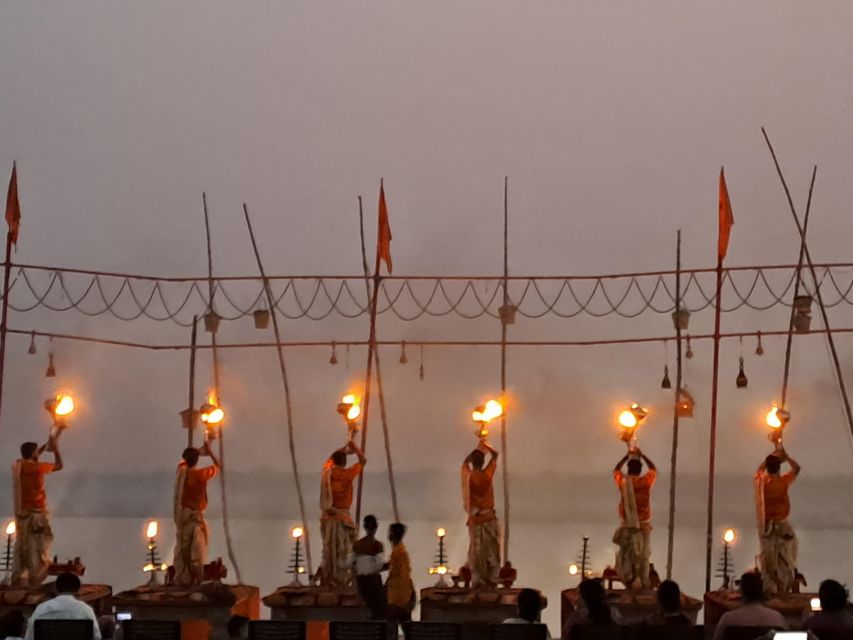
- Assi Ghat Arti and havan: what you’ll see at the start
- Floating past ~55 ghats: panoramic views with a human guide
- Manikarnika Ghat: the venerated crematorium from the water
- Karan’s tour style: what the guide really adds
- Timing, weather, and how to keep the morning smooth
- Price and value: what $31 really buys
- Who this tour fits best
- Should you book the Varanasi sunrise boat with Arti ceremony?
Key points I’d circle before you go
- Assi Ghat start + sunrise timing: you get the Ganges at its most atmospheric, before the day fully kicks in
- Arti ceremony and havan included: you’re not just sightseeing; you’re watching a ritual with meaning
- Boat view of ~55 ghats: you’ll see far more shoreline than you could by foot in the same time
- Manikarnika Ghat by water: the most sacred crematorium area is part of the route
- Karan’s photo help and storytelling: he’s known for great explanations and practical photo angles
- A calmer boat ride after the worship part: one review notes the engine is used during the return only
Sunrise on the Ganges: why this combo is so effective
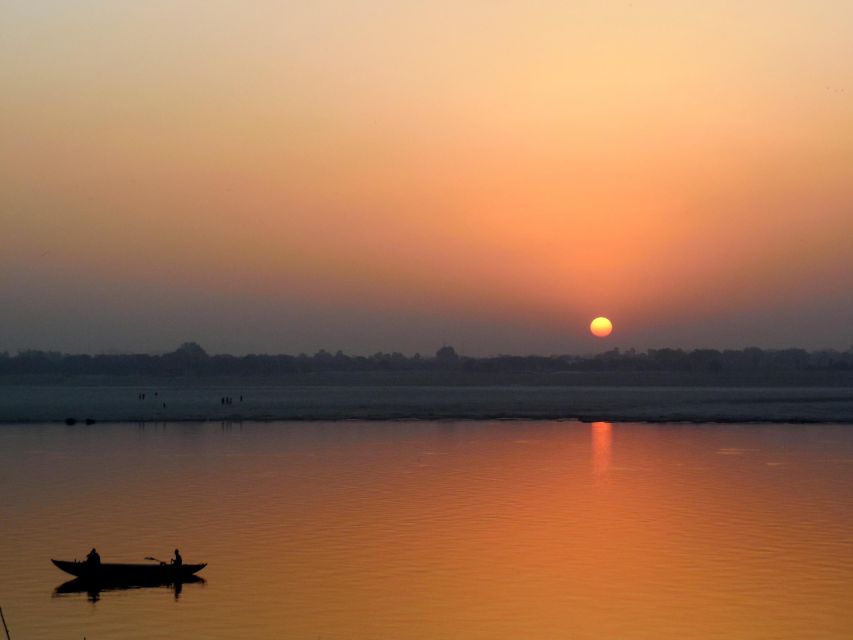
Varanasi at sunrise has a special kind of quiet. Not empty quiet. More like a focused quiet, when the river looks like it’s holding its breath while people begin the day.
What makes this tour a smart choice is that it mixes two experiences that usually get separated: the morning religious ritual on the ghats (Assi Ghat) and the long look at the riverfront from the boat. You get context first, then you get the views. The order matters. Watching the Arti and havan helps you understand why the ghats look the way they do, and why the Ganges is more than a scenic backdrop.
This is also a “works in real life” kind of tour. You’re not trying to squeeze in a dozen stops before breakfast. In 2 to 3 hours, you’re getting the core visual spine of Varanasi: the ghats, the rituals, and the sweeping river perspective.
You can also read our reviews of more tours and experiences in Varanasi.
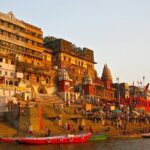
Meeting at Palace on Ganges and finding your way fast
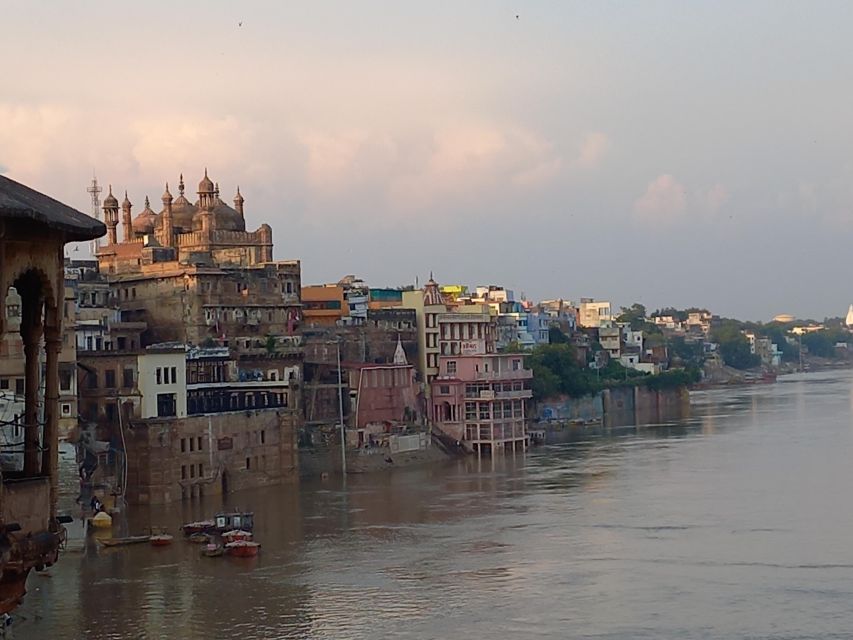
The meeting point is in front of the hotel Palace on Ganges, on the left corner of the street near Assi Ghat. That’s actually helpful. Varanasi can be chaotic in the wrong moments, and early morning is when you want everything to be simple.
From there, the day is built around Assi Ghat. The boat tour begins every morning from this area, so arriving with the right time rhythm matters. You’re not hoping to make a connection. You’re walking into a plan.
One practical plus: the tour includes a way to skip the line via a separate entrance. That doesn’t just save time. It also reduces the stress of competing for a decent sightline right when everyone is arriving at once.
Assi Ghat Arti and havan: what you’ll see at the start
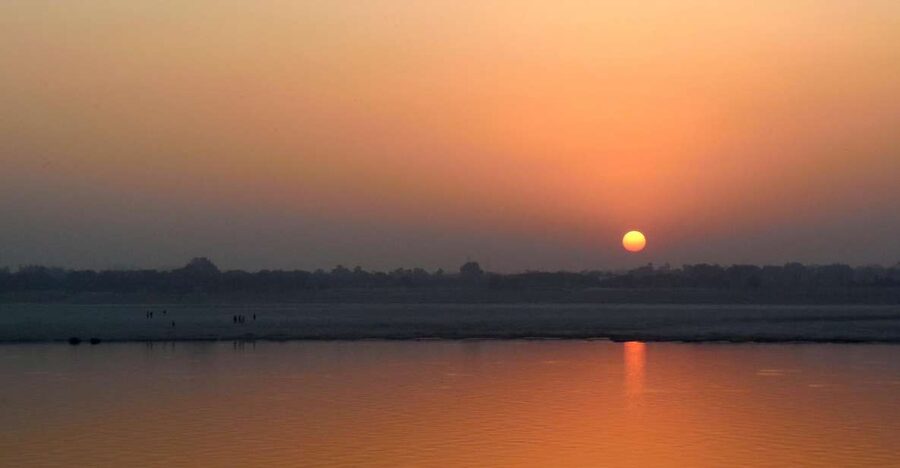
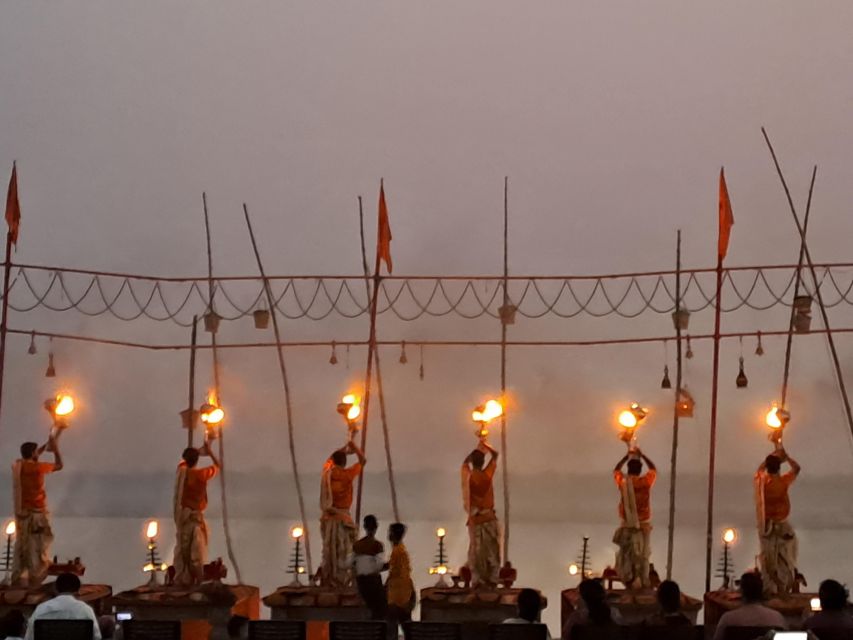
The tour begins with the morning Arti ceremony, along with the havan ritual. Havan is described as one of the oldest Hindu rituals, and the point of including it isn’t trivia. It gives you a foundation for what you’ll witness later on the water.
Here’s what you can expect in terms of experience, not guesswork: you’ll be watching people perform a structured ceremony with fire-based elements and religious offerings. This isn’t a performance built for tourists. It’s something locals do as part of their daily spiritual life, and that difference comes through when you’re there.
The biggest payoff is understanding the mood of the ghats. Before the boat, the riverbank feels purposeful. After the boat, it feels layered—spiritual, practical, and intensely local all at the same time.
A small detail that stands out from real accounts: you might get chai to warm up before boarding. Even if you’re not cold, it helps you slow down and settle in, because sunrise at the water has a way of rushing your senses.
Floating past ~55 ghats: panoramic views with a human guide
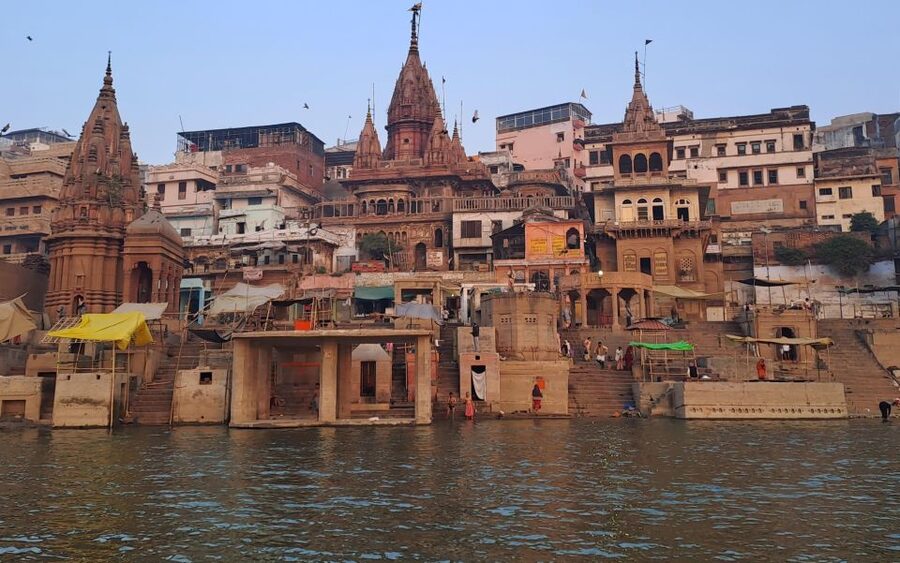
Then you slide onto the water for the sunrise boat tour. One of the best parts is the scale. You pass about 55 of the most important ghats, and that’s the difference between seeing Varanasi from one angle versus seeing it like a map.
From the boat, the city looks arranged rather than crowded. Ghats become neighborhoods. Temples and river steps become landmarks instead of random sightlines. And as the sun rises, the reflection in the water turns the entire riverfront into a moving photo backdrop.
But the views are only half the value. The tour includes guided stories about different ghats and monuments along the bank. That matters because Varanasi is full of architecture that looks similar at first glance—until someone gives you the key. With stories, you start recognizing patterns: which places are associated with worship, where people gather for daily life, and what different riverfront areas represent.
There’s also a practical rhythm benefit. The Ganges is easier to interpret from the water than from walking around with a timeline. You’re not constantly re-routing through alleys or trying to “guess” what you’re looking at. The guide points; you watch; the river carries you along.
Manikarnika Ghat: the venerated crematorium from the water
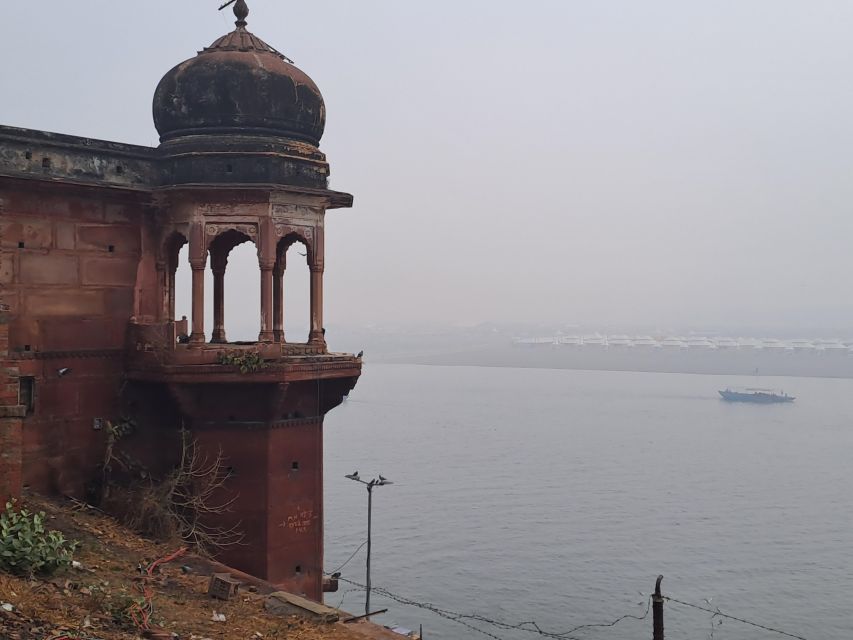
The tour reaches Manikarnika Ghat, described as the city’s most venerated crematorium. This is the portion that makes the tour unforgettable—and also the portion you should think about carefully before booking.
From what’s shared about the experience, you may see cremation activity near the ghats. You may also spot other everyday spiritual or practical moments along the river—people washing, bathing, and other religious figures in the wider area.
This is not a gentle sightseeing stop. It’s closer to witnessing a living tradition. If your travel style prefers to keep ceremonies private and distant, you might find this section emotionally heavy. If you’re the type who wants to understand the city’s full meaning—even the parts that make you uncomfortable—this is where the tour earns its place.
Also, being on the boat changes the tone. You’re not packed directly along the steps. You’re approaching it through the perspective of the Ganges itself, which can feel less confrontational while still being direct.
Karan’s tour style: what the guide really adds
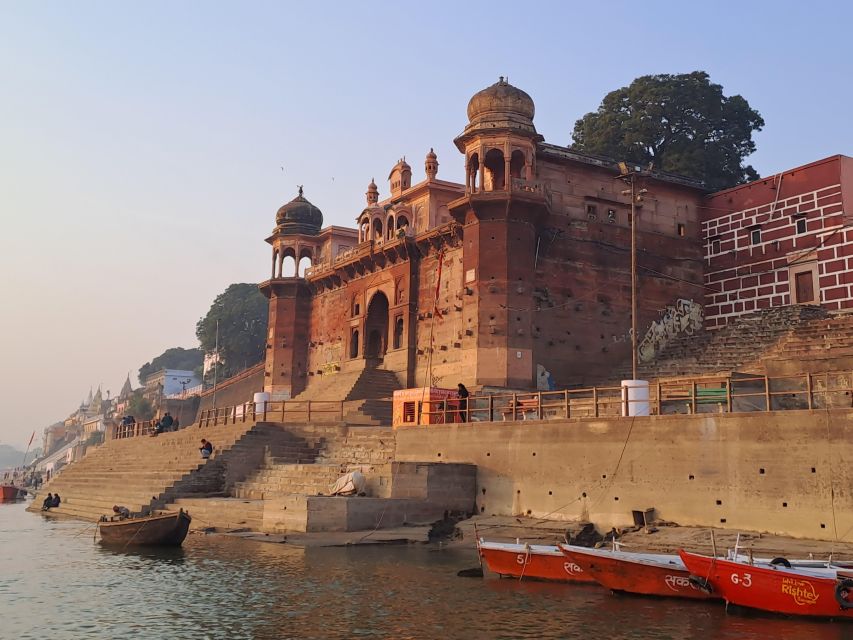
The guide experience is a major reason this tour scores extremely well. Many descriptions highlight Karan as personable, patient, and quick to answer questions. The value isn’t just being able to explain facts. It’s the way he helps you connect those facts to what you’re actually seeing.
Several accounts mention that he takes care with positioning—getting people seats or views that work for the Arti ceremony. That’s important because the ceremony is brief, and the best moments can be missed if you’re stuck behind someone tall.
Karan is also described as a good photographer and someone who helps you get better shots. That’s not trivial. In a place like Varanasi, where lighting changes fast and details are everywhere, having someone point out angles and timing can mean the difference between a blurry souvenir and a photo that tells a story.
And he doesn’t just talk. He often uses humor and interactive explanations, which keeps the morning from becoming a lecture while you’re standing in the cold or squinting into sunrise glare. One account even notes that his guidance helped them navigate the day after the tour, including restaurant suggestions and getting transport back.
Timing, weather, and how to keep the morning smooth
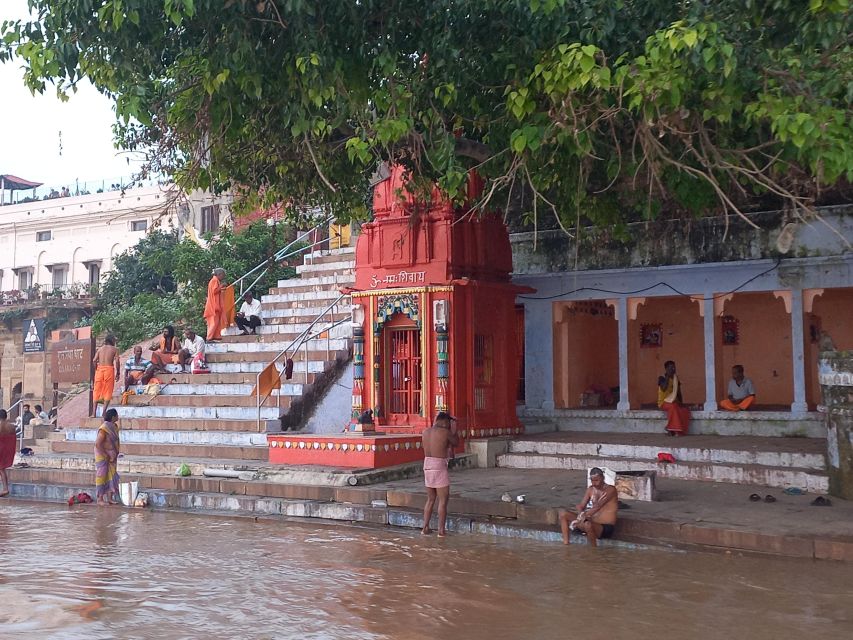
This is a sunrise tour, so timing is everything. It’s designed to start early from Assi Ghat and last about 2 to 3 hours.
One real-world factor you should be aware of: fog and weather. There’s an example of a January morning where the party postponed the boat portion due to fog and the adjustment was still worth it. That tells me the team is at least willing to adapt rather than force the plan no matter what.
So go in with the right mindset: you’re booking a morning ritual plus a river ride, and nature can affect the schedule. If you’re sensitive to uncertainty, keep your day flexible. If you’re happy to ride with the river’s tempo, you’ll probably enjoy the morning even more.
Price and value: what $31 really buys
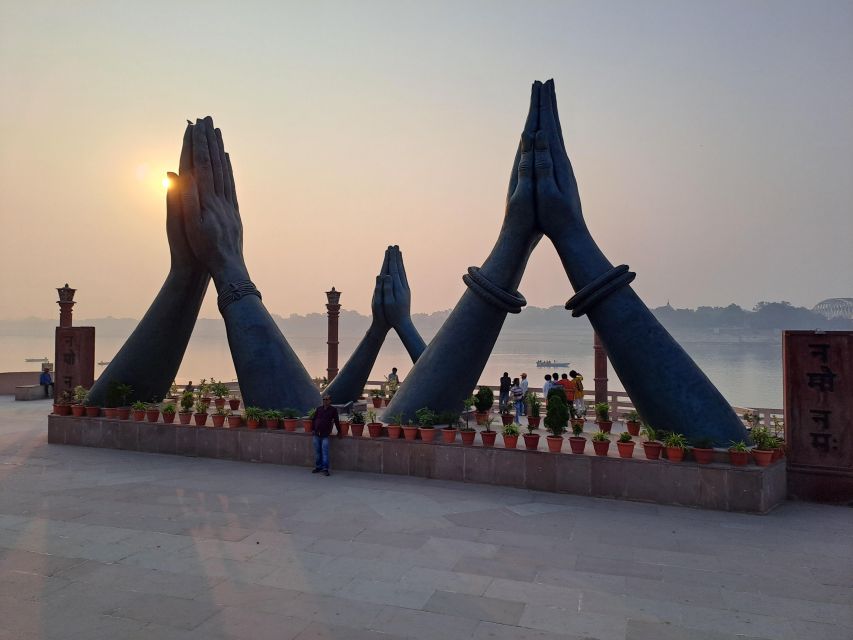
$31 per person sounds straightforward until you break down what’s bundled.
You’re getting:
- the sunrise boat tour itself
- the morning Arti ceremony
- the havan ritual
- guided English interpretation during the ride
- a route that covers many major ghats, including Manikarnika Ghat
- a way to skip the line through a separate entrance
For many destinations, “a boat at sunrise” is the headline, and everything else becomes extra. Here, the ceremony component is part of the core experience. That’s where the value sits. It’s not just the river view; it’s the meaning behind the riverfront.
Also, the duration is tight. In 2 to 3 hours, you get a concentrated version of Varanasi that would take more time (and more coordination) to assemble on your own.
Who this tour fits best
This experience is a strong fit if you want the fastest, most coherent path to understanding Varanasi’s river culture.
You’ll likely love it if:
- you’re short on time and want the “big picture” of the ghats
- you like guided explanations that connect what you see to why it matters
- you want sunrise photos that are actually worth keeping
- you don’t mind that the route includes Manikarnika Ghat
It may be less comfortable if:
- you’re easily distressed by cremation activity
- you prefer to avoid religious ceremonies and focus only on architecture and scenery
One more note: the guide behind this tour is also described as offering additional experiences around Varanasi, like Sarnath and a heritage-style walking component. If you end up enjoying his way of explaining the city, stacking one more tour can turn your visit from a highlight into a theme.
Should you book the Varanasi sunrise boat with Arti ceremony?
If you want Varanasi in one concentrated morning—with Assi Ghat rituals first and a sunrise glide past Manikarnika Ghat second—then yes, I’d book it.
My advice for the decision:
- Book if your ideal morning includes both visuals and context. The Arti + havan setup is the difference here.
- Consider your comfort level before committing if cremation sites feel too intense for you.
- If you hate rigid plans, you’ll probably appreciate that the tour team can adapt when fog or weather affects the timing.
Bottom line: this is a practical, high-impact way to see the Ganges when it matters most—early, spiritual, and in motion.