REVIEW · ST JOHNS
2 Hour Award-Winning Whale and Seabird Boat Tour from St. John’s
Book on Viator →Operated by Iceberg Quest Ocean Tours · Bookable on Viator
North America’s east edge is better from water.
I like how this 2-hour ride mixes real marine wildlife with story-rich coastal history—and you still stay warm inside the boat’s heated cabin. The route takes you past St. John’s landmarks, then out toward Cape Spear, where the cliffs and lighthouse sit 213 feet above sea level. One drawback to plan for: whale and iceberg sightings are not guaranteed, and conditions can be windy and wet even when the tour runs rain or shine.
I love that the captain and crew run an easy, friendly program with clear narration about Newfoundland’s natural wonders and the working history of St. John’s as a port (including the role of Cabot Tower). I also like the wildlife style of the trip: you’re scanning sea cliffs, caves, and bird colonies for bald eagles, puffins, northern gannets, kittiwakes, and other seabirds—not just taking photos from one spot. In the best way, you often feel like you’re learning how to look.
The main consideration is timing. If you’re going at the edge of the season, you might miss whales and puffins—but you can still come home with seabirds, dramatic coastline views, and even surprise marine life (sunfish show-ups happen). Dress for the Atlantic, bring layers, and expect the ocean to do ocean things.
In This Review
- Key things to know before you go
- Entering the St. John’s-to-Cape Spear world from Pier 6
- The heated cabin: why this boat tour feels easy on your body
- Stop by stop: the route that makes the time feel worth it
- St. John’s harbour and The Narrows: skyline views plus ship traffic
- From Signal Hill to Cabot Tower: transatlantic wireless, seen from below
- Fort Amherst Lighthouse: port history that explains the coastline
- Blackhead Sea Caves: where seabirds do the talking
- Cape Spear National Historic Site: North America’s most easterly point
- Wildlife expectations: whales aren’t the whole game
- Crew style: why names like Glen and Barry keep coming up
- Price and value: what $112.65 buys you in real terms
- Who this tour is best for
- Short FAQ
- FAQ
- Where does the tour start?
- How long is the boat tour?
- How much does it cost?
- Is the tour in English?
- Is there a heated cabin if the weather is bad?
- Are whale or iceberg sightings guaranteed?
- How early should I book?
- What happens if the tour is canceled due to poor weather?
- Is there free cancellation?
- Should you book this 2-hour whale and seabird tour?
Key things to know before you go
- Heated cabin comfort: you can watch the coast without freezing, even on a chilly day.
- Wildlife isn’t only whales: seabirds, eagles, and cave-and-cliff bird areas do a lot of the work for you.
- History from the water: Cabot Tower and St. John’s port story are part of the narration.
- Cape Spear angle: you see the most easterly point in North America from the Atlantic side, not from land.
- Small-to-medium feel: max 100 travelers, so it stays organized without feeling tiny.
- Crew energy matters: names you may hear onboard include Glen, Tyler, Barry, Lucas, and Roy—each part of the show.
Entering the St. John’s-to-Cape Spear world from Pier 6
This tour starts at Iceberg Quest Ocean Tours, 135 Harbour Dr, Pier 6 in St. John’s. From there, you’re quickly out where the harbor skyline becomes “whale’s eye” views: historic buildings, colorful rows of houses, and the Outer Battery area coming at you from a perspective most people never get.
That first stretch sets the tone. You’re not just looking at the coast—you’re learning how the coastline is arranged: where ships move, what the harbor entrance feels like from the water, and how the city’s edges connect to the Atlantic.
If you’re the kind of traveler who likes being productive with your time, the timing helps. It’s about 2 hours, and it’s long enough to build momentum without becoming a whole day commitment.
You can also read our reviews of more tours and experiences in St Johns.
The heated cabin: why this boat tour feels easy on your body
The biggest practical win is simple: the boat has a heated cabin and the tour runs rain or shine. That means you can keep moving through the experience even if the weather turns.
In real life, St. John’s weather loves to change its mind. Wind off the water and spray can make a short outing miserable if you’re dressed wrong. Here, the cabin reduces the “freeze factor,” and it keeps you focused on what matters—sea conditions outside, and the crew’s narration inside.
One more comfort detail: you’ll likely have a chance to step around and find your preferred viewing spot during the ride. It’s the kind of setup that works for couples, solo travelers, and families who want a shared adventure without needing long hikes.
Stop by stop: the route that makes the time feel worth it
St. John’s harbour and The Narrows: skyline views plus ship traffic
Early on, you get a proper introduction to the city from water. You’ll pass by St. John’s harbour and skyline, and then head toward The Narrows. As you move through the entrance of the harbor, there’s a fun, classic “wave to passing ships” vibe.
Why this matters: it’s not just pretty. Seeing how the harbor functions helps you understand everything else you’ll hear later about the port’s role over the centuries. The narration at this stage gives you bearings fast—so when you later look at lighthouses and coastal landmarks, you know what you’re looking at.
If you’re prone to motion sickness, this is also where you notice your comfort level. Most of the ride is manageable, but the Atlantic can be choppy, and the crew handles it with skill (on one cruise, Lucas was specifically noted for piloting through rougher stretches).
From Signal Hill to Cabot Tower: transatlantic wireless, seen from below
Next, the boat takes you in the direction of Signal Hill, where you can view the Cabot Tower. This is where the “cool history fact” becomes real: Cabot Tower is tied to the first wireless transatlantic communication.
And you get more than the tower itself. From the water, you see the hiking trails along the coastline and get a sense for why Signal Hill matters as a vantage point.
Practical tip: this is a great segment to watch for birds, too. When you’re near cliffs and coastal ledges, the wildlife activity can feel less random. Keep scanning the air and the waterline, not just the main points of interest.
Fort Amherst Lighthouse: port history that explains the coastline
You’ll pass landmarks including Fort Amherst Lighthouse, then get guided narration about why St. John’s port mattered starting in the early 1500s.
This is where the tour earns its “more than a boat ride” reputation. The coast looks like scenery from land, but from water it looks like infrastructure—routes, safety points, and the geography that shaped shipping.
The drawback here is minor but real: if you’re expecting purely wildlife sightseeing with almost no talking, you’ll notice the history stops. For most people, though, that’s the charm. It turns the trip into a story you can picture later when you visit other sites on shore.
Blackhead Sea Caves: where seabirds do the talking
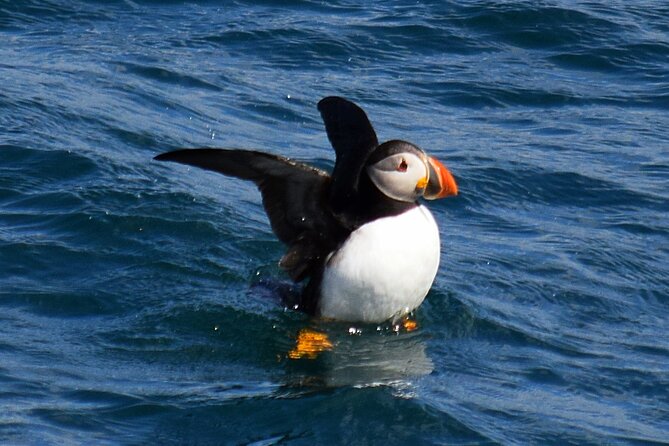
As you sail past Blackhead Sea Caves, you’re in one of the best-feeling wildlife zones on the route. You can watch for a kittiwake colony, and keep watch for other seabirds such as bald eagles, northern gannets, and puffins when conditions and season line up.
Here’s the key: caves and cliff colonies change your odds because birds use the area for real behaviors—resting, nesting, and hunting. Instead of hoping for a single animal sighting, you’re scanning for patterns.
If you love nature photography, this is the time window to be ready. Even if you don’t see puffins, you can still get satisfying bird action—especially when you watch movement around ledges rather than staring straight out.
One fair warning from the experience: puffins on the cliffs aren’t guaranteed at every time of year, and you may have better luck with specific timing. If you’re going late season, focus on seabird behavior in the water and around caves rather than only the iconic cliff view.
Cape Spear National Historic Site: North America’s most easterly point
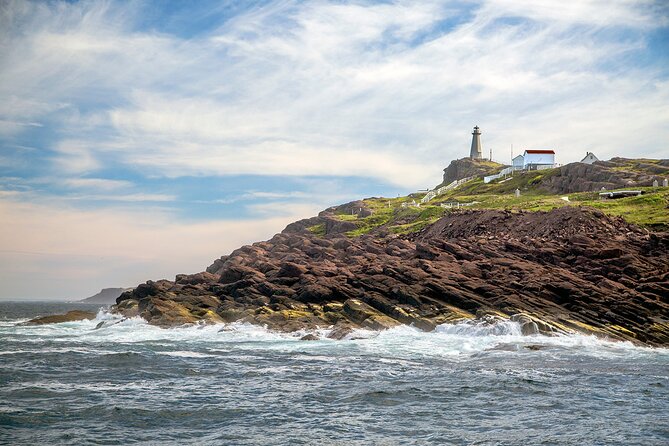
Finally, you reach Cape Spear National Historic Site, the most easterly point in North America as seen from the Atlantic.
This part hits hard visually. You’re out on the ocean looking at rugged coastline made from ancient volcanic and metamorphic rock. Above the cliffs, you can see Cape Spear Lighthouse and Battery, sitting 213 feet above sea level. It’s a direction-and-safety landmark for ships that’s been doing its job for over a century.
Why I think this stop is the payoff: it’s a “big geography moment.” You’re not just seeing an attraction—you’re seeing how far you’ve come east, and how the shoreline shapes the ocean. Even if wildlife is slow that day, Cape Spear still gives you something to remember.
Wildlife expectations: whales aren’t the whole game
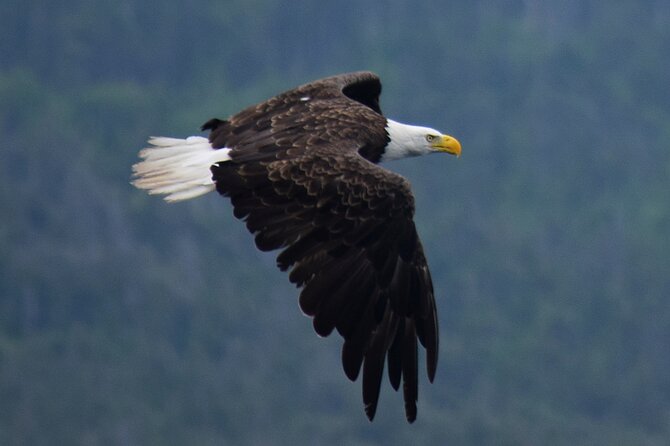
Let’s get honest up front: iceberg and whale sightings are not guaranteed. The boat tour still earns its reputation, though, because it stacks the deck with seabirds and coastal wildlife where you can actually spot activity.
From the experience data you gave, you might see:
- Bald eagles
- Northern gannets
- Puffins (season-dependent)
- Kittiwakes around the cave area
- Other seabirds and marine life, which can include surprising sightings like an ocean sunfish (Mola Mola)
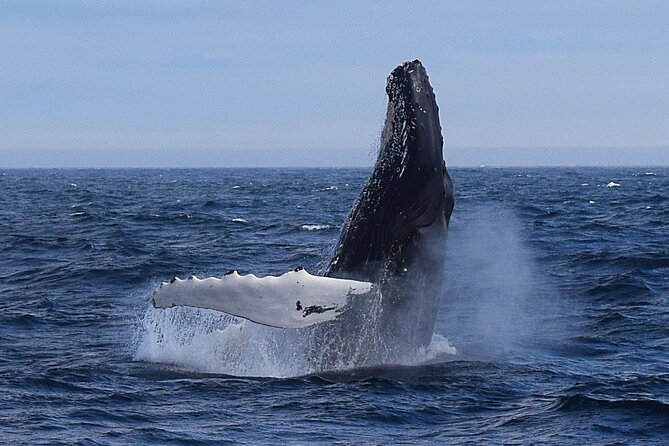
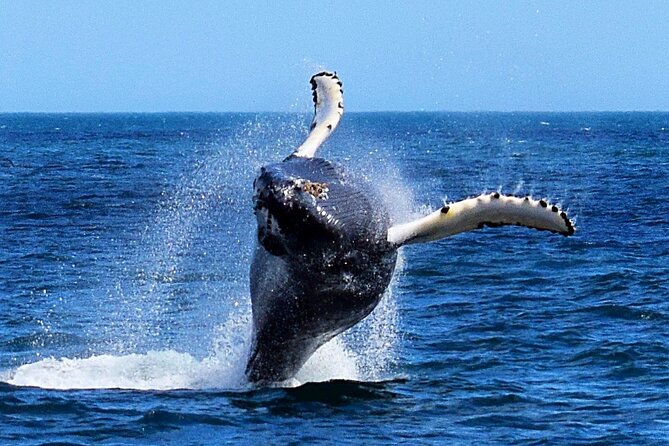
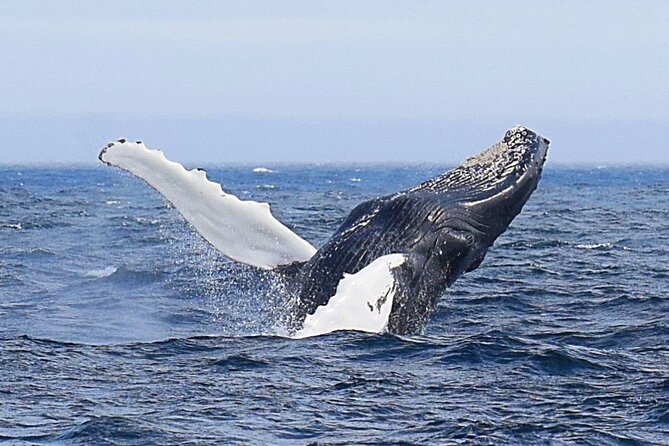
- In some trips, whales are seen (including humpbacks and even orcas reported as occurring right by the boat), but treat that as bonus luck, not a promise
If you want the best odds, plan around season and time of day. One cruise note suggested the 9:30 or 11 am slot was a strong choice, so if you can pick departure times, consider mornings.
And if whales aren’t around: don’t view that as a failure. A well-run seabird-and-history cruise still delivers a clear sense of place.
Crew style: why names like Glen and Barry keep coming up
The crew is the difference between a routine boat ride and a trip you remember. People repeatedly highlight the friendly, attentive approach and the ability to explain what you’re seeing.
You may hear narration from or interact with crew members such as Glen, Tyler, and Barry, and you may notice key roles like Lucas piloting through rougher water and Roy answering questions.
The fun part is the pacing. The crew keeps you safe, keeps you informed, and keeps the mood light. When the day is good, it feels like you’re out with real locals who love the coast—and when the wildlife is slow, they still give you things to look for.
One extra touch that shows up on some cruises: a screeched in ceremony (Newfoundland rum tradition) can happen during the ride, and it’s described as optional. There’s also mention of snacks and drinks on board and an Ugly Stick available. That’s not the core of the tour, but it adds a playful Newfoundland flavor.
Price and value: what $112.65 buys you in real terms

At $112.65 per person for about 2 hours, you’re paying for three things:
- Access to the Atlantic side of the coastline
- Guided narration that ties natural features to local history
- The comfort factor of a heated cabin on a weather-prone coast
Is it cheap? No. But it’s not priced like a big-day excursion either. For many visitors, it’s one of the best value plays in St. John’s because it compresses several highlights into one compact outing: harbor skyline, Signal Hill/Cabot Tower, Fort Amherst, Blackhead Sea Caves, and Cape Spear.
Also remember the group size ceiling—max 100 travelers—so you’re not getting swallowed by a giant crowd.
If you’re doing a short St. John’s trip and you want one “most of the city’s highlights, but from the water” experience, this price often pencils out better than juggling multiple separate half-day plans.
Who this tour is best for
You’ll likely enjoy this most if you:
- Want water views without a long day
- Care about wildlife, but you’re okay with luck-based sightings
- Like history that’s tied to place (port, wireless communication, lighthouses)
- Prefer comfort on choppy or cool days thanks to the heated cabin
It can also work for families, and there’s evidence the crew can assist with smooth boarding for guests who need extra help getting on and settling in.
If you’re the type who needs a guaranteed whale sighting, you’ll feel uneasy here. But if you’re ready for a solid nature-and-history cruise with strong seabird odds, you’ll be in the right mindset.
Short FAQ
FAQ
Where does the tour start?
The tour meets at Iceberg Quest Ocean Tours, 135 Harbour Dr Pier 6, St. John’s, NL A1C 6N6, Canada.
How long is the boat tour?
It runs for about 2 hours.
How much does it cost?
The price is $112.65 per person.
Is the tour in English?
Yes, it’s offered in English.
Is there a heated cabin if the weather is bad?
Yes. The tour operates rain or shine, and a heated cabin is available.
Are whale or iceberg sightings guaranteed?
No. Iceberg and whale sightings are not guaranteed.
How early should I book?
On average, this tour is booked about 40 days in advance.
What happens if the tour is canceled due to poor weather?
If it’s canceled because of poor weather, you’ll be offered a different date or a full refund.
Is there free cancellation?
Yes. You can cancel up to 24 hours in advance for a full refund.
Should you book this 2-hour whale and seabird tour?
If you want one efficient way to see St. John’s from the water, this is a strong pick. The combo of heated cabin comfort, Cape Spear’s “east edge” payoff, and a captain-and-crew program that mixes wildlife scanning with clear local history makes the time feel well used.
Book it if you’re flexible on whales. Plan your expectations around seabirds and coastal drama, then treat any whales or ice as bonus luck. If you want to choose wisely, aim for a departure time you can commit to (mornings like 9:30 and 11 am were mentioned as favorites), and dress for wind and spray. You’ll come away with views you can’t replicate from shore.