REVIEW · MENORCA
Boat trip through the coves of northern Menorca from Fornells
Book on Viator →Operated by Menorca Nord Sea Experience · Bookable on Viator
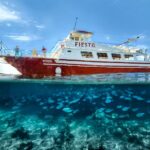
Menorca’s north coast feels like a private escape. This 3.5-hour boat trip from Fornells strings together pristine coves you’d never reach easily and included swimming gear plus appetizers. You get to slow down, swim when the sea allows, and still come away with those postcard views of Cabo de Cavalleria and Cala Pregonda.
One thing to plan for: the boat can get busy, and the water toys (paddle boards and the floating mat) aren’t endless, so you may be waiting your turn.
In This Review
- Key highlights to know before you go
- Entering Fornells Bay: why this start matters
- The boat setup: gear, snacks, and a no-rush mood
- The Fornells walk and Cabo de Cavalleria: the north in one stretch
- Virgin coves, limestone water, and Cala Rotja’s red-clay story
- Platja de Cavalleria swim stop: big beach, fewer crowds (if the sea cooperates)
- Cala Pregonda: where the snorkel playtime really happens
- How the timing and group size shape the experience
- Value check: is $50.69 worth it?
- When weather changes the plan (and how to handle it)
- Who this tour fits best
- Should you book the Menorca Nord Sea Experience from Fornells?
- FAQ
- FAQ
- How long is the boat trip from Fornells?
- Where does the tour start and end?
- What’s included with the ticket?
- Do I need to bring my own snorkeling gear?
- How many swim stops are there?
- Is the tour offered in English?
- What happens if the weather is poor?
- How many people are in the group?
Key highlights to know before you go
- Fornells departure with a real walk: stroll past key north-coast sights before you even hit the water
- Cabo de Cavalleria lighthouse views: you’ll clock the cliffs and the lighthouse area up close
- Protected nature at Illa des Porros: northernmost point of the Balearics with bird colonies and native lizards
- Two main swim stops: Platja de Cavalleria and Cala Pregonda, each with time to snorkel and play
- On-board fun tools: snorkeling gear, paddle surf boards, a giant floating mat, a slide, ladder access, and life vests
- A local touch with your included food/drink: you get appetizers and a traditional Menorcan drink
Entering Fornells Bay: why this start matters
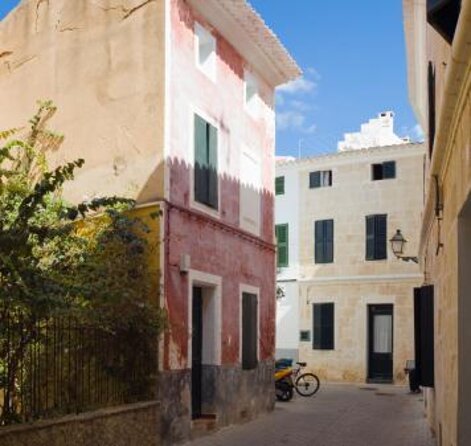
I like starting here because Fornells isn’t a generic “tour boat dock.” It’s a small fishing village with a laid-back feel and an actual bay you can look at before you sail. Even before the first swim stop, you’ll get a sense of how the north coast works: sharper cliffs, calmer coves hidden between rock, and beaches that feel like they belong to the landscape (literally) more than to any road.
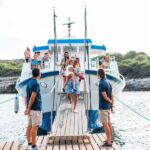
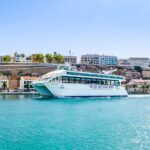
Before boarding, you’re also given the chance to stroll through Fornells. It’s short, but it helps you shake off that travel-mode and get into island-mode. And because the tour returns to the same place, you don’t waste energy thinking about logistics later.
You can also read our reviews of more tours and experiences in Menorca.
The boat setup: gear, snacks, and a no-rush mood
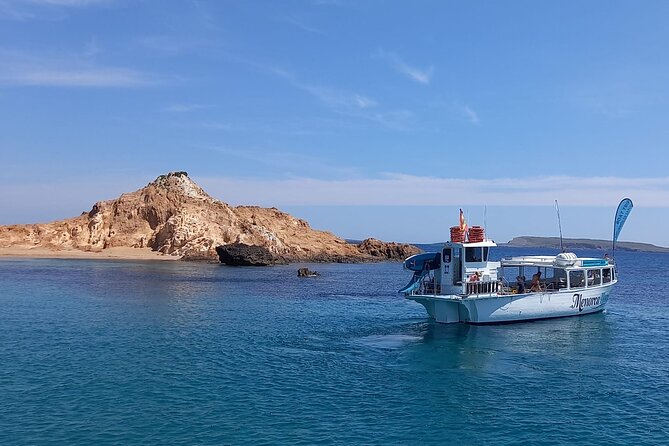
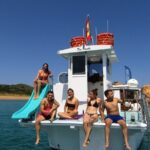
This is the kind of tour where you can be as active or relaxed as you want. On the included side, you’ll have snorkeling equipment, stand-up paddle boards, a giant floating mat, a slide to jump into the water, a ladder to get in and out, and life vests. There’s also a restroom on board, which you’ll appreciate if you’re out for the full half-day.
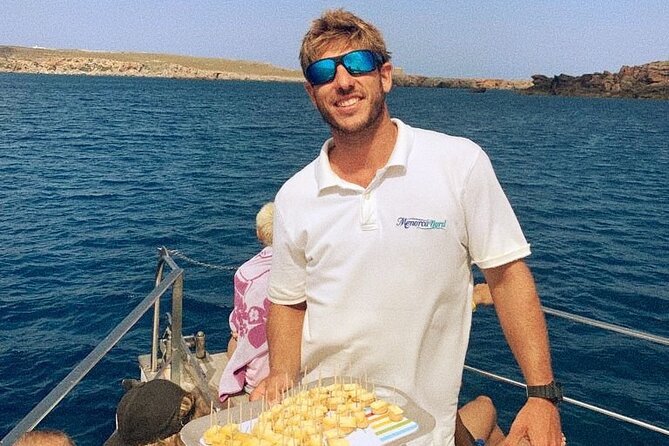
Food and drink are part of the deal too. You get appetizers included, plus a small traditional drink (commonly a shot-size pomada in the experience). After that, snacks and drinks are available to buy on board, including coffee or tea, water, soft drinks, and alcoholic beverages.
Practical tip: if you plan to snorkel, you’ll be tempted to use everything at once. Don’t. Pick a swim stop, snorkel first, then go paddle or float. You’ll have more fun—and you won’t spend half your time waiting for the next turn.
The Fornells walk and Cabo de Cavalleria: the north in one stretch
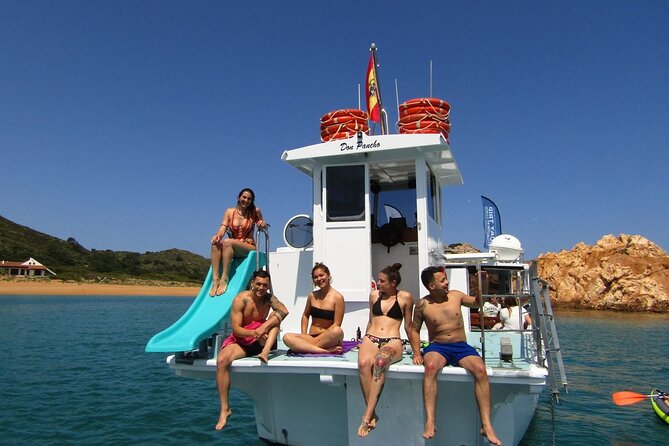
A major part of what makes this tour feel more than just a quick swim-and-go is the walking segment and the lighthouse viewpoints.
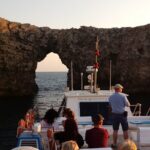
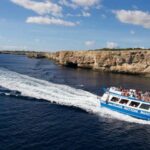
You’ll start with Fornells Bay views, then move along the coastal path where you can see Cabo de Cavalleria’s characteristic lighthouse. This lighthouse is described as the second oldest on the island, perched above cliffs more than 90 meters high. That height matters because you don’t just see the structure—you see how the north coast drops into the sea and why these coves feel so cut off and dramatic.
Then you’ll pass by the area near the Cavalleria Lighthouse and look toward an islet called Illa des Porros. This is the northernmost point of the Balearic archipelago, and it has special protection because of bird colonies and native lizards. It’s the rare moment where the scenery comes with a conservation reason, not just a pretty view.
Why I like this: it gives context. When you later stand on a “small, virgin” cove, you understand what you’re looking at—why it’s fragile, and why it stays so clean.
Virgin coves, limestone water, and Cala Rotja’s red-clay story
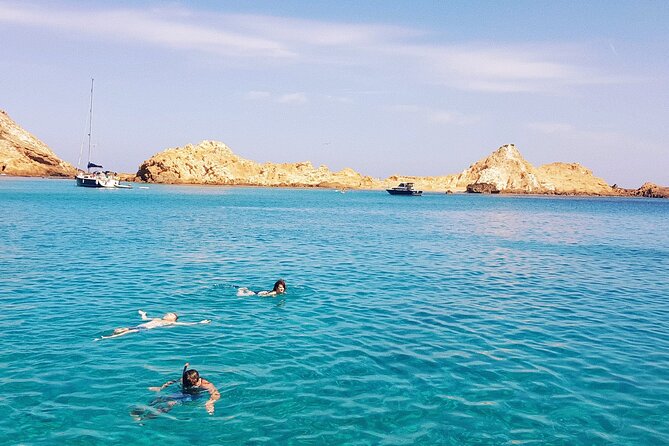
From the walk and navigation time, you’ll see a run of coastal spots that are basically the north coast’s greatest hits—without turning it into a crowded sightseeing checklist.
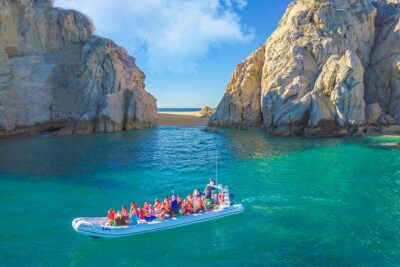
One stop is described as an absolutely virgin cove with limestone rock and crystal-clear water. The cool detail here is that the beach is divided into three small sandy areas, so even when it looks like one cove from the boat, the layout underneath changes.
Another named place on the route is Puerto de Sanitja, an ancient natural port associated with the Roman city of Sanisera. Even if you don’t have time to explore ruins, it’s still a neat way to connect the scenery to centuries of seafaring life.
And then there’s Cala Rotja, a quieter pick—especially in summer months. The name comes from red clay remains that wash off the stones, giving the cove its characteristic color. If you’re the type who likes to spot the “why” behind local names, this will click.
Platja de Cavalleria swim stop: big beach, fewer crowds (if the sea cooperates)
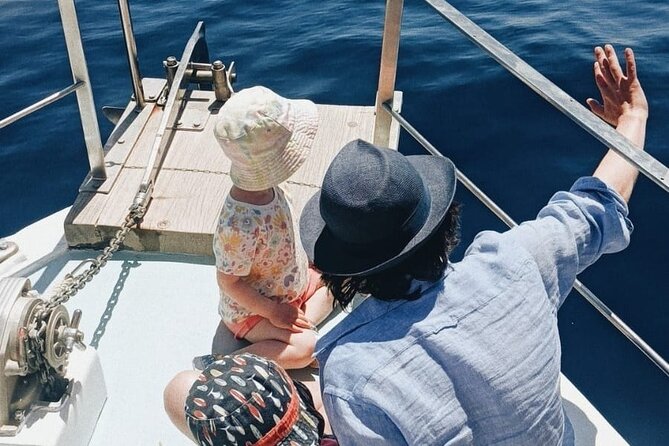
Platja de Cavalleria is one of the larger beaches on Menorca’s north coast, and it’s described as virgin and surrounded by wild nature—still watched over by the Cavalleria Lighthouse.
This stop is your first proper swim-and-snorkel time. If the sea allows it, you’ll have about 30 minutes to swim, relax, and snorkel. The beach itself is noted as having fine sand with stones, and it’s less visited because land access is difficult. That’s a big part of the value: you’re not just seeing a viewpoint—you’re getting actual time in water that feels less “bus tour” and more “go find it yourself.”
Consideration: because access is harder, conditions can feel a bit more “natural” than “resort.” Wear footwear if you’re sensitive underfoot. And be mindful that water life can show up unexpectedly—at one point, jellyfish were mentioned as a factor at swimming spots. You can’t control that, but you can prepare by checking how others are moving in the water and keeping stingers in mind.
Cala Pregonda: where the snorkel playtime really happens
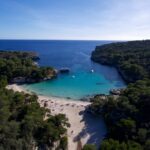
If you’re planning your Menorca trip around beaches, Cala Pregonda is the stop most worth picturing ahead of time. It’s described as one of the best-known and most appreciated north-coast beaches, set in a Natural Area of Special Interest—meaning the scenery and the rules around it are meant to protect the environment.
Here, the boat anchors for roughly 30 minutes. This is where you’ll likely use the fun gear most: snorkel, paddle, and float. Stand-up paddle boards and the giant floating mat are part of the included package, and you can also just relax on board.
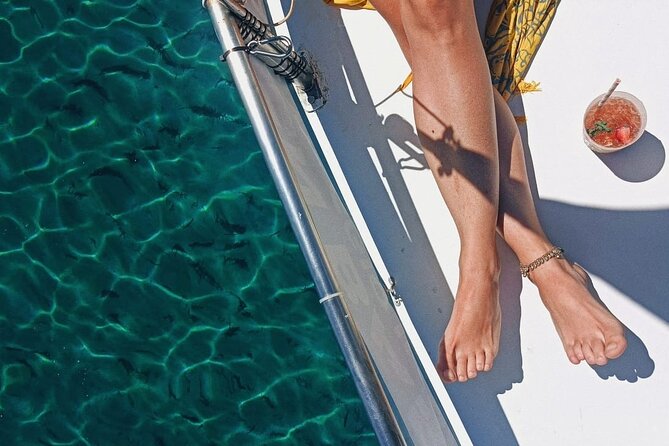
One small but memorable detail: you can have a mojito while you’re out there relaxing on the boat. If you’re going with friends or family, this is where the vibe tends to click from “sightseeing” into “we’re having an actual day on the sea.”
Reality check: the time window is short. Plan to do one main activity per stop. If you try to snorkel, paddle, and sit on the edge of the boat all in one 30 minutes, you’ll burn time. Pick what you care about most, then let the rest be bonus.
How the timing and group size shape the experience
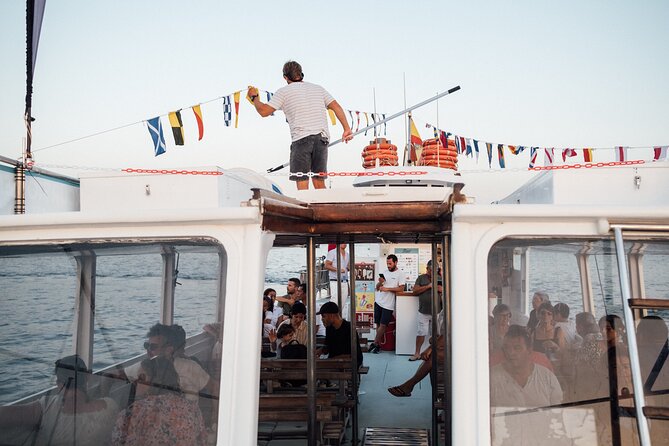
The tour runs about 3 hours 30 minutes, and the maximum group size is 50. That number is large enough to feel like a crowd on deck at times, but small enough that you’re not stuck feeling anonymous.
What it means for you:
- You’ll get a good rhythm: walk/views first, then swim stops, then back to Fornells.
- You might see more than you spend time in one place, which is why the stops are structured around short, active bursts.
- If you’re counting on paddle boards or the floating mat, treat them like shared extras. With a full boat, turn-taking becomes part of the fun.
Also, arrival timing matters. The boat leaves on time, and you need to arrive about 20 minutes early. This isn’t just “nice to have.” It’s how the day stays smooth for everyone.
Value check: is $50.69 worth it?
At $50.69 per person for roughly half a day, I think the value comes from bundling three things that cost money and time on your own: boat access, beach time, and the water gear.
You’re paying for:
- transport by sea from Fornells into the northern coves
- two named swim stops with time to snorkel and cool off
- included snorkeling equipment and paddle boards
- extra water fun (slide, ladder access, floating mat)
- appetizers plus a traditional Menorcan drink
If you’re staying in the south of the island, this is especially efficient. You get north-coast highlights without needing to arrange a full day of transport and parking and driving to multiple remote beaches.
True, you might spend money onboard later if you want more food or drinks. But you’re not forced to. You can show up, use the included stuff, and buy only if you want to top up.
When weather changes the plan (and how to handle it)
This experience depends on good weather. That’s not just fine print; it affects what you can safely do in the water and how smoothly the route can run.
In rough weather situations, the trip can be adjusted or shortened. If your schedule is tight, that’s the one risk you’re taking with any boat-based tour. My advice: treat this as a “flexible half-day” instead of a fixed appointment.
What you can do to protect your enjoyment:
- bring swimwear and a light layer for when you’re back on deck
- pack reef-friendly water shoes if you’re bothered by stones
- stay alert at swim spots and enter carefully (jellyfish have been an issue at least once)
Who this tour fits best
This tour tends to work really well for:
- families and mixed-age groups, because you’ve got a slide, floating mat, and paddle options
- friends who want shared time on a boat without a strict “sit and listen” vibe
- beach lovers who care more about getting into the water than collecting stamps at every stop
- people staying in the south who want northern Menorca without renting a car for a full day
If you’re someone who hates crowds, you should mentally brace for it. The scenery is worth it, but deck space and shared gear can feel busy when everyone wants to swim and paddle at the same moment.
Should you book the Menorca Nord Sea Experience from Fornells?
Yes—if your goal is north Menorca beaches plus real water time, this is one of the sensible ways to do it without complicated planning. The big draw is the mix: lighthouse-and-island context from the walk, then actual swimming at two of the most famous north-coast spots, with snorkeling and paddle gear included.
Don’t book it if you’re looking for a quiet, private-feeling day or you want lots of time on land at one single beach. This is a moving-and-swimming tour. It’s built for short bursts in beautiful places.
If you can, pick your departure time with sunset in mind. One departure described in the schedule feedback was a 6:00 pm option, and it’s known for positioning so you can enjoy sunset from the sea.
FAQ
FAQ
How long is the boat trip from Fornells?
It runs about 3 hours 30 minutes.
Where does the tour start and end?
It starts at Passeig Marítim Poeta Gumersind Riera, 55, 07748 Fornells and ends back at the same meeting point.
What’s included with the ticket?
You get snorkeling equipment, stand-up paddle boards, a giant floating mat, a slide and ladder access for the water, life vests, a restroom on board, and all fees and taxes.
Do I need to bring my own snorkeling gear?
Snorkeling equipment is provided. If you prefer to use your own gear, you can bring it, though it’s not required.
How many swim stops are there?
There are swim opportunities at Platja de Cavalleria (about 30 minutes, if the sea allows it) and Cala Pregonda (about 30 minutes).
Is the tour offered in English?
Yes, the tour is offered in English.
What happens if the weather is poor?
The experience requires good weather. If it’s canceled due to poor weather, you’ll be offered a different date or a full refund.
How many people are in the group?
The tour has a maximum of 50 travelers.