REVIEW · CAMPBELL RIVER
Campbell River: 6-Hour Whale Watching Boat Tour
Book on GetYourGuide →Operated by Campbell River Whale Watching · Bookable on GetYourGuide
Whales in a narrow sea feel personal. This Campbell River 6-hour tour is interesting because it aims for the wildlife-rich waters of the Salish Sea, Discovery Passage, and Johnstone Strait, where you can realistically encounter humpbacks, killer whales, and dolphins, plus the day is topped off with a fresh onshore lunch.
The experience runs on a tight team of a certified naturalist guide and captain, and when I look at the details (like Alex the biologist teaching whale calls and Jack the captain finding the good angles), the value is in how the boat time gets used. One consideration: animal sightings depend on the ocean, so you should go ready for uncertainty and dress for cold spray even if you’re on a covered option.
In This Review
- Key moments that make this whale watching outing work
- Campbell River whale watching: why this route is the point
- Your boat setup: covered comfort or open-air viewing
- The 12-passenger advantage: seeing whales without feeling lost
- How the day is paced: morning search, lunch reset, afternoon chase
- Morning: safety briefing, then the first long wildlife watch
- Midday: a proper onshore break and real lunch
- Afternoon: second wildlife stop with a fresh set of chances
- The naturalist + captain combo: why interpretation changes everything
- Hydrophones: hearing whale calls when conditions allow
- Lunch onshore: better than snack-box tourism
- What you should bring: camera, binoculars, and the right clothing
- Where to meet at Discovery Harbour Marina and how to park
- Price and value: does $245 make sense?
- Who this tour suits best (and who might want to rethink)
- The practical checklist for a smoother day
- Should you book this Campbell River whale watching boat tour?
- FAQ
- How long is the Campbell River whale watching tour?
- What animals might I see?
- Is the boat covered or open?
- Will there be restrooms onboard?
- Is lunch included?
- What should I bring for the tour?
- When should I arrive for check-in?
- Is this tour suitable for children?
- Can I get the right meal if I have dietary needs?
Key moments that make this whale watching outing work
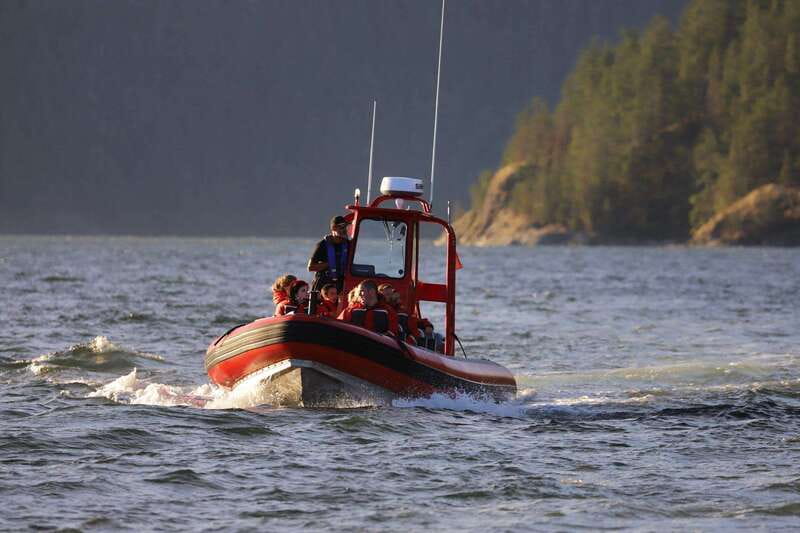
- Small group feel on a 12 passenger vessel, built for close viewing in narrow channels
- Covered or open boat setup, with onboard washrooms so you can stay out there longer
- Certified naturalist interpretation plus captain decision-making, so you’re not just drifting and hoping
- Hydrophones onboard to hear humpback or orca vocalizations when conditions and opportunities line up
- Onshore lunch and snacks: wraps, homemade baked goods, granola bars, plus coffee and hot chocolate
- Travel between Discovery Islands and into Johnstone Strait, rather than blasting into the open Pacific
Campbell River whale watching: why this route is the point
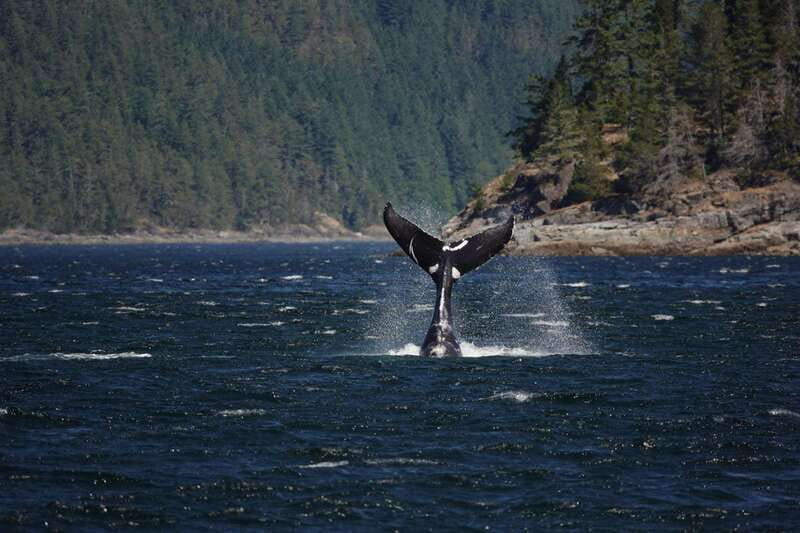
Campbell River is a launching pad for some of Canada’s best marine viewing, but the real trick here is where the boat focuses. Instead of spending the day out on featureless open water, you travel through narrow passages between the Discovery Islands and into Johnstone Strait. That matters because whales and dolphins don’t roam randomly—they show up where conditions support food and movement.
Expect a day built around searching the Salish Sea, Discovery Passage, and Johnstone Strait. That’s the kind of route that increases your odds of variety, because different species use different areas and behaviors overlap. The tour is designed for that reality: it’s not one long sit-and-stare session. It’s multiple stretches of cruising, scanning, and stopping when the captain and naturalist spot activity worth your time.
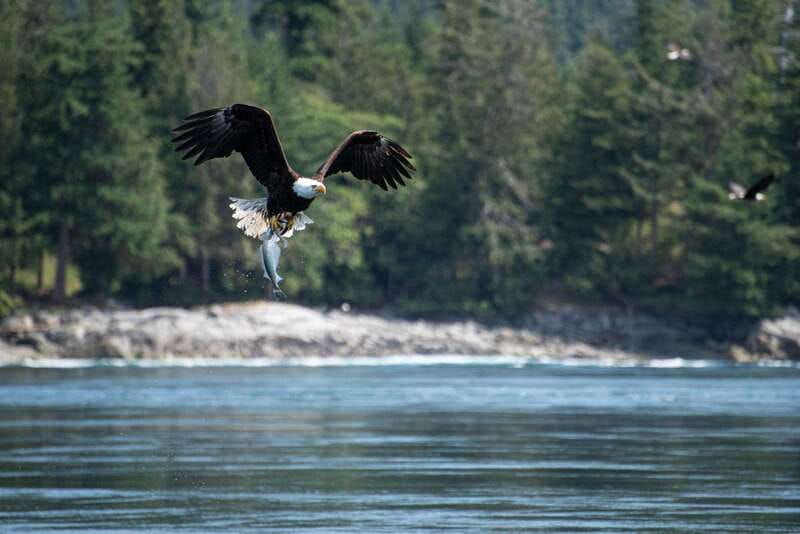
And if you care about more than just whales—this is also a bear-and-birds style outing. Based on what’s been seen on past days, you might spot bears, Steller sea lions, and even bald eagles while you’re out there.
You can also read our reviews of more tours and experiences in Campbell River.
Your boat setup: covered comfort or open-air viewing
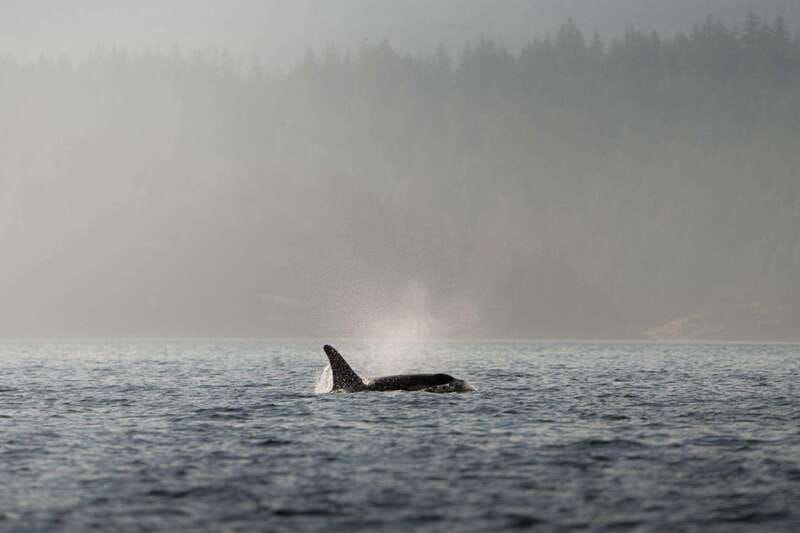
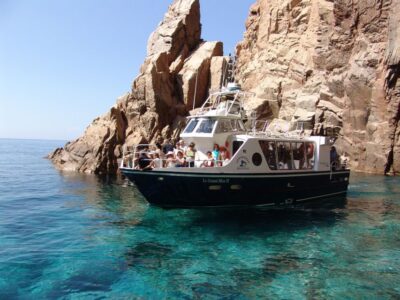
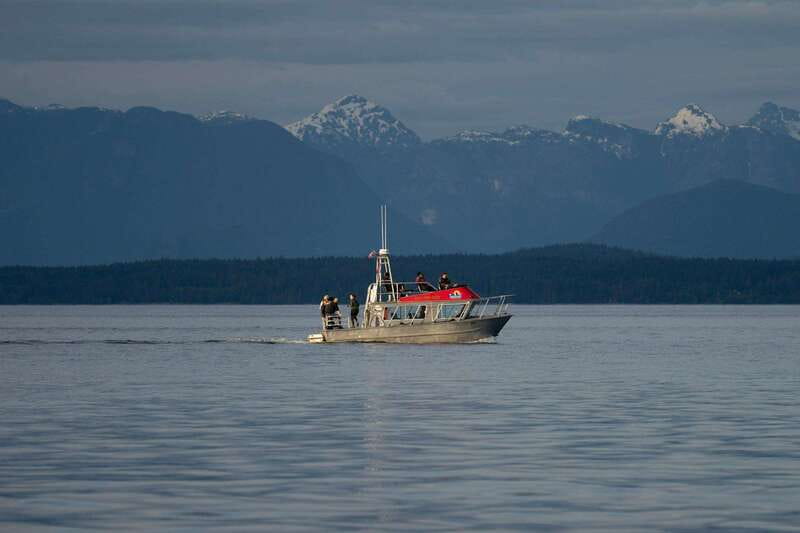
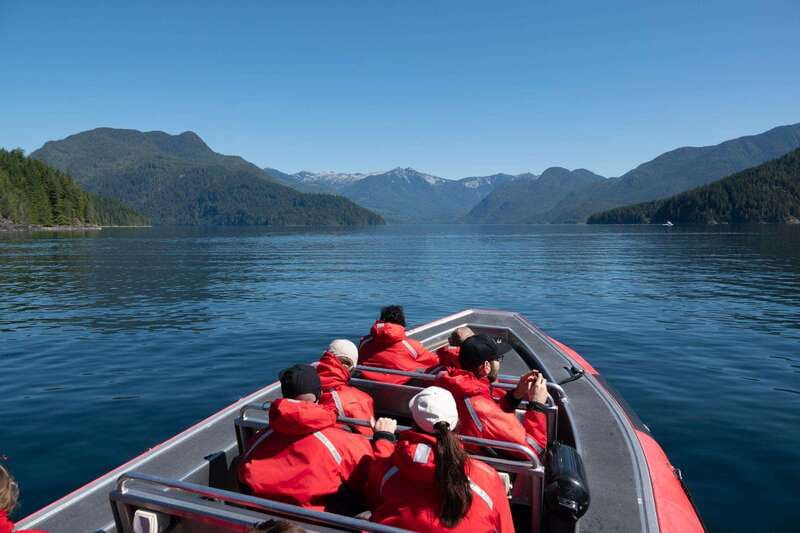
One reason this trip feels practical is the boat options: you go out onboard either a Zodiac or a covered vessel, and both are built for this kind of viewing work. A Zodiac can give you that nimble, close-in feel when conditions are right. A covered vessel helps cut wind and spray when it’s chilly.
Either way, the tour includes onboard washrooms, which is more important than it sounds. On a 6-hour wildlife outing, you want to stay focused on the water, not planning constant breaks.
What about warm clothing? Even when you’re under a roof, you’re moving on water. The tour encourages you to bring warm clothing and closed-toe shoes. In the real world, you’ll likely want layers you can adjust fast, because the breeze can change minute to minute.
The 12-passenger advantage: seeing whales without feeling lost
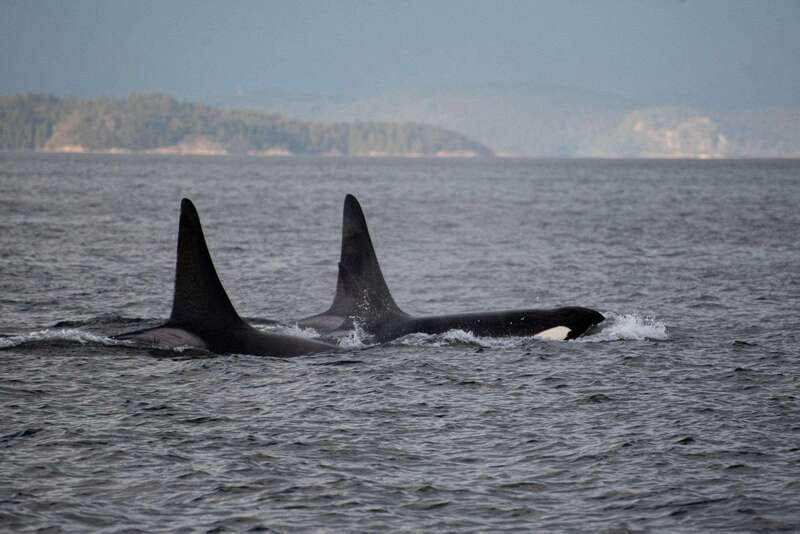
This is a small-boat outing—a 12 passenger vessel—and that size changes the experience. With fewer people, you get less crowding at the rail and fewer people blocking your line of sight when something surfaces.
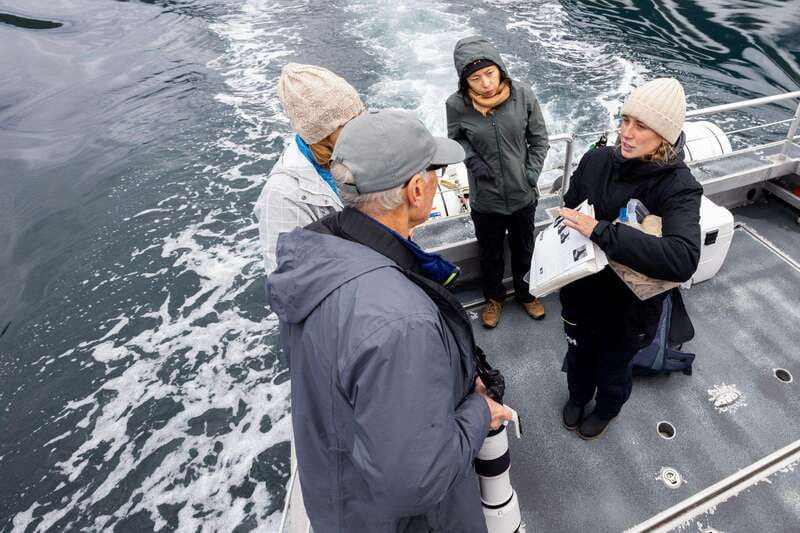
That small group also means the guide’s interpretation can stay personal. You get a nature interpretation by a certified Naturalist Guide and Captain, plus an early safety briefing and a quick orientation at the start of the day. The goal is simple: you understand what you’re looking for and where the boat is going, so the whales aren’t just a surprise—they’re a story you can follow.
If you’re the type who loves details (who doesn’t?), this setup helps. When someone points out behaviors—breaching vs. fluke-up surfacing vs. pod movement—you start reading the ocean instead of just watching it.
How the day is paced: morning search, lunch reset, afternoon chase
The tour is structured around two main wildlife stretches with a solid lunch break in the middle. The timing is built to keep you out on the water long enough to matter, without cooking you for an entire afternoon without food.
Morning: safety briefing, then the first long wildlife watch
You start at the Campbell River Whale Watching and Adventure Tours location for a short safety briefing (about 15 minutes). Then you roll into the first stretch—around three hours of cruising and scanning.
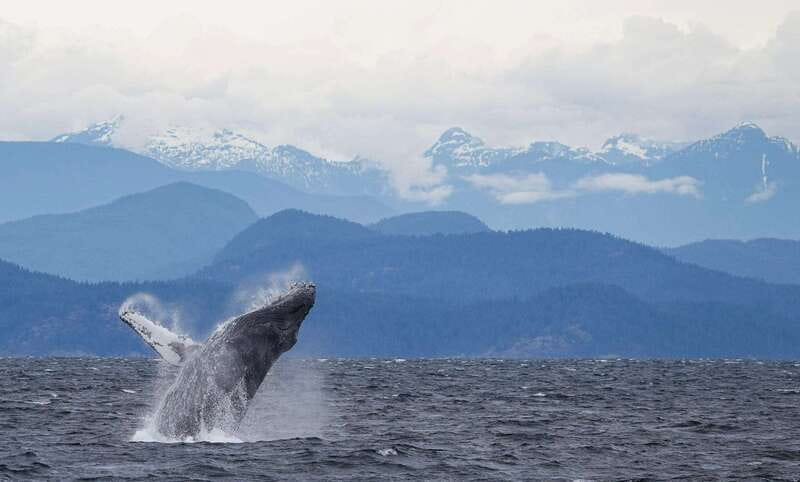
This is where you can catch big-energy sightings: humpbacks, orcas, dolphins, and sea lions all fit the kinds of behaviors you’re likely to see in protected waters. The captain also gets to work early, because the day’s best animals rarely show up on schedule like a theater show.
Midday: a proper onshore break and real lunch
After the first stretch, there’s a break—about 30 minutes—with coffee/tea and lunch on shore.
This part matters more than most people think. A wildlife day is tiring. You’re cold if you’re under-dressed, and you’re alert the whole time. Food plus warmth helps you stay sharp for the afternoon search, rather than turning your brain into mush while you wait.
Afternoon: second wildlife stop with a fresh set of chances
The second wildlife stretch runs about 2.5 hours. This is often where patterns start to repeat. If the ocean gave you one kind of activity in the morning, the afternoon can bring different angles, different individuals, or a new species moving through the same area.
The itinerary keeps the balance: you’re not rushed at the start, and you’re not stranded at the end. You return to Campbell River Whale Watching and Adventure Tours after the second stretch.
The naturalist + captain combo: why interpretation changes everything
On whale watching tours, there’s a big difference between spotting wildlife and understanding it. This one pairs a certified naturalist guide with a captain who’s actively steering for sightings.
The guide role is practical: you get explanations before you head out, and throughout the day you’re interpreting what you see. Past participants have highlighted guides who teach patiently—people like Martin and Steve have been praised for being calm, and biologist Alex has been singled out for whale learning.
In other words, you’re not just hearing facts. You’re connecting facts to what the boat is doing right now.
Also, the hydrophones (more on that next) are another interpretation tool. When you can hear whale vocalizations through the onboard system, the day shifts from visual-only to a fuller sensory experience.
Hydrophones: hearing whale calls when conditions allow
The tour includes hydrophones, underwater microphones that can pick up vocalizations from whales. When conditions and timing line up, you may hear orca or humpback calls.
Two important notes from the tour details: whale communication doesn’t happen continuously all day, and hydrophone opportunities are not guaranteed. So treat this as a bonus when it happens, not a certainty.
Still, even hearing calls once can be a memorable way to understand what you’re watching. A surface blow or tail action feels more meaningful when you know there’s an actual signal behind it.
Lunch onshore: better than snack-box tourism
The lunch is one of the clearest strengths of this outing. You get freshly made wraps plus snacks like homemade baked goods and granola bars, along with coffee, hot chocolate, tea, and water.
This is the kind of catering that keeps your expectations realistic. You’re not paying for gourmet dining. You’re paying for a full day with energy to last—and the food here supports that.
One practical tip: even if you eat a normal amount at lunch, still bring your camera and binoculars with easy access. You don’t want to be fumbling for gear when something breaks the surface.
What you should bring: camera, binoculars, and the right clothing
The essentials are straightforward, and following them will make your day easier:
- Camera (and charge it fully the night before)
- Binoculars (highly recommended for scanning)
- Warm clothing and sunscreen
- Closed-toe shoes
Tripods are not recommended. On small boats, tripods can be awkward, unsafe, and annoying for everyone nearby. Handheld shooting with good shutter settings usually makes more sense for moving subjects and quick bursts.
Also, plan for being on the water in changing conditions. Closed-toe shoes help you keep your footing on wet decks, and warm layers help you stay comfortable enough to keep watching.
Where to meet at Discovery Harbour Marina and how to park
Meet at Campbell River Whale Watching and Adventure Tours at the Floathouse in Discovery Harbour Marina, E Dock. Arrive 20 minutes early—the boat does not wait for late arrivals.
Parking is available in a large gravel lot off Robert’s Reach Road. It’s described as half paid and half free, so pay attention to the posted signs. Free parking is at the south end closest to the Quadra Island ferry.
If you like to plan ahead, give yourself time to find the exact E Dock and get your gear ready. Your first minutes matter, because that early safety briefing is part of how the day flows.
Price and value: does $245 make sense?
At $245 per person for about 6 hours, the price isn’t cheap. But it can feel fair when you compare what’s included and what the day is designed to do.
You’re getting:
- A small 12 passenger wildlife-focused boat outing
- Interpretation from a certified naturalist guide plus captain expertise
- Lunch onshore with wraps, homemade baked goods, and snack options
- Coffee/hot chocolate/tea/water
- A chance at multiple species across multiple stretches of protected water
- Onboard washrooms and hydrophones for extra sensory value
The key value point is not just the sightings. It’s the way the day is managed—time on the water is broken into meaningful chunks, and the food and guidance keep you engaged instead of worn down.
If your top goal is seeing lots of animals and you also care about learning what you’re seeing, the inclusions make the price easier to justify.
Who this tour suits best (and who might want to rethink)
This is a good fit if you:
- Want a well-paced, full half-day wildlife outing
- Like learning from guides, not just taking photos
- Prefer protected waters and a focused search plan
- Don’t mind dressing warm and waiting for whales to show up
It’s not suitable for children under 4 years. For smaller kids above that age, you’d still want to consider cold spray and the length of time on the boat, since the trip runs the full 6 hours.
If you’re very movement-sensitive (seasickness prone), bring what you need—warm clothing and closed-toe shoes help your comfort, but water conditions can still affect how you feel.
The practical checklist for a smoother day
Before you go, I’d treat this as a simple gear-and-mindset outing:
- Pack binoculars so you’re not stuck only with the naked-eye scan.
- Bring warm layers even if the morning starts mild.
- Keep your camera ready during cruising and not just during stops.
- Wear closed-toe shoes for traction on wet surfaces.
- Arrive early so check-in timing doesn’t shrink your day.
And mentally, go in with the right expectation: wildlife tours are living systems. The captain and guide work hard, but the ocean sets the final menu.
Should you book this Campbell River whale watching boat tour?
Book it if you want a focused, small-group Campbell River whale watching day that mixes serious wildlife search with real comfort—plus lunch that’s more than a token snack. The combination of a captain steering for sightings, a certified naturalist explaining what you’re seeing, and onboard hydrophones gives you multiple ways to connect with marine life.
Skip—or at least adjust your expectations—if you need guaranteed orca sightings or you hate any chance of cold wind and spray for six hours. This trip is designed for opportunity, not certainty.
If you’re planning your first whale watching day in this region, this is the kind of outing that makes the search feel worthwhile.
FAQ
How long is the Campbell River whale watching tour?
The tour lasts 6 hours.
What animals might I see?
You may encounter humpback whales, killer whales, dolphins (including Pacific white-sided dolphins), bears, Steller sea lions, and more.
Is the boat covered or open?
You’ll go onboard either a Zodiac or a covered vessel. The tour is designed so you can enjoy the water in covered or open conditions, depending on the boat used.
Will there be restrooms onboard?
Yes. The vessel is described as having onboard washrooms.
Is lunch included?
Yes. Lunch is included and it’s served onshore, with freshly made wraps, homemade baked goods, granola bars, and beverages like coffee, hot chocolate, tea, and water.
What should I bring for the tour?
Bring a camera and binoculars, plus sunscreen, warm clothing, and closed-toe shoes.
When should I arrive for check-in?
Please arrive 20 minutes before the activity starts, and check-in time is noted as 30 minutes prior to your reservation.
Is this tour suitable for children?
It’s not suitable for children under 4 years.
Can I get the right meal if I have dietary needs?
The tour notes that they can accommodate food allergies and dietary requirements (vegetarian, vegan, etc.) if you let them know at least one day before the tour.