REVIEW · ALGARVE
Faro: Ria Formosa Eco Birdwatching Boat Tour
Book on GetYourGuide →Operated by Lands - Turismo na Natureza · Bookable on GetYourGuide
Faro’s lagoon feels like a secret wildlife lab. On a solar-powered eco boat from Cais das Portas do Mar, you glide quietly through the Ria Formosa Natural Park while an onboard guide points out birds and lagoon life. You’ll likely see herons and spoonbills, and if conditions are right, more—because this area is one of Europe’s top birdwatching spots.
I especially like two things: the tour keeps things small (max 10 people), so it’s easier to spot birds and hear the guide. And you get real help with binoculars plus live commentary, not just a drive-by nature show.
One possible drawback: birding depends on timing and conditions. If the lagoon is a bit tougher that day—wind, tide, or season—you may get fewer close views than you hoped, even with a good guide working the best spots.
In This Review
- Key highlights to know before you go
- Solar-powered silence: why the Ria Formosa tour is so easy on wildlife
- Where you board in Faro: Cais das Portas do Mar
- The 2-hour cruise: what happens on the water
- Birds you might see: flamingos, spoonbills, herons, and more
- How the guide makes it work (and why group size matters)
- Comfort on board: what to bring and what to expect
- Spring quiet time: the April and May alternative walking option
- Price and value: is $47 per person worth it?
- Who this tour fits best (and who should skip it)
- A few smart tips to improve your sightings
- Should you book this Faro eco birdwatching boat tour?
- FAQ
- How long is the Faro Ria Formosa eco birdwatching boat tour?
- Where do I meet for the tour?
- Is this tour wheelchair accessible?
- What is included with the ticket?
- What languages are offered on the tour?
- What should I bring?
- Is smoking or pets allowed?
Key highlights to know before you go
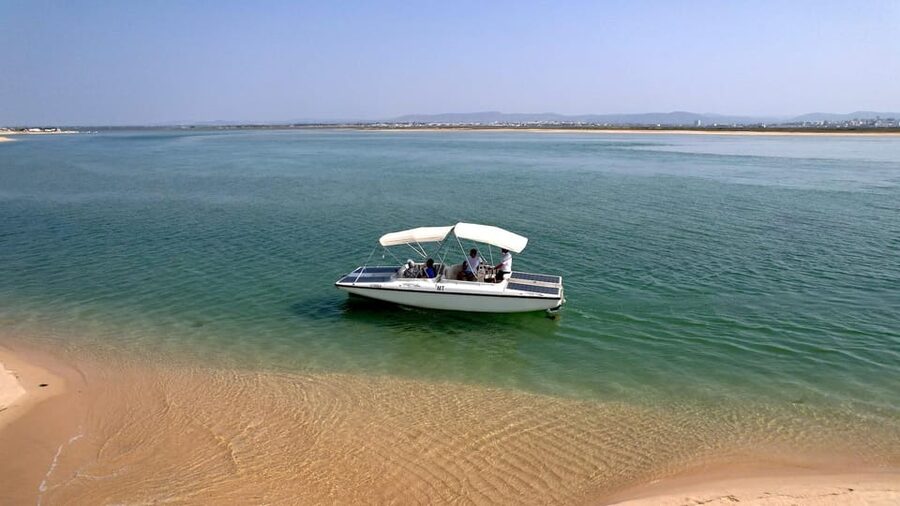
- Solar-powered, quiet travel: gliding through calm water with minimal disturbance to wildlife
- Small-group birding: limited to 10 participants, so the guide can steer attention and pace
- Guided wildlife spotting: learn what you’re seeing, from birds to lagoon workings
- Binoculars + life vests: practical included gear for a safer, more comfortable cruise
- Seasonal rhythm: in early spring (April–May), an alternative calm walk may be offered
Solar-powered silence: why the Ria Formosa tour is so easy on wildlife
This is the kind of Algarve nature outing that doesn’t feel like a zoo tour. The boat runs on solar power, so the vibe is calmer and the engine noise stays low. That matters here. Birds in the Ria Formosa are used to a specific rhythm of water, wind, and human presence, and quieter travel helps you get closer without stressing the wildlife.
What you’re really buying is time on the water with a guide who knows how to translate lagoon life into something you can actually see. The experience is built around birdwatching and wildlife appreciation, with live commentary during the cruise. You’re not left to guess what’s moving on the waterline.
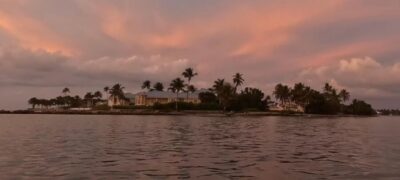
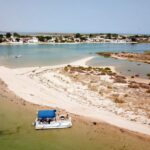
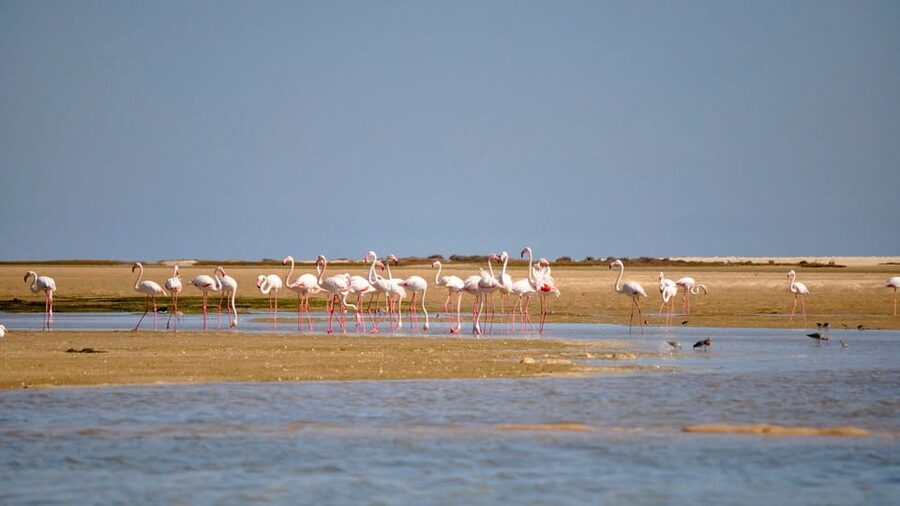
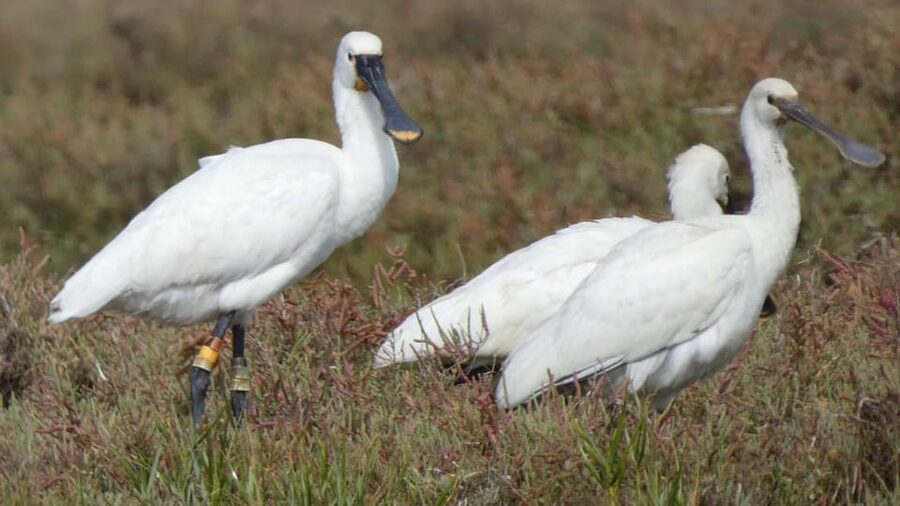
This lagoon is also a big biodiversity zone. You should expect a mix of birds and habitats along the route—mudflats, shallow water, and sheltered channels where birds feed and rest. The highlights list species like flamingos, spoonbills, and herons, but the bigger point is the variety of bird life this park supports.
You can also read our reviews of more tours and experiences in Algarve.

Where you board in Faro: Cais das Portas do Mar
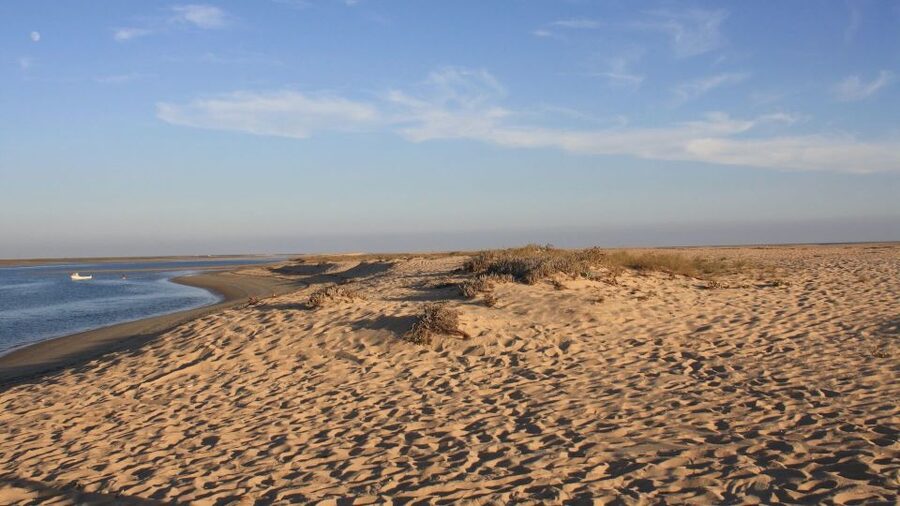
You meet at Cais das Portas do Mar, near the Lands Shop Kiosk (R. da Porta Nova, 8000-250 Faro). It’s a straightforward starting point if you’re already exploring central Faro, and it keeps the tour centered on the lagoon rather than long transfers.
Bring a small “field kit” mindset. Wear comfortable clothes you don’t mind getting a little damp, and have sunglasses and sunscreen ready. Even if the day is bright, birds are often farther out than you expect, and glare on the water can make spotting harder.
The included life vests are there for safety, and the included binoculars mean you don’t need to hunt down gear in advance. Still, if you’re picky about binocular quality, plan to keep expectations realistic—some people find the binoculars less ideal for fast-moving views.
The 2-hour cruise: what happens on the water
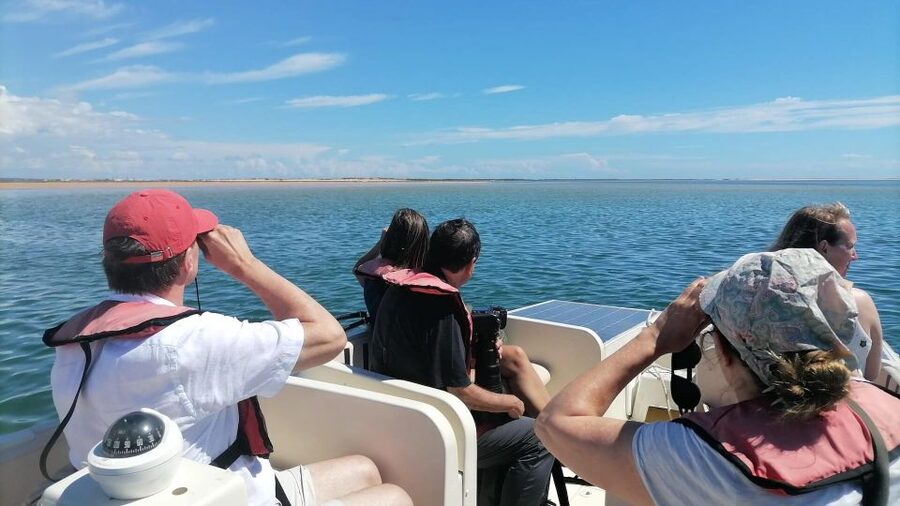
The tour runs for 2 hours and is guided the whole time with live commentary. You’ll head out onto the Ria Formosa Lagoon and spend the core of the experience cruising and wildlife viewing.
Here’s how I’d think about the timing:
- The first part is about getting into position and learning how the guide wants you to look. Birds can be easy to miss until someone shows you the right shoreline, the right distance, and the right moment.
- The middle is usually where the best sightings happen, because the guide can react to what the lagoon is offering at that moment—where birds are feeding, resting, or shifting with the water.
- The ending is about wrapping up the most interesting spots before you return to the meeting point.
Even with the same route and the same season, the lagoon doesn’t repeat itself daily. Tide, wind, and bird movement all affect visibility. That’s why a good guide’s “where we go next” skill matters more than a fixed checklist.
Birds you might see: flamingos, spoonbills, herons, and more
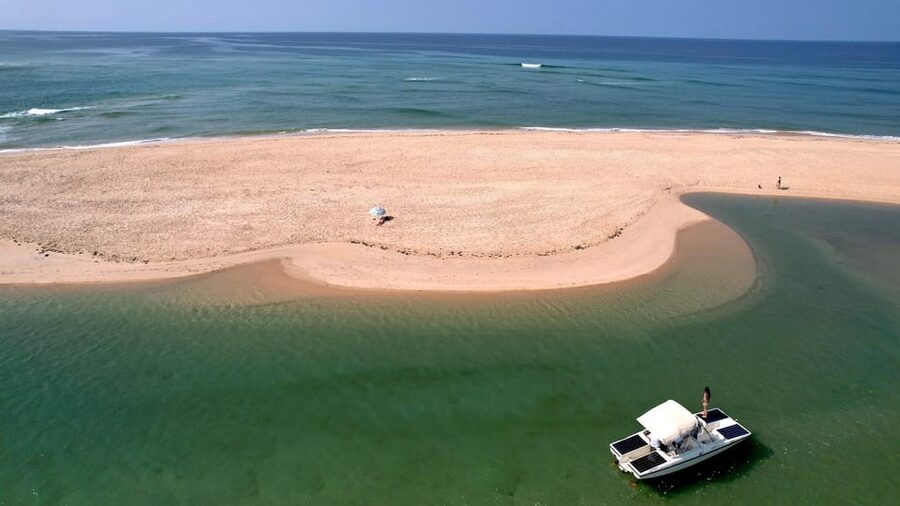
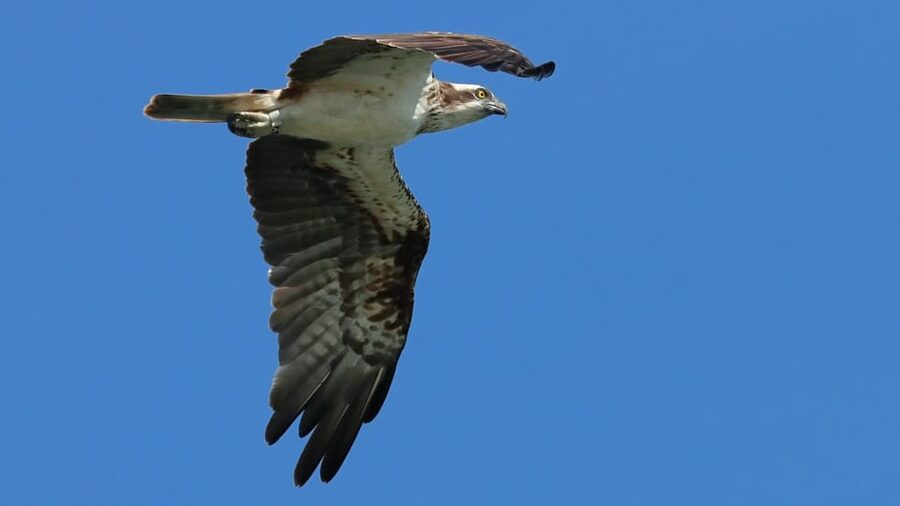
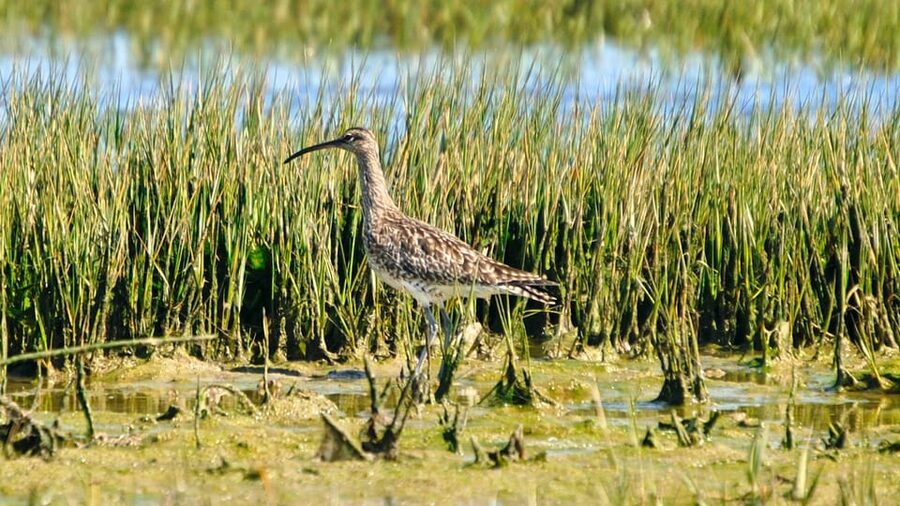
The tour highlights mention flamingos, spoonbills, and herons. Those are great targets, but the practical value is learning to identify birds you see even when they’re not the headline species.
Guides on this tour focus on turning sights into names and behavior. In English, Spanish, and Portuguese, the guide explains what you’re looking at—right down to waders and bird types people often struggle to name. One guide experience stood out for knowing common names in multiple languages and helping people match the bird’s shape and posture to the right group.
If you go in early spring (especially April and early May), you may notice the birding isn’t always as packed with every species you’re hoping for. Some days, you’ll still get plenty to learn and photograph—but it can feel a bit quieter than peak periods. This is normal lagoon biology, not a problem with the tour.
Also, remember a key point: birds are small, and the boat moves. That means you’ll likely spend time scanning, pausing, and re-finding. If you want the easiest spotting, keep your eyes up and ready, not buried in your phone.
How the guide makes it work (and why group size matters)
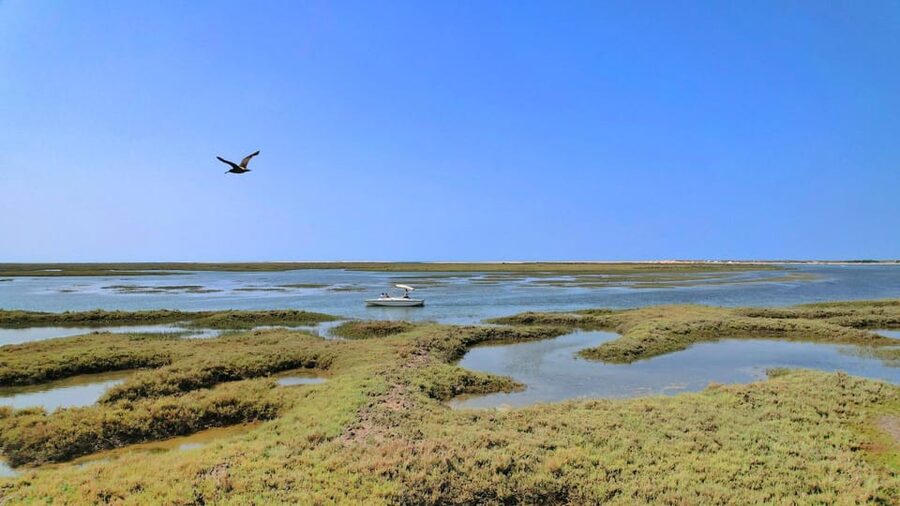
This is a small-group outing (limited to 10). That number is not random. With fewer people onboard, the guide can stop more effectively, point out birds without shouting over a crowd, and help everyone get a turn using binoculars with less “everyone’s guessing the same direction” chaos.
You’ll also get live commentary on board, and the guide chooses spots based on real-time viewing. In the lagoon, that flexibility can make the difference between seeing a bird once at a distance and actually understanding what it is and how it’s using the habitat.
Two guide details you should know if you’re a bird nerd:
- Guides named Andre and Luis show up repeatedly in standout experiences for being friendly and skillful at finding birds.
- There’s a noticeable emphasis on education, including how the park is managed and how activities like oyster farming fit into the local ecosystem.
If you’re traveling with kids or just want a nature lesson without a classroom feel, the guide’s role is the reason this tour often lands well.
Comfort on board: what to bring and what to expect
You’re outside for two hours on a moving boat, so pack for comfort rather than perfection.
Bring:
- Comfortable shoes (you’ll want stable footing)
- Sun hat, sunglasses, sunscreen
- Water and snacks (food isn’t included)
- Rain gear and comfortable clothes, because weather in the Algarve can shift fast
One practical tip: if you’re serious about photos, wear layers you can adjust quickly and keep your camera accessible. Birds won’t wait for you to find your lens cap.
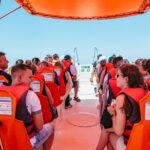
You’ll get binoculars and life vests included. If binoculars are your main tool, plan to focus on steady scanning. Some people felt the binoculars weren’t great for spotting fast-moving birds while the boat was in motion, so the smartest move is to let the guide pick the moment—then zoom in with binoculars during pauses or slower stretches.
Spring quiet time: the April and May alternative walking option
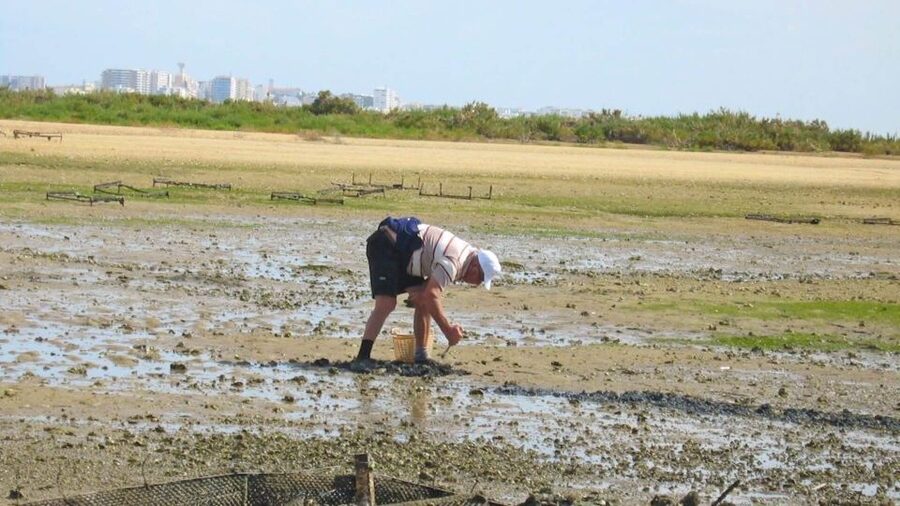
The tour experience changes in April and May. During this period, bird activity naturally slows as migratory patterns shift. Instead of forcing heavy species-spotting when birds are less concentrated, Lands offers a relaxed two-hour walk as an alternative way to experience the Natural Park.
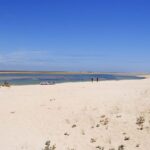
This spring walk focuses more on atmosphere than on maximum species counts. You’ll have space to pause, observe, and take in the scenery at an unhurried pace. The route includes a stop at Barrinha Beach, where the open coastline and the sound of the sea provide a calmer contrast to the sheltered lagoon areas.
If you’re the kind of traveler who loves nature even when the birds are quiet, that walk can actually be a win. It’s less about ticking species and more about learning the feel of the park.
Price and value: is $47 per person worth it?
At $47 per person for a 2-hour guided eco cruise, you’re paying for three things at once: access to the lagoon by boat, small-group guiding, and included equipment like binoculars and life vests.
In practical terms, the value comes from the guide. If you’re there just to ride around on water, you’ll still see nature—but you might miss half the point. With a guide who knows how to find birds and explain what you’re seeing, that $47 turns into a guided field lesson.
You’re also getting a more eco-minded approach with the solar-powered boat. That may not be the main factor in your day-to-day enjoyment, but it fits the park setting and the quiet-water feel that helps wildlife.
For families and couples, the math usually works because two hours is long enough to feel like you did something meaningful but not so long you lose the rest of your Faro day. For bird photographers, the value depends on your expectations: you’re buying a chance to see birds, not a guarantee of specific species every day.
Who this tour fits best (and who should skip it)
This tour is a good match for:
- Nature lovers who want a guided explanation, not just a view
- Birdwatchers who prefer small groups and quiet cruising
- Families who want something relaxing that still feels educational
- Photo folks who like wildlife scenes and can handle scanning and waiting
It’s not suitable for wheelchair users, and pets aren’t allowed. Smoking is also not allowed during the experience.
If you get seasick easily, you might want to think about how calm the lagoon water is on your travel day. The tour’s key selling point is quiet, calm waterways, but the information provided doesn’t spell out seasickness support. When in doubt, ask before booking.
A few smart tips to improve your sightings
These are small habits that help a lot in lagoon birdwatching:
- Arrive ready to scan: spend the first minutes figuring out where the guide is looking.
- Keep your eyes both on the water and the shoreline edges—birds often feed where the habitat changes.
- If you’re using binoculars, don’t rush: lock focus, then track movement for a few seconds.
- Ask for clarity if you miss a name. The guide runs live commentary in multiple languages, so you can request a slower explanation rather than pretending you got it.
Also, keep an open mind about your “best moment.” Sometimes the most memorable sightings happen when you stop chasing a specific species and simply follow what the guide finds that day.
Should you book this Faro eco birdwatching boat tour?
If you want a guided, eco-minded birdwatching experience in the Ria Formosa with a small group and included binoculars, this is a strong choice. The best part is how the guide turns wildlife into something you can actually recognize and understand, not just watch from a distance.
Book it if you:
- Like nature education that stays practical
- Want a quiet boat experience instead of a rushed sightseeing circuit
- Are happy with birding that depends on tide, weather, and season
Skip it or reconsider if you:
- Need wheelchair access (this tour isn’t suitable)
- Expect guaranteed headline species no matter the day
- Are uncomfortable with scanning while the boat is moving
FAQ
How long is the Faro Ria Formosa eco birdwatching boat tour?
The tour lasts 2 hours.
Where do I meet for the tour?
You meet at Lands Shop Kiosk, Cais das Portas do Mar, R. da Porta Nova, 8000-250 Faro, Portugal.
Is this tour wheelchair accessible?
No, the tour is not suitable for wheelchair users.
What is included with the ticket?
The tour includes the boat tour, binoculars, life vests, and a local guide with live commentary on board.
What languages are offered on the tour?
The guide provides live commentary in English, Spanish, and Portuguese.
What should I bring?
Bring comfortable shoes, sunglasses, sun hat, snacks, sunscreen, water, rain gear, and comfortable clothes.
Is smoking or pets allowed?
Smoking is not allowed, and pets are not allowed.