REVIEW · HOI AN
From Hoi An: Market Tour, Basket Boat Ride and Cooking Class
Book on GetYourGuide →Operated by Hoian Eco Coconut Tour · Bookable on GetYourGuide
Water and lunch in one smooth half-day. This eco-minded outing from Hoi An strings together a market tour and a bamboo basket boat through coconut palms, then ends with cooking Vietnamese dishes you actually make. I love how the market time pushes you to speak up, ask questions, and bargain like a normal shopper, and I also love the hands-on cooking format where you’re not just watching from the sidelines.
There is one catch to plan for: the market portion can be noisy and sometimes hard to hear clearly, especially if you’re sitting farther from the guide or it’s busy. Still, the rest of the experience tends to feel more relaxed and hands-on, and the food is a big payoff.
In This Review
- Key Things You Should Know Before You Go
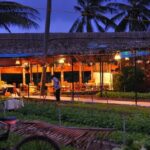
- Starting Point at Ivegan Shop: What Sets the Tone
- Market Tour in Hoi An: How to Shop and Bargain Like You Mean It
- Bamboo Basket Boat in the Coconut Palm Forest: Calm Water and Side-Splashes
- The Coconut Leaves Souvenir and Folk Details
- Hands-On Cooking Class: From Market Ingredients to Four Real Dishes
- Food Breakdown: What You’ll Be Eating
- Recipes You Can Actually Use at Home
- Price and Value: Is $17 a Real Deal?
- Who This Tour Fits Best (And Who Should Think Twice)
- Quick Practical Tips Before You Book
- Should You Book This Hoi An Market, Basket Boat, and Cooking Day?
- FAQ
- What is included in the tour price?
- Is hotel pickup and drop-off included?
- How long is the basket boat ride?
- What should I bring with me?
- Can the cooking class accommodate dietary preferences or allergies?
- Is the tour suitable for wheelchair users, and are pets allowed?
Key Things You Should Know Before You Go
- Hoi An market time that goes beyond shopping, with practical tips on bargaining and spotting what you need
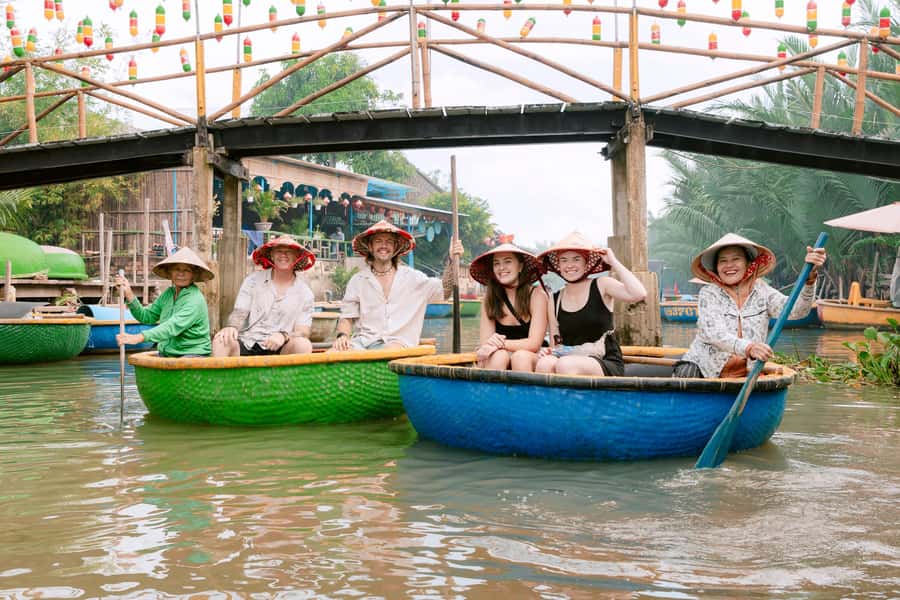
- A 40-minute bamboo basket boat ride through dense coconut palms, including fishing-net know-how
- Music, playful boat moments, and photo ops, with options to get extra spinning while you’re out on the water
- Hands-on Vietnamese cooking in a rural setting, not a classroom vibe
- A lot of food for $17, including lunch or dinner plus a bottle of water and insurance
- Recipe follow-up is a real help, so you can repeat dishes at home
Starting Point at Ivegan Shop: What Sets the Tone
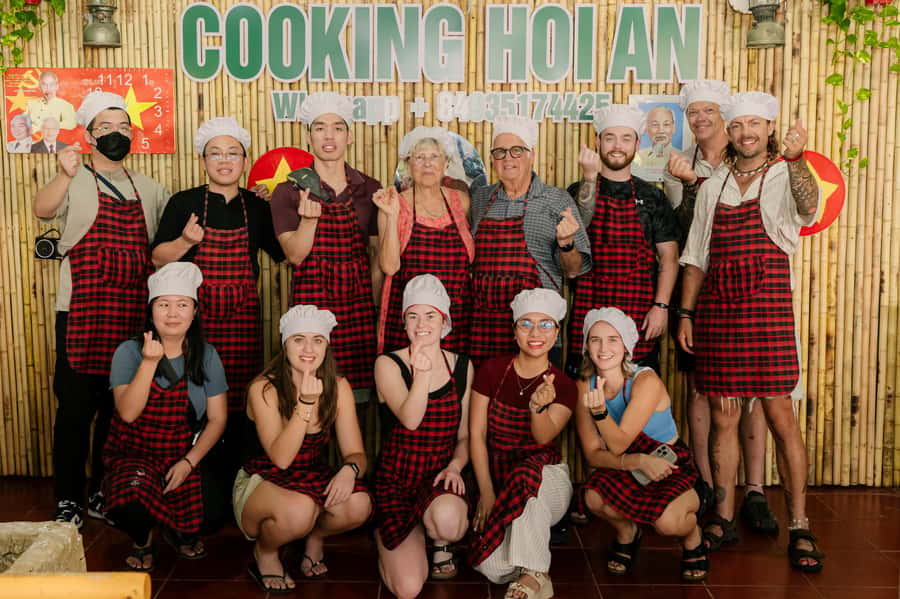
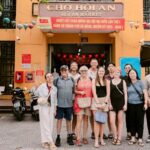
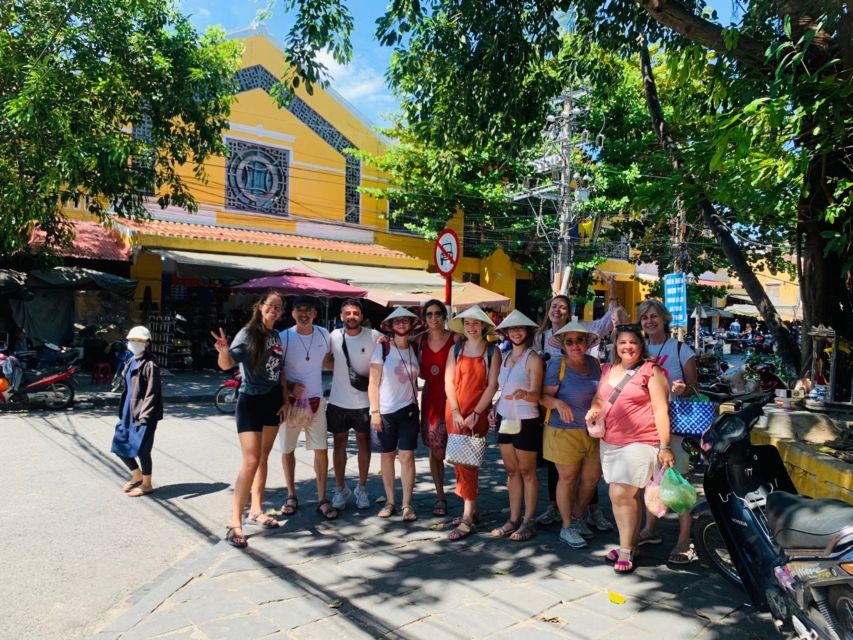
Most sessions begin with you meeting your guide at the Ivegan shop, then heading out together for a morning or afternoon slot. That matters because the day has three distinct modes—market, boat, and cooking—and you want smooth transitions without wasting time.
The tour is designed around everyday life in the countryside around Hoi An, not a staged “look at this for tourists” circuit. You’ll move at the pace of a local morning: people shopping, sellers calling out, then a slower rhythm on the water before you switch back to a kitchen where your hands do the work.
Plan to dress for sun and walking. Comfortable shoes are a must, and a sun hat plus sunglasses help a lot once you’re outside.
You can also read our reviews of more tours and experiences in Hoi An.

Market Tour in Hoi An: How to Shop and Bargain Like You Mean It
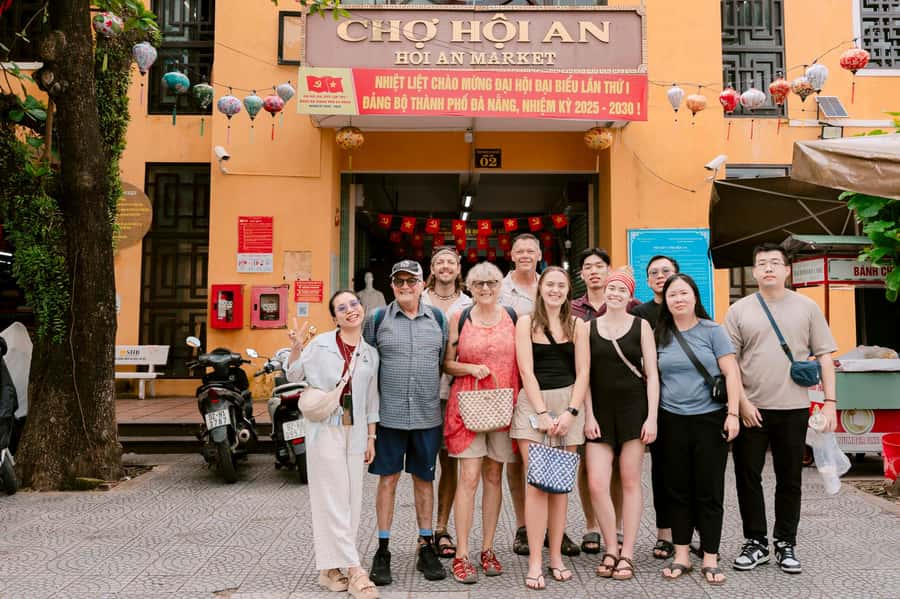
The market stop is the gear-up phase of the whole experience. You’ll see seasonal fruits, noodles, herbs, vegetables, meat, and fish laid out for daily cooking. This is where you start learning what ingredients look like before they become dishes.
One thing I like about the market portion is that it’s not treated like a museum. You get tips on how to bargain, and you can ask questions about what different produce is used for. Guides often point out small differences—herb types, noodle varieties, and which items show up most in local recipes—so your later cooking class feels connected instead of random.
Here’s the practical consideration: markets can be loud, and it can be hard to catch every word if you’re not close to the guide. If you’re sensitive to background noise, choose a position where you can see and hear clearly, and don’t be afraid to ask for a quick repeat.
Also, think about timing. If you do the morning slot, you’ll be hungry later when the cooking starts. Many people recommend going light on breakfast so you can enjoy everything you make.
Bamboo Basket Boat in the Coconut Palm Forest: Calm Water and Side-Splashes
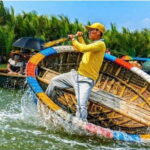
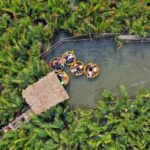
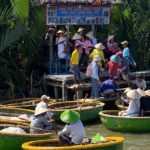
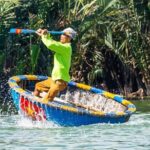
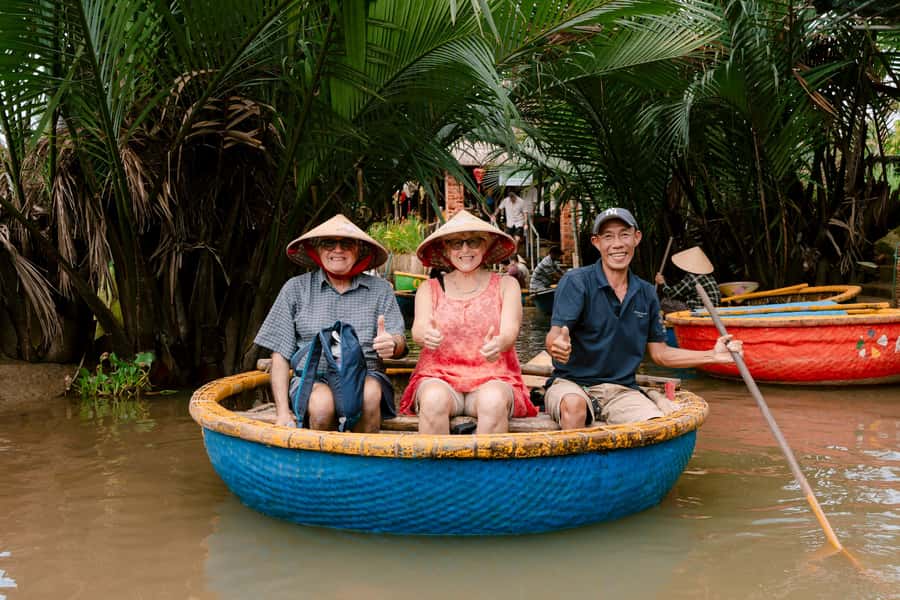
Then comes the part that feels most like Vietnam travel should feel: still water, green palms, and you out on the river in a traditional basket boat. The ride lasts about 40 minutes and typically mixes serene paddling with playful moments.
You’ll learn about fishing with a net, and you may hear folk songs during the trip. The boat experience also comes with little extras that make it memorable—some guides and boat captains sing while rowing, and you’ll often get fun photo moments out on the water. In a number of sessions, the boat ride includes spinning, dancing, and music, and some operators offer that as an add-on if you want a bigger show.
A practical tip: plan for heat and sun exposure. Some boats provide an umbrella for shade, but don’t count on full protection if you’re seated where the sun hits. Bring a hat, and take your sunglasses off only if you need to for photos and hand positions.
If you’re expecting a completely quiet nature outing, adjust your mindset. This is partly a countryside experience, but it’s also a lively activity. If you want peace and no splash, you can still enjoy it, just expect some lighthearted energy on the water.
The Coconut Leaves Souvenir and Folk Details
On the water, you may receive handmade souvenirs made from coconut leaves. It sounds small, but it adds a nice link between the boat route and the local materials that surround it.
These details are exactly why the tour feels more authentic than a simple ride-and-go. You’re not only consuming scenery; you’re learning how people make and use things from the environment around Hoi An.
If you’re the type who likes tangible travel keepsakes, this portion is worth paying attention to. If not, you can treat it as a bonus rather than a main goal.
Hands-On Cooking Class: From Market Ingredients to Four Real Dishes
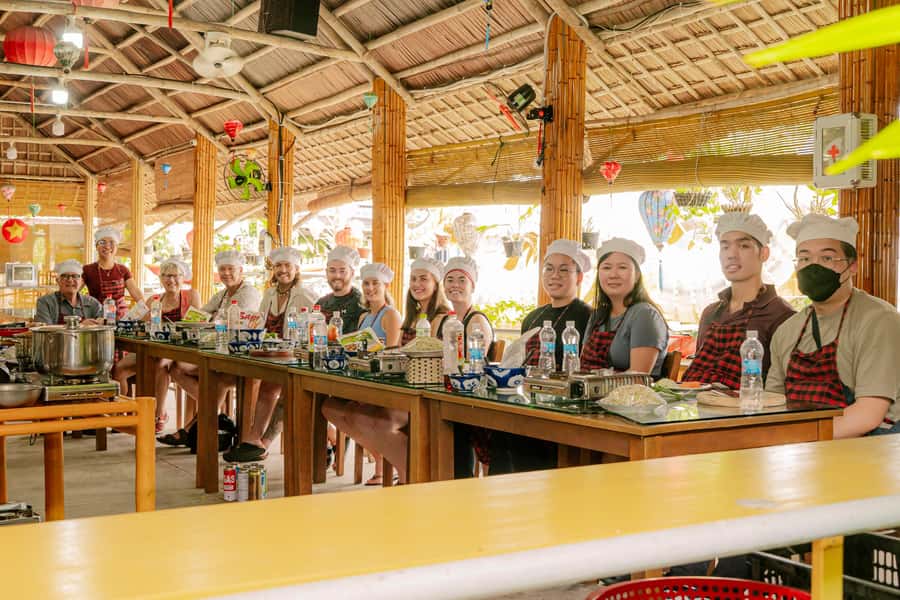
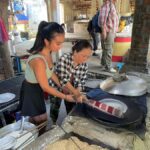
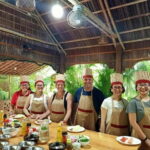
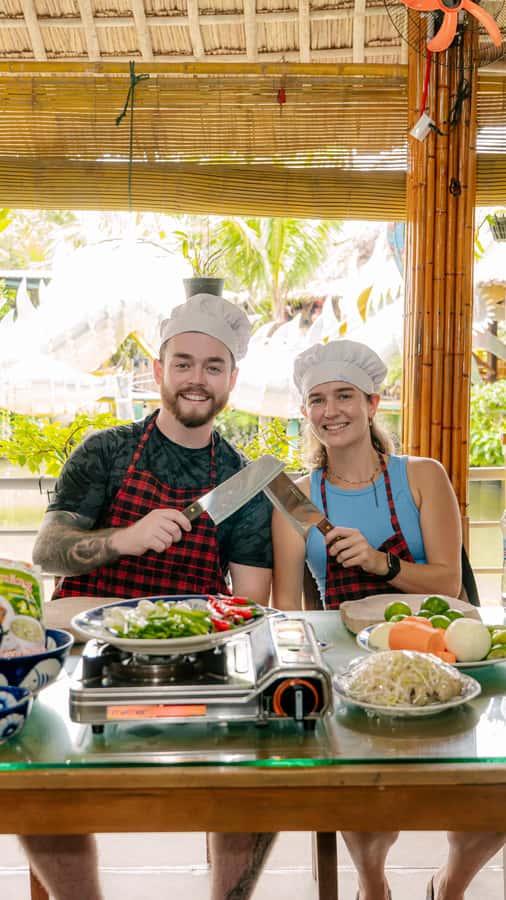
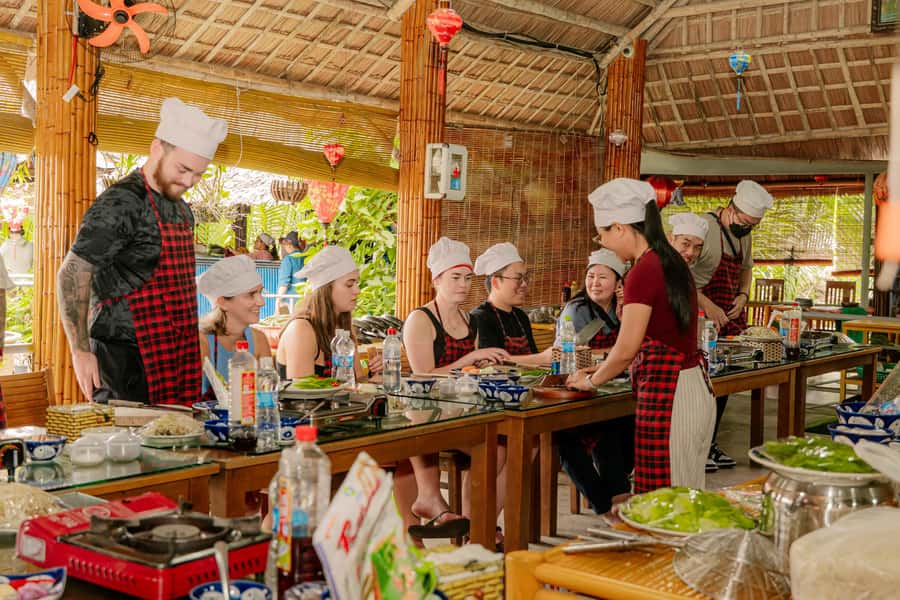
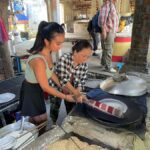
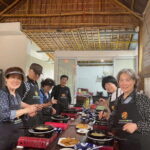
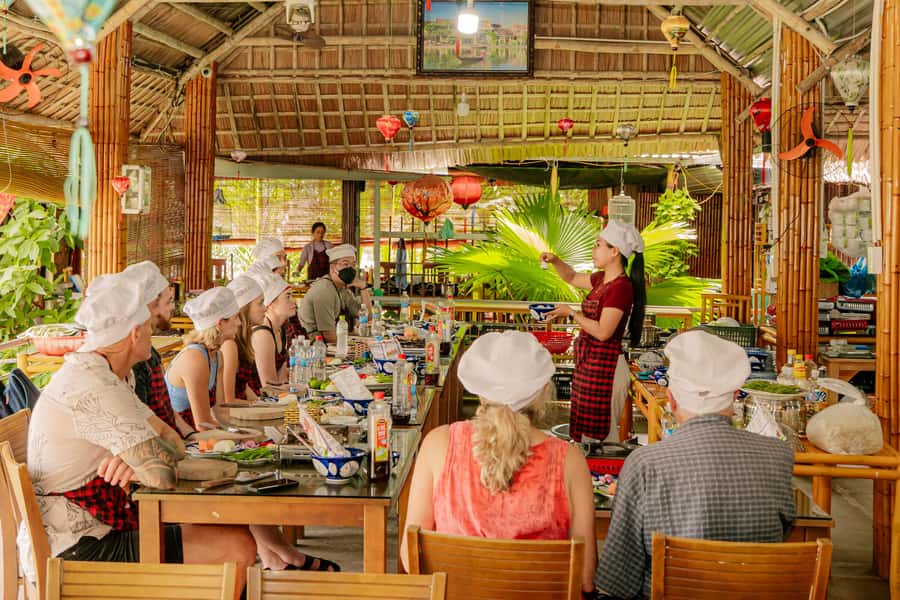
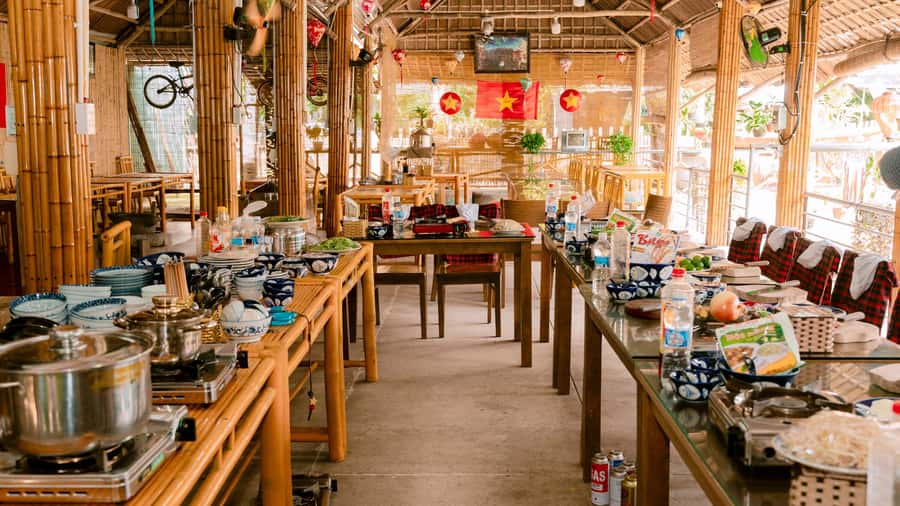
The cooking class is the heart of the day for most people, and it’s where you get your biggest skill payoff. Your class happens in a rural setting, and you’ll cook Vietnamese dishes such as Bánh cuốn (steamed rice rolls), Bánh Xèo (Vietnamese rice pancakes), Phở (beef noodle soup), and Chè (sweet bean soup). The exact dish list can vary by session, and some classes include variations like spring rolls and crispy pancakes.
What makes this class work is the structure: you get instruction, you get a chance to do the steps yourself, and you end up with enough food that you don’t need to hunt for dinner afterward. Multiple people note that they’re taught at a good pace, with plenty of involvement for beginners.
You’ll likely do a mix of hands-on prep and active cooking, but there can be differences in pacing depending on the session. Some people love that you cook the core dishes yourself, while others feel the later part can be faster or more instructor-led. Either way, the result usually lands: you get dishes that taste like you worked for them, not like you were handed a plate.
Also, the tour can adapt the ingredients based on vegan, vegetarian, gluten-free preferences, or allergies. That’s a big deal for comfort and trust—Vietnamese menus often include fish sauce or shrimp paste, so having flexibility ahead of time is key.


Food Breakdown: What You’ll Be Eating
Most sessions end with a full lunch or dinner included in the price. Expect a variety of textures and flavors: tender rice-based items, crispy pancakes, a warming noodle soup, and a sweet dessert finish. That mix is not random. It’s how you learn Vietnamese cooking as a set of patterns—wrapping, frying, balancing broth and herbs, and finishing with something sweet.
One more practical note: try not to eat too much before the class. People consistently say they end up comfortably full from what they make.
Recipes You Can Actually Use at Home
One of the most underrated parts of this kind of class is what happens after. Many sessions share recipes afterward, so you can try again once you’re back in your own kitchen.
Even if you don’t recreate every step perfectly, the recipes help you remember what your guide meant by things like the right herb mix, how long to cook, and how to balance savory and sweet. It’s also useful if you want to repeat just one dish—many people come home obsessed with one particular item.
Price and Value: Is $17 a Real Deal?
At around $17 per person, this tour often feels like strong value because it bundles several things that usually cost more separately: a guided market visit, boat time on the river, and a hands-on cooking class with lunch or dinner.
Also, the inclusions aren’t just symbolic. You get a guide, the cooking class, a bottle of water, and insurance included, plus the meal tied to the dishes you cook. When you compare that to paying for a cooking class by itself, the market and boat components can feel like added value rather than extras.
There’s one thing to double-check in your own planning: the market part can involve choosing ingredients. The tour includes the cooking experience and meal, but the tour data you have doesn’t clearly spell out what, if any, ingredient costs you might cover separately. If you’re budgeting tightly, ask what’s included vs what you’d purchase, then you’ll avoid surprises.
Who This Tour Fits Best (And Who Should Think Twice)
This is a great fit if you want a half-day that mixes food culture with a real countryside activity. If you like markets, you’ll enjoy the ingredient education. If you like boats and want a break from city walking, the basket boat ride gives you that reset.
It also works well for different confidence levels in cooking. Even if you’re new, you can participate, and the instruction style tends to be patient. Some sessions are small groups, and smaller groups usually mean you can ask questions more easily and get help faster at the stove.
Think twice if you need quiet or tight audio clarity. The market can be busy, and hearing the guide can be a challenge. Also, if you’re sensitive to heat, plan for sun and bring the hat and sunglasses you’ll be glad you packed.
Wheelchair users should note the tour is not suitable for wheelchairs, and pets are not allowed.
Quick Practical Tips Before You Book
Here’s how to set yourself up for a smoother day:
- Wear comfortable shoes for market walking and kitchen standing time
- Bring a sun hat and sunglasses for the boat ride and outdoor stretches
- If you have dietary needs, choose the option that allows ingredient adaptation for vegan, vegetarian, gluten-free, or allergies
- If you can, come hungry. Many people say you don’t need extra dinner afterward
- Decide whether you want the more playful spinning moments on the boat. If you do, bring a mindset for fun rather than quiet nature
Should You Book This Hoi An Market, Basket Boat, and Cooking Day?
If you’re spending time in Hoi An and you want one ticket that turns into real skills plus real food, I think this is an easy yes. The combination hits three strong travel goals: understanding ingredients at the market, getting out on the river in a coconut palm area, and learning to cook classic Vietnamese dishes that you can repeat later.
Book it if you like hands-on experiences and you’re open to a lively market atmosphere and a fun boat ride. Consider skipping or switching timing if you hate noisy spaces or if clear instructions matter most to you.
Overall, at about $17 with lunch or dinner included, this tour often feels like a smart value. You leave with full stomach energy, cooking confidence, and a boat-and-food story you’ll actually tell again.
FAQ
What is included in the tour price?
The tour includes a guide, the cooking class, a bottle of water, insurance, and lunch or dinner.
Is hotel pickup and drop-off included?
No. Hotel pickup and drop-off are not included, and the activity ends back at the meeting point.
How long is the basket boat ride?
The bamboo basket boat ride is about 40 minutes.
What should I bring with me?
Bring comfortable shoes, sunglasses, and a sun hat.
Can the cooking class accommodate dietary preferences or allergies?
Yes. Ingredients can be adapted for vegan, vegetarian, gluten-free preferences, and allergies.
Is the tour suitable for wheelchair users, and are pets allowed?
No. The tour is not suitable for wheelchair users, and pets are not allowed.