REVIEW · AJACCIO
From Ajaccio/Porticcio:Ajaccio & Sanguinaires Gulf Boat Tour
Book on GetYourGuide →Operated by Nave va · Bookable on GetYourGuide
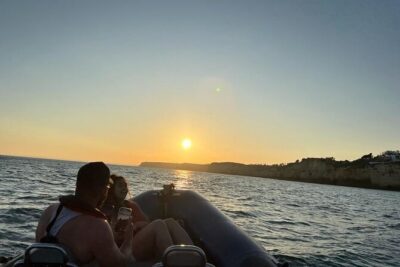
Boat time in Ajaccio Bay feels instant. In just three hours, you get big views, protected islands, and a sea-only stop where you can actually get your feet wet and go ashore.
What I like most is the mix: you cruise past classic north-shore landmarks, then you switch to a quieter, wilder mood on the Sanguinaires islands. I also love the freedom built into the 1-hour swimming stop and the optional walk to the lighthouse tied to Alphonse Daudet’s Letters from My Windmill.
One thing to consider is capacity. A boat tour can feel crowded, and there can also be a separate connection step for some departures (so give yourself extra time to arrive on schedule).
In This Review
- Key highlights worth planning around
- Getting to the water: Ajaccio’s departure setup and what it means for you
- North shore pass: Tino Rossi, the Greek chapel, Marin cemetery, and the Citadel
- Parata tower and the Sanguinaires islands: why the Natura 2000 part matters
- Mezumare (Mezu Mare): sea-only access and the wild-feeling stop
- The 1-hour swim stop: when water shoes help a lot
- Daudet’s lighthouse walk: sea views plus literary connection
- Lazaretto ruins and the quarantine past: the heavier side of sea travel
- Price and value: is $42 for 3 hours a smart buy?
- Who this tour fits best (and who should skip it)
- Tips to get the best day on the water
- Should you book the Ajaccio and Sanguinaires Gulf Boat Tour?
- FAQ
- How long is the Ajaccio & Sanguinaires Gulf boat tour?
- Where does the tour start in Ajaccio?
- Is swimming included, and what should I wear?
- What parts of the coastline are seen during the cruise?
- What is Mezumare, and can you visit it?
- What language is the guide speaking?
Key highlights worth planning around
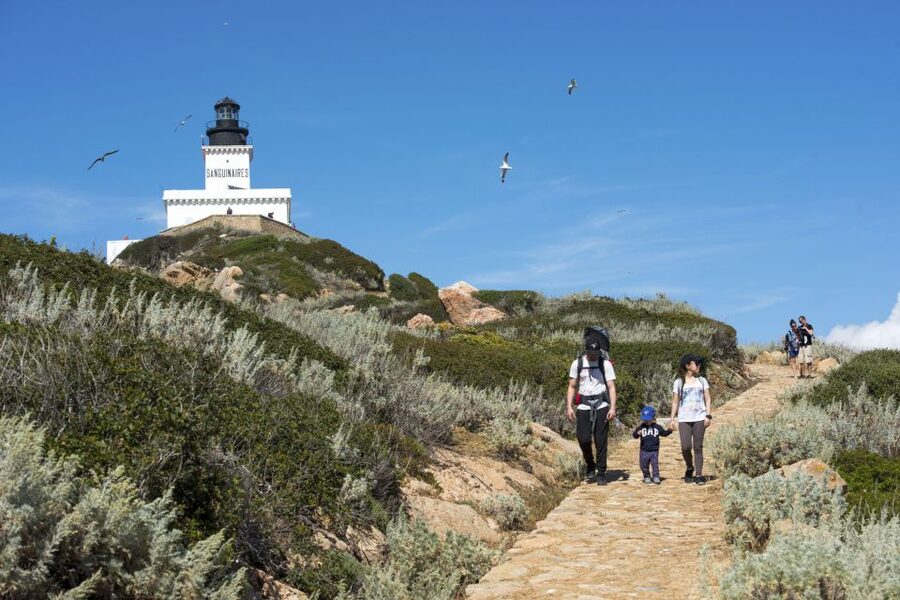
- Sanguinaires (Natura 2000) coastlines: protected nature you can see from close range
- Mezumare is sea-only: the best kind of hard-to-reach island
- Swimming with an island break: a full hour in a natural spot, not just a quick dip
- Daudet lighthouse and semaphore walk: history-meets-sea views on foot
- Quarantine story at the Lazaretto ruins: a haunting side of island life
Getting to the water: Ajaccio’s departure setup and what it means for you
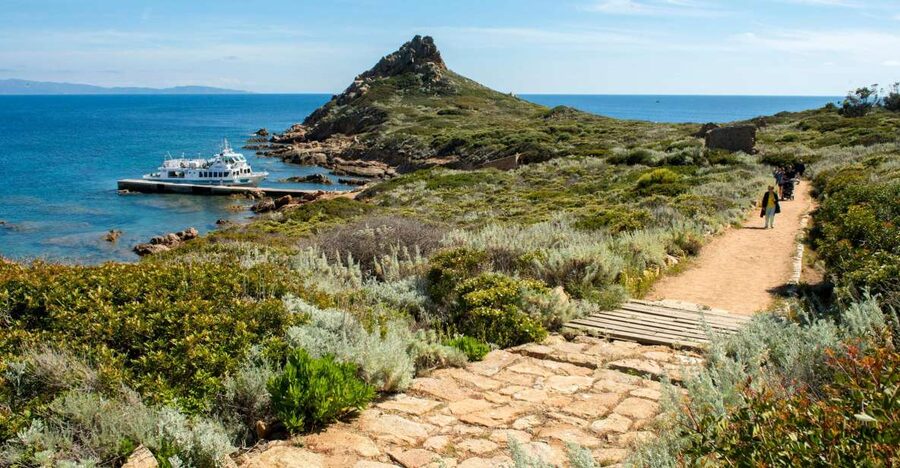
This tour runs from Ajaccio, with two possible start options, using the Nave Va boat provider (Nave Va Promenades en Mer Ajaccio is listed as a meeting point). The experience is short on purpose: it’s designed to pack a lot of coastline into a single outing without turning your day into a logistics project.
Because this is a boat day, you’ll want to arrive early and stay alert to timing. One issue shows up in real bookings: some trips can begin with a short ferry transfer before you’re fully on the tour boat. If that happens on your departure, you do not want to be the person sprinting across a dock while everyone else already boarded.
The good news: once you’re underway, the pace is easy. You’re not doing a tiring hike. You’re getting a guided view of Ajaccio’s coast, plus a set-piece stop on the islands where you can choose how active you want to be.
You can also read our reviews of more tours and experiences in Ajaccio.

North shore pass: Tino Rossi, the Greek chapel, Marin cemetery, and the Citadel
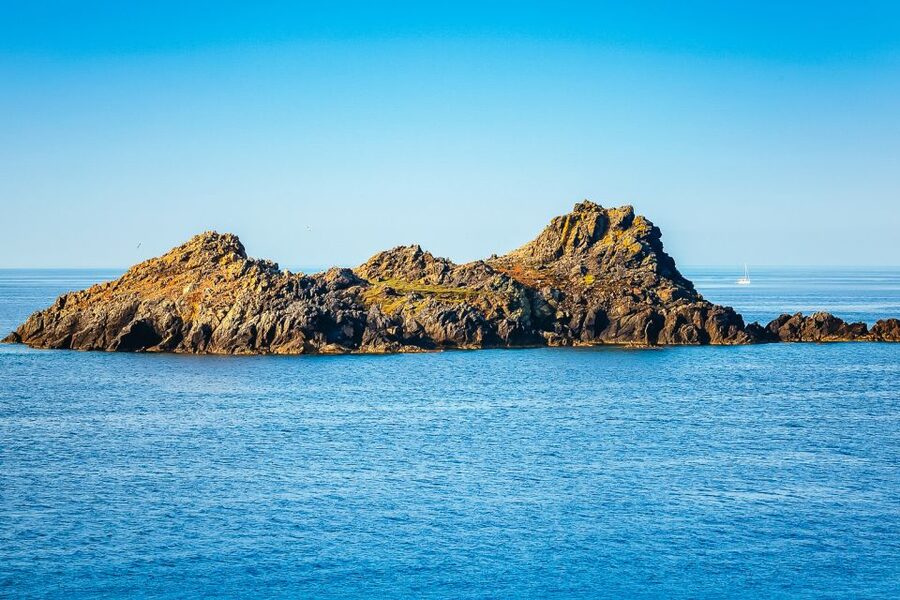
The cruise follows the north shore of Ajaccio and includes the kind of landmarks that help you understand the city instead of just seeing coastline.
Here are the standout sights you’ll pass:
- Tino Rossi house: a link to the city’s cultural identity, visible from the water as you move along the bay
- Greek chapel: a reminder that Ajaccio isn’t only Roman Catholic and Corsican rural. It’s also layered with influences you can spot in the architecture
- Marin cemetery: a quieter, inland-feeling landmark seen from the sea
- Citadel: the fortified presence of the city, visible in profile from the water
What makes this segment valuable is the onboard commentary. You’re not stuck with guesswork about what you’re looking at. The guide’s explanations are built around Ajaccio Bay’s geography and the history of the city, which helps the views click into place fast.
Practical tip: bring a hat and sunscreen. Even on a calm day, sun bounces off water. And if you’re sensitive to glare, give yourself a spot where you can switch between looking forward and looking sideways without fighting the sun.
Parata tower and the Sanguinaires islands: why the Natura 2000 part matters
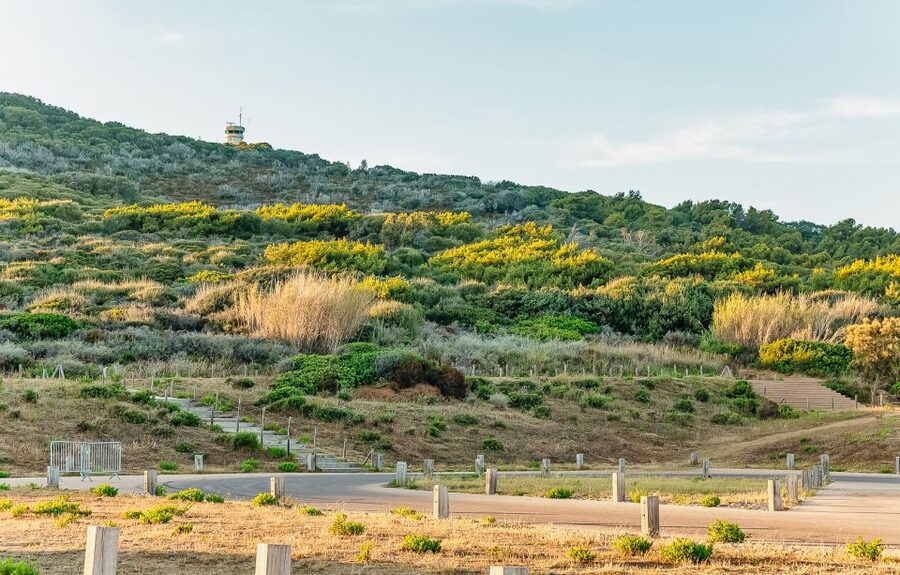
As you continue, you’ll see the Parata tower and the broader stretch of the Sanguinaires islands. These islands are part of a protected Natura 2000 natural area, which is a big deal even if you’re only spending a few hours near them.
Why it matters for you: protection usually means fewer “development shortcuts.” So the shoreline you see tends to look the way it’s supposed to look: rocky, natural, and shaped by the sea rather than by crowds and concrete.
This is also where rare wildlife comes into the story. Mezumare is described as being home to several rare animal species, and the Sanguinaires protection framework is the reason those habitats remain intact. You’re not just touring scenery. You’re getting a firsthand look at a conservation zone.
Mezumare (Mezu Mare): sea-only access and the wild-feeling stop
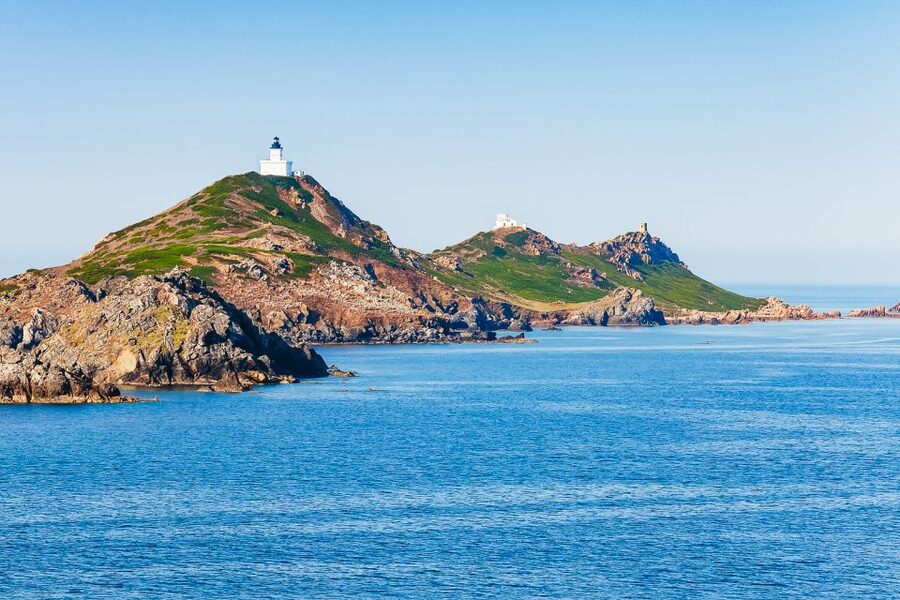
The tour’s best “how is this place only reachable by boat?” moment is the stop at Mezumare, the largest island in the Sanguinaires archipelago. The key detail: it’s accessible only by sea, which automatically limits crowd pressure compared with mainland spots.
You’ll get a guided visit with time on the island afterward. That free time is what turns this from a drive-by into a real experience. You can walk, look for wildlife from wherever you’re allowed, or keep it simple and focus on the sea views.
The island is also described as home to rare animal species. You won’t be given a checklist of what to spot, but the point is you’re in a place where nature is actively protected. Treat it like a living area, not a theme park.
Practical note: comfortable shoes are worth it. Even if you’re not doing a long hike, island walking can mean uneven ground near rocky edges. And that’s where good shoes prevent the trip from feeling more like clumsy surf-time than a relaxed walk.
The 1-hour swim stop: when water shoes help a lot
One of the tour inclusions is a 1-hour swimming stop in a pristine natural area. Water shoes are recommended, and I agree with that advice.
Why: even if the water looks clear and welcoming from the boat, the bottom can be rocky or uneven around natural coves. Water shoes are not about fashion. They’re about getting in and out without turning the day into a toe injury story.
What you should do before you swim:
- Pack your beachwear so you’re not scrambling at the wrong time
- Bring a hat and sunscreen, then reapply when you’re back in sun
- If you’re switching between walking and swimming, comfortable shoes matter again
Also, the swim stop is planned as a full hour. That’s long enough to do one calm swim, rinse off as best you can, and then still have time for the walk portion if you want it. So it doesn’t feel like you’re constantly watching the clock while trying to enjoy the water.
Daudet’s lighthouse walk: sea views plus literary connection
After the island break, there’s an included walking option to the lighthouse and semaphore. This part is tied to a specific cultural detail: the Alphonse Daudet lighthouse, linked to Letters from My Windmill.
What this adds, beyond the obvious views: it gives your island time a thread. You’re not just looking at rocks and sea. You’re seeing a spot connected to a writer’s imagination of wind, landscape, and coastal life. It’s the kind of connection that makes photos feel more than just scenic.
The semaphore is also part of what you’ll see along the walk. Even if you don’t know how old signalling worked, you’ll understand the logic once you’re standing there: high points near the sea were built for distance and warning, not comfort.
If you want the most rewarding version of this walk, go at a steady pace, keep an eye on the horizon, and don’t rush your stops for pictures. The best sea views are the ones you look at twice: once quickly, then again when you’ve adjusted your eyes to the light.
Lazaretto ruins and the quarantine past: the heavier side of sea travel
At some point during the day you’ll see the ruins of the Lazaretto, used by coral fishermen. The description includes a stark historical detail: it was used in quarantine after returning from Africa.
This segment matters because it puts the voyage into human context. Boat travel in the Mediterranean isn’t always leisure. People have long depended on ports, islands, and rules to reduce risk when diseases could spread through travel and trade.
You don’t need a full lecture to feel the weight of it. The ruins give you something concrete to picture: the practical architecture of isolation, right where island life and sea work intersected.
If you like history, give yourself a moment when the ruins are pointed out. If you’re not a history person, treat it as a breather from the pure sightseeing. It gives the day contrast.
Price and value: is $42 for 3 hours a smart buy?
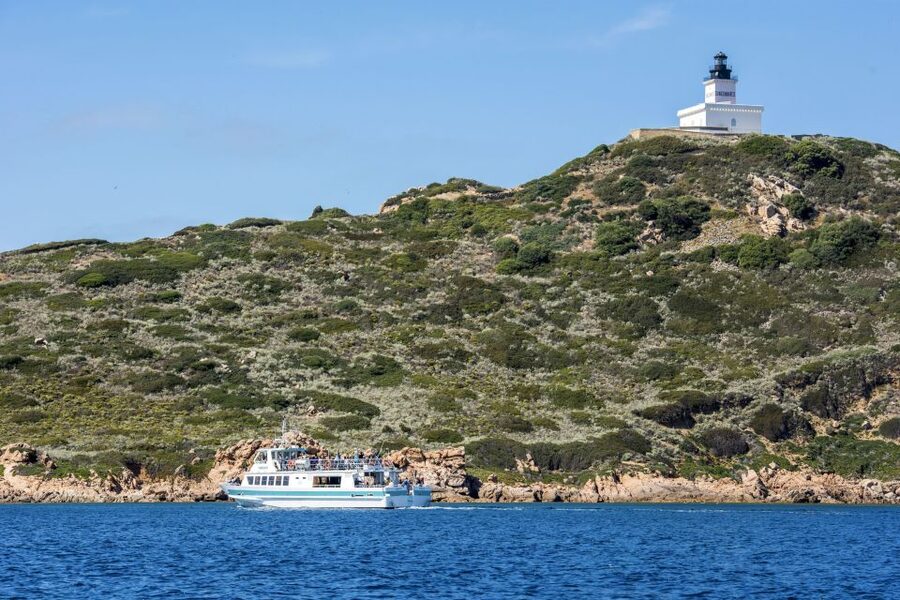
At $42 per person for about 3 hours, this tour sits in the “reasonable fun” category for a boat day in Corsica. You’re not paying just for transport. You’re paying for:
- a guided cruise along the Ajaccio Bay shoreline
- commentary that connects landmarks to story
- a dedicated island stop at Mezumare
- an included swim stop with enough time to actually enjoy it
- access to a walk option tied to the lighthouse and semaphore
In other words, the value comes from structure. A 3-hour tour is long enough for a real highlight moment, and short enough that you’re not stuck at sea all day. If your goal is one high-quality outing with minimal hassle, this price makes sense.
Where it might feel less worth it: if you strongly prefer private, uncrowded boat time or if you’re the type who hates any sort of group schedule. Also, if you’re unsure about swim conditions, remember that the swim stop is a planned part of the experience, and water shoes are recommended.
Who this tour fits best (and who should skip it)
This tour is a good match if you want:
- sea views without planning a complicated day
- nature-focused stops with a protection framework (Natura 2000)
- a balance of cruise time, island time, and optional walking
- a real chance to swim in a natural area
It may not be your best choice if:
- you hate boats and feel motion easily
- you want a quieter experience with minimal crowding
- you’re unlikely to dress for sun and water (hat, sunscreen, beachwear)
Group size can affect comfort, and crowding shows up as a complaint in real bookings. So if you’re sensitive to busy boats, aim to show up early and be ready to adapt once aboard.
Tips to get the best day on the water
- Wear comfortable shoes you trust on uneven island ground
- Bring a hat and biodegradable sunscreen since sun is part of the deal
- Pack your beachwear so the swimming stop is easy
- If you suspect a transfer step before boarding, arrive early and keep your schedule flexible
- For the lighthouse walk, bring water and pace yourself. The views are worth the slow moments
Should you book the Ajaccio and Sanguinaires Gulf Boat Tour?
If you want a short, high-impact Corsica experience, I’d book this. The big draw is the combination: the classic Ajaccio shoreline sights plus a protected island setting at Mezumare, then a planned hour to swim and a walk to the lighthouse connected to Alphonse Daudet. For $42 and a 3-hour time window, the value feels practical.
I’d be cautious only if you’re very concerned about crowding or if you strongly dislike any trip that might involve a connector step before you reach the main boat. If you can handle that, this is one of the more straightforward ways to see the Ajaccio Gulf’s natural beauty and cultural edges in a single go.
FAQ
How long is the Ajaccio & Sanguinaires Gulf boat tour?
The tour lasts 3 hours.
Where does the tour start in Ajaccio?
The meeting point can vary based on the option booked, with Nave Va Promenades en Mer Ajaccio (Nave Va) listed as a starting location.
Is swimming included, and what should I wear?
There is a 1-hour swimming stop. Water shoes are recommended, and beachwear is also suggested.
What parts of the coastline are seen during the cruise?
The tour includes views along the north shore of Ajaccio, including the Tino Rossi house, the Greek chapel, the Marin cemetery, the Citadel, and you’ll also see the Parata tower and the Sanguinaires islands.
What is Mezumare, and can you visit it?
Mezumare is an island in the Sanguinaires archipelago that’s reachable only by sea. The tour includes a guided time there and a walk option.
What language is the guide speaking?
The live tour guide speaks French.