REVIEW · ALGARVE
From Lagos: Dolphin Watching Boat Trip w/Marine Biologists
Book on GetYourGuide →Operated by Bluefleet - Boat Trips & Full-day Tours · Bookable on GetYourGuide
Dolphins in the Atlantic, fast and close. This 1.5-hour outing from Lagos is built for real searching, not just a short coastal cruise, with a high-performance RIB boat that can cover more water quickly.
I like two things a lot. First, the tour runs as a small group (max 18), so you’re not stuck behind a crowd. Second, marine biologists guide the hunt and explain what you’re seeing, from common dolphin behavior to why they communicate and move the way they do. I’ve even seen names like Marta and John pop up in guides you’ll likely meet on board, alongside other team members such as Juan.
One thing to keep in mind is that this is open-ocean wildlife watching, so conditions matter. The RIB is thrilling, but it can also be bouncy, and on a windy or tough day you might end up with other sightings like porpoises instead of dolphins.
In This Review
- Key points to know before you go
- Lagos RIBs: why the boat design helps you actually see dolphins
- Getting to the meeting point in Lagos (and what to do with valuables)
- The marine biologists: what you gain beyond the sighting
- The 1.5-hour Atlantic search: pace, safety, and how it plays out
- Responsible dolphin watching: the rules you’ll notice on board
- If weather is rough or dolphins are shy: what to expect
- Price and value: is $42 worth it for 1.5 hours?
- Who this tour is best for (and who should skip it)
- Should you book this dolphin watching trip from Lagos?
- FAQ
- Where do I meet for the Lagos dolphin watching trip?
- How long is the dolphin watching tour?
- How many people are on the boat?
- Are marine biologists included, or is it just a guide?
- What type of boat is used?
- What animal-watching rules should I expect?
- Is the tour affected by weather?
- Is pickup or drop-off included?
- What should I bring for the boat ride?
- Who should not book this tour?
Key points to know before you go
- Small group (max 18): fewer people, clearer views, and a calmer experience.
- Marine biologists onboard: you learn while you watch, not just after the fact.
- RIB speed and agility: more time spent searching the Atlantic, not idling near shore.
- Ethical rules enforced: no feeding, no chasing, and no touching marine life.
- Weather affects sightings: wind can change the plan, and the team may adjust quickly.
- Bring a jacket: even in pleasant months, sea spray and speed make it feel colder.
Lagos RIBs: why the boat design helps you actually see dolphins
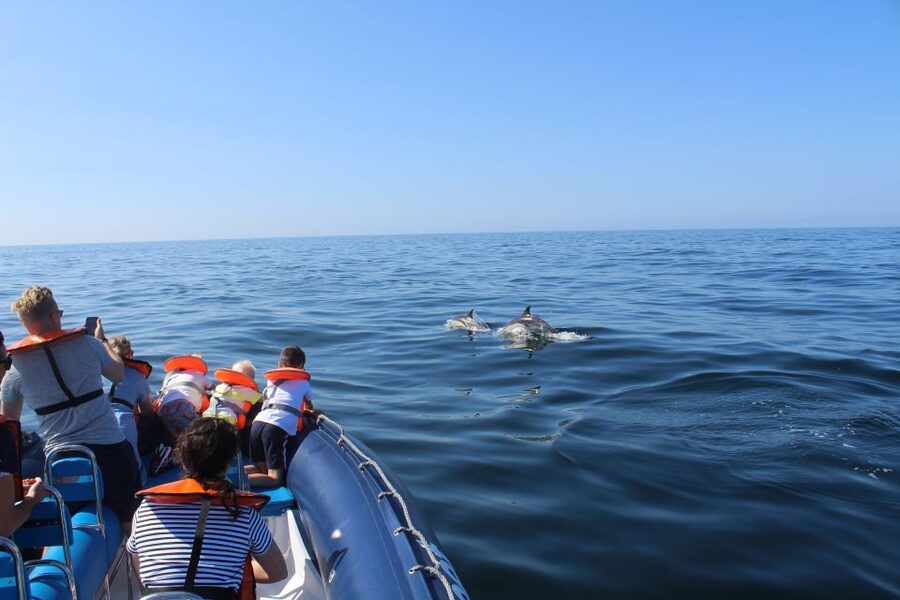
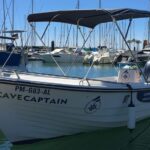
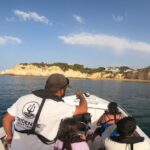
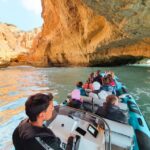
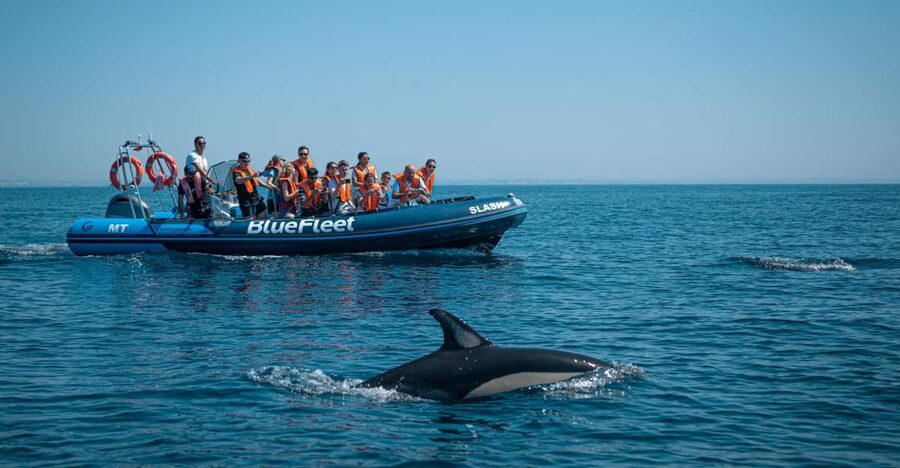
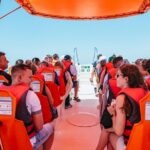
This trip is about getting you to dolphins efficiently. The boat is a fast, safe rigid inflatable (RIB) built for open-ocean conditions, which matters because dolphins don’t hang around on a strict schedule near the marina.
The practical payoff: you can cover more distance in a short window. Multiple sightings in one trip are possible, and the guides can reposition if the first area doesn’t pay off. That’s why the speed isn’t just for fun. It increases your odds in a place where dolphins are free to move, dive, and disappear fast.
Also, you’ll feel the boat’s character. People note it can be a bit wild over the waves. If you have a back issue, I’d take that seriously. One common tip from past riders is to sit toward the back to reduce the harsher hits the boat can make into the water.
You can also read our reviews of more tours and experiences in Algarve.

Getting to the meeting point in Lagos (and what to do with valuables)
The meeting point is the local supplier’s office near Lagos Train Station, at Estrada de São Roque, 8600-318 Lagos (GPS: 37.108669, -8.672152). Plan to arrive a few minutes early so you can check in, get your life jacket, and settle in before the safety briefing.
Because the partner isn’t responsible for lost or damaged items, keep valuables to a minimum. This is a boat trip with spray, movement, and open-water searching. Bring what you need, stash the rest, and keep your phone secure.
What I’d bring:
- A jacket (and ideally something wind-resistant)
- Sunglasses and sunscreen
- A hat that won’t blow off
- Any basic seasickness prep if you’re prone to it
What I wouldn’t bring:
- Anything you can’t handle getting damp
- Loose gear that won’t stay put
The marine biologists: what you gain beyond the sighting
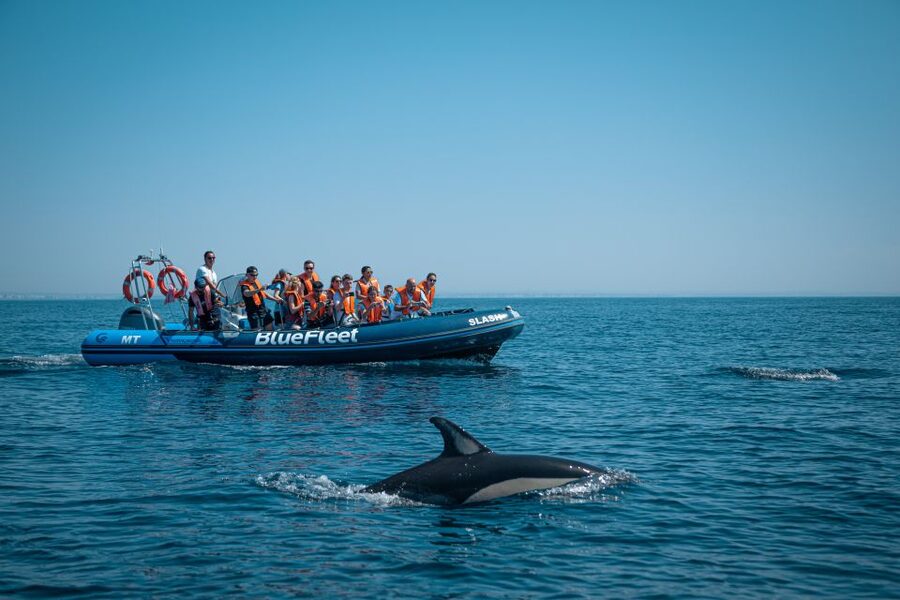
Dolphins are impressive on their own. The big upgrade here is the science support onboard. Marine biologists explain species and behavior you might not notice in the moment.
You’ll get practical context like:
- How dolphins move and communicate
- Why pods come together (and why they split)
- What to look for when they surface near the boat (and when they don’t)
The payoff is mental, not just educational. When the crew points out a pattern, the whole scene becomes more than a one-off photo moment. You start watching with intent, not just chasing the action.
I also like that the guides appear to genuinely enjoy the work. Past riders highlight friendly, informative crew energy. Names mentioned include Marta and John, and even when staff vary by day, the role stays the same: spotting, interpreting, and helping everyone stay comfortable and safe.
The 1.5-hour Atlantic search: pace, safety, and how it plays out
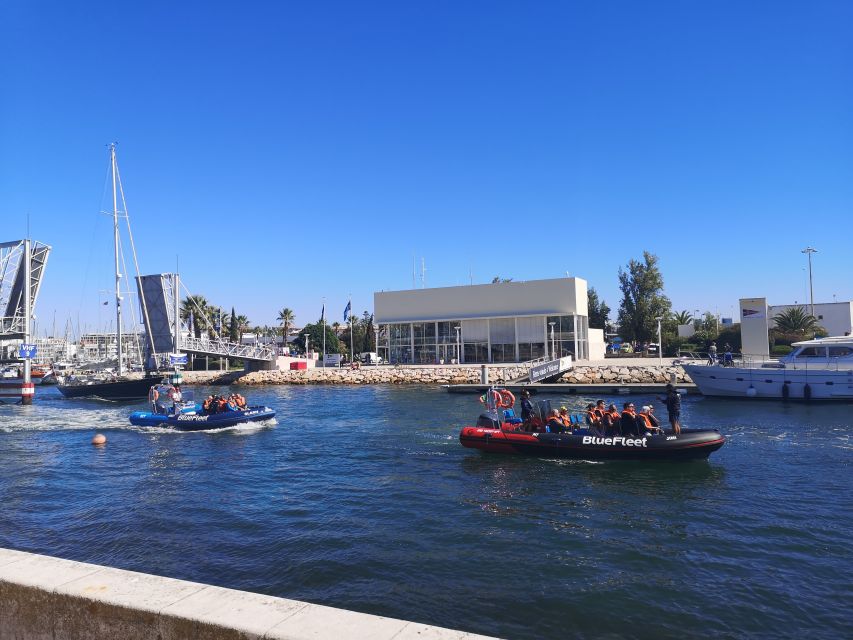
You’ll head out from Lagos Marina and spend your time searching for wild dolphins in the Atlantic. The key timing detail is that the whole experience is about 1.5 hours, so the crew has to be proactive.
Here’s what typically feels like on the water:
- A safety briefing before you’re underway
- Fast travel out into more promising waters
- Guidance as the crew spots signs and repositions
- Time spent observing once a pod is found
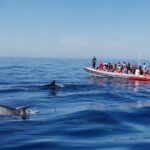
One real advantage of this setup is responsiveness. If dolphins are not immediately visible, the crew may adapt quickly. Some past trips describe the team coordinating to improve the odds, like using information from other boats to locate pods. Even when a dolphin sighting takes time, you’re usually not left sitting around.
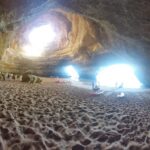
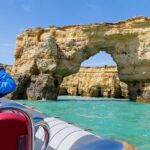
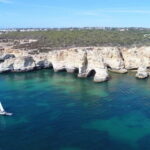
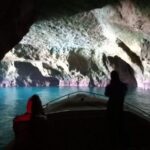
You may also get small itinerary bonuses depending on the day and conditions. Examples mentioned include passing by caves on the return route when weather allows. Think of it as a bonus, not a guarantee.
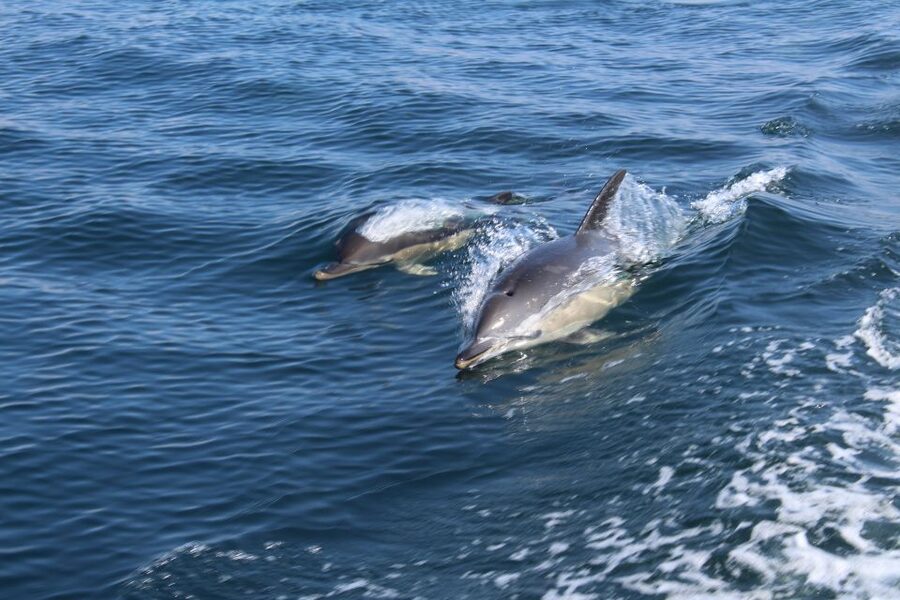
And if the dolphins do show up, expect an emotional shift. Watching a pod swim and interact freely in the wild feels different from anything you’d see in a controlled setting. The tour’s job is to get you there, then give you space to enjoy it.
Responsible dolphin watching: the rules you’ll notice on board
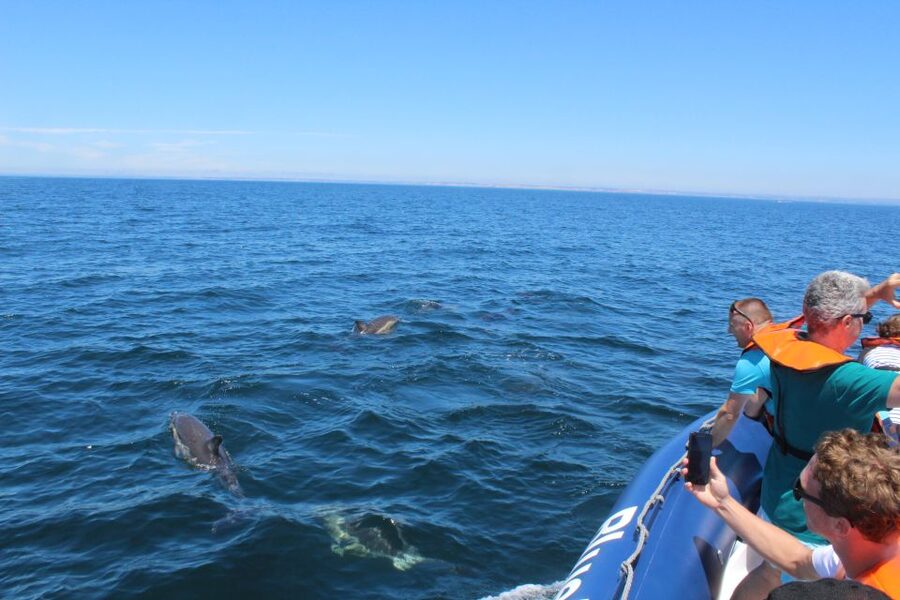
This tour is clearly designed around ethical observation. You won’t be feeding animals, chasing them, or trying to control where they go. You also won’t be touching marine life, even if they come close enough to look tempting.
The no-go list includes:
- Feeding animals
- Touching marine life or touching animals
- Jumping
- Smoking
- Alcohol and drugs
I appreciate rules like these because they protect the animals and also protect your experience. When a crew keeps distance and lets the dolphins decide the interaction, you get a more natural behavior display, not a forced show.
Also, the ethical approach is practical. It shapes how long you’ll be allowed to observe a pod and how the boat will be handled around sightings. You’re there to watch, not to interfere.
If weather is rough or dolphins are shy: what to expect
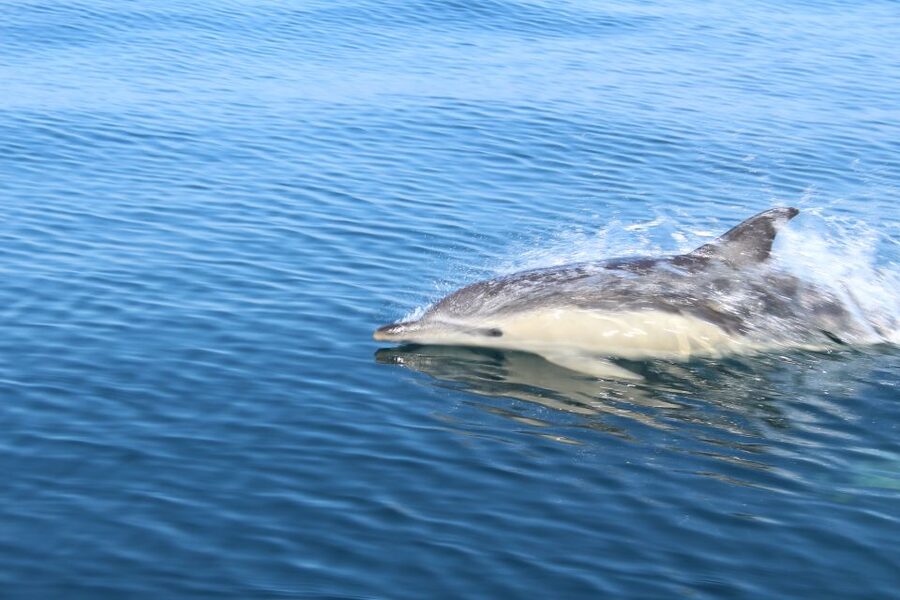
Open-ocean tours are honest in one way: you’re not guaranteed dolphins. Wind and sea state can make spotting harder, and the crew may shift areas or adjust plans for safety.
On windy days, expect the ride to be more noticeable. That’s why the RIB design matters, but it also explains why some riders recommend bringing a jacket and thinking about where you sit.
When dolphins don’t show up, you might still get other wildlife. Past experiences include:
- Porpoises as an alternate sighting
- Additional excitement when other marine life appears (like mentions of fin whales and tuna on certain days)
The main thing is mindset. If you go expecting perfection, you’ll be disappointed on a tough day. If you go expecting a guided wildlife search and flexible planning, you’ll get more out of it.
Price and value: is $42 worth it for 1.5 hours?
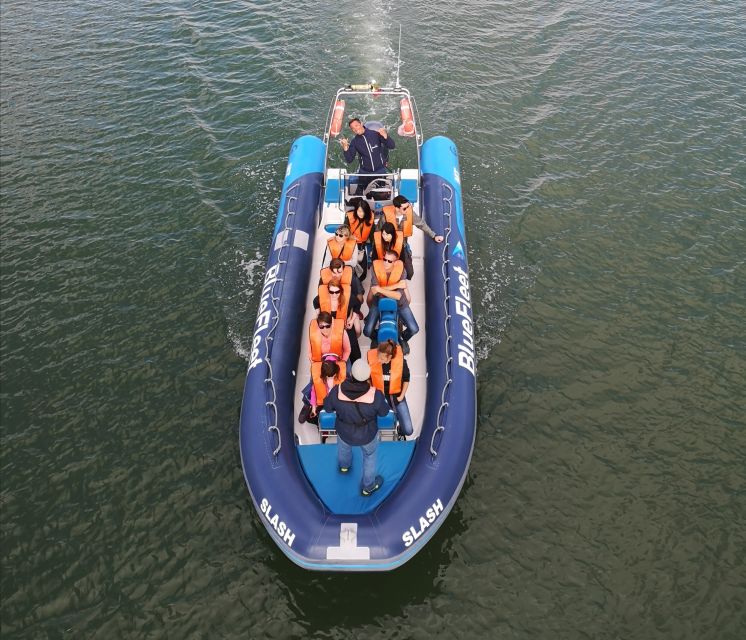
At $42 per person, you’re paying for three things that usually cost more on busy coasts: a small group, a marine-science guide onboard, and an offshore-capable boat.
Let’s break down the value logic:
- Small group (max 18): you’re more likely to see dolphins clearly and get attention from the crew.
- Marine biologists onboard: you’re buying interpretation, not just transport.
- RIB speed for searching: you’re paying for time on the water to find wildlife where it actually is.
- Included safety gear and insurance: life jackets and a safety briefing are part of the experience, not a surprise add-on.
What you don’t get is pickup and drop-off. That’s the tradeoff. But if you’re already in Lagos, the meeting point near the train station makes it fairly easy to plug into a day.
For me, the best value signal is the combination: science guide plus fast offshore access. Many dolphin trips in coastal areas are either slow, crowded, or light on real information. This one targets all three.
Who this tour is best for (and who should skip it)
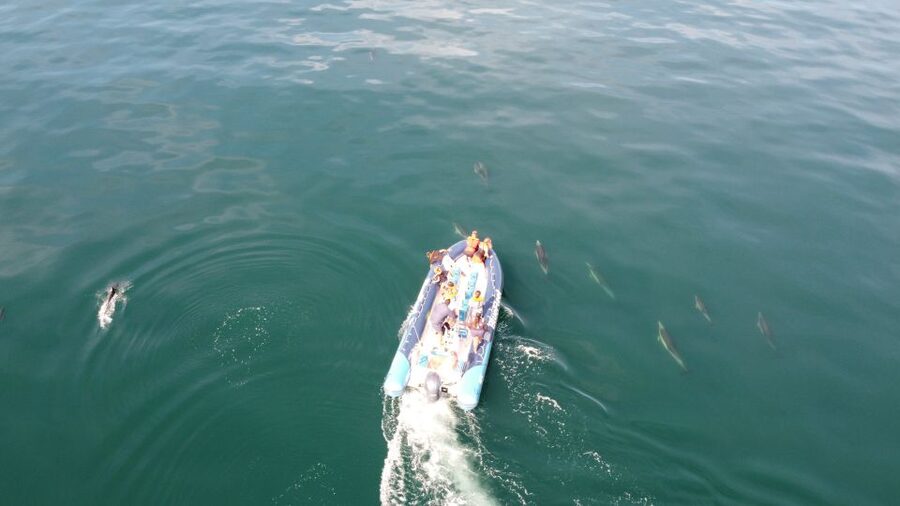
This is a great fit if you like:
- Wildlife that lives wild (not staged)
- Short, efficient trips
- Learning something while you watch
- A guided search where the crew actively tries to locate pods
It also seems family-friendly for the right ages. The tour is not suitable for children under 4, but kids who can sit comfortably for a fast boat ride often enjoy it.
It’s not suitable for:
- Pregnant women
- Wheelchair users and people with mobility impairments
- People with heart problems
- People with back problems
- Anyone who might struggle with the boat’s motion
And because there’s a strict no-touch and no-jumping policy, this isn’t the place for anyone who tends to ignore instructions around animals.
If you want the best odds, a tip from past riders is to consider an early slot. Dolphins can be easier to find when the day starts fresh and the crew isn’t playing catch-up.
Should you book this dolphin watching trip from Lagos?
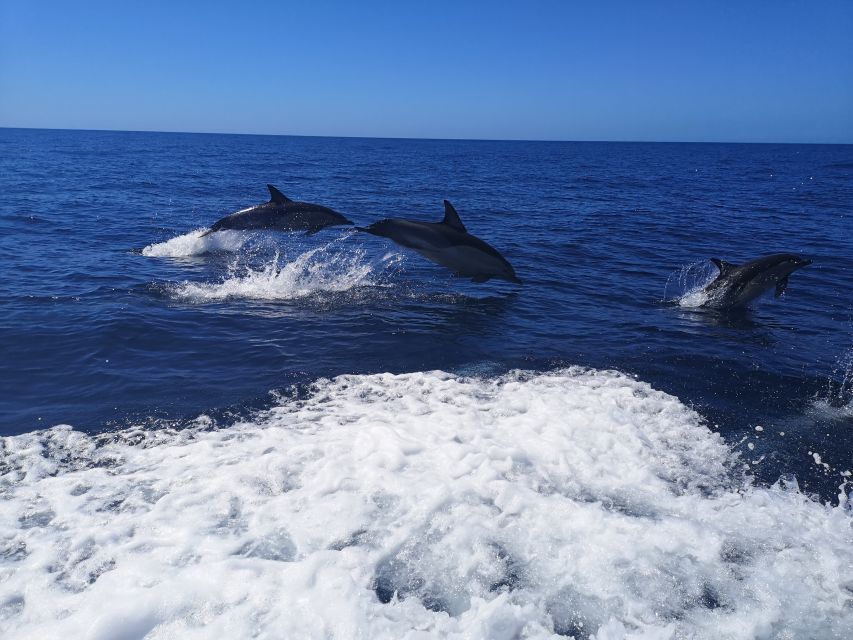
I’d book it if you want a small-group, science-guided dolphin search in the Atlantic and you’re okay with the reality that weather can affect sightings. The boat choice, the marine biologists onboard, and the strict ethical rules are the big reasons this stands out as a responsible way to chase dolphins from Lagos.
I’d skip it if open-water motion would be a problem for you, or if you need guaranteed dolphin viewing. Also reconsider if you’re in a group with the limitations listed above, like pregnancy or certain medical concerns.
If your priority is clear rules, genuine guidance, and a fast path to wildlife, this one is a strong pick for an Algarve day.
FAQ
Where do I meet for the Lagos dolphin watching trip?
You meet at the local supplier’s office near Lagos Train Station, Estrada de São Roque, 8600-318 Lagos. GPS coordinates are 37.108669, -8.672152.
How long is the dolphin watching tour?
The tour lasts about 1.5 hours.
How many people are on the boat?
The experience is a small-group format with a maximum of 18 participants.
Are marine biologists included, or is it just a guide?
Marine biologists are onboard as guides during the trip.
What type of boat is used?
A fast and safe RIB (rigid inflatable boat) designed for open-ocean conditions.
What animal-watching rules should I expect?
Feeding animals is not allowed. You must not touch marine life, and there is no touching of animals or jumping. The tour emphasizes ethical observation with no interference.
Is the tour affected by weather?
Yes. The trip is subject to weather conditions, and it may be rescheduled or canceled in case of bad weather.
Is pickup or drop-off included?
No. Pickup and drop-off service is not included.
What should I bring for the boat ride?
Dress according to the season and plan for sea wind and spray. A jacket is a smart idea since the boat can feel colder at speed. Also keep valuables minimal since the partner is not responsible for lost or damaged personal items onboard.
Who should not book this tour?
It is not suitable for children under 4, pregnant women, wheelchair users, people with mobility impairments, people with heart problems, or people with back problems. Pets are also not allowed.