REVIEW · GOLFO ARANCI
Golfo Aranci: Eco-Friendly Dolphin Watching Boat Trip
Book on GetYourGuide →Operated by DST Sardegna · Bookable on GetYourGuide
Wild dolphins, up close.
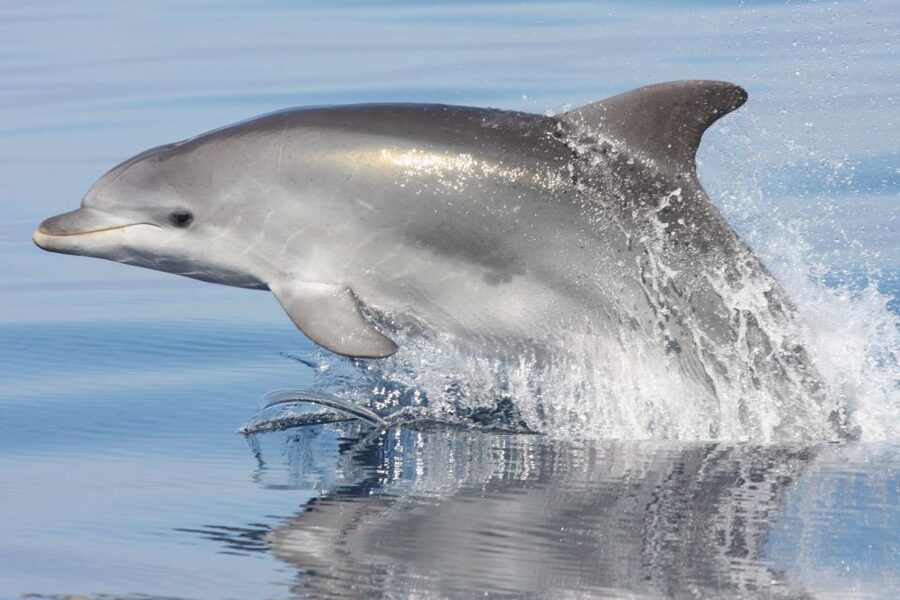
This Golfo Aranci dolphin-watching trip takes you out to the waters around Figarolo Island on a comfortable zodiac, with a strong shot at seeing a bottlenose dolphin pod. I love the eco-and-animal-welfare approach tied to the Il Golfo dei Delfini project, and I also love that you’re not just cruising—you’re getting dolphin info from a certified onboard guide in multiple languages.
For a drawback, remember this is still nature: sightings depend on weather and the sea that day. It’s also not the best fit if you have mobility limits or back/heart concerns, since you’re on a small boat.
In This Review
- Key things to know before you go
- Golfo Aranci to Figarolo: why this route works for bottlenose dolphins
- The 1.5-hour zodiac ride: comfort, crew, and how the time feels
- Responsible dolphin watching: Il Golfo dei Delfini and real animal-welfare rules
- What you’ll do on the water: searching, spotting, and learning in real time
- The dolphin moment: what to expect when you find a pod
- Views beyond dolphins: sea cliffs, caves, and the big-Sardinia feeling
- Price and value: why $41 can make sense for a 1.5-hour wildlife trip
- When to go and who should book this dolphin trip
- Quick practical checklist before you meet at DST Sardegna
- Should you book this Golfo Aranci dolphin watching tour?
- FAQ
- How long is the dolphin watching trip?
- How much does it cost per person?
- Where do I meet for the tour?
- What size is the group?
- What languages does the guide speak?
- What’s included in the ticket price?
- Are dolphins guaranteed to be seen?
- Is the tour suitable for everyone?
Key things to know before you go
- Small group (max 12) keeps the experience calmer and more personal on the zodiac.
- High sighting odds (over 95%) give you real confidence, even though dolphins are wild.
- Sustainability code in the Il Golfo dei Delfini project focuses on dolphin welfare and responsible watching.
- Two crew onboard (captain plus hostess/steward) means more attention to comfort and smooth handling.
- Certified guide education helps you spot behavior and understand what you’re seeing.
- Soft drinks included keep you hydrated for the full 1.5 hours.
Golfo Aranci to Figarolo: why this route works for bottlenose dolphins
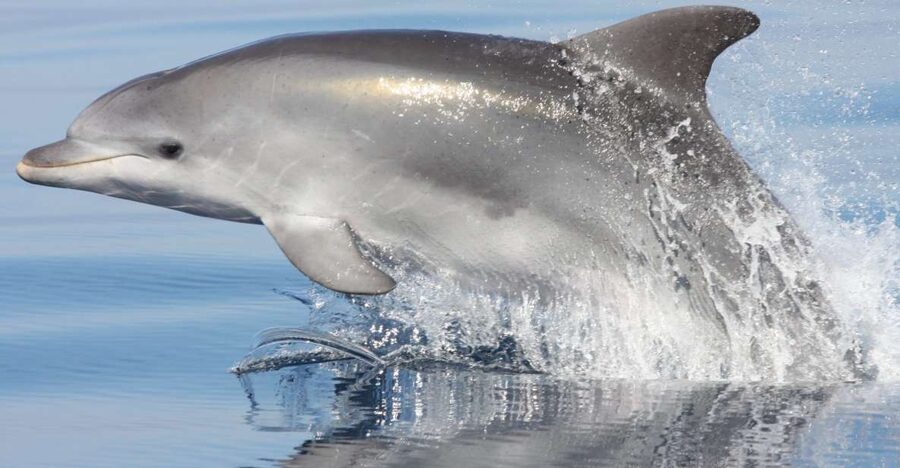
If you’re basing your Sardinia trip around dolphins, you want two things: smart timing and a location where dolphins actually hang out. This trip heads to the Figarolo area from Golfo Aranci, where bottlenose dolphins have been frequenting these waters for over ten years. That matters, because it turns dolphin watching from hope into a plan.
There’s also an added layer to understand while you’re at sea: the tour points you toward a fish farm near the island. Large quantities of sea bass and sea bream are raised there, and dolphins are drawn to the fish activity. This doesn’t mean dolphins are “trained.” It just explains why you’re more likely to encounter them during a short excursion. The captain and guide aren’t guessing—they’re working in an ecosystem that already pulls animals into predictable patterns.
One more reason I like this setup: the trip is built around watching in the dolphins’ natural habitat, not chasing them in a frantic way. You’ll spend your time learning and observing, not burning fuel in circles.
You can also read our reviews of more tours and experiences in Golfo Aranci.
The 1.5-hour zodiac ride: comfort, crew, and how the time feels
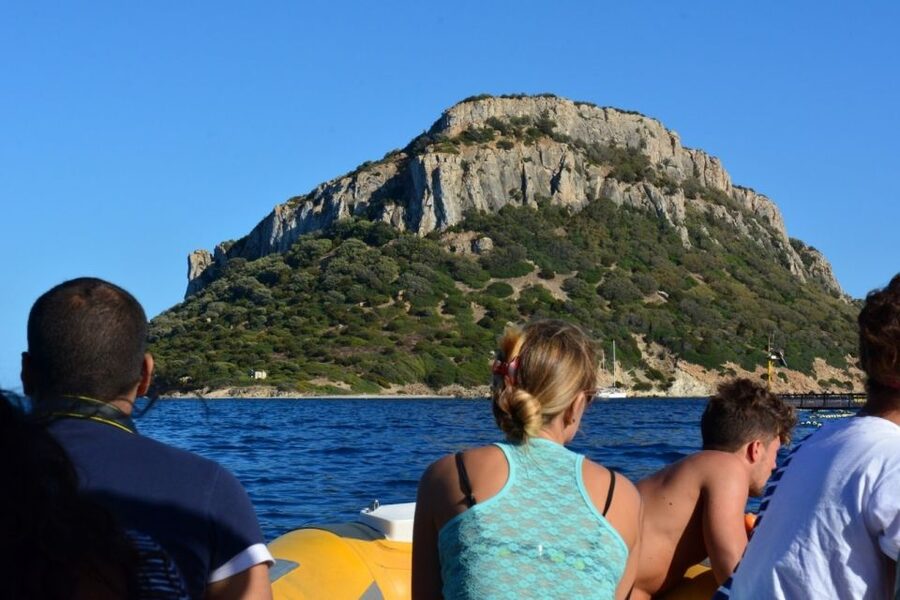
This is a 1.5-hour boat experience on a comfortable zodiac. Don’t think of it as a long scenic cruise. Think of it as a focused sea outing where your main job is to look out for fins, surfacing patterns, and group movement.
The crew structure is simple but practical: you’ll have two crew members onboard—a captain (driving and maneuvering) and a hostess/steward. That second role matters more than people expect. You’re not left without help, and you can count on someone being there while you settle in, ask questions, and stay comfortable.
The transport is also a selling point in real-world terms. A high percentage of reviewers gave it perfect scores for transport quality, which usually translates to a smoother ride for a small-boat trip. Still, keep your expectations honest: with wind and waves, you might get a bit wet. The better plan is to pack for a possible splash—especially if you’re going in cooler months when water can feel cold.
Responsible dolphin watching: Il Golfo dei Delfini and real animal-welfare rules
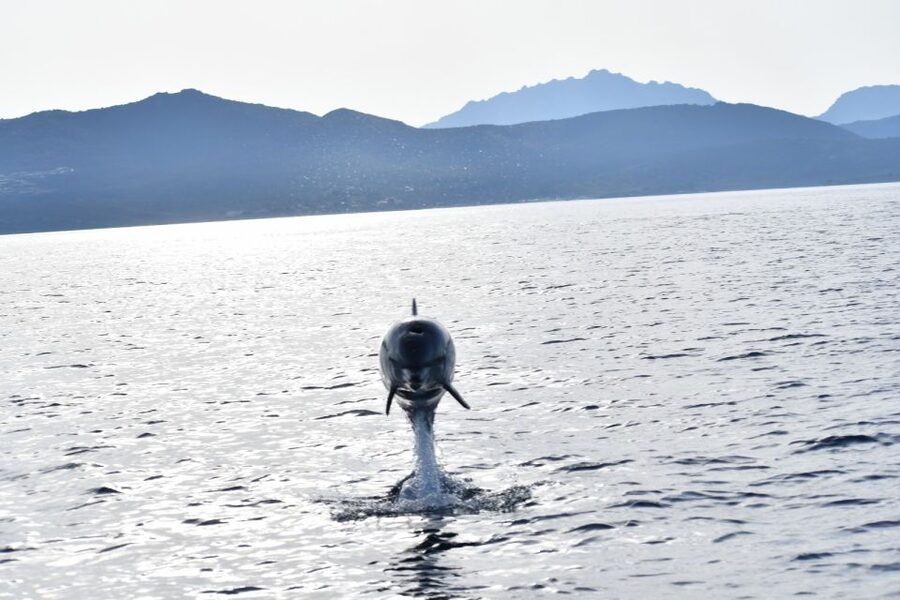
One of the most valuable parts of this tour is the conduct code tied to the Il Golfo dei Delfini project. The whole point is to make dolphin watching more environmentally friendly, using international criteria suited to the local context.
In plain terms, this means you’re not just paying for a dolphin sighting. You’re paying for a set of guidelines aimed at reducing stress and respecting the animals’ space. The tour is described as dependent on sustainability and dolphin well-being, and that’s exactly what you want when you’re watching wildlife from a boat.
Also important: the onboard guide talks about human actions too—what you can do to help dolphins. That turns a fun outing into something you’ll remember for a reason. You’ll come away knowing more than just how dolphins look; you’ll understand how they live and how our behavior affects marine life.
This isn’t a “wildlife show.” It’s a watching experience with a responsibility layer.
What you’ll do on the water: searching, spotting, and learning in real time
When you join, you meet at the DST Sardegna office (the DST Sardegna Diving & Snorkeling Team office is the listed meeting point). Once you’re aboard, the rhythm of the tour is straightforward:
- You ride out toward the Figarolo area where dolphins are most active.
- The guide helps you understand what you should look for.
- If dolphins are nearby, you get time to watch them while the captain positions the boat safely.
- The trip includes a return to the starting point at the end of the 1.5 hours.
The onboard guide is certified and uses that expertise to explain dolphin traits and habits in the dolphins’ natural habitat. From the guide’s commentary, you’ll likely get answers to the questions most people have in the moment: why dolphins move like they do, how pods act as groups, and what behaviors mean.
You’ll also hear about ecology—how the local environment supports dolphin presence—and about the connection between dolphins and the fish farm activity around the island. That link is one of the smartest pieces of context you can get, because it makes the whole outing feel less random.
One practical tip: if dolphins come close, it’s easy to lose view lines. I recommend staying seated and giving the boat a respectful viewing rhythm. Small boats magnify the effect of a standing person, and you’ll get a better sighting for everyone if you keep your spot and let the guide keep the group organized.
The dolphin moment: what to expect when you find a pod
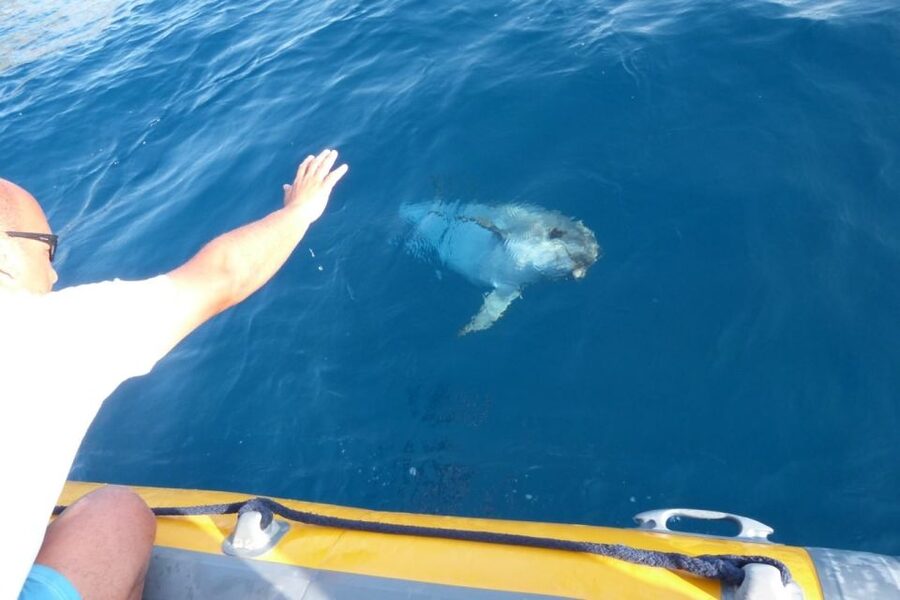
The tour advertises a probability of sighting over 95%, and the feedback supports that the crew typically knows where to find dolphins. Many outings include dolphins close to the zodiac and for long stretches rather than quick, distant sightings.
What does “close” usually mean here? On a zodiac, it’s real proximity: you can watch surfacing and movement patterns without needing binoculars. And when a pod is active, you’re not just seeing one animal—you’re seeing the rhythm of the group, with dolphins moving around the boat in ways that make it feel like they’re part of the scene.
You should also know that dolphins can be shy, and it’s still possible to have a slower outing. That’s not a tour failure. Wild animals decide when they appear. The bigger value comes from how the guide fills your time when dolphins are farther out: you still get dolphin facts and sea-life context instead of dead air.
If you’re lucky, you might witness baby dolphins in the pod. The tour has been described that way in multiple accounts, and if that happens, it’s usually a powerful moment because it changes what you notice about behavior and attention within the group.
Views beyond dolphins: sea cliffs, caves, and the big-Sardinia feeling
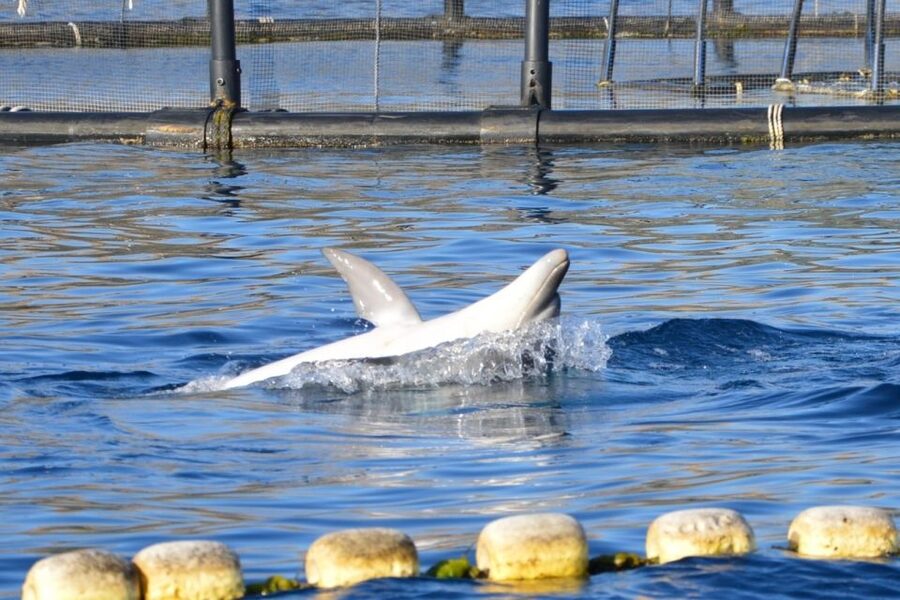
Even if dolphins steal the show, you’re still out on the water along Sardinia’s coastline, which can be a big part of why this trip feels worth it. Some accounts mention cliffs and caves that you can’t access from land, which makes this feel more like a sea excursion than a one-track animal encounter.
You’ll also be traveling across open water with enough variety of movement that you’re constantly changing your angle on the shore. That matters for photos and for the mental shift: you stop thinking about the beach and start thinking about the coast as a living marine border.
And remember, the route is short on purpose. You get a focused burst of sea time, not a full day slog.
Price and value: why $41 can make sense for a 1.5-hour wildlife trip
At $41 per person for about 1.5 hours, the price is competitive for a wildlife boat outing in Sardinia—especially one with (1) a certified onboard guide, (2) a dedicated captain, (3) soft drinks included, and (4) a small group size capped at 12.
Here’s how I judge the value:
- You’re not paying for a generic cruise. You’re paying for targeted searching and education.
- You get sustainability and animal-welfare framing, not just a hunt for maximum sightings.
- The small group size usually improves your viewing experience because the crew can manage positioning more easily.
If you compare this to longer boat trips where you may spend more time traveling and less time actually watching, the time here is efficient. You’ll still need to accept that weather and sea conditions can change the plan, but the overall structure is built for a high-likelihood outing without dragging the day.
When to go and who should book this dolphin trip
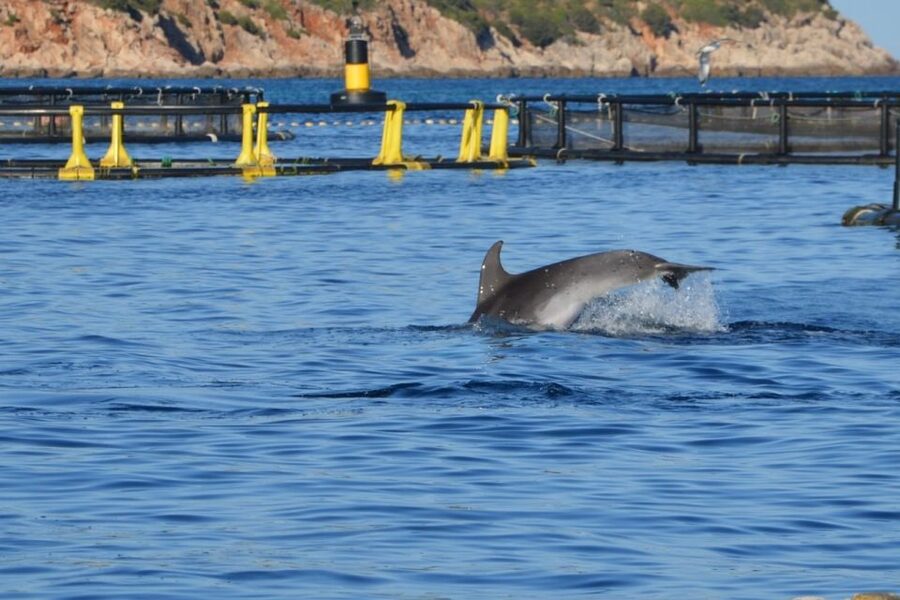
Timing can improve your comfort and your viewing. Going in the morning is a smart move. Heat matters when you’re sitting still on a boat looking out for dolphins, and morning conditions tend to be easier for long scanning moments.
This tour also suits people who like:
- Wildlife with explanations (not just sightseeing from a distance)
- Small groups and attentive crew
- A short, high-impact sea outing that fits into a day in Sardinia
It may not be a fit for everyone. It’s not suitable for pregnant women, people with back problems, mobility impairments, heart problems, wheelchair users, or anyone over 287 lbs (130 kg). Also, pets are not allowed.
If you’re traveling with kids, the format can work well because the guide’s job is to keep you engaged while you watch. The best experience usually happens when you stay patient and let the dolphins decide when to show up.
Quick practical checklist before you meet at DST Sardegna
The tour includes soft drinks, a guide, the captain, and the boat ride, but you’ll still want to think about your personal comfort.
Bring:
- A light layer for wind on the water
- Sun protection (morning still gets bright)
- Something to handle a chance of spray
- A water bottle if you like extra hydration beyond the soft drinks
And if you care about viewing, choose your spot with the understanding that the zodiac is small. The crew positions the boat based on safety and dolphin behavior, and you’ll get better results if you stay seated and let others see too.
Should you book this Golfo Aranci dolphin watching tour?
Yes, I’d book it if your priority is a responsible, high-probability dolphin encounter with a real guide on board. The combination of small group size, a captain-led search, and dolphin-focused education is what makes the experience feel worth your time—and the sustainability conduct code helps you feel good about what you’re participating in.
Skip it only if your situation falls into the listed non-suitable categories or if you need a fully accessible boat plan. Also, be honest with yourself about nature: even with strong odds, dolphins aren’t guaranteed.
If your dates align and the sea looks decent, this is a strong way to spend a short chunk of your Sardinia time—on the water, with dolphins, and with context that makes the whole outing more meaningful.
FAQ
How long is the dolphin watching trip?
The tour lasts 1.5 hours.
How much does it cost per person?
The price is listed as $41 per person.
Where do I meet for the tour?
Meet at the DST Sardegna Diving & Snorkeling Team office.
What size is the group?
It’s a small group limited to 12 participants.
What languages does the guide speak?
The live guide speaks English, Italian, Spanish, and French.
What’s included in the ticket price?
Included are the guide, captain, the boat tour, and soft drinks.
Are dolphins guaranteed to be seen?
The trip states a probability of dolphin sighting over 95%, but sightings are dependent on weather conditions and what the dolphins are doing that day.
Is the tour suitable for everyone?
It’s not suitable for pregnant women, people with back problems, people with mobility impairments, wheelchair users, people with heart problems, or people over 287 lbs (130 kg). Pets are also not allowed.