REVIEW · FAIAL ISLAND
Horta: University Startup Whale and Dolphin RIB Boat Trip
Book on GetYourGuide →Operated by NATURALIST - SCIENCE & TOURISM · Bookable on GetYourGuide
You can spot whales fast in the Azores. This Horta RIB trip stands out because land spotters help find animals first, and a marine biologist from the University of Lisbon and Azores is on board with fresh, practical info.
I also like the range of wildlife you might run into, from resident dolphins to migratory whales, plus sea turtles and seabirds when conditions line up. The main drawback is that this is a semi-rigid, ride-fast RIB, so you need to plan for spray and movement, and skip it if you have relevant medical limits like severe back problems or pregnancy.
In This Review
- Key highlights you’ll feel immediately
- Whale Spotters First, University Science On Board
- RIB Boat Reality Check: Comfort, Motion, and Timing
- What You Can See Off Horta: Whales, Dolphins, Turtles, Sharks
- Whales: year-round resident vs seasonal visitors
- Dolphins: resident groups plus mix-and-match guests
- Sea turtles: loggerhead, green, plus leatherback and kemp’s
- Other wildlife: a whole food chain, not just mammals
- From Marina to Photo Stop: How the 3-Hour Trip Flows
- Birdwatching Bonus: Shearwaters and Terns While You Wait
- Value at Around $101: What Makes This Feel Worth It
- Who This Works Best For (and Who Should Skip It)
- Should You Book This Whale and Dolphin RIB Trip?
- FAQ
- What time do the tours depart?
- How long is the whale and dolphin trip?
- What species are you most likely to see?
- Is food and drinks included?
- What languages is the tour offered in?
- Is hotel pickup included?
Key highlights you’ll feel immediately
- A university marine biologist on board collecting data and translating animal behavior into clear explanations
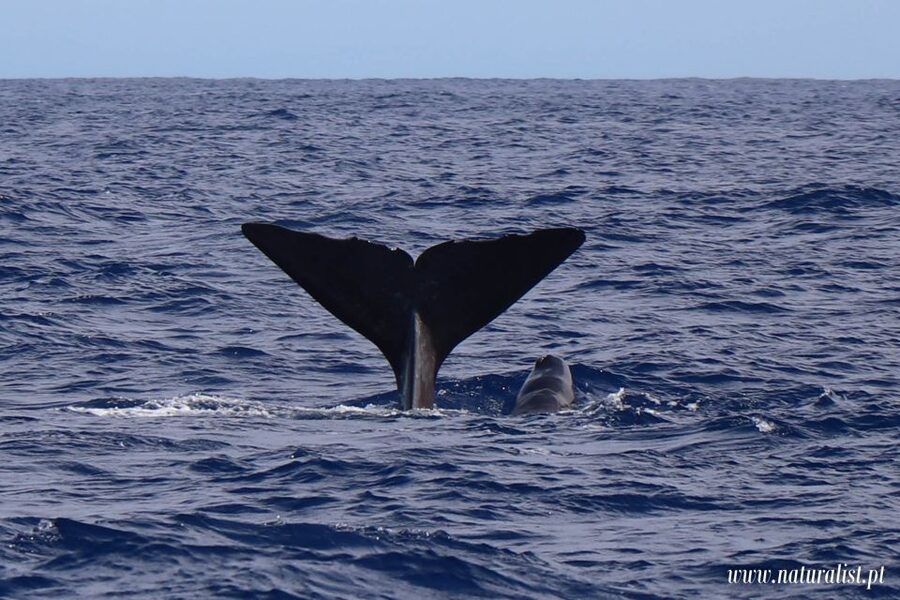
- 2 to 3 cetacean species typical per trip, with sperm whales year-round and different whale types seasonally
- RIB speed with whale-spotter strategy: when sightings shift, the captain looks for the next best area
- Turtles and seabirds are real bonuses, not just a brochure promise
- Waterproof clothing included, but you should still expect to get wet if you’re near the front
Whale Spotters First, University Science On Board
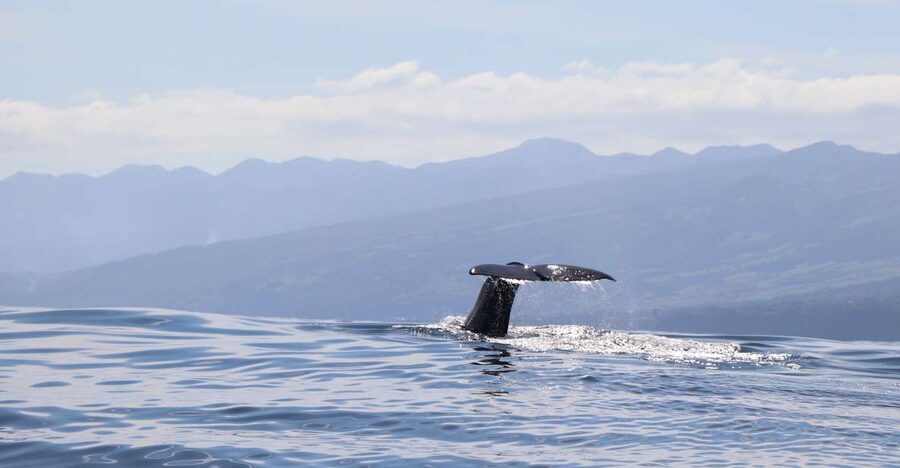
This trip is built around two ideas that matter to you: find the animals quickly, and understand what you’re seeing while you’re out there.
The operation starts on land in Faial and Pico, where whale spotters look for cetacean activity from viewpoints. Before you even leave the marina, you get a briefing on the marine biodiversity and cetaceans that occur in the region. That matters because you’ll know what to watch for, and you’ll be less stuck guessing when you spot spouts, fin breaks, or surfacing tells.
Then comes the part that makes this feel more like a real field outing than a sightseeing run: a marine researcher/biologist from the University of Lisbon and Azores is on board to collect data and provide up-to-date information. In plain terms, you’re not just hearing generic facts. You’re getting an explanation of what the animals might be doing that day—feeding, traveling, or interacting with the water around them.
The practical value is huge. When you understand basics like how species use the water column differently, you’ll better read the situation: what counts as a likely sperm whale sighting versus a different whale type, or how dolphins often show up as fast-moving feeding groups.
RIB Boat Reality Check: Comfort, Motion, and Timing
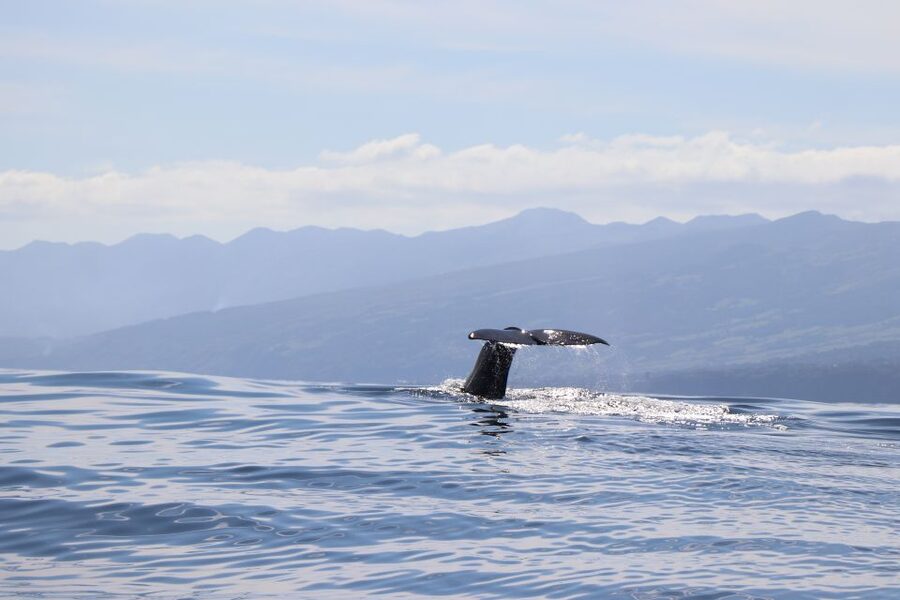
This is a 3-hour expedition using a semi-rigid RIB. Boats like this are popular because they can get you to sightings quickly and maneuver well around pods—but they also mean you’ll feel the ocean.
A few points to plan around:
- Expect some spray. Even with waterproof gear, there’s a real chance you’ll get wet, especially if you sit closer to the front.
- Waterproof clothing is included, so you’re not scrambling to buy gear. Still, bring water-friendly shoes or shoes that dry fast, since wet feet can be the thing that ruins the day.
- Health limits are specific. This isn’t a casual option if you have severe back problems or if you’re pregnant, and it’s also not suitable after recent surgeries.
On timing, you have two departures: 09h00 and 14h00. I like that setup because it gives you flexibility with island plans—morning for freshness, afternoon if you want to stage the rest of your day around it.
Trip length is set at about 3 hours, with a short safety briefing early on. The structure keeps you from being stuck in limbo for too long. You get out, you get briefed, you get to the action window, and you come back.
What You Can See Off Horta: Whales, Dolphins, Turtles, Sharks
The big promise here isn’t a single species. It’s the odds of multiple wildlife events lining up during your 3-hour window.
They work with the idea that the Azores region holds over 25 cetacean species, and that normally 2 to 3 different cetacean types show up on each tour. That’s realistic, and it helps you make peace with the ocean. You’re not betting the whole trip on one jackpot.
Whales: year-round resident vs seasonal visitors
Here’s how the species pattern is described:
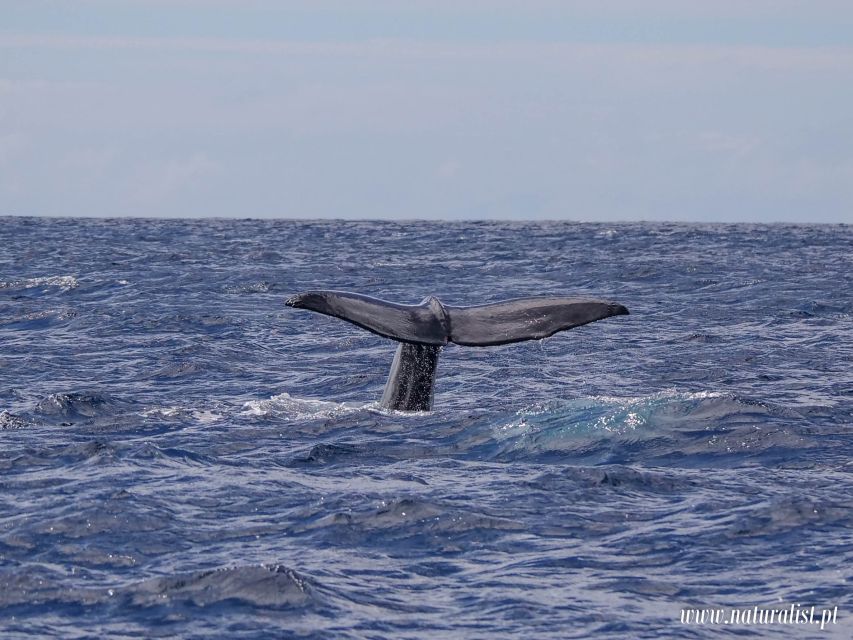
- Sperm whales are resident and can be seen year-round.
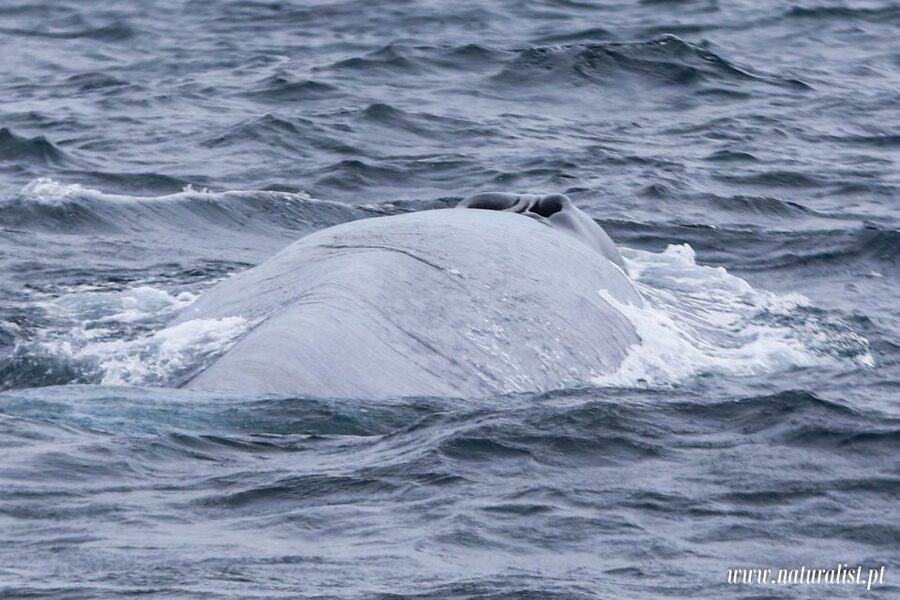
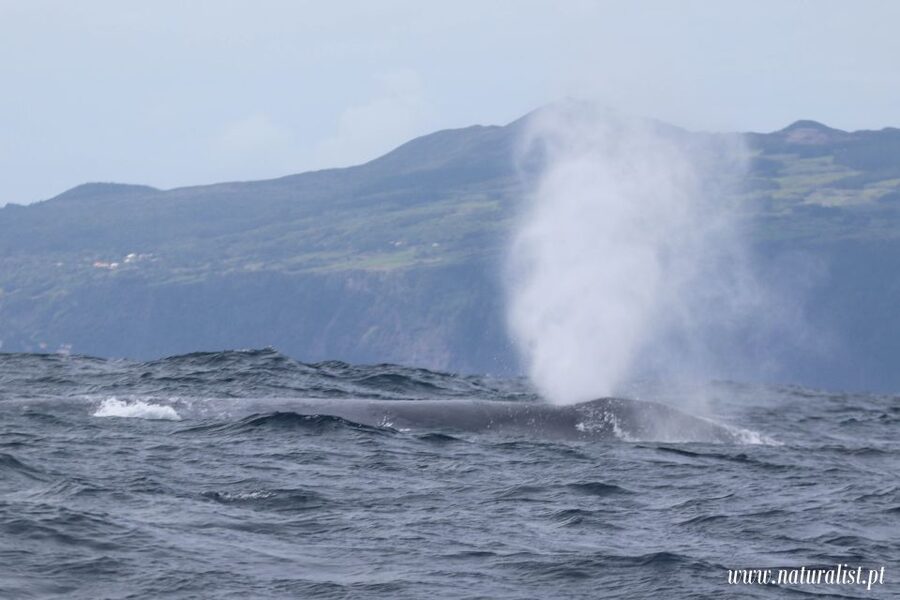
- Blue whales and fin whales are more typical in spring.
- Bryde’s and sei whales can occur also in summer.
Why this matters for you: if you’re traveling in spring, you can think about blue and fin whales as part of your likely list. In other seasons, the sperm whale chance stays the most consistent. The tour doesn’t over-promise one month. It gives you the seasonal logic.
Dolphins: resident groups plus mix-and-match guests
The dolphin lineup includes:
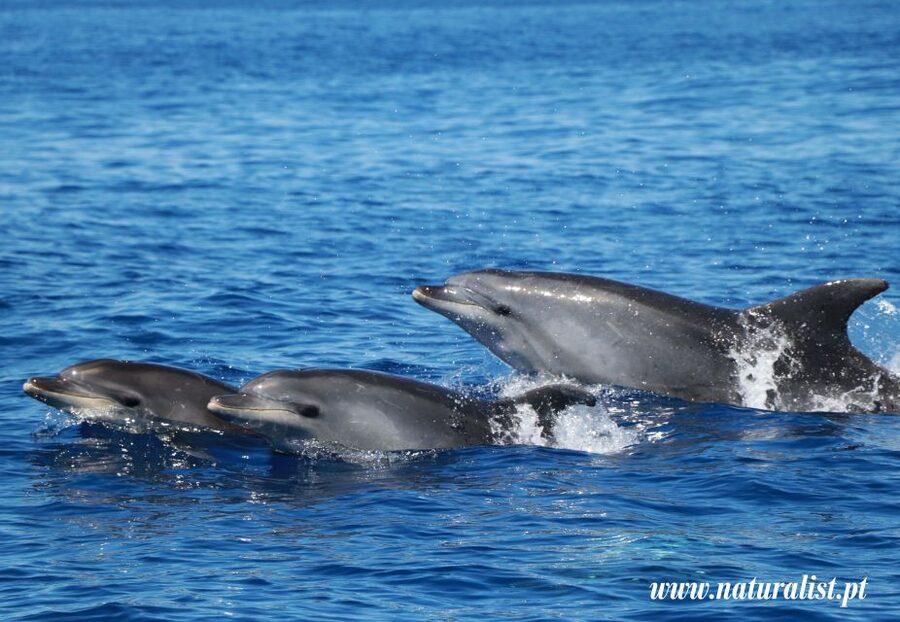
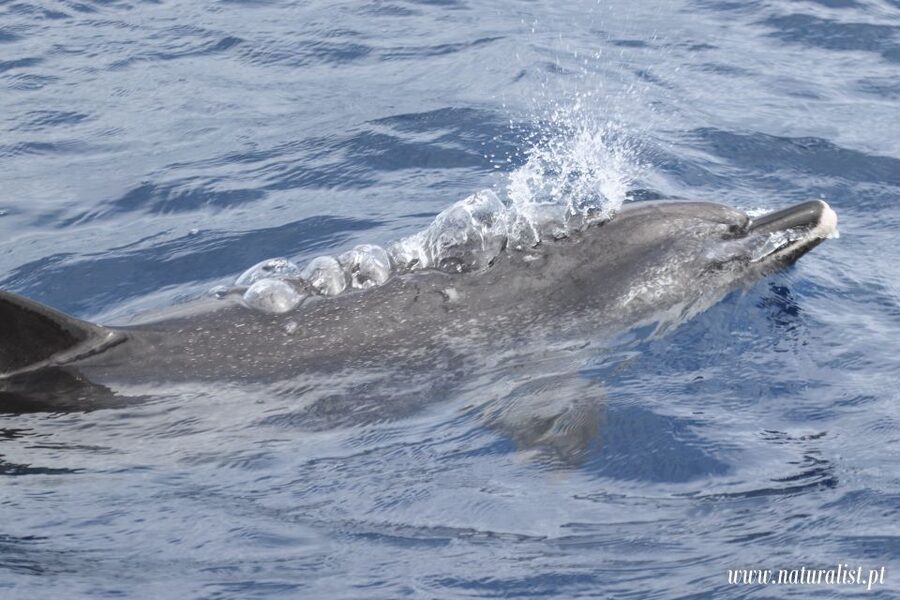
- Bottlenose dolphins (resident)
- Risso’s dolphins (resident)
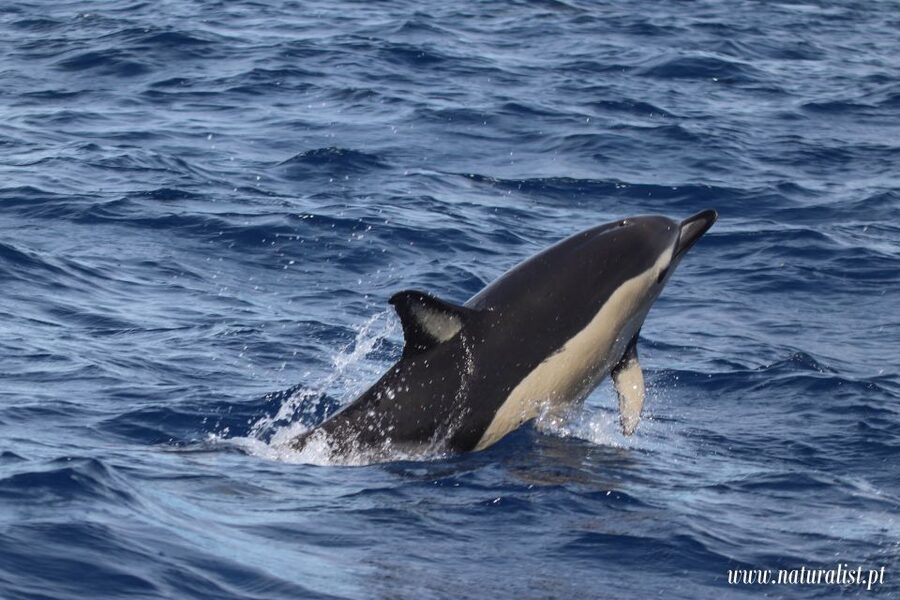
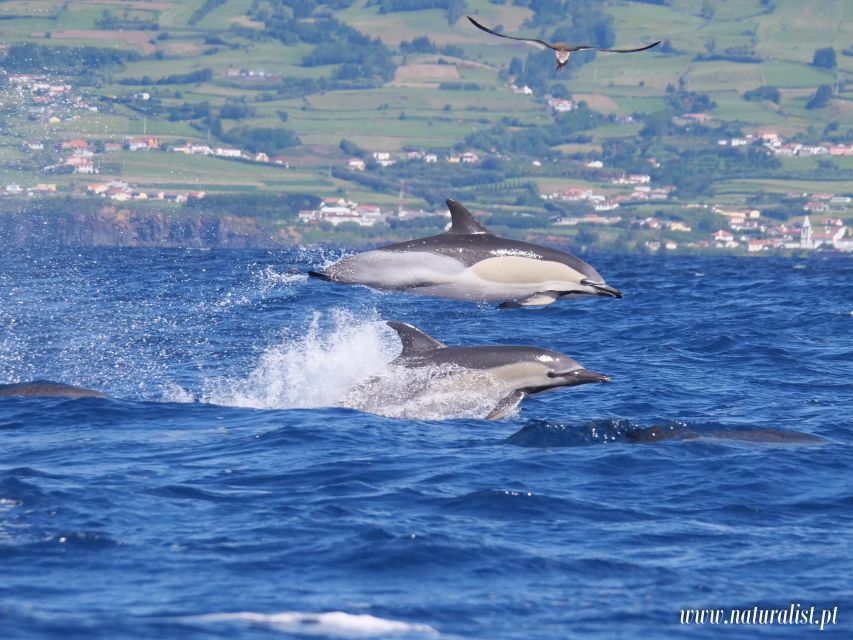
- Common dolphins (resident)
And then the broader pattern: many other migratory dolphin species can show up too. In practice, dolphin watching can be the most fun part because dolphins often show up faster and with more obvious surfacing and movement.
Sea turtles: loggerhead, green, plus leatherback and kemp’s
The Azores offer a genuine turtle chance. Loggerhead and green turtles live in the area, and leatherback and kemp’s can also appear. Turtles tend to be less frequent than dolphins, so I treat them as a bonus species—but a valuable one.
Other wildlife: a whole food chain, not just mammals
Depending on the day, you might also see flying fish, squid, octopus, and even large predators like hammerhead and blue sharks. Sunfish are also in the possible mix.
And those aren’t random additions. In a healthy ecosystem, prey species and predators often show up together. When the food chain turns on, that’s when your wildlife checklist expands fast.
From Marina to Photo Stop: How the 3-Hour Trip Flows
The trip starts at the marina with Naturalist – Science & Tourism. Whale Watching. Arrive a bit early so you’re not rushed when it’s time for the first briefing.
Once on board, you’ll get a safety briefing first. It’s short, but it sets expectations for how the crew runs the boat and how you should behave when you’re spotting wildlife.
Then you move into the main action phase, with time built in for:
- A photo stop
- Guided tour commentary
- Dolphin watching and marine life viewing
- Scenic views on the way, which helps if you’re not always staring at the horizon
- A whale-watching focus with wildlife viewing for around 30 minutes
The most important thing to understand is how they handle sightings. The whole game in whale watching is that animals move, sometimes quickly. The crew approach is described as careful and respectful, and when sightings shift, they don’t treat it as a dead end. They adjust area and positioning to give you the best chance at a clear view.
It also helps that the onboard biologist is giving real-time context. When you’re told what you’re likely seeing and why, your brain stops treating the ocean like a mystery and starts reading it like a map.
Birdwatching Bonus: Shearwaters and Terns While You Wait
If you care about birds, this trip includes a strong seabird component. While the whales and dolphins grab attention, the sky can turn into a second show.
You might spot:
- Cory’s shearwaters
- Great and Manx shearwaters
- Common and roseate terns
This is more than checklist birding. Shearwaters and terns are often tied to feeding activity and the presence of prey. So when you see birds acting a certain way, it can hint at what the marine life is doing below the surface.
Even if your main goal is cetaceans, keep your eyes up. This is one of the best ways to stay engaged during the periods between sightings.
Value at Around $101: What Makes This Feel Worth It
At about $101 per person for roughly 3 hours, you’re paying for a package that includes more than a boat ride.
What you get here that supports the price:
- A marine researcher/biologist on board
- Waterproof clothing
- Safety insurance
- A briefing that frames what you’re likely to see
- A small-boat experience using a RIB (with a stated capacity of 16pax)
If you’ve done whale watching elsewhere, you know pricing can vary wildly depending on whether the crew brings real science, safety gear, and serious spotting. Here, the science component is central, not an afterthought.
I also like that this feels designed for repeatable learning. With the briefings and the researcher’s input, you’re not just collecting photos—you’re collecting understanding. And that’s why people keep returning. When the sea gives you a good day, it can feel like a full wildlife event, not a short ride.
Who This Works Best For (and Who Should Skip It)
This trip is a great fit if you:
- Want real wildlife interpretation, with a university biologist on board
- Enjoy fast, small-boat experiences more than big-boat cruising
- Are traveling in a season where your target whales make sense, or you’re open to a mix of sperm whales plus other species
- Like combining mammal watching with birds and sea turtles
I’d be cautious if you:
- Have severe back problems, have recent surgeries, or are pregnant
- Need a highly stable ride or get motion sick easily
- Travel with kids under 5 years, since the trip isn’t suitable for them
One more practical note: bring a plan for getting wet. Even with waterproof clothes, spray happens. I’d rather you show up comfortable than surprised.
Should You Book This Whale and Dolphin RIB Trip?
Book it if you want a whale-watching day that blends up-to-date science, a small RIB format, and a realistic chance of seeing multiple species in a short window. The value is strongest for people who care about both the animals and the “why” behind what they’re doing.
Skip—or at least think twice—if you’re limited by the health and comfort constraints, or if you can’t handle a semi-rigid RIB ride with motion and spray. Also, if your heart is set on one specific species only, keep expectations flexible. The tour’s best strength is the overall wildlife rhythm: whales, dolphins, turtles, and seabirds when the day lines up.
If you’re okay with that, this is the kind of outing that makes the Azores feel alive. Not just pretty—alive.
FAQ
What time do the tours depart?
There are departures at 09h00 and 14h00.
How long is the whale and dolphin trip?
The experience runs for about 3 hours.
What species are you most likely to see?
Sperm whales can occur year-round. Blue and fin whales are linked to spring, while Bryde’s and sei whales can occur in summer. Dolphins such as bottlenose, Risso’s, and common can be seen, and turtles (loggerhead and green, plus leatherback and kemp) may appear.
Is food and drinks included?
No. Food and drinks are not included.
What languages is the tour offered in?
The expedition runs in English or Portuguese. French tours need to be requested in advance based on availability.
Is hotel pickup included?
No pick-up from your hotel is included. You meet at Naturalist – Science & Tourism in the marina.