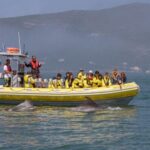
REVIEW · LISBON
Lisbon: Tagus Estuary Nature Reserve Birdwatching Boat Tour
Book on GetYourGuide →Operated by River Friends · Bookable on GetYourGuide
Birds fly by in minutes from Lisbon. I love how this Tagus Estuary Nature Reserve boat trip turns the big-city vibe into a quiet birding outing, guided by Captain Carlos Cera. You’re just a short ride from the Lisbon skyline, yet the water and mudflats make it feel like a different world.
I like two things a lot. First, the group is small, limited to 10 participants, which means you can actually ask questions and get time to look and photograph. Second, the tour includes binoculars and life vests, so you’re not scrambling for gear on the day.
One thing to plan around: the birding depends on weather and sea conditions. Calm mornings can be picture-perfect, but fog (and rougher water) can cause last-minute changes, including cancellations.
In This Review
- Key things that make this Tagus bird boat tour special
- Why the Tagus Estuary feels like a different Lisbon
- Meet Captain Carlos Cera at Onda Luso-Americana
- Parque das Nações photo stop: a quick city-to-nature transition
- Bairro dos Pescadores 21: why this stop matters
- The 2.5-hour heart of it: Tagus Estuary Nature Reserve birdwatching
- Mouchao da Povoa and the Vasco da Gama Bridge pass
- Price and value: is $58 fair for 3 hours on the water?
- What to pack for a smooth birding boat morning
- Who should book this Lisbon birdwatching tour?
- Should you book the Lisbon Tagus estuary birdwatching boat tour?
- FAQ
- How long is the boat tour?
- How big is the group?
- What’s included in the ticket price?
- Is food or drinks included?
- Where do I meet the tour?
- What languages will the guide speak?
- What should I bring?
- Will the tour run in bad weather?
- Is hotel pickup included?
- Can the tour be cancelled for a refund?
- Is this good for beginners?
Key things that make this Tagus bird boat tour special
- 14,000 hectares of protected reserve and 200 bird species identified there
- Tide-and-habitat style spotting, where Captain Carlos Cera steers you toward feeding areas
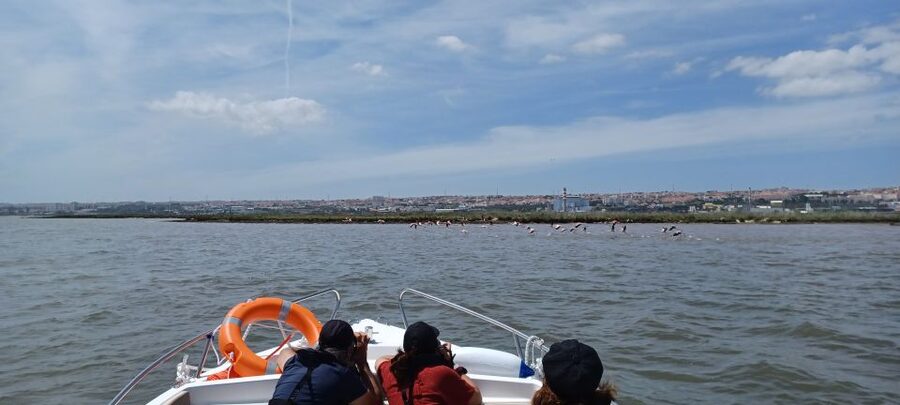
- Huge flock moments, including a reported 12,000 flamingos counted in 2024
- Winter numbers can be staggering, with regular counts around 120,000 wintering birds
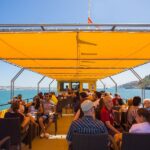
- Small speed boat feel with life vests on and an atmosphere that stays relaxed
- Lisbon views plus wildlife, including stops and passes near major landmarks like Vasco da Gama Bridge
Why the Tagus Estuary feels like a different Lisbon
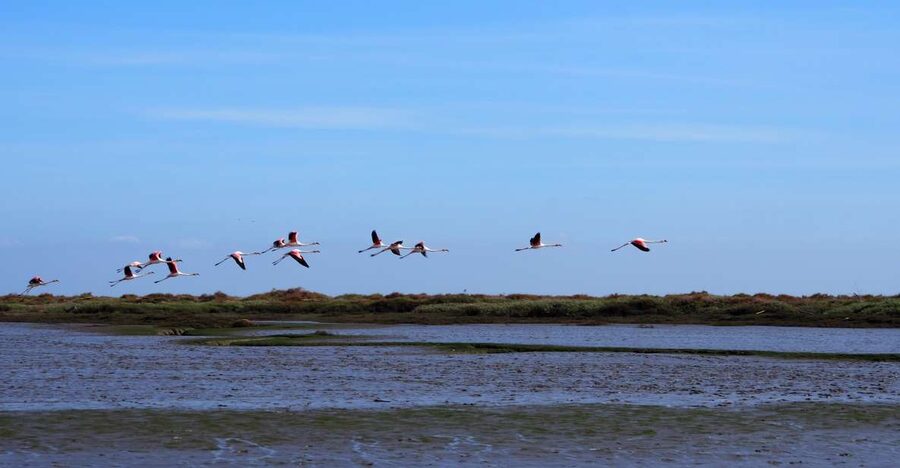
Lisbon can be loud and busy fast. This is the opposite mood. In a few hours, you trade streets for water, and water for mudflats—where birds feed, rest, and hunt.
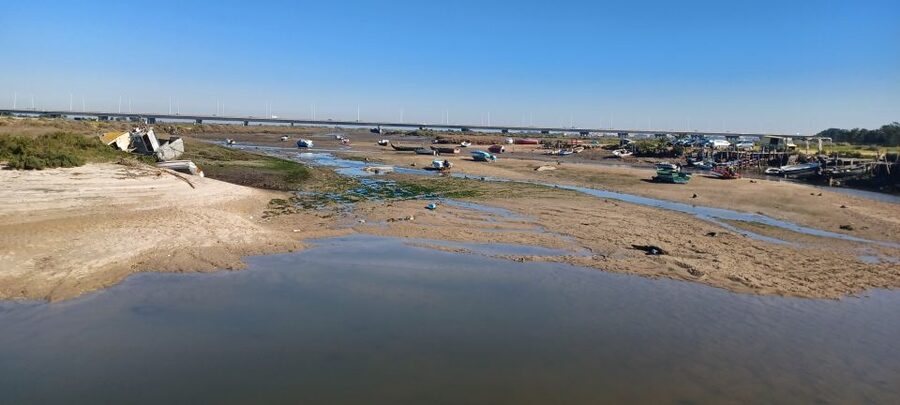
The Tagus estuary is huge: the reserve area is listed at 14,000 hectares, and the estuary itself is measured at 32 km². What matters for your trip is the density of life. The counts you’ll hear about—200 bird species identified and typical winter totals around 120,000 birds—aren’t trivia. They explain why the guide can keep finding birds even when the day is changeable.
You can also read our reviews of more tours and experiences in Lisbon.

Meet Captain Carlos Cera at Onda Luso-Americana
Your tour starts at Onda Luso-Americana, right next to a work of art. This is handy because you’re not dealing with a complicated pickup system. It’s also easy to get to by metro, which matters if you’re building the day around your own sightseeing plan.
After you gather, you’ll get a 15-minute safety briefing before heading out. Everyone wears a life vest, and that shift in routine—city walking to boat boarding—makes the whole trip feel organized without being stiff.
Bring the basics and you’ll enjoy it more:
- Comfortable shoes (you’ll likely walk a bit on docks)
- Sunglasses and a camera
- Biodegradable sunscreen
- A jacket (it can feel cooler on the water, even when Lisbon is warm)
- Weather-appropriate clothing
Even though binoculars are included, I still like having my own if I’m picky about comfort. Your tour provides binoculars either way, so you’re covered.
Parque das Nações photo stop: a quick city-to-nature transition
One of the clever parts of the timing is that you don’t jump straight into birds without context. You start in the Lisbon “modern” zone and move toward the estuary.
First comes the stop at Marina Parque das Nações, followed by a photo stop and guided orientation in Parque das Nações. This stretch is about getting bearings. You’ll see Lisbon from the water angle while the guide sets the pace for how you’ll observe wildlife—slower looks, watching behavior, and using the boat’s movement to position for sightings.
The practical benefit: if you’re new to birdwatching, this is your warm-up. You’ll learn how to notice things beyond the obvious “bird in the sky.” You’re looking at habitat choices: where birds settle, where they feed, and how they react to the boat.
A downside? You’re still in the city zone for a short part of the ride. If you’re expecting nonstop action for all 3 hours, you’ll want to treat this early phase as setup, not the main event.
Bairro dos Pescadores 21: why this stop matters
Next you’ll reach Bairro dos Pescadores 21 for another photo stop and guided viewing. This part of the route helps bridge the gap between city edges and the real working world of the estuary.
You’ll spend time doing three useful things:
- Getting closer to the channels where wildlife becomes more consistent
- Learning what to look for as conditions shift
- Preparing for the long birding stretch ahead
If you’re the type who likes photos, this is also where you start feeling the “boat advantage.” From shore, it’s tough to see far mudflats. From a moving (but stable) speed boat, you can scan a wider area and spot motion sooner.
The 2.5-hour heart of it: Tagus Estuary Nature Reserve birdwatching
This is the core of the trip: about 2.5 hours at the Tagus Estuary Nature Reserve. The tour structure is simple, and that’s why it works. You keep cruising, you pause for photo moments, and you do focused wildlife viewing.
The reserve is big—again, 14,000 hectares—so the guide isn’t just taking you to one “spot.” Captain Carlos Cera helps you understand why birds are where they are. The estuary habitat is described as ideal for a wide range of species, including both resident and migratory birds.
Here’s what I’d tell you to watch for during this block:
- Waders feeding on mudflats (look for subtle movement along the waterline)
- Birds of prey behavior when islands or open stretches appear in the route
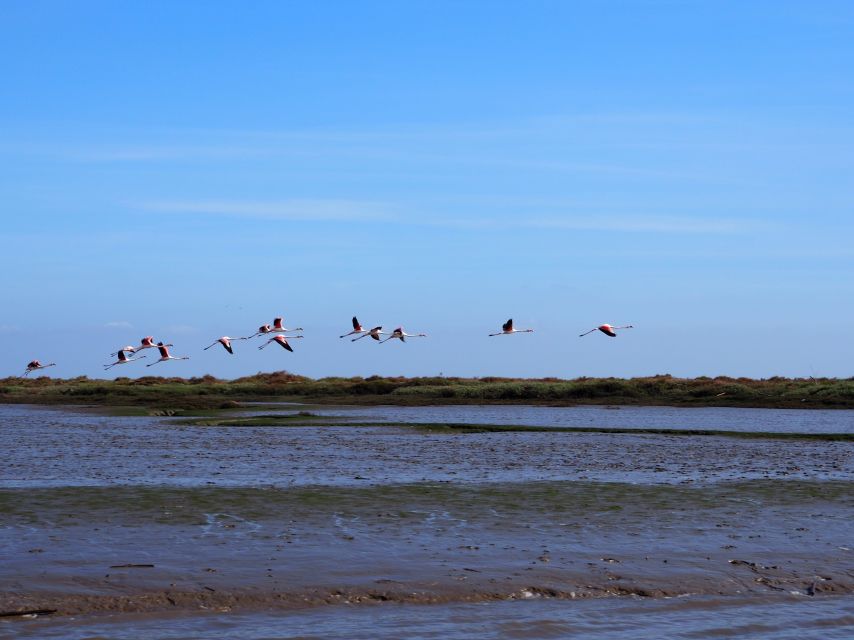
- Flamingo activity, especially when large groups are present
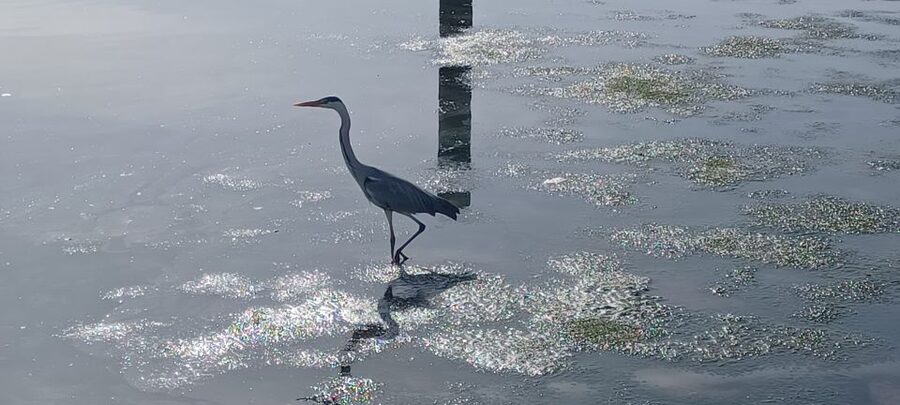
From past trips under Carlos, people have reported seeing 20+ different species in just three hours. Highlights commonly include birds like ospreys, spoonbills, herons, ibises, egrets, and marsh harriers. One of the most striking data points linked to this estuary is the reported 12,000 flamingos counted in 2024, which helps explain why flamingos can be part of the story even on a short tour.
One thing that really improves your odds is timing with the tide. In multiple accounts, Captain Carlos has been described as using the changing tide to arrive when mudflats are exposed and birds are active. That’s not just smart guiding—it’s the difference between seeing birds scattered and seeing birds working the flats.
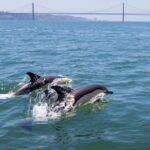
Marine life viewing is also part of the experience. If you’re focused only on birds, you might still enjoy the overall “estuary ecosystem” feeling: movement in water, islands, and shorelines all connect to where birds choose to feed.
A gentle reality check: birding isn’t a theme-park schedule. If the day is calm, you can get great views. If it’s foggy or conditions limit movement, sightings can shift. The tour is designed to work with what the environment allows, and the guide’s job is to adjust.

Mouchao da Povoa and the Vasco da Gama Bridge pass
After the main reserve time, you’ll move through more viewpoints and scenic stretches.
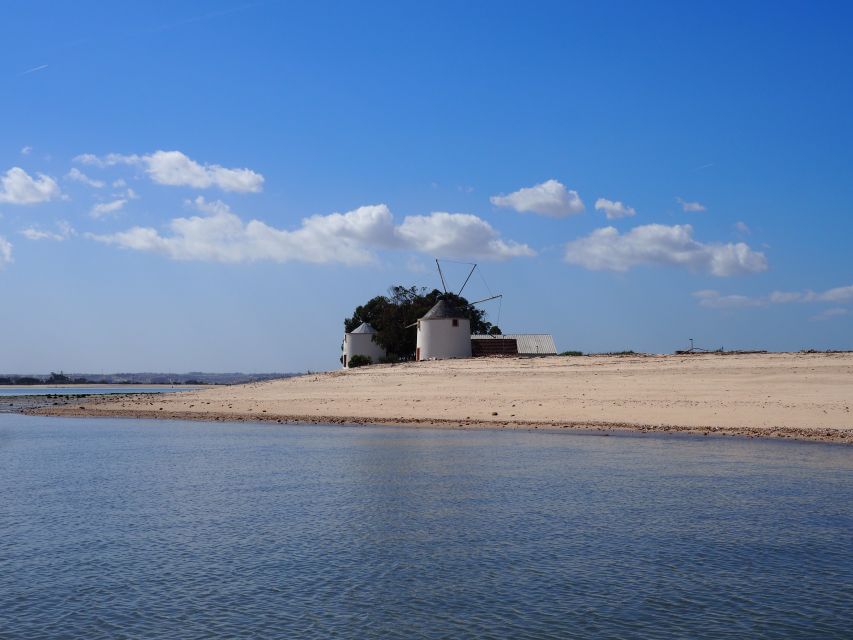
At Mouchao da Povoa, expect another photo stop and more guided narration as you keep scanning for wildlife. This part tends to feel lighter than the main reserve segment, but it’s still valuable for photography and for picking up species you might have missed earlier.
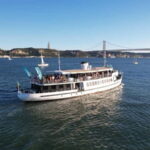
Then comes the Vasco da Gama Bridge pass. This is pure atmosphere: you get Lisbon’s modern icon in the frame, but now it’s surrounded by a nature setting you just spent time learning to read. For people doing a Lisbon city break, this is the moment that makes the whole tour feel like a clever contrast—because you’re looking at a major landmark from a wildlife-focused route.
If you’re photographing, pay attention here. Bridges can be dramatic backdrops, and your images will look different than the usual postcard angles.
Price and value: is $58 fair for 3 hours on the water?
The price is $58 per person for a 3-hour experience. On paper, that’s not cheap. In practice, it’s easier to judge when you see what’s included.
You get:
- Fees and fuel
- Insurance
- Life vests
- Binoculars
- A live guide in Portuguese, English, and Spanish (and the tour information also mentions multiple language options including French)
- A small group setting capped at 10 participants
For birdwatching, the guide matters as much as the boat. The Captain is the difference between wandering and being directed to feeding areas, especially when tides and daily conditions change. Many sightings depend on the guide’s choices—what you’re allowed to approach, where you can see birds clearly, and how you keep distance so wildlife isn’t disturbed.
What’s not included is also worth noting:
- Food and drinks
- No hotel pickup/drop-off
You can bring a picnic if you want. For a 3-hour tour, I’d treat this as an eat-before or snack-after day unless your schedule is tight.
Is it worth it? If you want a calm outdoor experience in Lisbon that doesn’t require long walking blocks, I think it’s strong value. If you’re expecting a guarantee of the “best possible birds every time,” then temper expectations. Birdwatching is seasonal and weather-dependent.
What to pack for a smooth birding boat morning
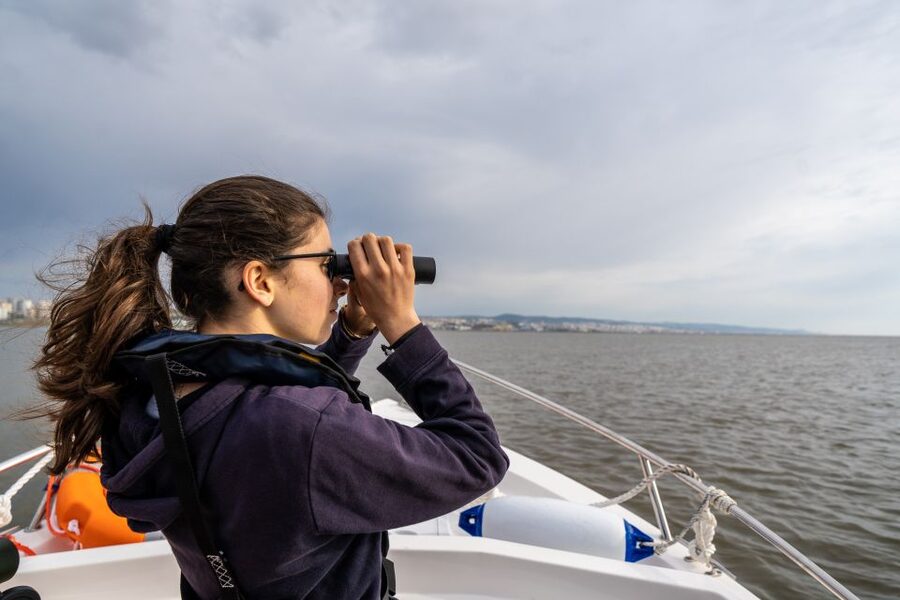
This tour is outdoors and on the water, so your comfort gear pays off.
At minimum, I’d plan for:
- A jacket (the water air can change fast)
- Sunglasses and a camera ready for quick moments
- Comfortable clothes and shoes
- Biodegradable sunscreen
- Binoculars if you prefer your own, though the tour provides them
- If you’re a photographer, extra patience—birds don’t pose on command
One practical tip from the vibe of past trips: come ready for a slow, respectful style of birding. Carlos’s approach is described as taking time, keeping a respectful distance, and letting people take photographs without rushing. If you lean into that pace, you’ll likely feel less stressed and more present.
Who should book this Lisbon birdwatching tour?
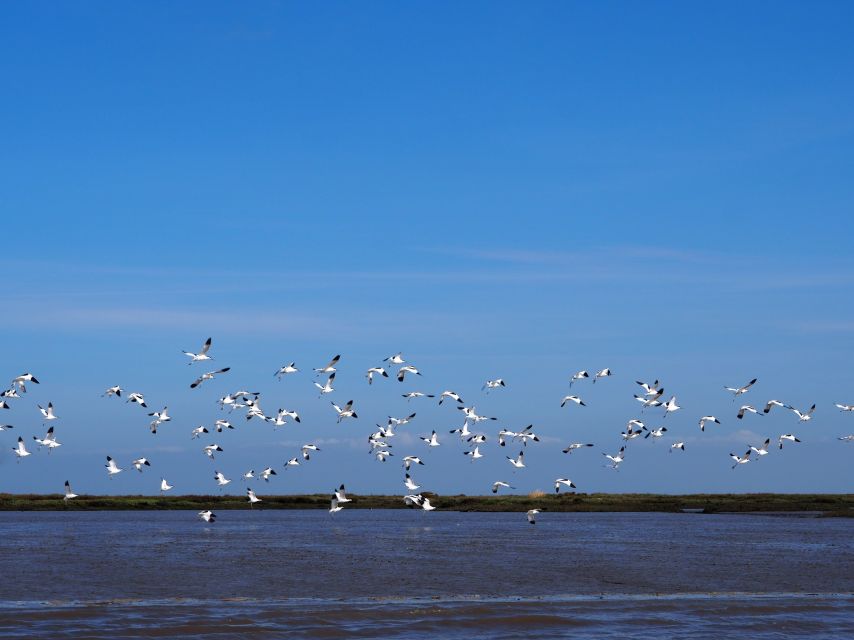
I think this tour fits best if you fall into one (or more) of these groups:
- Bird lovers, from first-timers to experienced spotters, because the guide can tailor the pace to what you want to learn and see.
- Nature lovers who want a break from Lisbon’s streets and hills. You’ll still get Lisbon scenery, but with wildlife at the center.
- People who want less walking. Multiple accounts mention it feels outdoorsy without turning into an endurance day.
- Families can enjoy it too. The mood is relaxed, and the wildlife viewing is visual and exciting even for kids who don’t care about long lectures.
If you hate boats or get motion sick easily, that’s a separate question. The tour uses a speed boat feel, and calm waters are best. When conditions aren’t great, your comfort level matters more than anything else.
Should you book the Lisbon Tagus estuary birdwatching boat tour?
Book it if you want:
- A small-group boat tour with binoculars included
- A guide-led birding experience with serious attention to identification and habitat
- The chance to see major wildlife moments near a major city—flamingos and other estuary birds aren’t just theory here
Skip or rethink it if you:
- Need a 100% guaranteed wildlife checklist every time (birding isn’t like that)
- Are not flexible about weather-related changes
- Don’t like outdoor mornings on the water unless conditions are ideal
My take: for most people doing Lisbon, this is one of the most satisfying ways to spend a few hours. You get the contrast—city views out front, estuary life at the heart of the day—and you come away with a better sense of how this ecosystem works.
FAQ
How long is the boat tour?
The duration is 3 hours.
How big is the group?
It’s a small group limited to 10 participants.
What’s included in the ticket price?
Fees and fuel, insurance, life vest, binoculars, and a live tour guide are included.
Is food or drinks included?
No. Food and drinks aren’t included, and you’re welcome to bring a picnic.
Where do I meet the tour?
The meeting point is next to the work of art at Onda Luso-Americana.
What languages will the guide speak?
The live guide is listed for Portuguese, English, and Spanish, and the broader activity information also mentions multiple-language availability including French.
What should I bring?
Bring a passport or ID card, comfortable shoes, sunglasses, a camera, biodegradable sunscreen, and weather-appropriate clothing, including a jacket. Binoculars are also suggested (though the tour provides them).
Will the tour run in bad weather?
All boat tours are subject to weather and sea conditions for safety. If it’s expected to be cancelled, you’ll be contacted within 24 hours prior to try to reschedule.
Is hotel pickup included?
No, hotel pickup and drop-off aren’t included.
Can the tour be cancelled for a refund?
You can cancel up to 24 hours in advance for a full refund. If rescheduling isn’t possible due to cancellation circumstances, you’ll be 100% refunded.
Is this good for beginners?
Yes. The tour is designed for a range of experience levels, and the guide can adjust based on what you want to focus on during the birding.