REVIEW · NEW ORLEANS
New Orleans: Swamp Boat Ride and Historic Plantation Tour
Book on GetYourGuide →Operated by Gray Line New Orleans · Bookable on GetYourGuide
A plantation-and-swamp day in Louisiana hits different. I love the combo of Oak Alley or Destrehan plus a Manchac Swamp boat cruise with serious wildlife time and spell-casting bayou stories from guides like Dionne and Brandon. It’s also one of those tours where the pacing helps: you get guided context on the plantations, then you step into the real habitat where the legend talk makes sense.
One thing to plan around: the schedule is a full 7.5 hours, and the tour includes time at historic sites with limited movement options. If you’re sensitive to cold air, you’ll want a layer for the bus, and if you pick Oak Alley, note the second floor is stairs only.
In This Review
- Key Things That Make This Tour Work
- A Full Day Out of New Orleans: Plantation Grounds Then Manchac Swamp
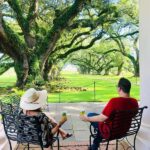
- Oak Alley in the Morning: 1839 Grounds and the Oak Tree Alley
- Destrehan in the Afternoon: French Colonial Charm and the Sugar Dynasty
- The Manchac Swamp Cruise: Rougarou Lore, Alligators, and Bayou Humor
- Transportation and Timing: What 7.5 Hours Feels Like
- What You Get for $126: Included vs. Pay-As-You-Go
- Who This Tour Fits Best (and Who Might Want a Different Plan)
- Should You Book This New Orleans Plantation + Manchac Swamp Tour?
- FAQ
- What are the two plantation options?
- How long is the tour?
- Where do I meet the tour?
- Is Oak Alley entry included?
- Is the Destrehan home tour included?
- Do I get a swamp boat cruise?
- Are food and drinks included?
- Is video recording allowed?
- Is the tour wheelchair accessible?
Key Things That Make This Tour Work
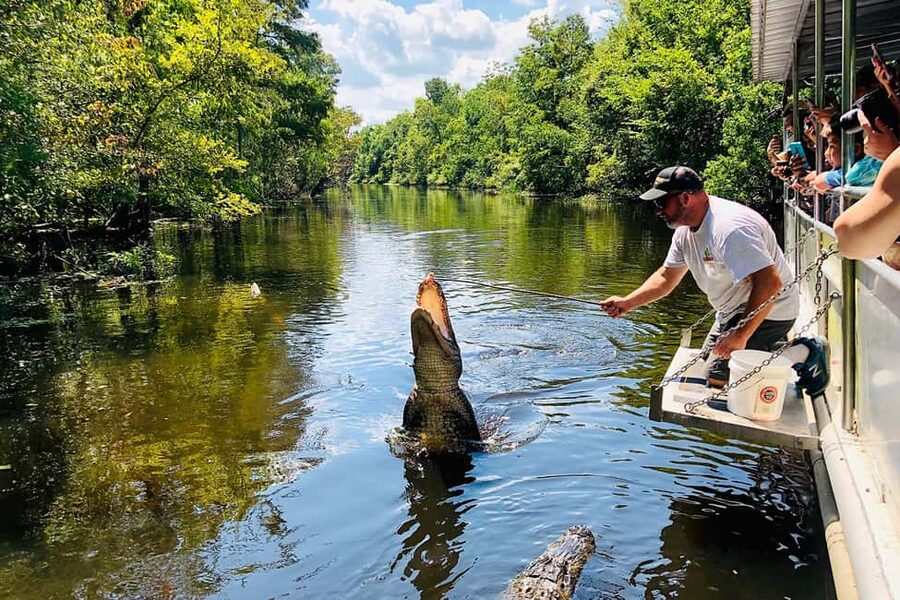
- Oak Alley’s oak tree alley and river cypress: a long, quiet walk through scenery tied to the plantation’s 1839 era.
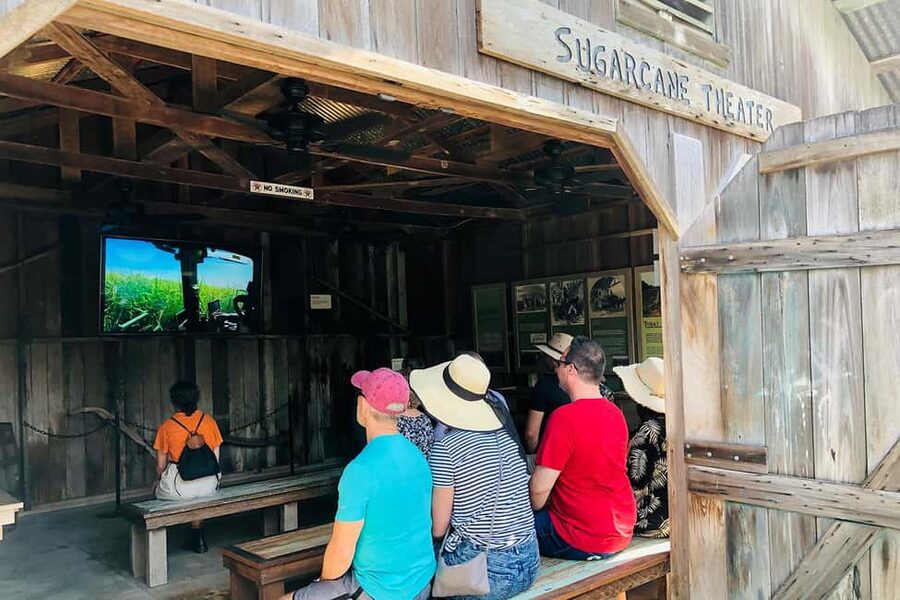
- On-site exhibits that spell out plantation life: at Oak Alley, you’ll have the chance to see Slavery at Oak Alley, plus the Blacksmith Shop and Sugarcane Theater.
- Destrehan’s French Colonial roots: the afternoon option centers on one of the oldest documented French Colonial-style houses in the lower Mississippi Valley.
- Sugar dynasty storytelling and trade demonstrations: costumed interpreters explain how the family business ran day to day.
- Manchac Swamp boat cruise with Rougarou lore: you’ll hear the werewolf legend while looking for alligators and other wildlife up close.
- Guide energy is the secret sauce: names like John, Brittany, Joanne, Robi, and Captain Danny show up in standout day-of experiences.
A Full Day Out of New Orleans: Plantation Grounds Then Manchac Swamp
This is the kind of tour that turns a single day into two very different Louisiana worlds. First you’re in plantation time—architecture, labor, and storytelling in a place that still looks dramatic even after all these years. Then the day flips to wet, swampy reality: slow-moving water, wildlife, and that Cajun-bayou rhythm where legends like the Rougarou werewolf feel less like campfire drama and more like local culture.
The “value” part of the deal is that you’re not piecing together two separate outings. You get round-trip bus transport, the relevant plantation entry and guided portion (depending on which option you choose), and the Manchac Swamp boat cruise. At $126 per person, it’s not bargain pricing—but you are paying for convenience plus two guided experiences that would be harder to coordinate on your own.
You can also read our reviews of more tours and experiences in New Orleans.


Oak Alley in the Morning: 1839 Grounds and the Oak Tree Alley
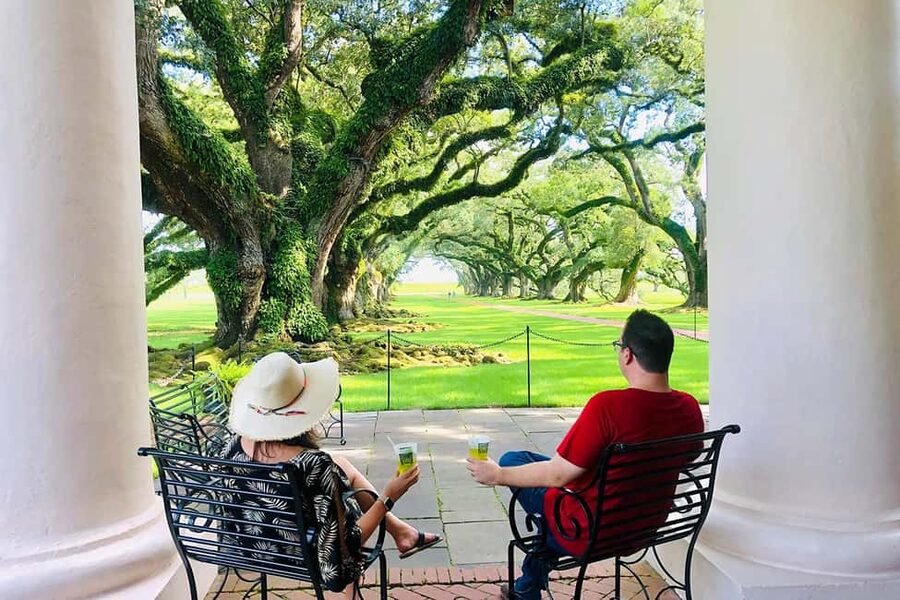
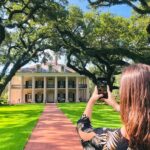
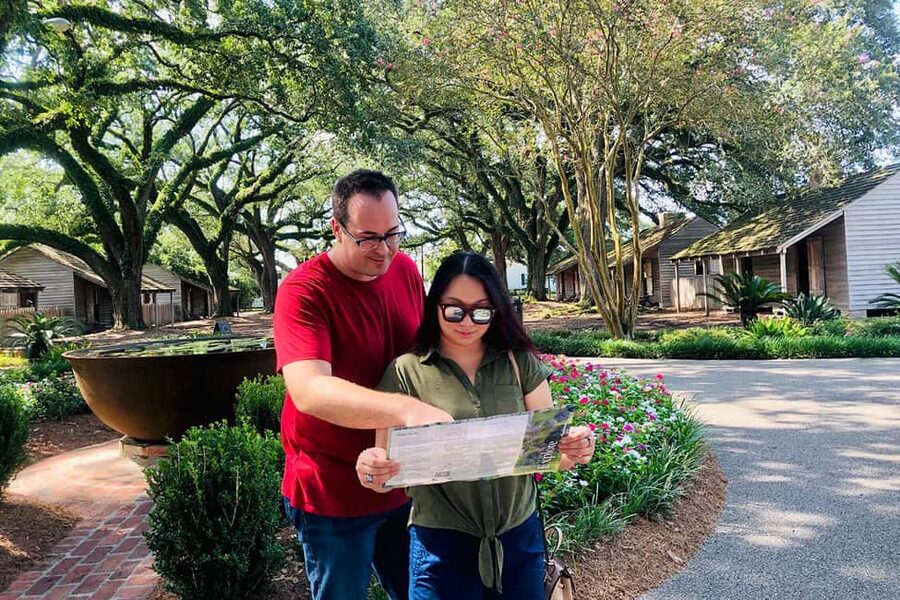
If you want the classic plantation image, the morning option is the one that delivers it. Oak Alley Plantation, built in 1839, is famous for its long alley of oak trees—about a quarter mile lined with trees that are over 250 years old. Even if you’re not a “plantation history” person, this is the kind of place where the setting does half the talking.
What I like about the guided format here is that you’re not just looking at pretty columns and dusted brick. Your guide sets the scene and helps connect the landscaping to how the plantation worked. You’ll also get time with the cypress trees bordering the Mississippi River area, which helps explain why this region’s environment mattered for everything—movement of people and goods, farming decisions, and daily life.
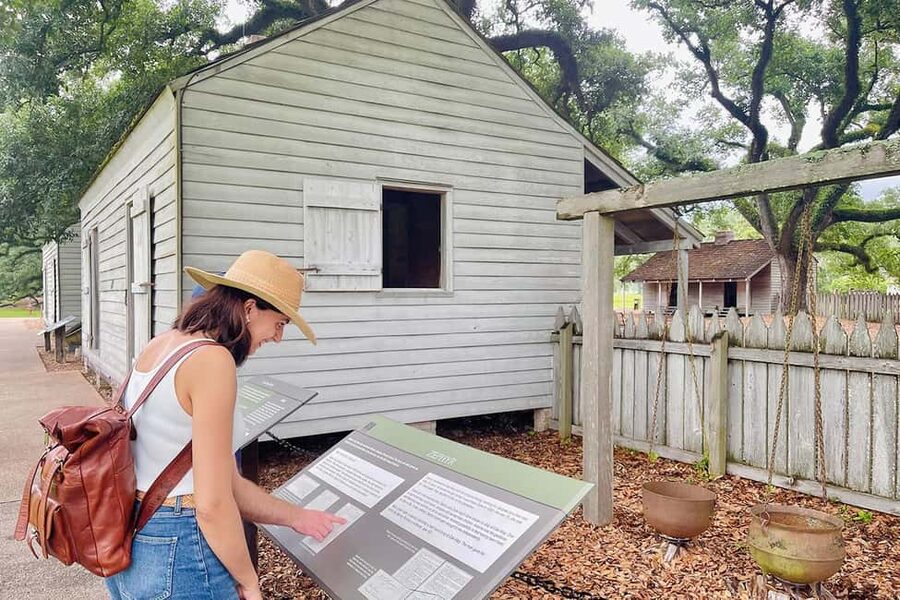
One especially useful feature is the set of on-site exhibitions available during your visit. You’ll have a chance to see:
- Slavery at Oak Alley
- Blacksmith Shop
- Sugarcane Theater
That trio matters because it nudges the conversation past postcard imagery and toward what plantation life looked like in real, practical terms—tools, work rhythms, and how sugarcane fit into the plantation economy.
The main drawback for some people is physical access. Because it’s a historic property, the second floor is by stairs only. If stairs are a no-go for you, plan your visit around the areas you can reach and don’t rely on upper-floor rooms for key information.
Destrehan in the Afternoon: French Colonial Charm and the Sugar Dynasty
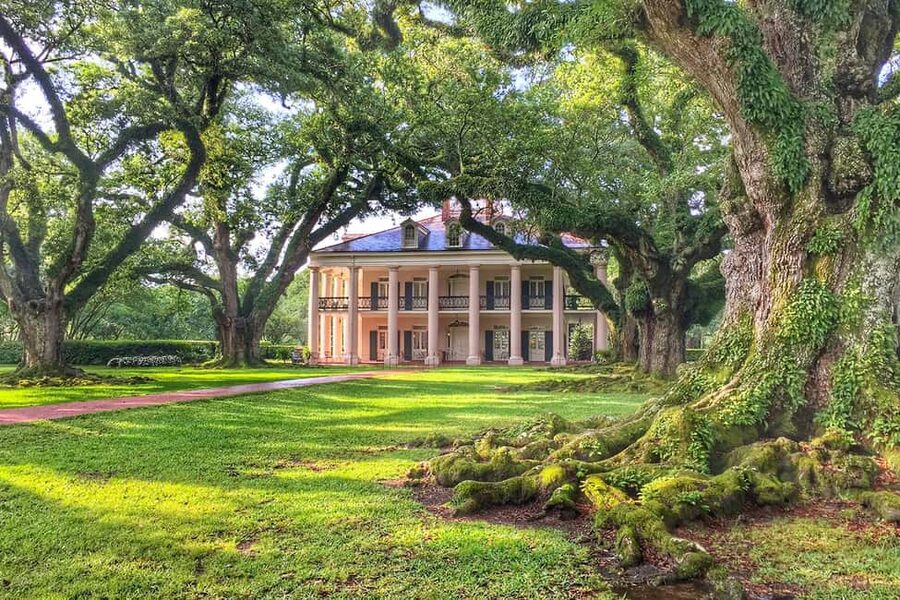
If you prefer a slightly different flavor of Louisiana plantation—more French Colonial character and a strong family-business story—the afternoon option swaps Oak Alley for Destrehan Plantation.
Destrehan is described as the oldest documented French Colonial-style house in the lower Mississippi Valley, and that detail is more than trivia. It helps you see the architecture as a clue: who built here, what influences shaped the area, and how long the plantation era roots go down river from New Orleans.
The guided portion centers on the Destrehan family’s sugar world. You’ll hear about the family’s sugar dynasty, major historic moments tied to the site, and the architectural features that make the house notable. Costumed docents also handle the storytelling in a way that’s easy to follow even if plantation history isn’t your usual weekend hobby.
Another perk is the trade demonstrations by costumed artisans. These are the practical skills side of the story—how everyday life worked and how vital certain trades were centuries ago. It’s a nice contrast to the “big house” focus, and it gives you concrete examples you can picture later when you’re standing somewhere else in the region.
Just like Oak Alley, expect a historic site with some access limitations. The day is scheduled so you still reach the swamp cruise afterward, so this is also a good pick if you like the idea of keeping momentum—no slow bumming around alone.
The Manchac Swamp Cruise: Rougarou Lore, Alligators, and Bayou Humor
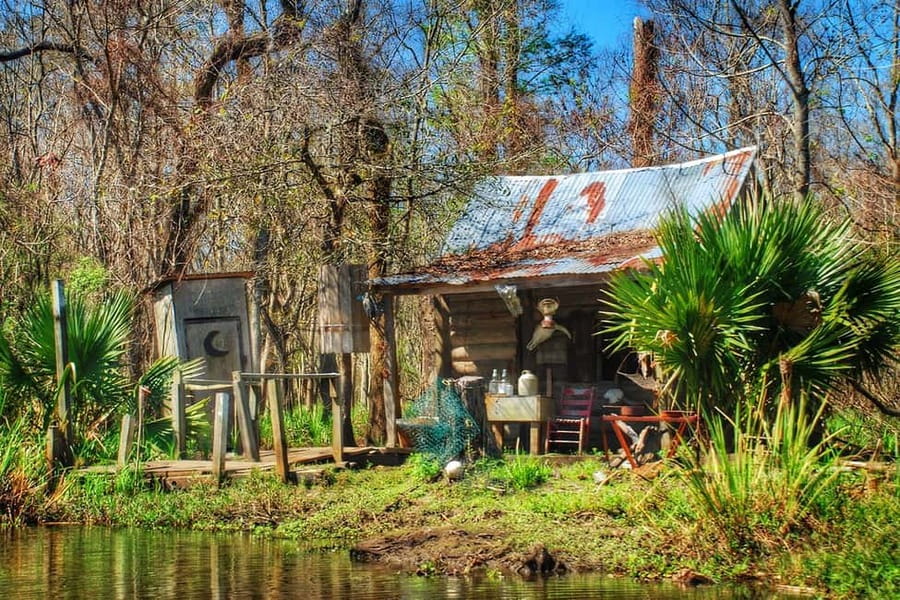
After the plantation, you’ll head out toward the Manchac Swamp area and board a boat for a wildlife cruise across the privately-owned wildlife refuge. This is the part that turns the day from “history on land” into “Louisiana living landscape.”
The legend element is built right into the experience. You’ll hear about the Rougarou werewolf, and the storytelling style is classic bayou: spooky enough to be fun, grounded enough to feel like local culture instead of generic Halloween content.
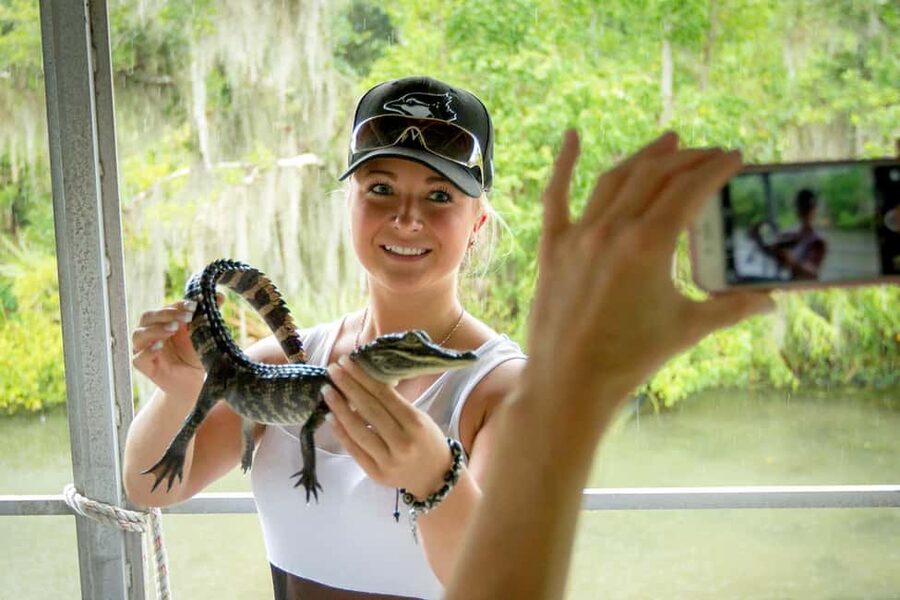
Then comes the wildlife. The boat ride is set up for close-up viewing, and the standout detail is how often you can spot alligators right away—sometimes at what feels like a very short distance. People consistently rave about seeing them up close, with guides using humor and local know-how to keep the cruise entertaining while also pointing out what to look for.
If you’re traveling with kids, this is one of the strongest choices in the city’s day-trip lineup. The wildlife factor is immediate and visual. If you’re an adult who wants something that isn’t just another museum stop, this works because the swamp is active, not staged.
A small practical note: food and drinks aren’t included. You can purchase items at the swamp, so plan to bring water money or snacks if you know you’ll get hungry after the boat.
Transportation and Timing: What 7.5 Hours Feels Like
The tour runs about 7.5 hours, and it’s built around a clean flow: meet, bus out, guided plantation visit, then transportation to the Manchac Swamp boat cruise, and finally back to your starting point.
This is where group tours either feel great or feel tiring. In this case, the bus ride is part of the value. You’re not stuck navigating roads to get to two separate locations, and you’re not paying for separate admissions and then hoping timings line up.
One practical detail worth knowing: the bus is a coach with bathrooms, which helps a lot when you’re out for most of a day. Still, the air-conditioning can run cold. If you’re the type who feels chilled fast, pack a light layer.
Also, note the tour uses a live English guide, which is a major plus for accurate, nuanced explanations—especially for plantation history, where wording matters.




What You Get for $126: Included vs. Pay-As-You-Go
Here’s the “what you’re actually paying for” breakdown.
Included:
- Round-trip bus transportation
- Oak Alley entry fee and Oak Alley tour if you choose the Oak Alley option
- Guided tour of Destrehan Plantation home if you choose the Destrehan option
- Manchac Swamp boat cruise
Not included:
- Food and drinks (you can buy these at the swamp)
So yes, it’s pricey compared with a basic transport-only ticket. But compared with paying separately for plantation admission, a guided plantation tour, and a swamp cruise, it can feel like a smoother deal—especially when the transport and guides are doing the heavy lifting.
One more rule to plan around: video recording isn’t allowed inside the plantation. Photos are usually the safer bet, but follow whatever staff instructions you see onsite.
Who This Tour Fits Best (and Who Might Want a Different Plan)

This day trip fits best if you want:
- A single organized way to see two major Louisiana experiences: a plantation and a swamp cruise
- Guided explanations that cover more than just scenery
- A wildlife stop that’s active and visual (alligator sightings are a big part of the appeal)
- Humor and storytelling alongside history—many guides bring both
It’s less ideal if:
- You don’t want a long day with limited flexibility once you’re on the bus
- Stairs are a problem at plantation sites (Oak Alley’s second floor is stairs only)
- You’re hoping for lots of free time to roam without a guide steering the timing
If your ideal New Orleans day is “one perfect stop, slow pace, no schedules,” you might prefer a different kind of excursion. But if you’re here for variety and stories in real places, this is a strong match.
Should You Book This New Orleans Plantation + Manchac Swamp Tour?
I’d book it if you want the best of Louisiana in one shot: plantation context (Oak Alley or Destrehan) plus a Manchac Swamp cruise where the wildlife and Rougarou stories do the entertaining.
Also, pay attention to which version fits your interests. Choose Oak Alley in the morning if you want the famous oak alley and the on-site exhibits like Slavery at Oak Alley. Choose Destrehan in the afternoon if you’re drawn to French Colonial architecture and the sugar dynasty framing with costumed trade demonstrations.
If you’re wary of stairs or you prefer total freedom, read the access rules carefully and consider whether a scheduled day is your style. For most people, though, this tour is a satisfying blend of history, environment, and the kind of local storytelling that makes the swamp feel real.
FAQ
What are the two plantation options?
You can choose the morning tour to visit Oak Alley Plantation or opt for the afternoon tour to visit Destrehan Plantation.
How long is the tour?
The duration is 7.5 hours (starting times vary, so check availability).
Where do I meet the tour?
Start by exchanging your voucher for a boarding ticket at the Gray Line Lighthouse ticket office on Toulouse Street.
Is Oak Alley entry included?
Yes—if you select the Oak Alley option, the Oak Alley entry fee and Oak Alley tour are included.
Is the Destrehan home tour included?
Yes—if you select the Destrehan option, the guided tour of the Destrehan Plantation home is included.
Do I get a swamp boat cruise?
Yes. The Manchac Swamp boat cruise is included.
Are food and drinks included?
No. Food and drinks are not included, but they are available to purchase at the swamp.
Is video recording allowed?
No. Video recording is not permitted (including restrictions inside the plantation).
Is the tour wheelchair accessible?
Yes. The tour is wheelchair accessible, and wheelchairs can be stored on the bus if they collapse and fold. If you use a scooter, special arrangements are required and must be made 48 hours prior to the tour date. Also, note that the second floor is stairs only at the plantation.