REVIEW · PORTO
Port : Sail, Sip & Savor : Douro Boat Tour With Wine Tasting
Book on Viator →Operated by Douro Sailing · Bookable on Viator
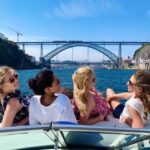
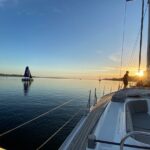
Two hours can feel like a whole evening. This Douro sailing packs bridge views and a wine tasting into a small-group cruise, with guides like Inês and Captain António helping you connect the dots between Porto and Vila Nova de Gaia.
I like the calm pace. You’re not rushing between viewpoints, and the boat gives you angles you simply don’t get on foot.
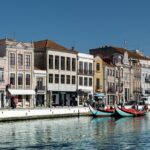
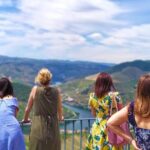
What I especially enjoy is the mix: classic Porto icons plus a couple of practical, real-world river stops. You’ll slide past UNESCO-listed Ribeira, cross the skyline by Dom Luís I Bridge, and also get context for the Estuário do Douro reserve and the old Port wine transport—rabelos boats—so the river feels more like a working system than a pretty backdrop.
It’s a nice blend of views and meaning, with just enough facts to keep you oriented.
One thing to consider: this experience depends on weather. If it turns rough, parts of the route can shift, and the cruise may feel longer or quieter than you hoped—so dress for wind and don’t plan on a perfect sunset guarantee.
In This Review
- Key highlights to look for
- Two hours on the Douro: what Sail, Sip & Savor gets right
- Marina da Afurada start: getting oriented fast in Vila Nova de Gaia
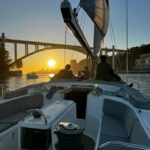
- Arrábida Bridge views: the engineering story you’ll actually remember
- UNESCO Ribeira and Dom Luís I Bridge from the water
- Estuário do Douro nature reserve: quick wildlife value
- Rabelos boats: the Port wine supply chain you can picture
- Electric tram museum context: small Porto details with big payoff
- Wine tasting, snacks, and comfort tips for sunset cruising
- Group size, guide style, and how to get the most out of the commentary
- Price and value around $44.22 for a guided river cruise
- Should you book Sail, Sip & Savor on the Douro?
- FAQ
- How long is the Douro Boat Tour with Wine Tasting?
- What is the price per person for this tour?
- Where is the meeting point, and where does the tour end?
- Is the tour offered in English?
- What is the maximum group size?
- What happens if the weather is poor?
- Can I cancel for a full refund?
Key highlights to look for
- Small group on the Douro (max 10): easier conversation with the crew
- Wine tasting with snacks: a real break built into the time on the water
- UNESCO Ribeira from the river: you see how the waterfront shaped the city
- Dom Luís I Bridge and the Porto–Gaia link: landmark views with useful context
- Estuário do Douro nature and bird migration: a quick nature moment beyond sightseeing
Two hours on the Douro: what Sail, Sip & Savor gets right
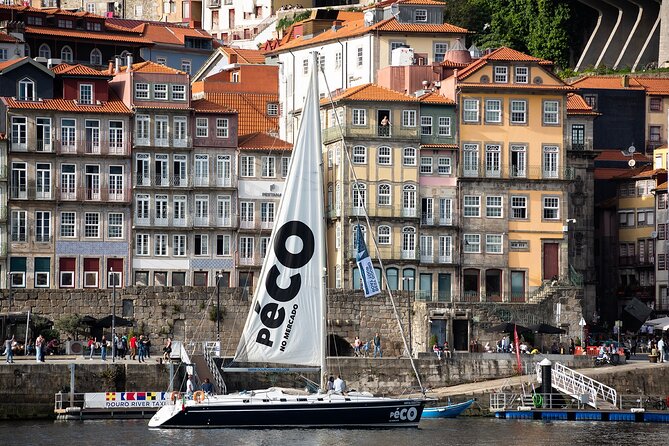
This tour works because it respects your time. At about 2 hours, you get the main Porto-and-Gaia “hits” without committing to a half-day or getting stuck in transit. The price point also feels realistic for what’s included—guided sightseeing plus tasting—so you’re not paying just for a seat on a boat.
The other big win is the tone. On the departures I’d choose, the crew keeps things friendly and practical, with historical notes that help you recognize what you’re seeing as you pass it. You may even get extra local tips from Inês (or another guide), like where to wander next after you’re back on shore.
One more value point: the boat format naturally slows your brain down. When you’re floating on the Douro, you stop “checking boxes” and start noticing details—riverbanks, bridge structure, how the buildings line up, and where the city turns toward the water.
You can also read our reviews of more tours and experiences in Porto.
Marina da Afurada start: getting oriented fast in Vila Nova de Gaia
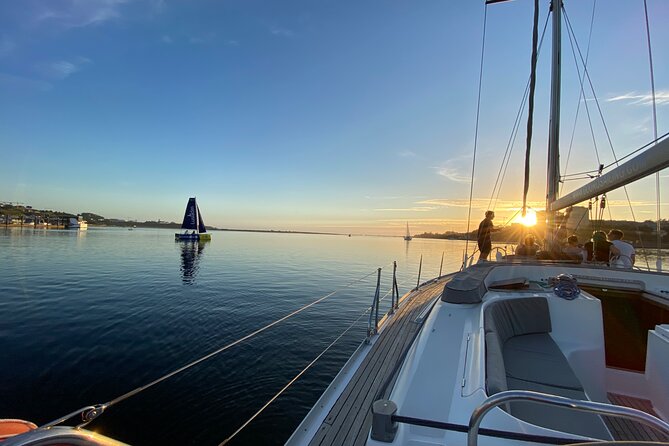
You meet at Marina da Afurada in Vila Nova de Gaia, and the tour returns you to the same point. That matters more than it sounds. By keeping the start/end simple, you avoid time loss and stress—especially if you’re juggling dinner plans in Porto or a short visit to Gaia’s cellars.
A marina is also a good “first lesson.” You’ll be facing the river right away, so the cruise doesn’t feel like travel to travel. If you’re coming from central Porto, Gaia can feel like the other side of the world; starting in Afurada helps you anchor where the river bends and how the skyline opens up.
Practical tip: since this is on the water, layers win. Even in good weather, a breeze can flip comfort fast, and at least one cruise experience includes blankets when it chills.
Arrábida Bridge views: the engineering story you’ll actually remember
Early on, you pass Ponte da Arrábida, the bridge that links Porto to Vila Nova de Gaia. What makes it interesting isn’t just that it’s there—it’s how it reflects the city’s need to keep traffic flowing as the old bridges became strained.
You’ll hear how, after the earlier landmark bridges, Porto needed an alternative connection as traffic grew. When the Arrábida Bridge was inaugurated in 1963, it was notable for having one of the largest armed concrete bows in the world at the time. The details about its size and construction style help you read the bridge as a piece of 20th-century progress, not just a photo background.
Also, the bridge includes elevators so pedestrians could cross more easily—an unusual touch that explains why the connection feels built for both movement and practicality. From the boat, you see its role instantly: it’s not art for art’s sake. It’s a functional bridge that shaped daily life on both sides of the Douro.
If you like bridges (or even if you just like good structure in photos), this segment is a strong opener.
UNESCO Ribeira and Dom Luís I Bridge from the water
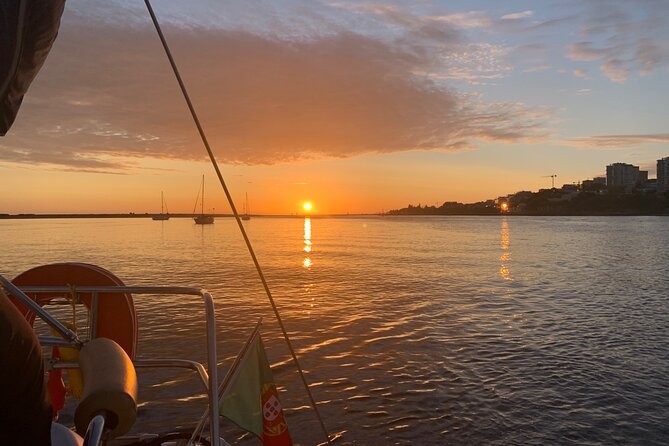
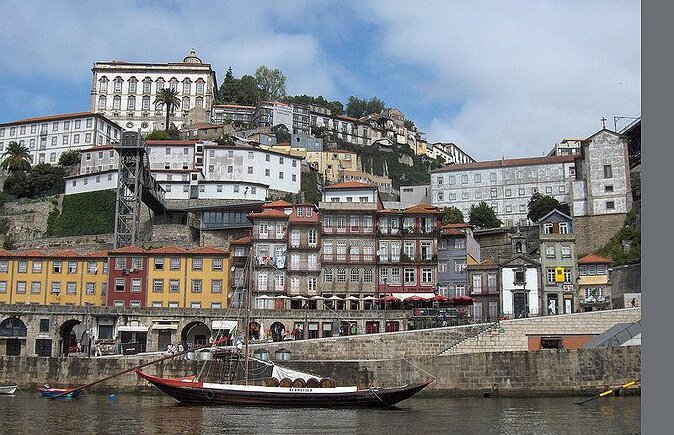
Then comes Cais da Ribeira, one of the oldest and most famous areas of Porto. Ribeira is part of the Historic Center of Porto, a UNESCO World Heritage site, and the river-front setting explains why it became such a trading and movement hub over time.
From the water, the Ribeira feel is different. On foot, it’s crowded and stop-and-go. By boat, you get the geometry: the curve of the waterfront, the way the streets rise back from the river, and how the buildings frame the skyline. It’s a viewpoint that helps you understand why people love this place so much.
Right after, you pass Dom Luís I Bridge, the iconic connector between Porto and Gaia. It’s metal, spans about 395 meters, and is split into two levels—upper and lower—which is exactly why you feel the bridge as a system, not a single crossing. It was completed in 1888, and you’ll get the connection to Théophile Seyrig (who followed architectural ideas tied to Gustave Eiffel) and the fact it was ordered by King Louis I.
One travel tip: if you’ve only seen Dom Luís I from streets or lookout points, the boat angle makes the bridge look more confident and less like a postcard. It’s also a good moment to grab photos before the light shifts.
Finally, there’s a neat bonus mentioned in the cruise descriptions: don’t assume this is the full-on 6-bridges loop. This tour focuses on key landmarks around Porto and Gaia rather than turning into an endless bridge parade.
Estuário do Douro nature reserve: quick wildlife value
A surprising highlight here is Reserva Natural Estuário do Douro, on the south bank near Afurada, around 66.35 hectares. You’re not signing up for a long hike. Instead, you get a quick nature perspective from the water and nearby suspended walkway concept—enough to notice the river’s ecology without turning your day into a field trip.
What makes it more than a token stop is the bird migration angle. This reserve sits on a route known as the Route of the East Atlantic, and the cruise framing makes it feel connected to global movement, not just local scenery. If you’ve ever wondered why the Douro draws people year after year, it’s partly because it supports more than shipping and wine—it supports wildlife too.
Even if you don’t spot birds on your departure, the setting is still worth it. The river becomes a living corridor. And once you see that, the rest of the cruise—especially the rabelo-boat history—clicks better.
Rabelos boats: the Port wine supply chain you can picture
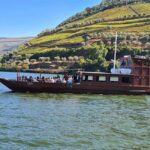
Now for the river’s practical past: barcos rabelos. These traditional Douro boats historically transported Port wine barrels between remote vineyards and the lodges and cellars in Vila Nova de Gaia. The story matters because it explains why the river was once the only efficient transport route.
You’ll hear about the risks too. Before dams, the Douro’s currents could be treacherous, and the river narrowed into more dangerous channels. Sailing required experienced crews—so this wasn’t leisurely tourism. It was logistics under pressure, done with skill.
There’s also a clear end point in the narrative: after the railway line expanded, the last voyage for Port wine transport is thought to have been around 1964. That timeline makes the modern city feel sharper—wine still matters, but the methods changed.
From a passenger’s view, the rabelo theme is a reminder that you’re gliding on the same artery that once delivered barrels at risk and at speed. It’s one of the moments that turns the cruise from scenic to memorable.
Electric tram museum context: small Porto details with big payoff
You’ll also pass by the Museu do Carro Electrico area, tied to electric cars and the history of rail-based public transport in Porto. The museum was founded in 1992, and it’s housed in a former Massarelos Thermoelectric Central built in 1915 to power electric vehicles that circulated in the city.
Even if you’re not stepping inside, the cruise framing helps you notice a theme: Porto’s development wasn’t just about bridges and wine. It was also about energy and movement—electric transport, industrial power, and the systems that made the city modern.
A useful bonus from the cruise context: the trams have an interior design feel from the early 20th century—wood and iron—plus a detail where seat backs can move so you can face the direction you want during the journey. If you like history that you can see and touch later, this stop is a good lead-in to spending more time exploring Porto on your own after the cruise.
Wine tasting, snacks, and comfort tips for sunset cruising
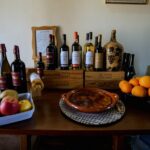
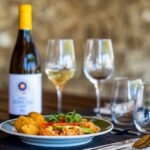
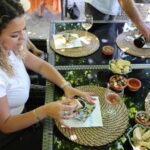
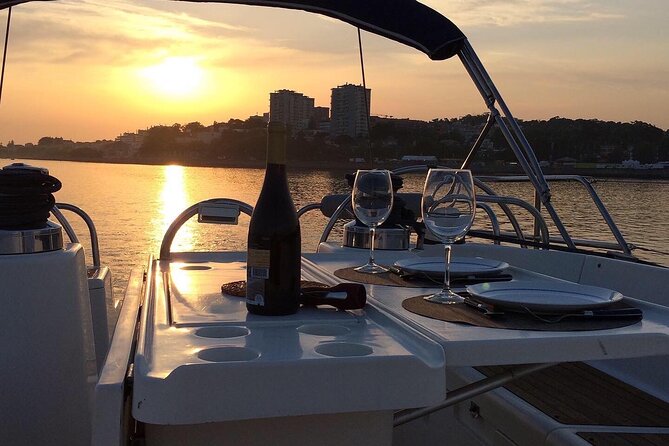
The tour’s name isn’t just marketing. You’ll get wine tasting with food, and the tone is relaxed—more like a pleasant pause than a formal seminar. Many departures include tasting with snacks, and several experiences mention tawny port as part of the pour.
If you enjoy tasting, this is a good way to get oriented without buying a full bottle too early in your trip. And if you want to go further, some cruises note that you can purchase additional drinks on board. That gives you control: taste included, spend optional.
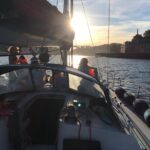
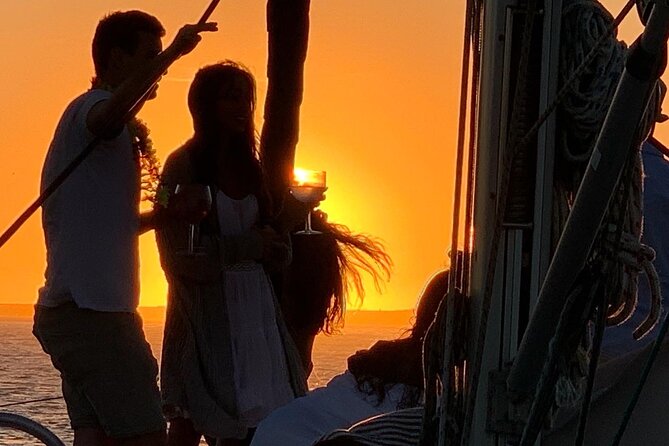
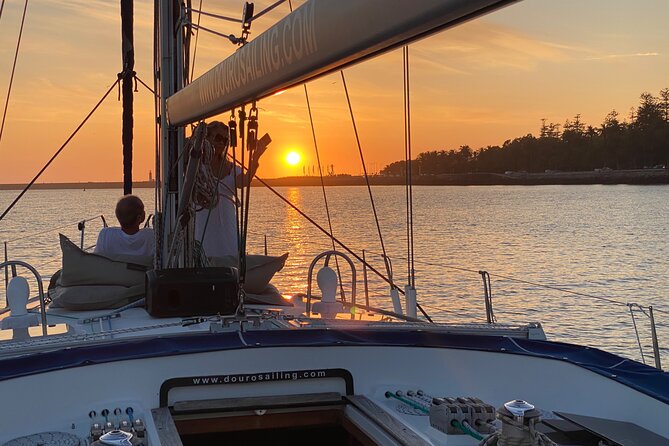
Comfort is also part of the value. On cooler evenings, blankets may be provided, which means the sunset segment stays comfortable instead of turning into a shivering stopover. Music may also be part of the vibe on some sailings, but the main soundtrack is still water and bridge views.
Practical advice: wear shoes you’re fine stepping around in, keep a light jacket handy, and bring a phone or camera strap. On a moving boat, small friction becomes big annoyance fast.
Group size, guide style, and how to get the most out of the commentary
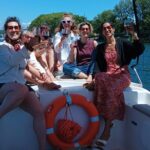
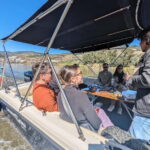
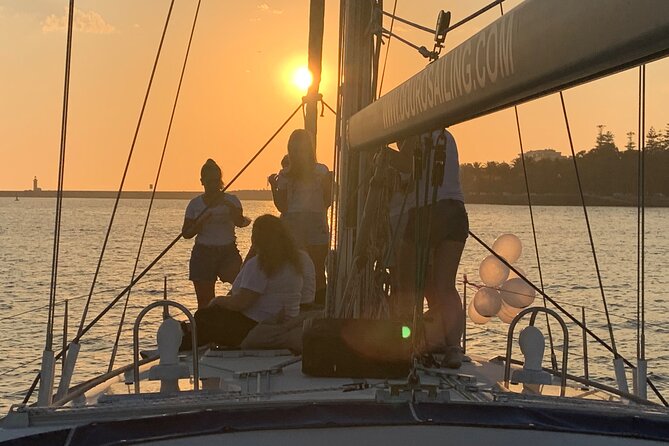
This is a max 10 travelers experience, and that small size shows in the reviews you’ll find yourself agreeing with—especially if you like human interaction. When the group is tight, it’s easier to hear the guide and ask a question without feeling like you’re interrupting a lecture.
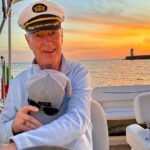
Crew names that show up in real experiences include Inês as a guide and Antonio (often Captain António) as the captain. On the best cruises, the guide ties landmarks to context and also adds practical advice for what to do next in Porto.
That said, there’s one potential mismatch to flag. A minority of experiences mention feeling that the cruise was a bit quiet, with limited explanation at certain landmarks, and that the pacing could feel long if you were expecting constant narration. If you prefer constant talk, aim for a departure with good weather when the crew can keep momentum—and don’t be shy about asking, What are we passing right now?
In general, the tour works best when you treat it like a guided stroll on water: you look, you listen, and you let the city unfold at a slower speed.
Price and value around $44.22 for a guided river cruise
At about $44.22 per person for roughly two hours, you’re paying for three things at once:
- time on the water in Porto’s signature setting
- guided commentary connected to landmarks (not just random facts)
- tasting plus snacks, so it feels like an experience, not transportation
This is good value compared with tours that only point at buildings. On this cruise, the boat is the viewing platform, the guide is the interpretation, and the tasting is the break that justifies the cost.
There’s also a hidden value: weather flexibility matters. The experience requires good weather, and if it’s canceled due to poor conditions, you should be offered a different date or a full refund. For short experiences like this, weather risk is real, so this kind of safety net is worth paying attention to.
One more value note: because it’s booked fairly ahead (around 19 days on average), choosing your time matters. If you’re targeting sunset, grab a slot earlier rather than hoping.
Should you book Sail, Sip & Savor on the Douro?
Yes, I think this is a smart booking for many first-timers in Porto—especially if you want a scenic, relaxed way to see Porto and Gaia without hours of walking. I’d book it if you:
- want wine tasting built into the trip
- enjoy short guided experiences with standout local names like Inês and António
- like bridges, waterfront neighborhoods like Ribeira, and river stories like the rabelos history
I’d hesitate if you’re ultra sensitive to weather changes or you need constant commentary to stay engaged for the full time. In that case, plan for layers, bring patience, and lean into the fact that the Douro can change the mood quickly.
If you’re deciding between this and a longer, bigger “bridge marathon,” this is the calmer option. For many trips, that calm is the best souvenir.
FAQ
How long is the Douro Boat Tour with Wine Tasting?
It lasts about 2 hours.
What is the price per person for this tour?
The price is $44.22 per person.
Where is the meeting point, and where does the tour end?
You start at Marina da Afurada, R. da Praia 430, 4400-554 Vila Nova de Gaia, Portugal, and the activity ends back at the same meeting point.
Is the tour offered in English?
Yes, the tour is offered in English.
What is the maximum group size?
This activity has a maximum of 10 travelers.
What happens if the weather is poor?
This experience requires good weather. If it’s canceled due to poor weather, you’ll be offered a different date or a full refund.
Can I cancel for a full refund?
Yes. It’s free cancellation, and you can cancel up to 24 hours in advance for a full refund.