REVIEW · REYKJAVIK
Reykjavik: Whale and Puffin Watching RIB Boat Tour
Book on GetYourGuide →Operated by Elding Adventure at Sea · Bookable on GetYourGuide
Speed, salt spray, and Iceland’s seabirds up close. This RIB boat tour from Reykjavík’s Old Harbour is built for getting you nearer to wildlife, with a marine biologist guide who helps you read what you’re seeing. I also like the tight small-group setup (up to 12 people), which keeps attention on spotting rather than shuffling around. One thing to consider: it’s a fast, windy ride on open water, so you’ll feel the cold if you don’t layer up the right way.
I like that the schedule isn’t just about “time on the water.” You start near central sights—so even the ride out has value—and you spend the best part of the tour searching wider areas, including heading toward islands for puffins in their natural surroundings before going farther for whales and dolphins. The return trip also brings water-level city views, including Harpa. I’d just plan ahead for two practical gaps: there are no toilets onboard, and there’s no food provided.
In This Review
- Key things that make this tour worth it
- RIB Power From Old Harbour: What the first minutes feel like
- Wildlife spotting with real marine guidance (and named experts)
- Puffins on islands: when you trade city views for bird reality
- Harpa Concert Hall and Sun Voyager from water level
- Whales, dolphins, and the reality check of ocean watching
- Staying warm and comfortable on a fast RIB ride
- How the 2-hour timing works (and what you might miss)
- Photos after the tour: getting the proof without losing the moment
- Price and value: is $191 worth it?
- Who should book this (and who should skip it)
- Should you book this Reykjavík RIB whale and puffin tour?
- FAQ
- What animals can I expect to see on this tour?
- When is puffin season?
- How long is the tour?
- Where do I meet the tour?
- What warm clothing and safety gear are included?
- Is food provided or are there toilets onboard?
- Is the guide speaking English?
- What are the age and height requirements?
- What is the weight limit?
- Is cancellation free?
Key things that make this tour worth it
- Small group (max 12): easier spotting and more time for real questions.
- Marine biologist guidance: you’re not just watching—you’re learning what matters and why.
- RIB maneuverability: the boat can work in tighter spots and search broader areas than big vessels.
- Puffins on islands: a chance to see them in context, not only from offshore.
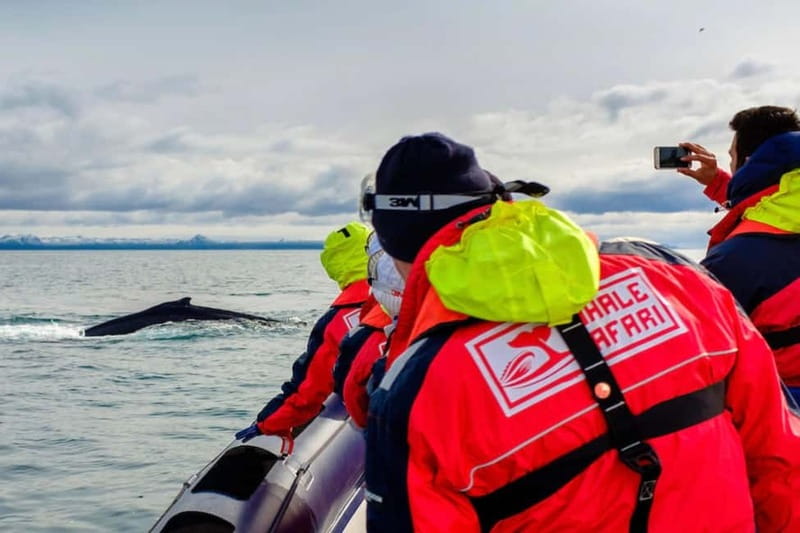
- Warm gear provided: overalls, gloves, and goggles help you stay in the action.
- Photos shared after: the crew captures images you can get later, so you don’t miss everything hunting your own shots.
RIB Power From Old Harbour: What the first minutes feel like
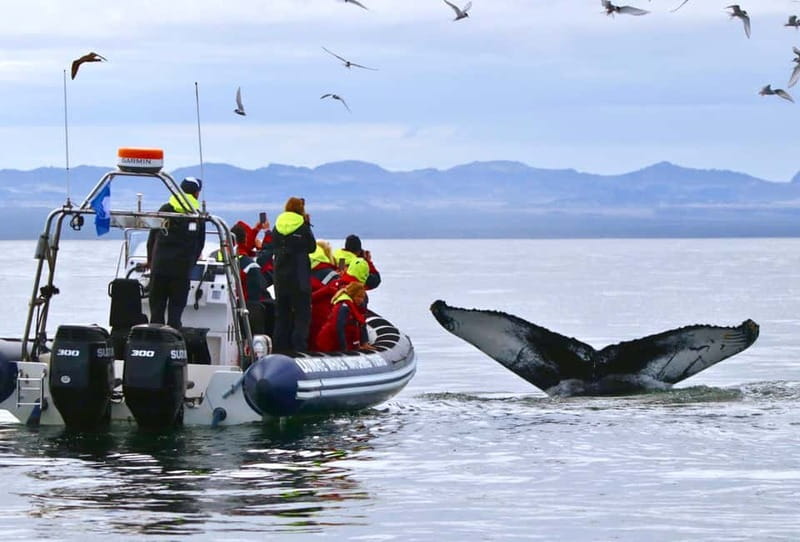
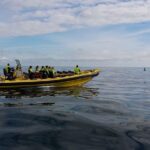
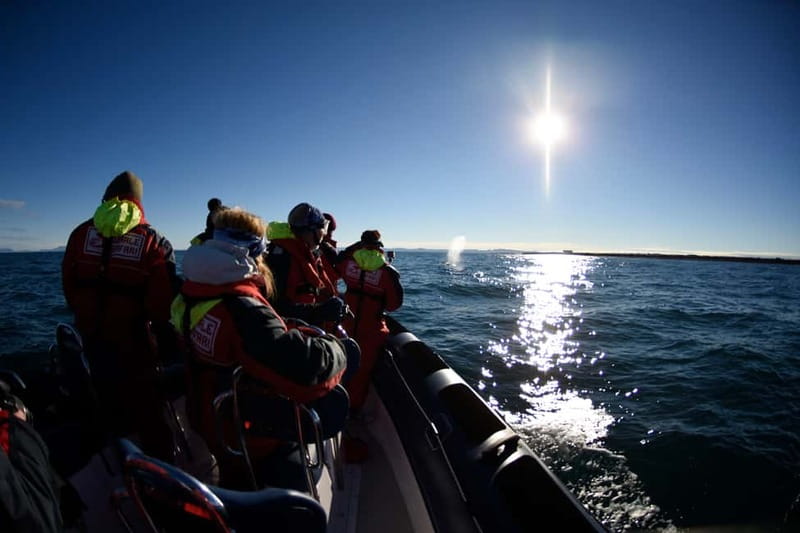
This tour starts at the ticket office at Reykjavík’s Old Harbour, and from the start you feel the difference between a sightseeing cruise and a working wildlife boat. You’re on a specially engineered RIB built to move fast and handle choppy conditions while keeping passengers comfortable enough to stay engaged. It’s not a slow drift where you admire the view and hope for a lucky sighting.
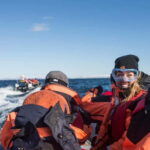
Before you go far, you’ll get the weather kit that makes or breaks your experience in Iceland: warm overalls, gloves, and goggles. Even if you’re used to cold travel, standing on open water with wind in your face is a whole different game—these pieces help you stay outside and watch, rather than constantly retreating into your jacket.
You’ll also want good hiking shoes. Not because you’re hiking, but because you’re on a boat deck that can feel slick and busy right before departure. I’ve seen the best outfits fall apart when shoes weren’t up to the conditions.
You can also read our reviews of more tours and experiences in Reykjavik.
Wildlife spotting with real marine guidance (and named experts)
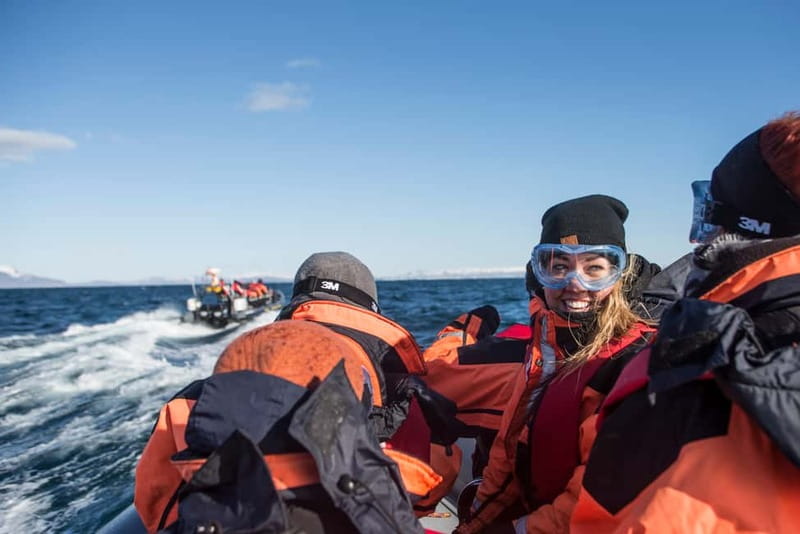
The biggest upgrade here is the guide. You’re not stuck with generic commentary about whales in general—you get trained instruction tied to what the boat is doing and where it’s heading. Several guides have marine-biologist backgrounds, and you’ll hear that expertise show up in how they explain behavior, not just species names.
In past seasons, I’ve seen guide names like Max (described as a marine biologist), Kylie, Emily, Matt, Mike, and Marie mentioned in connection with thoughtful spotting and clear explanations. Even when you don’t get the exact same person, the format stays the same: you get guidance that helps you notice clues like surfacing patterns, seabird activity, and the kind of water where animals feed.
This matters because whale and seabird watching isn’t a theme-park guarantee. The ocean changes. Water depth, wind, and animal movement all affect what you see. A guide who understands how marine life uses space and time can make the trip feel purposeful—even on days when sightings aren’t constant.
Puffins on islands: when you trade city views for bird reality
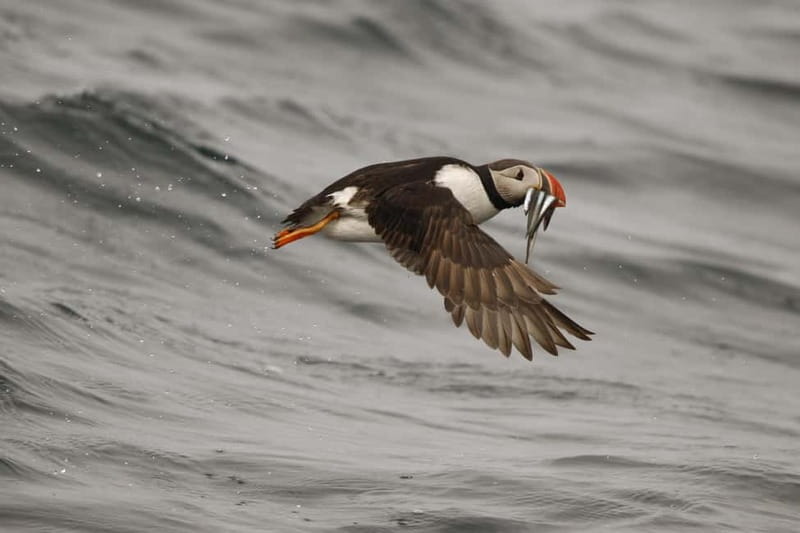
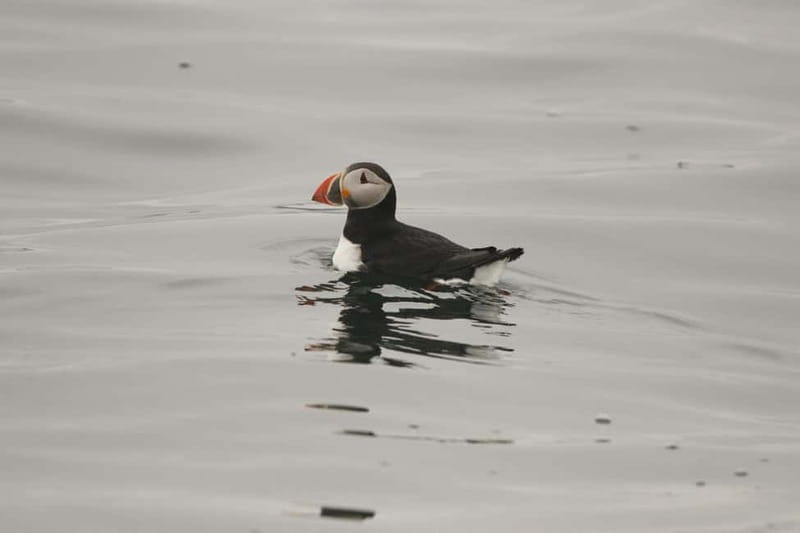
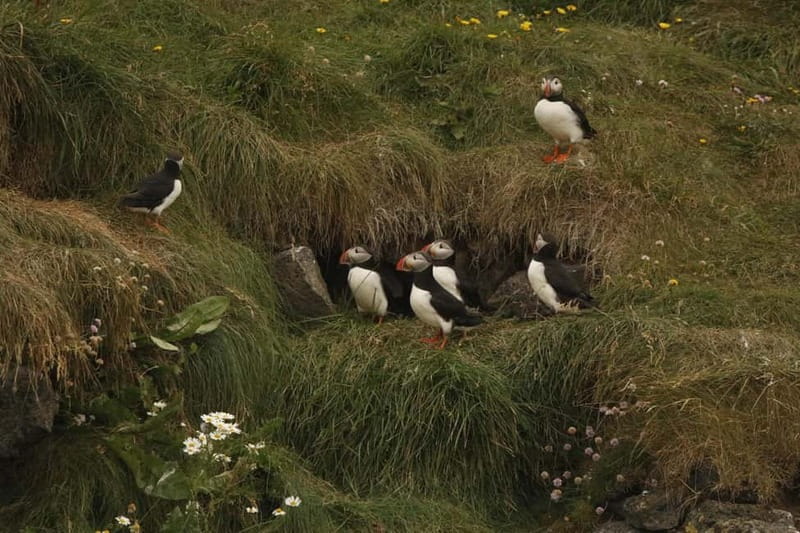
The tour’s structure gives puffins their own moment. After leaving Reykjavík, the boat heads toward islands where you can see puffins in their natural surroundings. This is the part that feels most grounded. You’re not just scanning horizons; you’re looking at seabirds as part of a real ecosystem—places they nest and move around in.
Timing is seasonal. The puffin run is listed for the period starting 20 April, and it’s strongest through the summer months (the information provided points to mid-August as the typical end window). If you’re traveling in late April through August, you’re in the right season to aim for puffins.
Here’s a practical tip: puffins often feel easier to track once the boat slows down and you can focus, so don’t treat this as a quick photo stop. Watch first, then shoot. You’ll understand what you’re looking at faster if you pause for a few seconds and let your eyes adjust to the movement.
Also, puffins can be busy and fast. Keep your gear ready, but keep your focus on the bird, not on the screen. The best moments often come when you realize you already spotted the action.
Harpa Concert Hall and Sun Voyager from water level
Even if your main goal is wildlife, the ride itself has a solid sightseeing backbone. On the way back along Reykjavík’s shores, you pass iconic landmarks from a different angle, including Harpa Concert Hall and the Sun Voyager sculpture.
Seeing Harpa from the water changes it. From the street it can feel like a building you need to walk up to. From the sea it becomes a glowing backdrop, and you see how Reykjavik sits against the coast. It’s a nice reminder that this tour isn’t a one-thing-only gamble; there’s city beauty in the mix even if the ocean decides to be moody that day.
If you like “two-for-one” days—wildlife plus a few high-impact sights—this design works in your favor. A lot of whale watching is just a straight hunt with a long return. This one gives you a skyline view as part of the experience flow.
Whales, dolphins, and the reality check of ocean watching
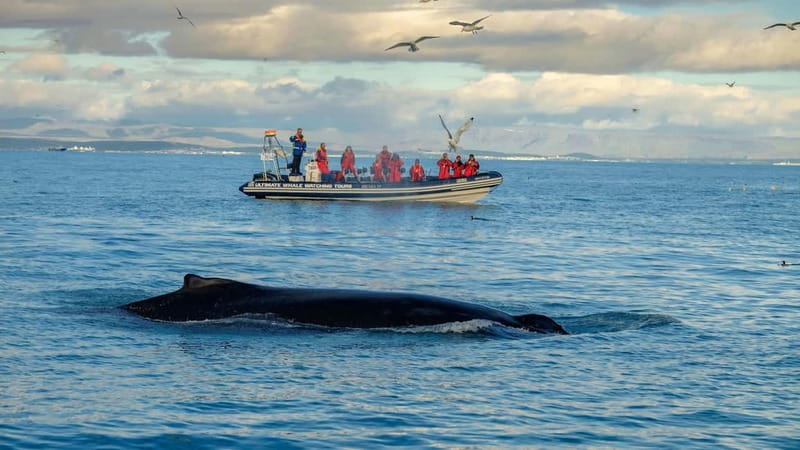
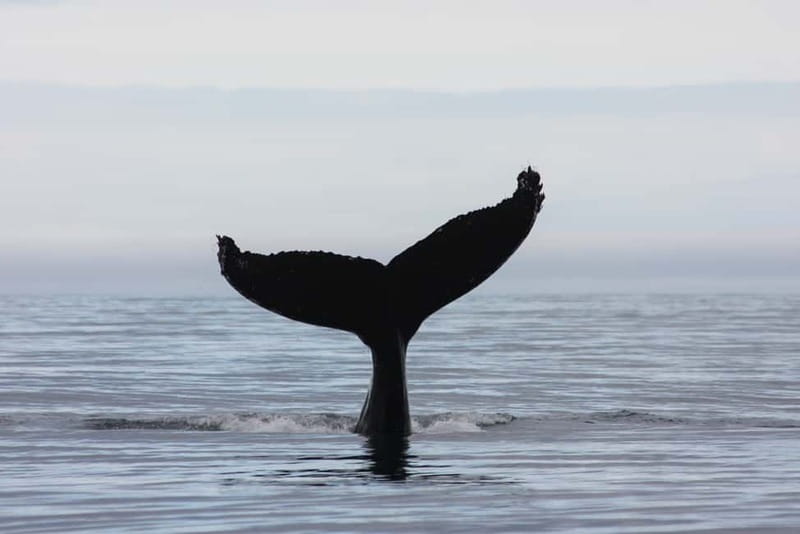
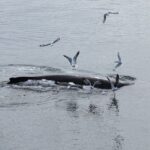
The tour increases your odds with boat choice and search patterns. You’re on a stable craft that can search in larger areas than bigger vessels, and it’s built to maneuver closer when conditions allow. In practice, that means your crew can respond when wildlife shows up, rather than being stuck with a slow, rigid route.
Between late April and August, the goal is to spot whales and also look for dolphins. Some days are headline days. Other days are more about variety: seabirds, smaller whale species, and bursts of animal activity rather than one big whale moment.
This is also why I like the tour’s “islands first, then farther out” rhythm. Puffins are often the reliable anchor in the season. Once you’ve checked that box, the boat goes farther in search of whales and dolphins. Even if you don’t get a full whale show, you’re not short on wildlife time.
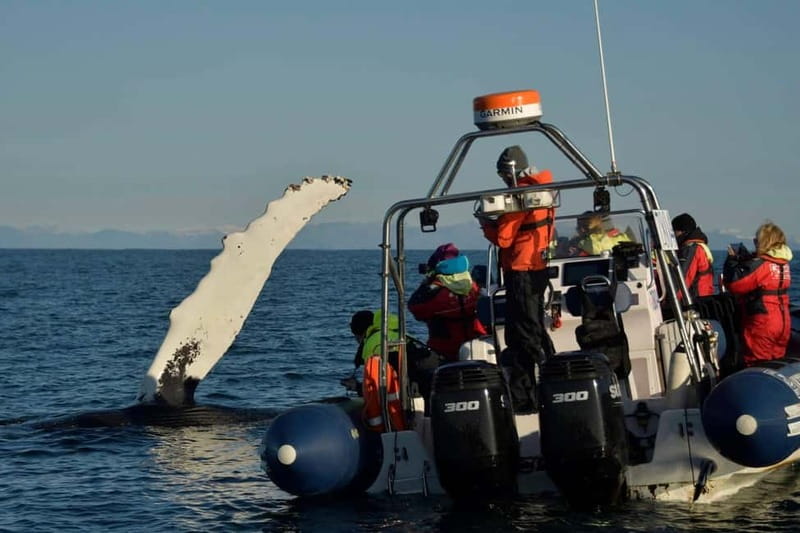
One more thing: some whales and dolphins can come close enough that you feel the excitement in the water around you—people describe close passes where you hear surfacing sounds. That’s exactly what a RIB’s agility is for. Just remember: wildlife is wild. You’re there to watch, not to control.
Staying warm and comfortable on a fast RIB ride
This is the part that decides whether you end the tour happy or grumpy. The good news: you’ll be given warm overalls, gloves, and goggles. The even better news: you don’t have to guess the right gear yourself. The not-so-fun news: the boat is fast, and wind makes cold sneak in fast.
Pack for layered cold weather:
- Start with warm base layers you can keep on all day.
- Add a proper mid-layer if you run cold.
- Wear warm footwear with decent grip (you’re asked to bring hiking shoes).
- Bring sunglasses if you like them, even though goggles are provided (wind is strong and light can bounce off the sea).
One review-style lesson from experience: you might find that you feel hot before departure, then cool down quickly once you’re out. That’s normal. The boat motion and wind chill change the temperature curve.
You should also know what’s not allowed: high-heeled shoes aren’t permitted. Wear practical footwear. Iceland is not the place to test your fashion choices on a moving deck.
How the 2-hour timing works (and what you might miss)
The tour lasts about 2 hours and returns to the Old Harbour meeting point. Two hours sounds short until you’re on the water in wind and spray. Then it feels just right—long enough to hunt for multiple wildlife areas and still not so long that you spend your whole trip shivering.
The pacing also matters. You don’t just leave and hope. You go out, work toward puffins on islands, then go farther in search of whales and dolphins, and finally return along Reykjavik’s coast with city views. It’s structured for the way animals actually show up: in phases, not on a neat timetable.
The one drawback of a short tour is that there’s less time to “wait it out.” If the ocean is quiet in your specific area, the guide will try other spots, but the window is limited. That’s not a failure; it’s the nature of marine wildlife watching.
Photos after the tour: getting the proof without losing the moment
A nice touch is that the crew takes pictures during the ride and shares them afterward. Many trips in this category stop at “good luck with your camera.” This one gives you a safety net: you can end up with solid images even if your hands were busy holding your phone in wind or you were busy watching the real thing.
You should expect these images to arrive after the tour, and you may also get a summary of what was seen. That’s useful if you want to review details later—what species you likely saw, what behaviors you noticed, and where the boat spent time.
Bring a charged phone or camera for your own shots too. But don’t feel pressured to document everything. With the crew photos available, you can focus on watching.
Price and value: is $191 worth it?
At $191 per person, this isn’t a cheap add-on. The value comes from three areas you can actually feel during the experience:
First: boat experience. A RIB lets you be close and move fast when wildlife shows up. That closeness isn’t a marketing word here; it’s part of what people describe as the fun of the trip.
Second: the guide. Having a trained guide (including marine-biology backgrounds on the staffing) turns “spotting” into interpretation. When you understand behavior, you remember the trip longer.
Third: gear included. Warm overalls, gloves, and goggles reduce the friction of dressing for conditions. You’re not stuck paying for or sourcing specialty cold-water gear at the last minute.
Is it still a wildlife hunt with no 100% guarantee? Yes. You’re paying for a high-quality search method, not a factory-produced outcome. If you want that kind of gamble, and you’re in the season, the setup feels fair.
If you want a guaranteed “see whales no matter what” experience, look elsewhere. But if you want the best chance plus real guidance plus a fun ride, this price starts to make sense.
Who should book this (and who should skip it)
This tour fits best if you:
- Are traveling in late April through August and want puffins plus a shot at whales and dolphins.
- Like active sightseeing and don’t mind wind-chill conditions.
- Want expert commentary and a small-group setup (up to 12 participants).
- Are comfortable with a fast RIB ride and can stay steady on a boat deck.
It may not fit you if you:
- Are under 10 years old or under 145 cm (height limit).
- Are pregnant. (This tour is listed as not suitable.)
- Have mobility impairments. (Not suitable for that.)
- Are over 75 years old.
- Are over the weight limit of 140 kg.
- Hate cold air, even with provided layers.
If you’re in the right age/fitness range, this is one of those trips that can become a highlight day because it mixes city sights with serious wildlife time.
Should you book this Reykjavík RIB whale and puffin tour?
I think you should book if your priority is getting the best odds in the right season, and you want a trip that feels like more than a checklist. The combination of RIB closeness, marine-biologist style guidance, and included cold-weather gear makes the experience easier to enjoy than many “on the water, good luck” options.
Hold off if you’re worried about cold wind, you need toilets onboard, or you’re looking for a guaranteed whale encounter. This is wildlife. Some days are louder than others.
If you decide to go, plan to dress like the sea matters (because it does). Use the gear provided, wear proper shoes, and don’t rush your eyes. The best spotting moments often come after you stop scanning and start watching.
FAQ
What animals can I expect to see on this tour?
The tour is designed for spotting whales and puffins seasonally, and it also looks for dolphins. Puffins are part of the experience during the puffin season, and the boat goes farther out for whales and dolphins after the island portion.
When is puffin season?
The provided information lists puffin season as starting 20 April and running through the summer, with the season dates given as 20 April to 15 August in one place and 20 April to 20 August in another. Plan for the late April to mid-summer period for the best shot.
How long is the tour?
The tour duration is about 2 hours.
Where do I meet the tour?
Meet at the ticket office at Reykjavík’s Old Harbour. The activity ends back at the meeting point.
What warm clothing and safety gear are included?
Warm overalls, gloves, and goggles are included, along with all necessary safety equipment. The boat is operated by a fully certified RIB boat captain.
Is food provided or are there toilets onboard?
No. There are no toilets on board, and food is not included.
Is the guide speaking English?
Yes. The live tour guide provides English commentary.
What are the age and height requirements?
The minimum age is 10 years, and there is a minimum height requirement of 145 cm. The tour is not suitable for children under 10.
What is the weight limit?
The maximum weight limit is listed as 140 kg.
Is cancellation free?
Yes. The tour offers free cancellation up to 24 hours in advance for a full refund.
If you tell me your travel month and whether you’re most excited about puffins or whales, I can help you pick the best kind of timing for your day in Reykjavík.