REVIEW · REYKJAVIK
Reykjavik: Whale and Puffin Watching RIB Boat Tour
Book on GetYourGuide →Operated by Elding Adventure at Sea · Bookable on GetYourGuide
RIBs in Iceland feel like flight. This 2-hour Reykjavik tour is built for serious wildlife spotting, with a marine biologist on board and a fast, maneuverable RIB boat that can search closer to where the animals feed. I love getting real talk from guides like marine-biology staff Maya or Max, not just a drive-by explanation of what you might see.
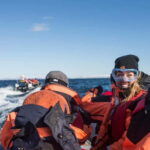
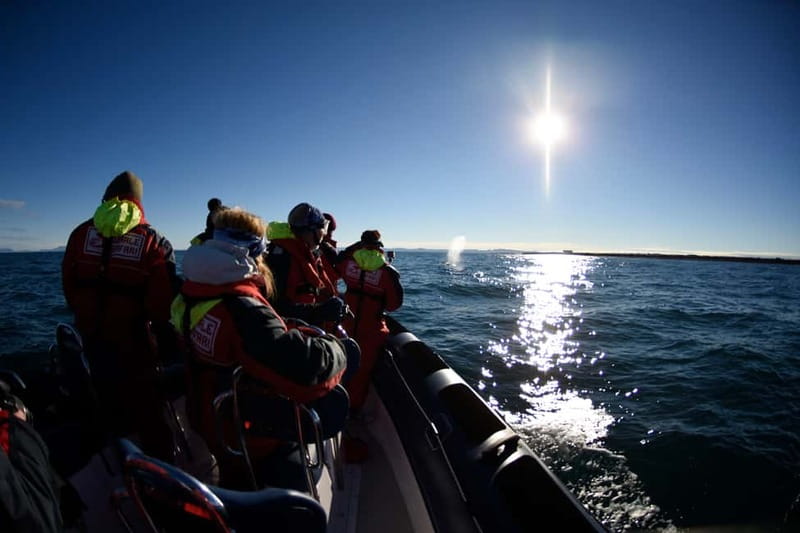
I also love the way the company sets you up for the conditions: you get warm overalls, gloves, and goggles, so the cold and spray don’t ruin the experience. The best part is how you can chase whales and puffins while still getting a proper sightseeing moment, too, sailing past Harpa Concert Hall and the Sun Voyager sculpture. One drawback: expect a ride that is wet, windy, and bouncy—this isn’t a calm cruise.
In This Review
- Key Things That Make This RIB Whale and Puffin Tour Worth It
- From Old Harbour to Open Water: The 2 Hours in Real Life
- Why a RIB Changes Your Whale-Watching Odds (Close Is the Whole Point)
- Puffins on Their Terms: What the Island Stop Feels Like
- Whales and Dolphins Further Out: How the Crew Finds Targets
- Reykjavik Views From the Water: Harpa and Sun Voyager Aren’t an Afterthought
- Gear That Actually Works: Staying Warm When You’re Getting Sprayed
- Price and Value: Is $200 for Two Hours Fair?
- Who Should Book This RIB Tour (and Who Should Skip It)
- Should You Book This Reykjavik Whale and Puffin RIB Tour?
- FAQ
- When does the puffin season run on this tour?
- When does the tour operate during the year?
- Where do I meet for the tour?
- What’s included in the price?
- Will I be able to use the restroom and buy food on board?
- What should I wear or bring?
- Is this tour suitable for kids, pregnancy, or mobility limits?
Key Things That Make This RIB Whale and Puffin Tour Worth It
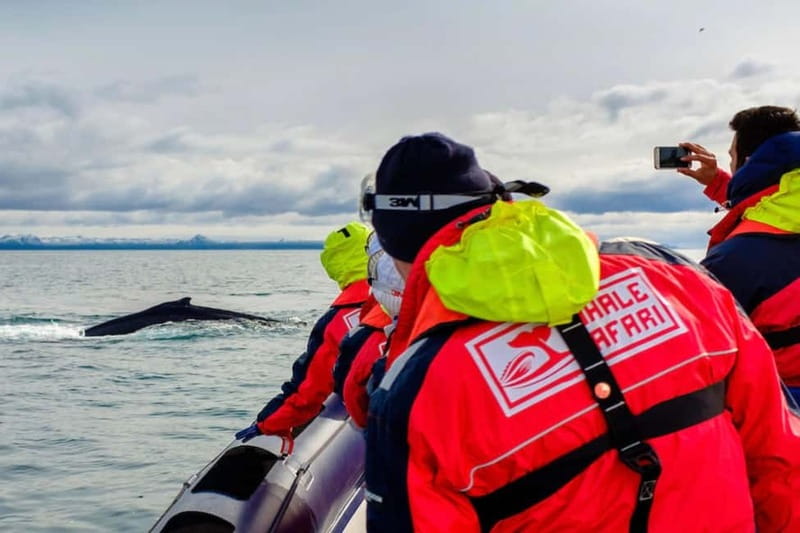
- Marine biologist-style guidance in English helps you understand what you’re seeing out there
- Small group limit (12 people) keeps the experience from feeling like a cattle call
- Warm, waterproof gear is provided so you can focus on spotting wildlife instead of layering forever
- A nimble RIB boat reaches closer than larger vessels can, improving your odds
- Puffins are seasonal (late April through spring-to-summer), so timing matters
- No onboard toilets and no food means you’ll want to plan your timing before you go
From Old Harbour to Open Water: The 2 Hours in Real Life
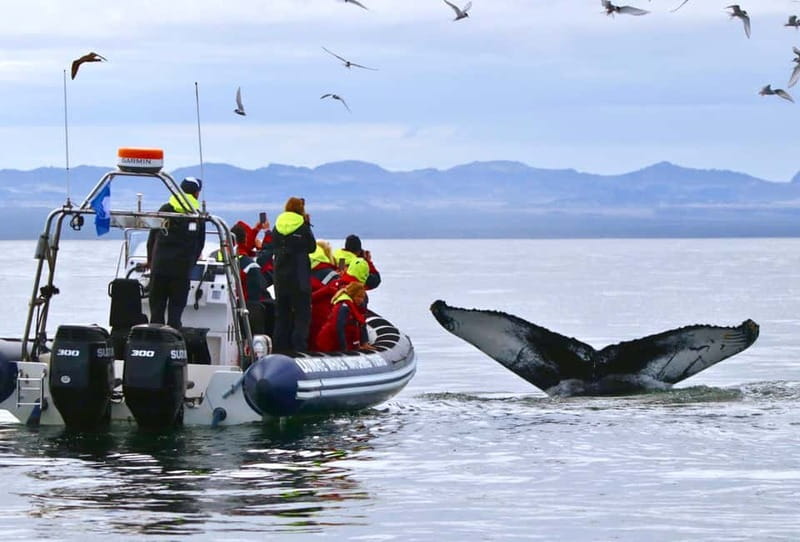
Most people start their Reykjavik sea day at the Old Harbour, meeting at the ticket office with enough time to check in before departure. The experience is short on purpose. Two hours sounds quick until you’re out on the water, where spotting whales and puffins depends on what the ocean is doing that day.
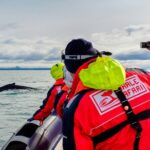
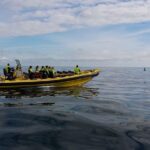
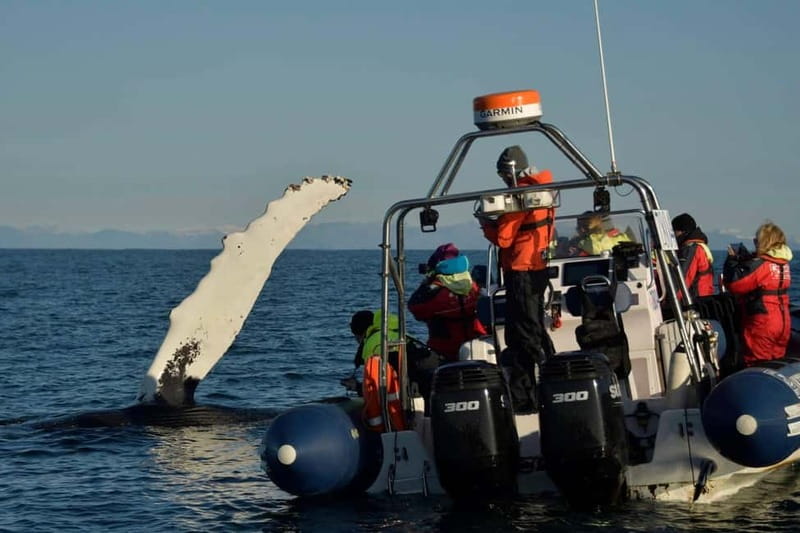
Once you’re in the RIB, the vibe shifts fast. This is a sportier ride than you’d get on a bigger whale-watching ship. You’ll feel speed, wind, and wave motion—exactly the reason the boat can get into positions that larger boats can’t. It’s not just adrenaline for adrenaline’s sake. That maneuverability helps the crew search a larger area without wasting time.
There’s also a built-in “Reykjavik from the water” payoff on the way back. Sailing along the shoreline gives you a different view of the city skyline, and Harpa Concert Hall looks especially dramatic when you’re watching it from sea level.
You can also read our reviews of more tours and experiences in Reykjavik.
Why a RIB Changes Your Whale-Watching Odds (Close Is the Whole Point)
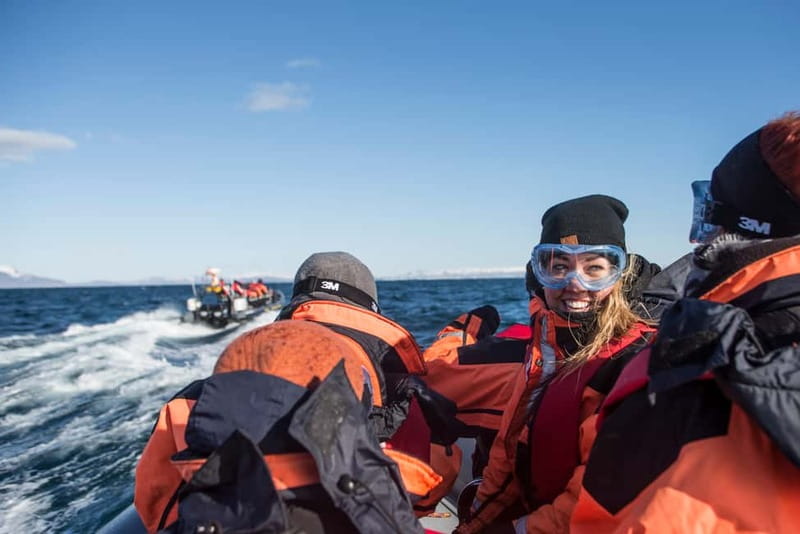
If you’ve ever watched a whale from far away, you know the frustration: you spot a spout too late or you only catch the tiniest glimpse before the animal moves on. A RIB tour is designed to shorten that gap.
Here’s how it helps in practical terms:
- The boat is stable enough for wildlife searching while still light and quick.
- The captain can maneuver closer to whales and puffins when conditions allow.
- The crew can cover more water in the same time to increase the chance of sightings.
And yes, you might get truly close moments. Guests describe humpbacks surfacing near the boat or even swimming underneath, and they talk about puffins and dolphins showing up in ways that feel almost too good to be true. That’s not a guarantee. But the boat choice matters because it gives the crew more options when the ocean cooperates.
Also note the trade-off: when a RIB is moving fast, your best photos might come from your memory rather than your camera. People still take pictures, but the motion is real, especially when the water gets rough.
Puffins on Their Terms: What the Island Stop Feels Like
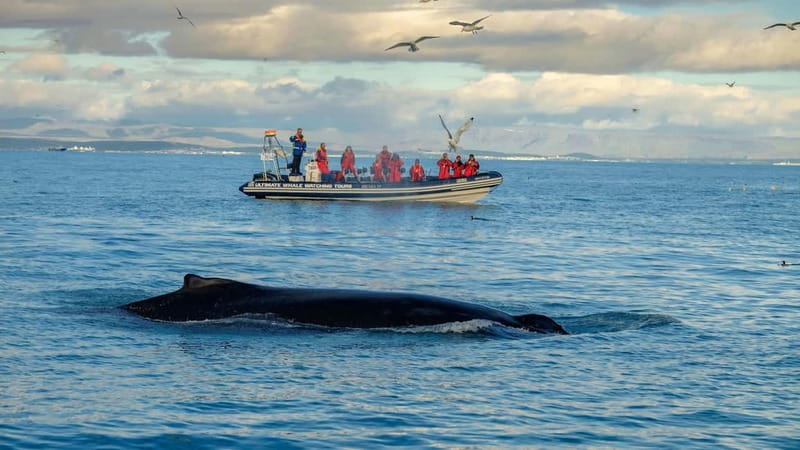
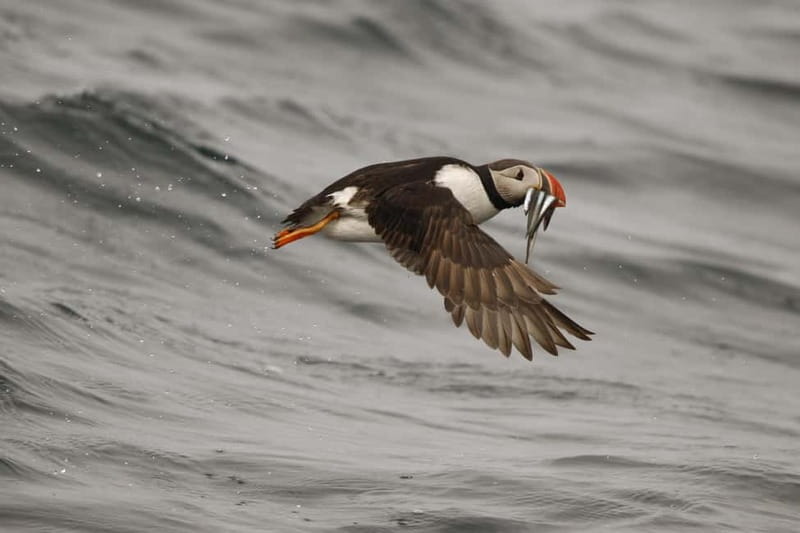
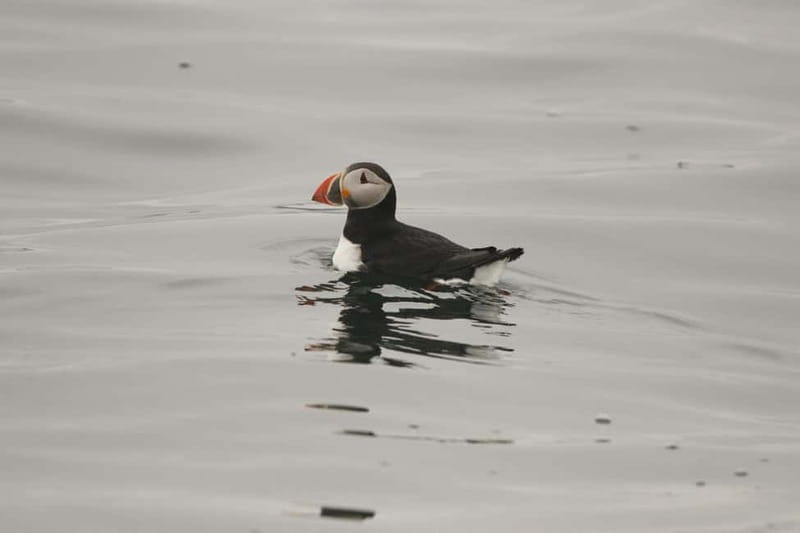
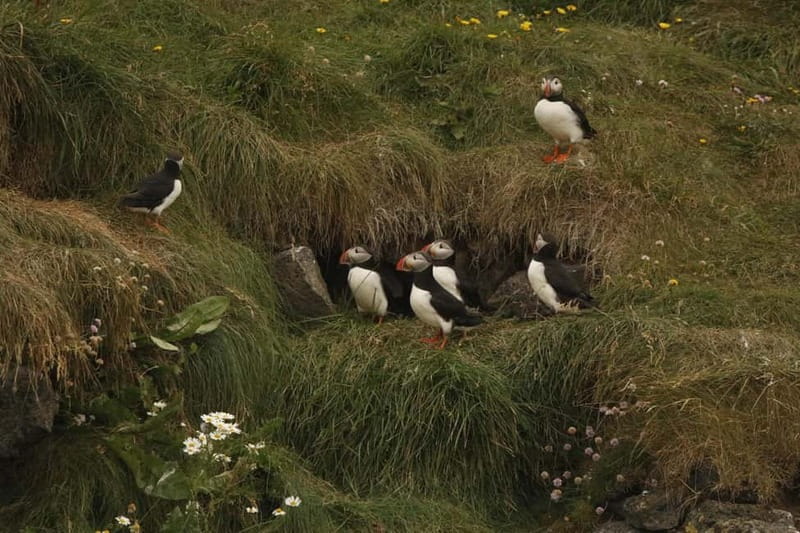
Puffins are why a lot of people book early in the season, and this tour is timed for that reality. Puffin activity runs from 20 April into summer, with the puffin window listed as late April to mid-August and also noted up through August 20. In plain terms: if you go after the core season, you might see fewer puffins or find that they’re harder to spot.
During the puffin part of the trip, you head out toward islands where they nest and feed. The goal isn’t to “chase” birds like a parade float. It’s to get you into the right area so you can watch them in their natural setting while the crew works the route.
What to look for:
- Quick flutters and sudden dips near rocky areas
- Puffins popping in and out as they return with food
- Seabirds gathering because the sea is productive
The biggest tip is mindset. You’re not controlling the puffins. You’re working the conditions with the crew. If the birds are farther out that day, you’ll feel it—but you’ll still get plenty of Iceland sea views, and the whale portion later in the tour can be the real highlight.
Whales and Dolphins Further Out: How the Crew Finds Targets
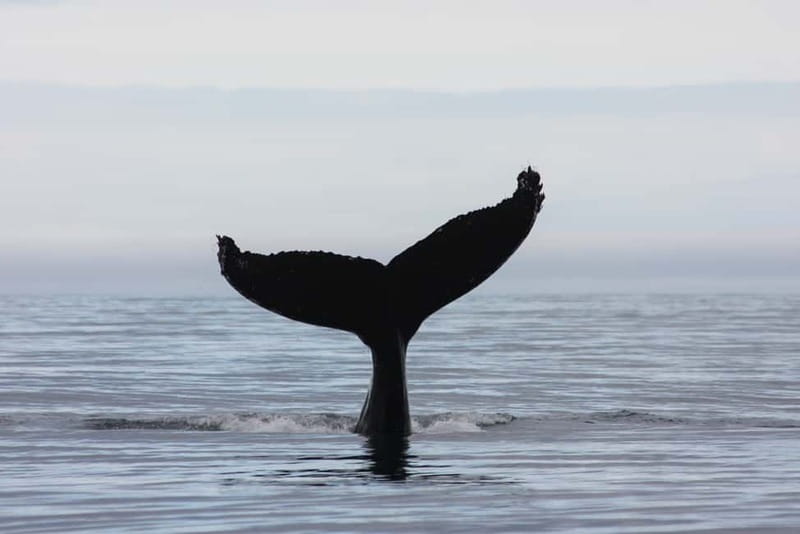
After the puffin island time, the tour pushes out further in search of whales and dolphins. This is where the marine-biologist-style guidance can really pay off.
The guides explain what you’re likely seeing—feeding behaviors, common species patterns, and how to interpret surfacing direction. Guests in the past have credited guides such as Maya, Emily, Kylie, and Max for connecting the sightings to wildlife behavior instead of just naming animals.
In the water, you’ll often be scanning for:
- Spouts and breathing surfacings
- Short bursts of activity (jumps, fast turns, or quick dives)
- Dolphins using the boat route like a moving landmark
Common species mentioned in past sightings include minke whales and humpback whales, along with dolphins and other marine life. Some days are whale-heavy and fast-paced. Other days are more about dolphins and seabirds, with whales appearing later or less frequently.
That’s why a small, search-capable boat matters. The crew can adjust quickly, and they’re not stuck on one slow route. It increases your chance of seeing something meaningful within a tight timeframe.
Reykjavik Views From the Water: Harpa and Sun Voyager Aren’t an Afterthought
A lot of whale tours treat city sights as a quick look-see. This one treats them as part of the experience.
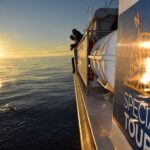
On the way back, you’ll sail along the Reykjavik shoreline and catch skyline views you won’t get from the sidewalk. Harpa Concert Hall stands out from the water because you see its shape, angles, and scale in motion. The Sun Voyager sculpture also gets spotlight time when you approach the harbor area again.
Even if wildlife is the main reason you booked, the return cruise is a nice reset. You get a few minutes to cool down, dry out a bit, and let the day sink in—especially if the first half was exciting and loud with wind.
Gear That Actually Works: Staying Warm When You’re Getting Sprayed
Cold water plus wind plus speed equals a specific kind of discomfort. The good news is this tour hands you what you need: warm overalls, gloves, and goggles, plus safety equipment.
Based on what people describe, these are not symbolic “bring your own jacket” provisions. Guests specifically note that the provided suits help, and many mention being very glad for the gloves and water-repellent outerwear. You’ll still get wet—this is a sea adventure in Iceland, not a park exhibit. But the gear can keep the chill from turning your day into a survival test.
A few practical comfort tips that come up again and again:
- Wear hiking shoes with grip, not slick footwear.
- Dress for wind. Even if you feel warm before you go, you’ll cool quickly once you’re moving.
- If you’re sensitive to water spray, bring extra layers you’re comfortable getting damp.
Also, high-heeled shoes aren’t allowed, so plan your footwear like you’re walking on uneven harbor ground first, and then dealing with wet gear second.
One extra comfort detail from past guests: people talk about seats with some kind of spring absorption, which matters when the ride is bouncy. It won’t make the ocean flat. It just helps your body take the bumps without feeling wrecked.
Price and Value: Is $200 for Two Hours Fair?
At about $200 per person for a 2-hour outing, this isn’t a budget activity. The value comes from three things that are hard to fake:
1) Gear included. Warm overalls, gloves, and goggles are provided, which can save you the hassle (and cost) of finding the right sea-weather kit in Reykjavik.
2) Real wildlife expertise. You’re not just paying for a boat ride. You’re paying for live guidance from trained staff, including marine-biologist backgrounds. That changes how you watch and what you notice.
3) A RIB that searches smart. The boat’s ability to maneuver closer and cover more water in a shorter time is the core reason many people book this style rather than a larger ship.
If you’re the type who would enjoy being out on the water even without whales, this still works as an Iceland experience. But if you’re hoping for guaranteed puffins and guaranteed whale sightings on the first try, you’ll want to adjust expectations. Wildlife is wildlife, and conditions can change fast.
That said, the combination of short duration, small group size, and a crew focused on finding animals makes this price feel aligned with what you’re getting.
Who Should Book This RIB Tour (and Who Should Skip It)
This is a great match if you:
- Want a more active whale-watching style than a big ship
- Can handle wind, spray, and a bumpy ride
- Prefer closer wildlife potential over “from far away” viewing
- Like understanding behavior, not just collecting species names
It may be a poor fit if you:
- Need accessibility support for mobility impairments (the tour notes it’s not suitable)
- Are pregnant (not suitable)
- Are traveling with kids under 10, or anyone under 145 cm / 4 ft 8 in
- Fall outside the listed weight and age limits (max weight 140 kg; age cap noted as 75)
If you’re unsure, your best move is to check whether the basic physical requirements match your situation. The tour includes safety equipment, but the boat ride still involves uneven, moving conditions.
Should You Book This Reykjavik Whale and Puffin RIB Tour?
I think you should book it if your travel style matches three things: you like fast, close-to-the-water adventures; you’re okay getting wet; and you want a guide who can explain what’s happening with the wildlife, not just point toward a distant spout.
If your top priority is comfort and stillness, then a calmer, larger-boat option might suit you better. Here, the payoff is closeness and search capability, and that comes with wind and motion. If you can handle that, the day can be unforgettable.
FAQ
When does the puffin season run on this tour?
Puffins are listed as active from 20 April through mid-August (noted as 15 August in one section) and also as running through 20 August in another section. In practice, plan for late April into August for the best chances.
When does the tour operate during the year?
The tour runs from 1 April to 31 October.
Where do I meet for the tour?
Meet at the ticket office at the Old Harbour in Reykjavík. Aim to arrive no later than 30 minutes before the scheduled departure.
What’s included in the price?
You get the 2-hour whale and puffin watching tour, a specially trained whale-watching guide, a fully certified RIB captain, warm overalls, gloves, and goggles, plus all necessary safety equipment.
Will I be able to use the restroom and buy food on board?
No. There are no toilets on board, and food is not included.
What should I wear or bring?
Bring hiking shoes and weather-appropriate clothing, and you’ll need to sign a waiver. High-heeled shoes aren’t allowed.
Is this tour suitable for kids, pregnancy, or mobility limits?
The minimum age is 10 years, and there are height and weight limits (minimum height 145 cm / 4 ft 8 in; maximum weight 140 kg). The tour is not suitable for pregnant women, people with mobility impairments, and children under 10.