REVIEW · TROMSO
Tromsø: Orca and Whale Watching comfort heated boat Trip
Book on GetYourGuide →Operated by Skua Nature Group · Bookable on GetYourGuide
Warm boat, Arctic seas, real whales nearby. This Tromsø to Skjervøy safari is built for whale lovers who also care about photos, with a covered, heated vessel and an active nature guide team. I especially like the combination of stability on the water and wildlife photography support, including shot-planning help once the guides spot movement.
The second thing I like is that the crew doesn’t treat this like a drive-by. With guides such as Philip and Captain Jacob leading the hunt, you’ll get practical advice on where whales are headed and how to angle your camera when sightings happen. One drawback to keep in mind: it’s a long day, with about 4 hours each way on the bus and roughly 3 hours on the water, so pack patience as well as a camera.
In This Review
- Key things I’d prioritize on this trip
- Why a heated boat changes Tromsø whale watching
- The long bus ride to Skjervøy (and how to make it worth it)
- Skjervøy whale watching: what the 3 hours on the water actually feels like
- On the water: terrace views, comfort, and toilet access
- Photography help that doesn’t waste your time
- The crew and guidance style: what makes the hunt feel organized
- Price and value: is $373 a lot for whale watching?
- Weather reality in the Arctic (and how this trip handles it)
- Who should book this orca and whale watching safari
- Should you book Skua Nature Group’s Tromsø orca safari?
- FAQ
- How long is the Tromsø orca and whale watching comfort trip?
- Where do I meet in Tromsø?
- What’s the boat like and do I need special suits?
- Is there Wi‑Fi and a toilet during the trip?
- What languages are spoken during the tour?
- Who is the trip not suitable for?
Key things I’d prioritize on this trip
- Heated, covered boat means you can stay warm and still shoot from the terrace without bulky suits
- A small group (max 12) keeps the guide’s attention focused when whales show up
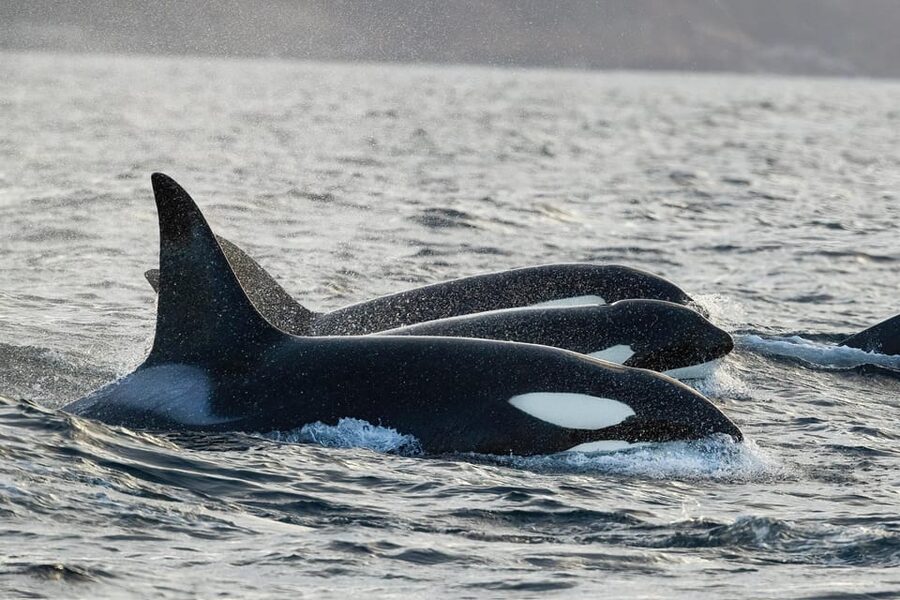
- Orcas and multiple whale species are all part of the target set: humpbacks, minke, and fin whales
- Guide-led camera tips help you track direction and timing instead of just pointing and hoping
- Onboard underwater cameras and calls give you a rare look at what’s happening beneath the surface
Why a heated boat changes Tromsø whale watching
If you’ve done cold-weather whale watching before, you know the pattern: you wrap up, you shiver anyway, and you lose patience just when animals start surfacing. This trip is set up differently. You ride in a covered, heated boat with a warm cabin option and space to shoot from outside when the action picks up.
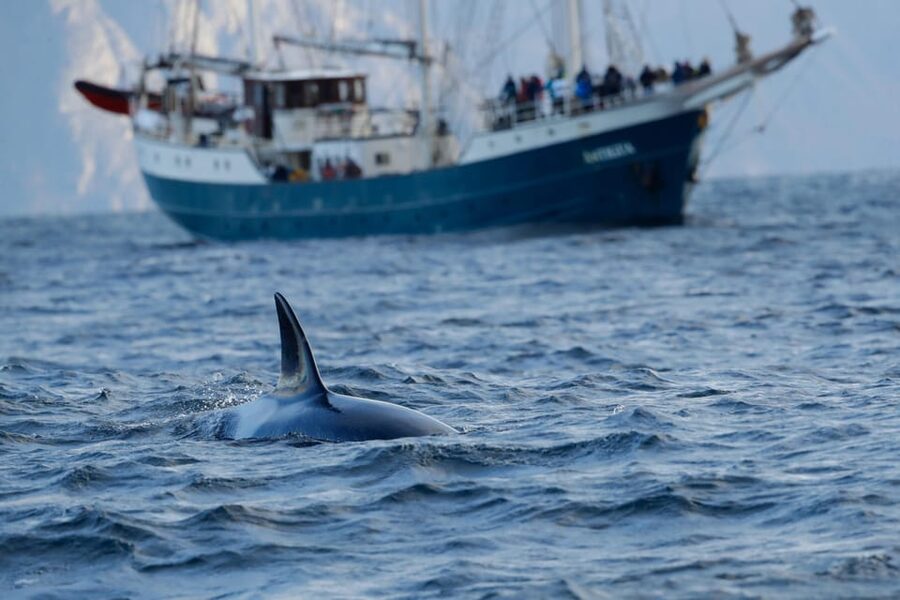
The boat also aims for stability. The operator highlights smoother running compared with traditional RIBs, and that matters for wildlife photography. Less bouncing means steadier frames, and it’s easier to keep your lens trained when the guide calls out movement.
The other big advantage is time on task. You’re not just transferring from one place to another; you’re actively searching for sightings around Skjervøy, and the guide team helps you work the view when whales appear.
You can also read our reviews of more tours and experiences in Tromso.
The long bus ride to Skjervøy (and how to make it worth it)
This experience starts with a scenic bus transfer through Northern Norway. You’ll depart from Samuel Arnesens gate 5 at the bus terminal area, using the RED bus (Arctic Route) with a light banner indicating Whale Route Skjervøy. The ride is about 4 hours, and the bus is air-conditioned with Wi‑Fi, USB/charging points, and a toilet onboard.
For me, this kind of transport is where people either settle in or waste energy. If you treat it like part of the experience, you’ll arrive fresher for the boat portion. I’d plan to read up on your camera settings, charge spare batteries, and spend a few minutes figuring out your key shots (wide scene vs. tight portraits).
When you reach Skjervøy, the Arctic route bus makes two stops. You’ll get off at the second stop near Maritim Hotel and Skjervøy Kystrutekai, then walk to the Skua Hub departure point at the pier.
Skjervøy whale watching: what the 3 hours on the water actually feels like
Once you’re at the pier, the main event is the boat cruise in the Barents Sea area around Skjervøy. You’ll have about 3 hours on the water for whale watching and orca searching, guided by an experienced captain plus an Environmental tour guide.
This is the part where your guide’s job gets loud and hands-on. When whales appear, you’ll get direction on where to look and how to anticipate movement. The best results come when you’re not just chasing each surface blow; you’re prepared for the animal’s direction and surfacing rhythm.
Even with weather that isn’t perfect, the trip structure keeps you moving. The guide approach is about finding the best chances, and if the first area doesn’t deliver close views, the team can work to get you nearer to the action.
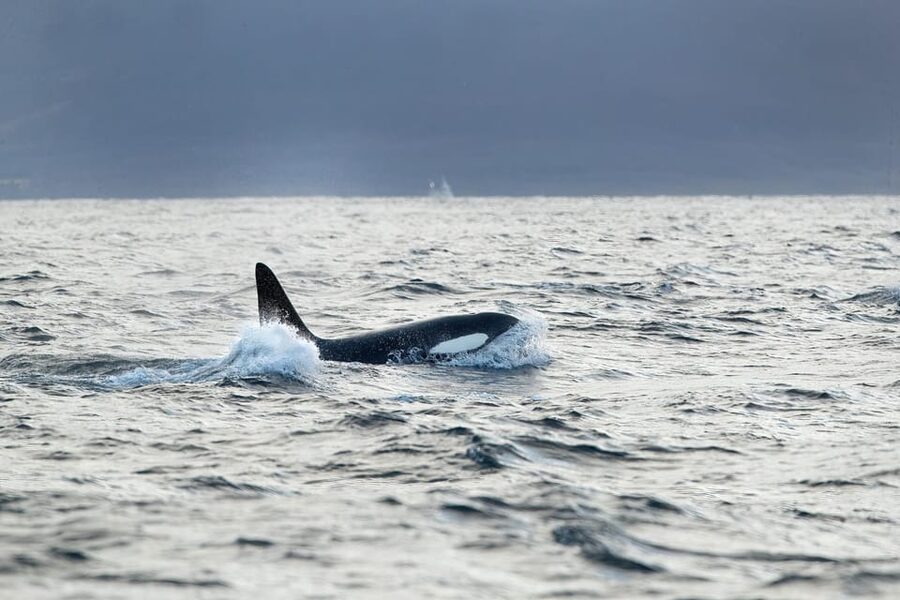
Species focus is clear: you’re aiming for orcas and humpback whales, with opportunities also for minke whales and fin whales. That multi-species target matters because the marine ecosystem here can shift hour to hour, and the guide team is there to interpret what you’re seeing.
On the water: terrace views, comfort, and toilet access
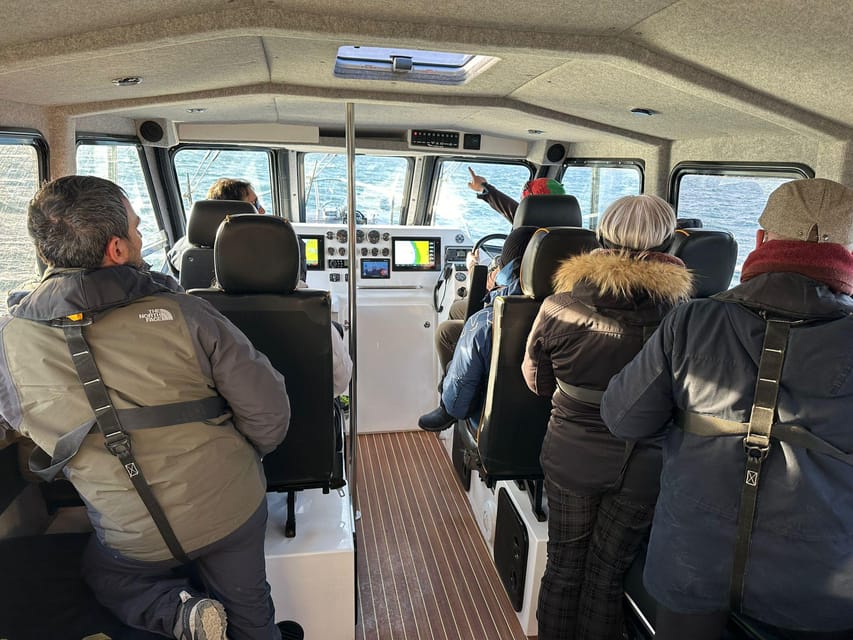
The boat itself is designed for people who want to see whales and still feel decent. It’s covered and heated, so you can stay comfortable even when the Arctic weather tries to make your fingers forget how cameras work. There’s a warm cabin for downtime, plus a spacious outdoor terrace where you can shoot with fewer obstructions.
You’ll also have onboard toilet access on the boat. That sounds like a small detail until you’re out at sea for hours. It helps you stay focused on observing and photographing rather than constantly planning around basic needs.
One fun added element is the way the trip highlights what’s happening underwater. The vessel allows guests to explore the marine world up close, and there’s mention of listening to orca and other underwater calls. Add in the onboard underwater cameras, and you get a rare glimpse of whales from beneath the surface, not just at the top of the water.
If you’re bringing a camera, this combination is especially useful: terrace time for surface action, then underwater footage to connect the behavior to what you’d normally miss.
Photography help that doesn’t waste your time
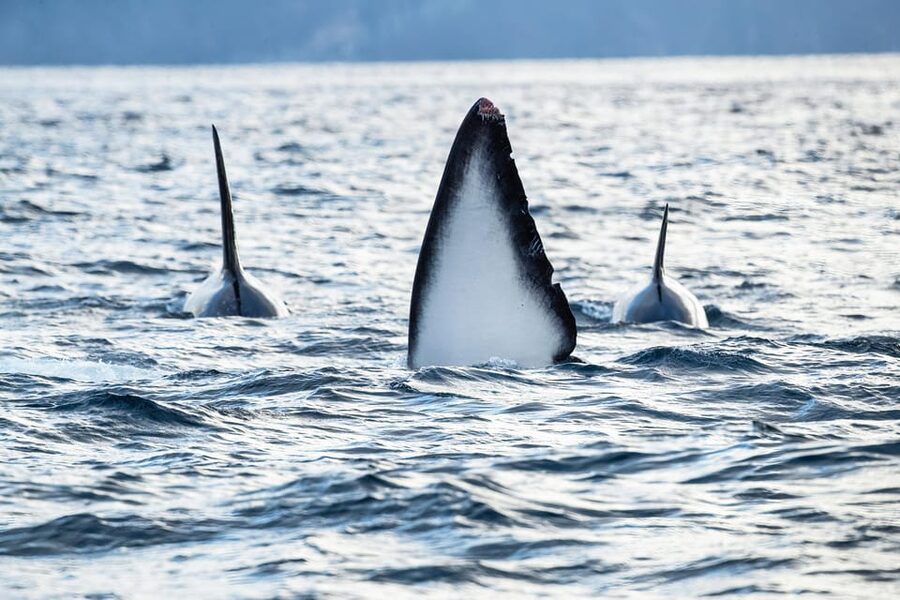
This is explicitly a wildlife photography–friendly experience, but the important part is what you actually get: practical guidance tied to real sightings. You’ll receive photography tips and insights from the Environmental tour guide, and you’re encouraged to bring a camera plus extra batteries.
I like that the advice isn’t just general. The guide approach is about helping you position your shots based on where whales are moving. In fast-changing moments, that can be the difference between getting a clean sequence and missing the angle.
Here’s how I’d think about it when you’re out there:
- Start with your wide shots for context, then switch to tighter framing when whales surface repeatedly
- Keep spare batteries in a warm pocket (not in a cold bag)
- Use the guide’s cues to track direction, because whales rarely surface exactly where you want them on demand
Also, since you’re on a heated platform, you can actually stay ready. That matters more than people expect. When you’re comfortable, you don’t step away to warm up every time the air hits.
Hot drinks are included, too. It’s a small comfort boost, but it also helps you keep your hands working and your attention on the water.
The crew and guidance style: what makes the hunt feel organized
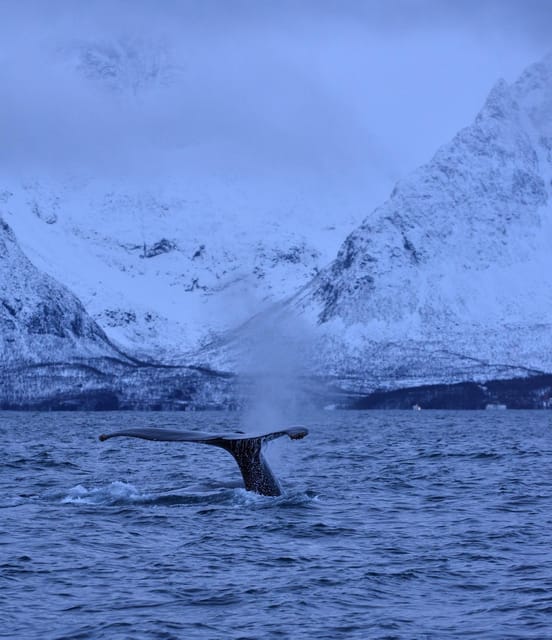
The trip is guided by two key roles: a seasoned captain plus an Environmental tour guide. The captain brings the navigation and spotting skill needed for Arctic waters, while the guide handles the interpretation and the photography coaching.
Names from the experience data include Philip as the guide and Jacob as the captain. What stands out is that they’re described as friendly, professional, and clearly passionate about whales. That matters because whale watching can turn frustrating if the team feels passive or scripted.
The practical way this shows up is in responsiveness. When the crew spots whales, they aim to get you to the right place and time. One of the stronger themes from the provided feedback is the sense that the guide actively suggests where the whales are likely to go, and that the team will work to look again for closer views if the first round isn’t enough.
In other words: you’re not just along for the ride. You’re part of a guided search with a clear purpose.
Price and value: is $373 a lot for whale watching?
At about $373 per person, this isn’t a budget day trip. But the value case is pretty direct when you break down what’s included.
You’re paying for:
- A full day structure (about 12 hours total)
- Round-trip bus transfer through Northern Norway with Wi‑Fi and toilet access
- A covered, heated boat with onboard toilet
- Expert captain + Environmental guide
- Photo tips and guidance tied to real sightings
- Hot drinks
This matters because comfort and guidance can easily cost extra if you cobble together your own plan. The heated boat reduces the most common Arctic discomfort, and the small group size (up to 12) keeps the experience from turning into a chaotic, camera-shaking crowd.
If your priority is getting decent whale photos, not just seeing whales at a distance, the included photography coaching and stable vessel setup make the price feel more reasonable.
Weather reality in the Arctic (and how this trip handles it)
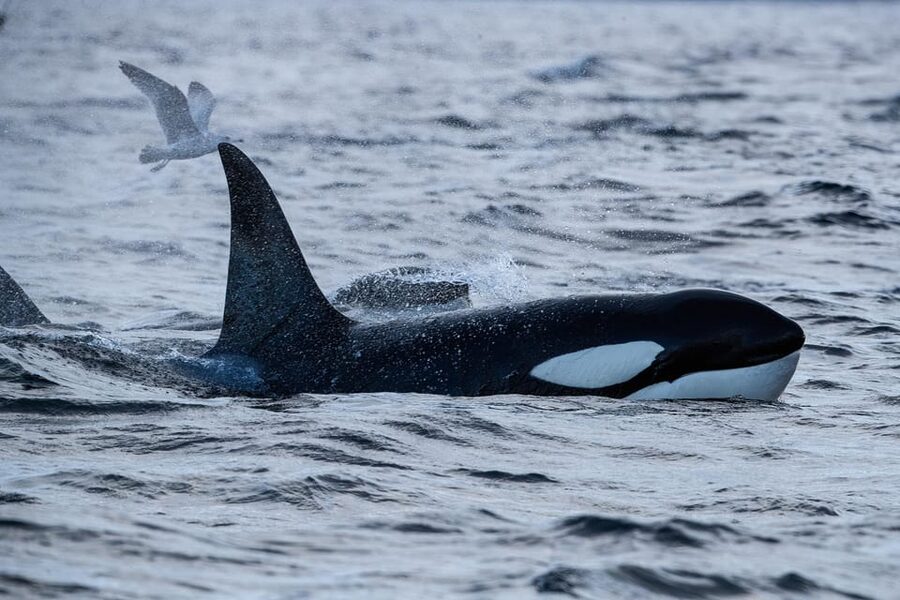
Arctic whale watching means you can’t control wind, visibility, or timing. Still, the trip is designed to keep you comfortable and productive even when conditions aren’t ideal.
The stability of the boat helps you keep your footing and your camera steady. The heated cabin and terrace setup lets you choose where to be depending on how the weather hits. And because the guide team is actively searching and repositioning, your chances aren’t locked to one single viewing moment.
Just be realistic: wildlife is wildlife. Your best strategy is to dress for cold air even if you’ll be warm inside, and to treat the guide’s cues as your fastest route to good sightings.
Who should book this orca and whale watching safari
This tour is a strong fit if you:
- Want orca and multiple whale species chances, not just a generic whale cruise
- Care about photography and want guidance on how to shoot when whales show up
- Prefer small-group attention (max 12) with a guided approach
- Appreciate warmth and comfort in Arctic conditions
It’s not suitable for children under 6, and it isn’t suitable for pregnant women. If you’re outside those limits, you’ll likely enjoy the mix of comfort, interpretive guidance, and photography support.
If you’re the type who hates standing in freezing wind for hours, this heated boat design is a big plus.
Should you book Skua Nature Group’s Tromsø orca safari?
I’d book it if your goal is a guided, photo-friendly Arctic whale day with genuine comfort. The heated boat, small group size, and the focus on practical camera tips make it feel like more than a sightseeing outing.
If you’re trying to do this on a tight schedule, think about the day length first. With about 4 hours of bus time each way and a 3-hour on-water window, it’s a commitment. But if you can give it a full day, the setup is built to maximize your odds and your results.
One last practical note: bring extra batteries and a camera you can use quickly. In whale watching, timing is everything, and this trip gives you the conditions to take advantage of that timing.
FAQ
How long is the Tromsø orca and whale watching comfort trip?
The total duration is about 12 hours, with roughly 3 hours on the water for whale watching near Skjervøy.
Where do I meet in Tromsø?
You meet at Samuel Arnesens gate 5, at the Bus Terminal Prostneset area. The RED bus (Arctic Route) leaves from the bus platforms, and the light banner indicates Whale Route Skjervøy.
What’s the boat like and do I need special suits?
The trip uses a covered and heated boat. You do not need special suits, since the boat is designed to keep you warm.
Is there Wi‑Fi and a toilet during the trip?
Yes. The bus has free Wi‑Fi plus a toilet onboard. The boat also has a toilet onboard.
What languages are spoken during the tour?
The live tour guide speaks English and Italian.
Who is the trip not suitable for?
It is not suitable for children under 6 years and it is not suitable for pregnant women.