REVIEW · COSTA MAYA
Mahahual Snorkeling Adventure: Turtle Encounter
Book on Viator →Operated by Mar Adentro Diving · Bookable on Viator
A turtle safari in shallow, calm water. This Mahahual snorkeling tour gives you two snorkel stops inside a protected reef lagoon, so you spend less time figuring things out and more time watching hawksbill turtles and reef fish. What I like most is the beginner-friendly setup (average water depth around 1.8 m) and the hands-on guidance from a small group (max 12). The one thing to think about is that “turtle sighting” is never guaranteed, and conditions like wind and current can affect how easy it feels in the water.
If you want a short outing with real wildlife chances, this hits the sweet spot. You get equipment and a snorkeling guide, plus a quick boat ride so you’re not spending half your day in transit. And based on past experiences, having a helpful guide matters a lot—names like Victor and Neto come up for patient, safety-minded coaching when people are new to snorkeling.
In This Review
- Key reasons this Turtle Encounter tour works
- Turtle Encounter Snorkeling: Calm Lagoon, Real Help, Real Chances
- Your 90 Minutes: Boat Ride, Two Snorkel Stops, Back to Shore
- Stop One: Sand and Algae Grasses Where Hawksbill Turtles Are the Goal
- Stop Two Near the Reef Crest: Coral Heads and Lots of Tropical Fish
- Beginner-Friendly Snorkeling That Still Takes Effort
- Gear, Life Jackets, and the Boat Ladder Reality
- Small Group Size: Why the Guide Factor Makes or Breaks It
- Price and Value: What $32 Buys You in Mahahual
- Getting There From the Cruise Port: Short Taxi, Then Find Your Way
- Turtle Odds and Other Wildlife: Manage Expectations the Smart Way
- Should You Book This Mahahual Turtle Snorkeling Tour?
- FAQ
- How much does the Mahahual Turtle Encounter snorkeling tour cost?
- How long is the tour?
- Where does the snorkeling happen?
- Do I need to be an experienced snorkeler?
- What’s included in the price?
- How big is the group?
- What if the weather is rough?
- What’s the cancellation and refund window?
Key reasons this Turtle Encounter tour works
- Two reef areas in one session: sand/algae first, then the reef crest with coral heads
- Shallow and calm by design: reef lagoon protection keeps conditions more manageable
- Small group (up to 12): easier to stay with your guide and get help fast
- Equipment + guide included: no shopping, no guesswork
- Quick timing: about 90 minutes total with roughly an hour in the water
Turtle Encounter Snorkeling: Calm Lagoon, Real Help, Real Chances
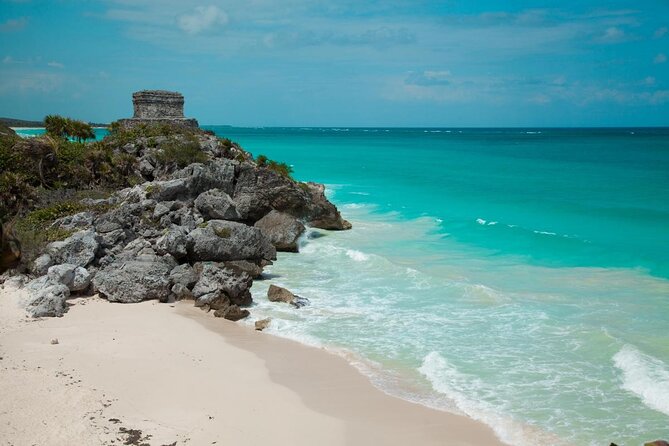
Costa Maya’s Mahahual shoreline is known for reef snorkeling that doesn’t require scuba-level comfort. This tour takes you into a protected reef lagoon where the water stays relatively calm because the reef crest shields you from the open sea. That matters. In snorkeling, calm water means you can focus on breathing, buoyancy, and looking—not fighting waves.
The pitch is simple: you snorkel at two different shallow areas during one trip. One area tends to be better for turtle spotting (sand plus algae grass patches), and the other leans toward classic reef scenery with coral heads and lots of tropical fish. Even when a turtle doesn’t show, you’re still in the right “hardware store” of snorkeling: reef structure close to the surface, clear viewing opportunities, and a guide who knows where to steer your attention.
Price-wise, $32 isn’t trying to be “cheap and cheerful.” It’s priced for a guided experience with included gear and a small-group format. If you’ve only got a few hours in Mahahual (like many cruise stops), this is the kind of tour that respects your time.
Your 90 Minutes: Boat Ride, Two Snorkel Stops, Back to Shore
Plan on about 1 hour 30 minutes total. Roughly one hour is spent snorkeling in the water, and there’s a short boat ride to and from the reef. You’re not doing long transfers, waiting around for changing tide charts, or stacking multiple locations in a way that turns into a full-day marathon.
Once you’re in the water, you’ll move as the guide leads you through the reef zones. In practice, this means you’re not just “dropped in.” Your guide is helping you find things—fish, coral heads, and when you’re lucky, turtles—and you’re staying in a protected area rather than roaming into open water.
This is also the format that tends to work well for mixed groups: first-timers, confident swimmers, kids, and older adults can all do the basics while your guide watches for who needs reassurance. I’ve seen enough gear-and-breathing stress in snorkeling to know how much that coaching helps.
Stop One: Sand and Algae Grasses Where Hawksbill Turtles Are the Goal
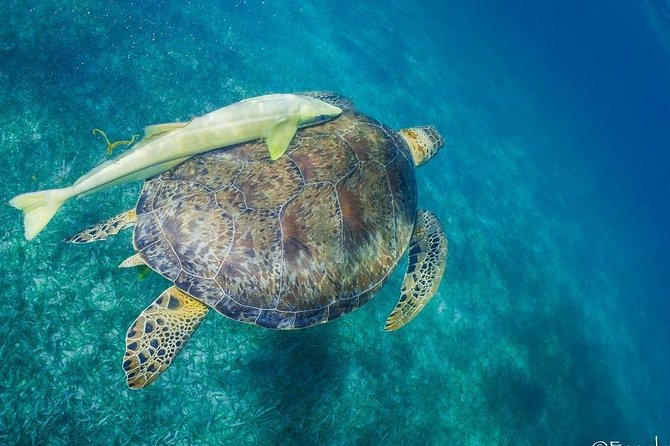
Your first snorkeling area is characterized by sand plus patches of algae grass. That’s important because turtles don’t behave like bright, roaming souvenirs. They often hang out in specific feeding and resting zones, and grass patches can be part of that story.
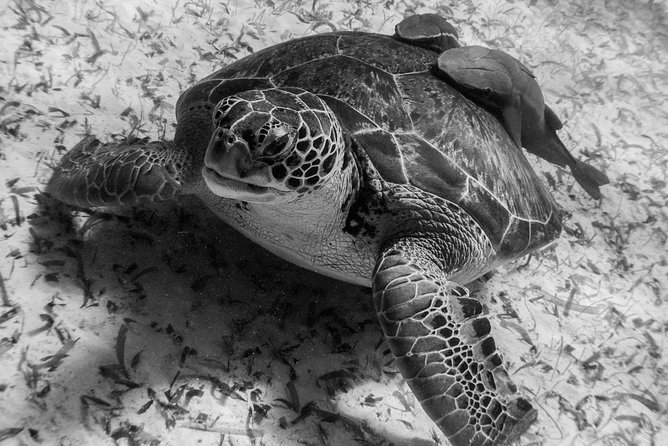
Here, you’re looking for hawksbill turtles. On calm days, the reef lagoon setting gives you a better chance to hover quietly and scan without getting swept around. The guide’s job is to help you approach slowly and keep spacing so everyone can see what’s in front of them.
Even if you don’t see a turtle on the first stop, this phase sets the tone for the trip. It’s usually when first-timers get comfortable with the rhythm: mask on, slow breathing, steady kicks (or gentle float), and keeping an eye on where the guide is headed.
If you’re someone who gets frustrated easily when wildlife doesn’t appear instantly, I’d treat this as a patience exercise. Turtle time often looks like stillness and slow search—not instant action.
Stop Two Near the Reef Crest: Coral Heads and Lots of Tropical Fish
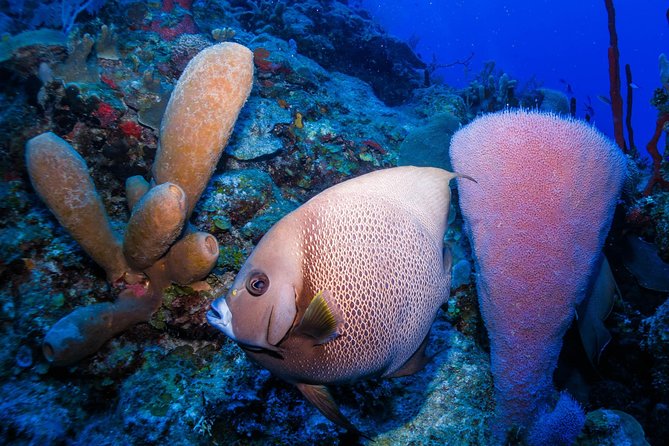
After the sand-and-grass scan, you move to an area closer to the reef crest. This stop is built around reef structure: coral heads and the fish that hang out around them.
This is where you usually get the “wow, look at all those colors” snorkeling. The reef crest environment tends to offer more visual variety, and you’re still in the protected lagoon zone, so it should feel more controlled than open-water snorkeling.
This stop is also your best bet for a strong trip even on the day turtles are shy. Some snorkeling outings turn into “one animal or bust.” Here, the coral heads and fish give you a second path to enjoyment. You’re not only waiting for one outcome.
If you’re new to snorkeling, this is a good place to practice staying calm. Coral heads can tempt you into quick zigzags. Try to move slowly and keep your hands and fins controlled so you don’t kick up sand or startle wildlife.
Beginner-Friendly Snorkeling That Still Takes Effort
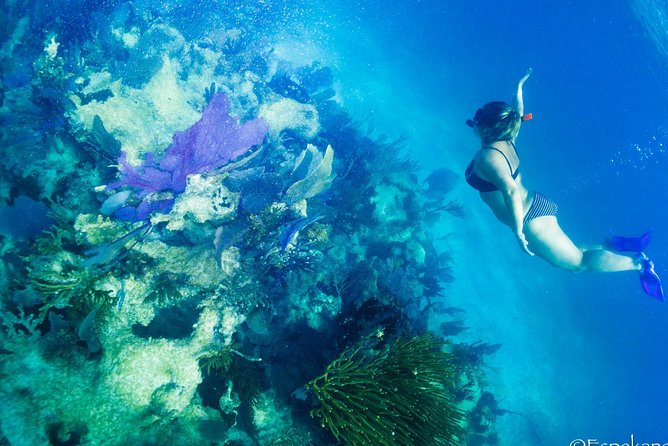
This tour is designed for beginner snorkelers and limited time, and most people can participate. That doesn’t mean it’s effortless, though. In real life, snorkeling is physical. Even in calm lagoon conditions, you’ll be swimming for stretches while wearing gear.
A key advantage is the structure: you’re guided, you’re not free-for-all exploring, and you’re in a shallow setting (average depth about 1.80 meters). Shallow water often helps beginners because you can stand or reposition easily while you regain comfort.
That said, one theme that shows up across snorkeling experiences is pacing. Some people feel the swim feels fast or they have trouble keeping the guide in view when a group gets spread out. The small group size helps, but you still need to stay aware of spacing and where your fins are going.
If you’re a total newbie, come ready to learn. Think: slow kicks, breathe steady, and don’t fight the water. If you’re an experienced snorkeler, you’ll still appreciate the guide’s local knowledge, especially for finding the right zones in a short timeframe.
Gear, Life Jackets, and the Boat Ladder Reality
Equipment is included—snorkeling gear plus a snorkeling guide—so you don’t need to rent masks or fins elsewhere. Reviews also point to gear that fits well, and there are mentions of clear, practical instruction like anti-fog prep.
One detail worth planning for: getting on the boat. The boat doesn’t sound like it’s right next to a fancy dock. You should be prepared to climb (and possibly get a bit wet during boarding). If you have balance issues, that’s the part to take seriously.
Life jackets come into play too. Some people noted missing strap adjustments, which can make the vest ride up during swimming. That’s fixable if you check the fit before you enter the water. Bring a flexible attitude: even with a safety-first setup, you may want to adjust what you’re given so it’s comfortable.
Bottom line: the safety setup is there, but your comfort depends on fit and on how you handle being in the water for an hour.
Small Group Size: Why the Guide Factor Makes or Breaks It
A maximum of 12 travelers is a big deal for snorkeling. It means your guide can actually monitor breathing, help with equipment issues, and keep everyone moving together. In larger groups, the guide becomes a point on the horizon. Here, you’re more likely to stay connected.
Guides are repeatedly described as attentive and patient, especially for first-timers or nervous swimmers. Names like Victor and Neto show up as examples of guides who make people feel comfortable and safe. That kind of “nudge in the right direction” matters when you’re learning to manage mask pressure, floating, and staying oriented.
You also get better scanning time. If your guide knows what you’re likely to see in each zone, you spend less time randomly swimming and more time actually looking where it counts.
If you want a tour where you’re not just a number, this small-group model is the main reason it earns a high recommendation rate.
Price and Value: What $32 Buys You in Mahahual
At $32 per person, this is priced like a value-guided excursion. You’re paying for:
- a guided snorkeling experience (not self-guided wandering)
- equipment included
- access to a reef lagoon area in a short, efficient format
- a small group size that improves attention and safety
Could you snorkel on your own nearby? Maybe. But you’d be relying on luck for turtles and fish, and you’d still need gear and local knowledge for which shallow zones are most worth your time.
Where the value really shows up is the time efficiency. Many cruise-day travelers want one good reef experience without eating the whole day. This tour gives you a clean arc: short transit, structured snorkeling, back to your meeting point.
If you’re going to spend money either way—taxi, gear rentals, or a guided session—this is often the simplest route to a solid outcome.
Getting There From the Cruise Port: Short Taxi, Then Find Your Way
Most cruise stop visitors use a taxi to get from the port area to the meeting location. Multiple experiences describe the ride as short—around 10 minutes—with a cost around $4 per person each way. You might also find that the exact route is a bit of a puzzle at first, especially on drop-off when there’s not much signage where you land.
Here’s how I’d handle it like a pro:
- If you can, arrive a little early so you can ask where to check in for the gear.
- Have the address ready and double-check the meeting point name: Huachinango, 77976 Q.R., Mexico.
- Ask the shop or staff where the gear pickup is before you wander.
One review-style caution you should take seriously: there may be no obvious “front door” at the drop-off area. Once you find the walkway to the shop, things tend to click into place fast.
If you prefer total control and plan to explore the area after snorkeling, a golf cart can come up as an option—but that’s a separate decision based on your day plan.
Turtle Odds and Other Wildlife: Manage Expectations the Smart Way
Let’s talk reality. Sometimes you see turtles. Sometimes you don’t. The tour is built around the conditions that make turtle spotting more likely: sand and algae grass feeding zones, shallow lagoon water, and a guide scanning for signs of turtles rather than hoping they appear.
When turtles do show up, it’s usually at close, comfortable snorkeling range—exactly why this protected lagoon setup is so valuable. When turtles don’t show, you’re still in coral and fish country at the reef crest stop, plus you’re likely to see other reef animals depending on the day.
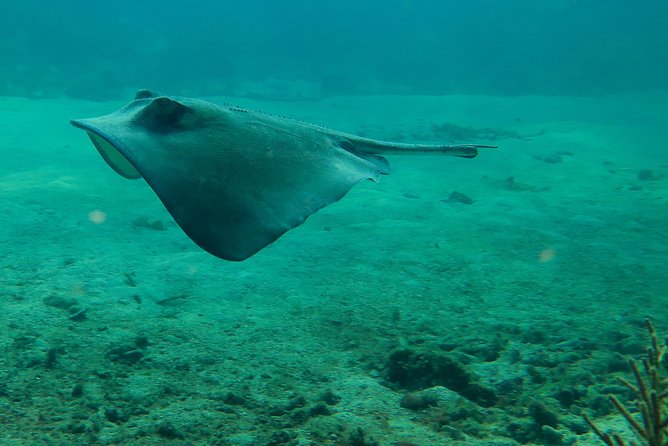
Other wildlife that has shown up in past experiences includes stingrays and even dolphins during the boat ride back. Those are bonus moments, not the main promise.
The smartest expectation is this: you’re paying for a guided reef experience with strong odds. Your viewing success depends on sea conditions, visibility, and turtle behavior that day.
Should You Book This Mahahual Turtle Snorkeling Tour?
Book this if you want:
- beginner-friendly snorkeling with a guide and included gear
- a short, efficient outing (about 90 minutes total)
- a realistic shot at hawksbill turtles in a protected shallow lagoon
Consider skipping (or choosing another day/tour) if:
- you’re expecting a guaranteed turtle sighting
- rougher water or boat access would be uncomfortable for you (especially if climbing onto the boat ladder is a concern)
If you’re flexible, comfortable in shallow water, and happy to enjoy coral and fish even when turtles are elusive, this is a strong, practical choice for Mahahual.
FAQ
How much does the Mahahual Turtle Encounter snorkeling tour cost?
It costs $32.00 per person.
How long is the tour?
The tour is about 1 hour 30 minutes total, with about 1 hour on the water and a short boat ride there and back.
Where does the snorkeling happen?
Snorkeling happens in a shallow reef lagoon near Mahahual at an average depth of about 1.80 meters, in two different areas.
Do I need to be an experienced snorkeler?
No. This tour is described as ideal for beginner snorkelers and for people with limited time, and most travelers can participate.
What’s included in the price?
You get snorkeling equipment and a snorkeling guide. The tour includes the boat ride and returns you to the meeting point.
How big is the group?
The tour has a maximum of 12 travelers, which helps keep the experience more manageable and guided.
What if the weather is rough?
The experience requires good weather. If it’s canceled due to poor weather, you’ll be offered a different date or a full refund.
What’s the cancellation and refund window?
You can cancel for a full refund up to 24 hours in advance. If you cancel less than 24 hours before the start time, the amount paid won’t be refunded.