REVIEW · EVERGLADES NATIONAL PARK
Two-Hour Everglades Dolphin, Manatee and Birding Boat Tour
Book on Viator →Operated by Everglades Area Tours · Bookable on Viator
A boat trip into the Glades feels like getting in a shortcut. This two-hour dolphin, birding, and wildlife tour takes you across the water where the Everglades can be hard to reach on foot, with a guide who helps you spot and understand what’s living there. I especially like the small group size and the fact that you’re not stuck watching wildlife from far away like you sometimes do on bigger tours.
The two things I like most are the on-water access and the way the guide turns it into an interpretive trip, not just sightseeing. You’ll cruise the 10,000 Islands area in captain-style seating, and you’ll hear what’s going on in the ecosystem as you go. On top of that, the chance of seeing dolphins is a core part of this outing, with many sightings described as close enough to feel real.
The main consideration: it’s an open-top boat with no shade, so sun and heat control matter. Bring a hat and sunscreen, and plan to dress for being out under the sky for the whole ride.
In This Review
- Quick hits before you go
- Why a 2-hour Everglades boat tour works for limited time
- Where you start: Parkway Motel & Marina and the 10,000 Islands swing
- Your on-water time: small boat comfort and a guide who drives the learning
- Wildlife chances inside Everglades National Park: what’s realistic in two hours
- Birding on the move: reading the water for raptors and waders
- Shelling stops and low-tide island time: the best way to slow down
- What you’re paying for: value at $109.95 per person
- Who this tour suits best (and one group to reconsider)
- Should you book this Everglades dolphin and birding tour?
- FAQ
- How long is the tour?
- Where do I meet for the tour?
- What is included in the price?
- What wildlife can I expect to see?
- How large is the group?
- What should I bring?
- Do I need good weather, and can I cancel?
Quick hits before you go
- Six-guest maximum: You get a more personal experience and more chance to ask questions.
- Dolphins and birding are the point: This is built for wildlife viewing, not a long drive with a short look.
- Captain-style seating and real boat access: You’re going where most visitors can’t easily reach.
- Interpretive guide time: You’ll learn about ecosystems and what different plants and animals are telling you.
- Shelling and low-tide moments can happen: Some stops include beach or island time for shells and shoreline life.
- Bring your sun setup: It’s open water and open deck, so comfort is on you.
Why a 2-hour Everglades boat tour works for limited time
If you only have a short window in the Everglades area, this kind of 2-hour tour is a smart way to get the feel of the ecosystem without losing half your day to logistics. A huge part of Everglades National Park is flooded and not easy to access from land, so boat-based routes are how you get eyes on wildlife where it actually happens.
I also like that the tour is built around the Everglades’ seasonal variety. Depending on when you go, the wildlife mix can shift—so you’re not just hoping. You’re moving through habitats that support birds year-round, and you’re spending your time where sightings are most realistic.
This is also a good “first taste.” You learn the basic patterns—freshwater meets saltwater in coastal areas, mangroves and shallow flats change what shows up—so later, when you drive elsewhere, you’ll know what you’re looking at.
You can also read our reviews of more tours and experiences in Everglades National Park.
Where you start: Parkway Motel & Marina and the 10,000 Islands swing
The meeting point is at Parkway Motel & Marina, 1180 Chokoloskee Dr, Chokoloskee, FL 34138, and the tour ends back there. That matters because your time stays focused. You’re not doing a long transfer across multiple neighborhoods and then rushing.
From there, you head toward the Everglades/10,000 Islands water routes. This is the area known for narrow channels, mangrove edges, and shallow stretches that birds use constantly. It’s also why dolphins and manatees can show up—these animals use the kind of protected water and food sources you can’t replicate from inland viewpoints.
One small practical note from real-world experience: facilities at the meeting point may not be available when you return. I’d use what’s open before you leave, and plan to handle bathroom breaks before you’re cruising.
Your on-water time: small boat comfort and a guide who drives the learning
This is a small-group setup, with a maximum of six travelers. That limit shows in the way the tour feels: less waiting, more back-and-forth, and more flexibility if wildlife appears suddenly.
You’ll ride in captain-style seating (so you’re not crammed into tiny benches), and the guide’s job is twofold: safety and wildlife interpretation. In practice, that means the guide is watching for movement—bird activity, water patterns, and signs of animals—and then helping you connect it to habitat and behavior.
The guide names that pop up again and again in this experience include Captain Don (including Don McCumber), Dan, Glenn, Matt, and Ray. What’s consistent across them is attention to the details people actually care about: where dolphins are likely to be, how birds feed in different spots, and how the surrounding plant life fits the water conditions.
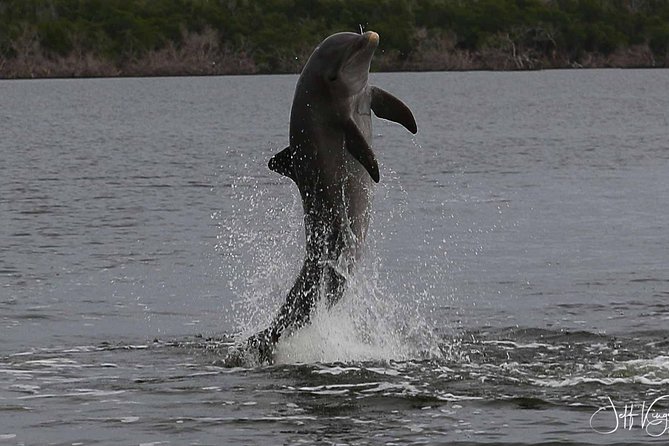
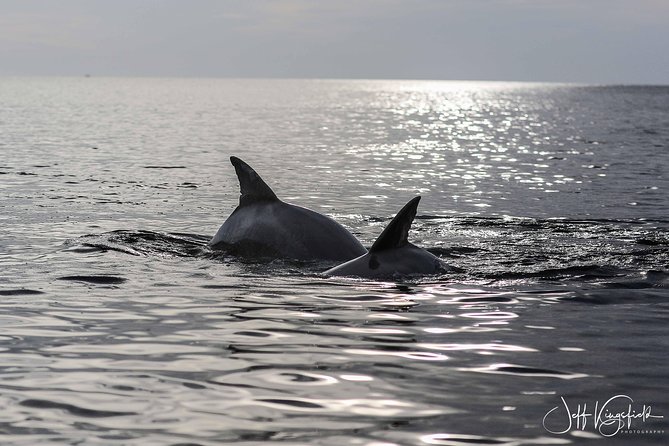
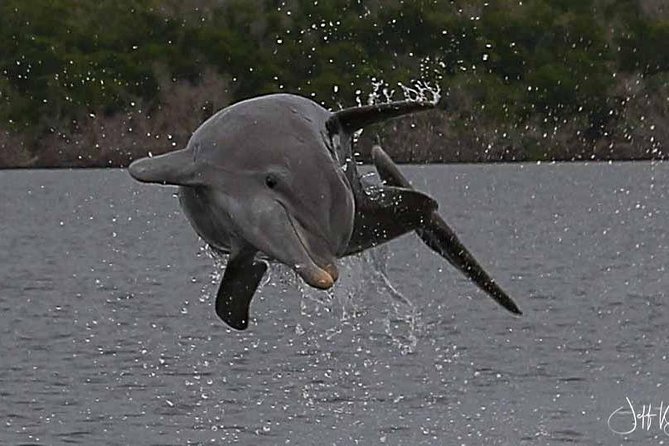
If your top priority is dolphins, this is one of the better formats for it. Multiple guides are described as trying hard to create dolphin views, including moments where dolphins surf alongside or follow the boat closely. You can’t control wildlife, but you can choose a tour that works hard on your odds.
Wildlife chances inside Everglades National Park: what’s realistic in two hours
Two hours is short. So the best way to think about it is like this: you’re buying concentrated wildlife effort, not a guarantee. The Everglades is wild, and sightings depend on weather, season, and what the animals are doing that day.
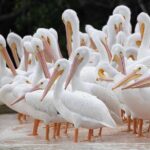
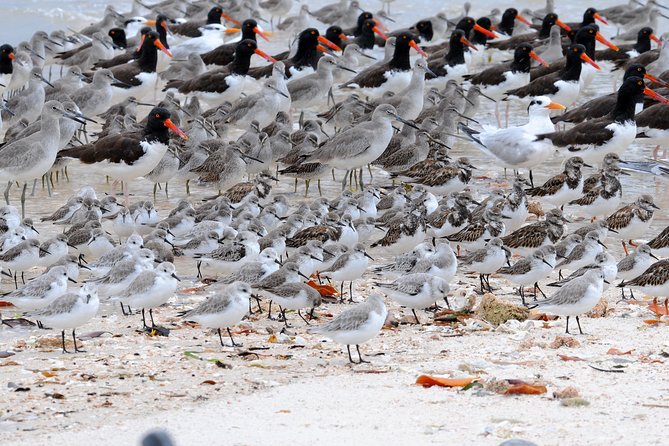
Still, the tour is designed around what this region supports. Expect the possibility of dolphins, manatees, sea turtles, and lots of bird life. Birding highlights can include bald eagles, ospreys, herons, egrets, pelicans, and roseate spoonbills. You may also see fish and shore birds when the boat pauses in the right places.
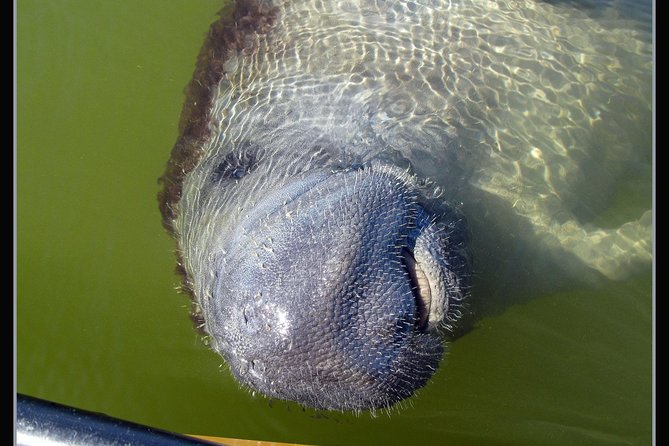
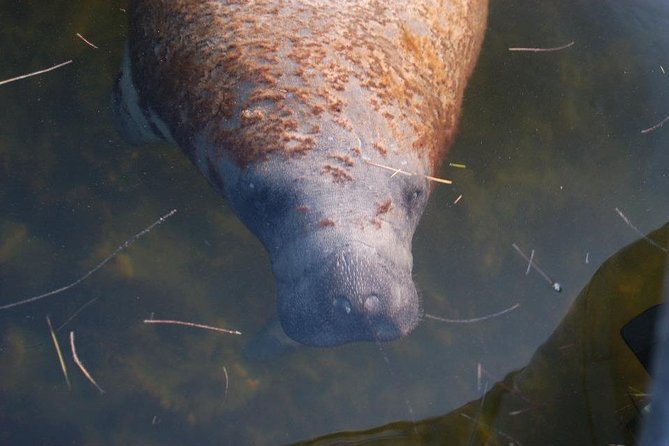
From what’s shared about the experience, dolphin sightings often happen during the ride and can be extremely close. People also describe manatee spotting as possible, though it sounds less consistent than dolphins. If you’re going for manatees, I’d treat it as a bonus, not the only outcome.
There’s also a chance you’ll see lesser noticed wildlife that becomes fun when your guide points it out. One standout example mentioned is horseshoe crabs—with a guide showing differences between males and females based on the number of pinchers. That kind of moment is exactly why I think the interpretive part is worth your time.
Birding on the move: reading the water for raptors and waders
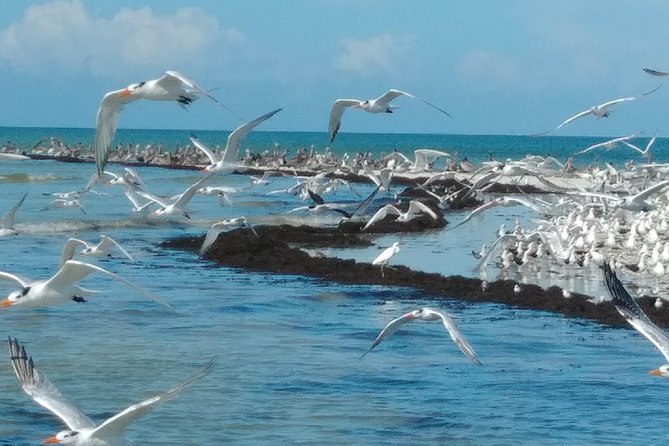
Birding is baked into the experience, and you’ll get the chance to see birds that use both the sky and the shallows. The tour description specifically calls out over 300 species of birds in the wider area across the year, which is a huge reason birders love the Everglades.
On the water, birds announce themselves fast: sudden wing movement, a flock changing direction, or the way they line up along shorelines. Your guide helps you notice what you’d otherwise miss, like how mangrove edges function as feeding lanes and how open water attracts hunting raptors.
Ospreys are a common theme here, along with eagles and large wading birds like herons and egrets. Pelicans and terns can also show up when conditions line up with where the food is. If you’re a bird-first traveler, you’ll likely appreciate how the guide connects what you’re seeing to where the habitat supports feeding.
One tip I’d borrow from how guides are described: don’t just track one bird. Watch what the boat is doing and why you stopped. A brief pause can mean you’re suddenly “on” for a hawk, or you’re at the edge of a feeding area where movement is about to happen.
Shelling stops and low-tide island time: the best way to slow down
Even though this tour is built for dolphins and birds, the experience often includes downtime on the land—especially if conditions allow. In several accounts, you spend time walking an island area or shoreline for shells, and sometimes you’re there at low tide, when shoreline life is easier to spot.
Shelling can be surprisingly good in the 10,000 Islands zone, and some people describe it as a hands-on highlight, including finding lots of interesting shells. Guides also help keep it interesting by pointing out what the shoreline life is telling you about the water.
There can also be small ecology-focused walk moments. One example includes a mangrove island visit at low tide, with attention to crustaceans and other live shoreline creatures. If your group likes collecting shells or just poking around carefully at the water’s edge, this is where the tour can feel extra memorable.
You should also be aware that nesting seasons can affect access. One account mentions nesting islands where parts of the area were roped off. That’s normal in wildlife areas, and it’s another reason having a guide helps—you’re learning how protection and viewing can coexist.
What you’re paying for: value at $109.95 per person
At $109.95 per person for about two hours, you’re paying for three things: a boat ride into hard-to-reach areas, a guide who interprets what you see, and a small group that makes it easier to get real time with the captain.
This isn’t a cheap outing, but it can be solid value if you want wildlife access without committing to an all-day program. Larger bus-style tours often trade personalization for volume. Here, the format is built to keep the group small and the focus tight.
What’s not included matters for comfort: bottled water isn’t listed as included. I’d plan to bring your own water and snacks (if you like), even though the tour suggests bringing drinks. Think of it like a compact day hike, but on the water—heat and sun add up fast.
Also, the open-top setup makes gear practical, not optional. Bring a hat, sunscreen, and sunglasses, and bring a camera (you may want to capture close dolphin moments or birds in motion). Comfortable footwear helps too, especially if you end up with shoreline time.
Who this tour suits best (and one group to reconsider)
This is a great fit if:
- You have limited time in the Everglades area.
- You want dolphins and birds as your main goal.
- You like guided nature walks but prefer seeing wildlife from water when possible.
- You’re traveling as a couple, family, or small group that will appreciate a more personal pace.
It may be less ideal if you have trouble with stairs or uneven footing. One review notes there’s no ramp and you must climb down to the boat and back up to the dock. Even if you can manage uneven ground, I’d plan for the movement. If accessibility is a top concern for your group, it’s worth asking before you go.
Also, if you’re expecting a perfectly predictable wildlife show, adjust your expectations. Two hours is short, and wildlife availability is out of the guide’s control. The best move is to choose a tour that works hard on spotting and learning, and this one is built around that approach.
Should you book this Everglades dolphin and birding tour?
I’d book it if you want an efficient, small-group wildlife outing with a real interpretive guide and a serious focus on dolphins and birds. It’s especially appealing if you’re new to the Everglades and want your bearings fast—what habitats look like, what birds do in different areas, and what makes this flooded ecosystem tick.
I’d think twice only if you know you’ll struggle with sun exposure on an open boat, or if mobility is a concern for your group. Otherwise, this tour is a strong way to spend a couple hours in the Glades and come away with more than photos—you’ll come away understanding what you saw and why it’s there.
FAQ
How long is the tour?
The tour runs about 2 hours.
Where do I meet for the tour?
You meet at Parkway Motel & Marina, 1180 Chokoloskee Dr, Chokoloskee, FL 34138. The tour ends back at the meeting point.
What is included in the price?
An experienced guide is included. Bottled water is not listed as included.
What wildlife can I expect to see?
Depending on the season and conditions, you may see dolphins, manatees, sea turtles, bald eagles, ospreys, herons, egrets, pelicans, roseate spoonbills, and other fish and shore birds.
How large is the group?
The tour has a maximum of six travelers, making it a small-group experience.
What should I bring?
Bring cameras, hats, sunblock, and drinks.
Do I need good weather, and can I cancel?
Yes, the experience requires good weather. You can cancel for a full refund if you cancel at least 24 hours in advance; if canceled less than 24 hours before, the amount paid is not refunded.