REVIEW · GHENT
Ghent: Guided Walking Tour and Canal Boat Trip
Book on GetYourGuide →Operated by buendía · Bookable on GetYourGuide
Ghent clicks fast with the right local guide. This 150-minute mix of walking and a canal boat ride is built for getting your bearings and understanding why the city looks the way it does. One big visual payoff is the skyline shaped by Ghent’s towers.
I especially like two things: the St. Bavo Cathedral stop where you’ll learn how to read The Adoration of the Mystic Lamb (Van Eyck Brothers), and the canal time afterward where you glide along the Leie and the Lieve with helpful audio. The guide adds the context so the sights feel connected, not just photographed.
One possible drawback: there’s a lot to take in. Expect steady talking, plus some history-heavy details—great if you enjoy stories, a little intense if you prefer slower, quieter sightseeing. And yes, rain can show up for part of the day, so bring a weather plan and comfortable shoes.
In This Review
- Key points you’ll care about before you go
- Getting your bearings fast: the 150-minute format
- Belfort and the town center skyline of Ghent’s three towers
- Inside St. Bavo and St. Nicholas: what you actually need to notice
- Graslei, Herb and Grain Quay, and the market that fed the city
- Patershol and Gravensteen: craft guild stories and a fortress feel
- Canals on Leie and the Lieve: the boat ride that ties it together
- Practicalities: shoes, radios, and pacing on a walking day
- Is $32 good value for Ghent? What’s included and what’s not
- FAQ
- Where do I meet the tour guide?
- How long is the Ghent guided walking tour and canal boat trip?
- Is the tour offered in English?
- What’s included in the price?
- Do I need to bring anything?
- What will the boat trip include?
- How much does it cost?
- What’s the cancellation policy?
- Should you book this Ghent walking tour and canal boat?
Key points you’ll care about before you go
- You start at the Belfort’s front door: meet outside the Belfort Tower, with your guide holding a large black umbrella.
- You’ll learn to read Van Eyck’s symbols: The Adoration of the Mystic Lamb isn’t just admired; it’s explained so it makes sense.
- The skyline theme is real: you’ll repeatedly spot the tower shapes that define central Ghent.
- Market history is the secret sauce: trading posts, old fish markets, and guild trades explain why the city developed.
- The boat ride adds perspective: you see the city from the water with illustrated audio translation.
- Guides can be funny and quick: past guides including Ariel, Peter, Juliana, and Eros have been praised for lively storytelling and clear English.
Getting your bearings fast: the 150-minute format
This is a “see the core, learn the core” tour. In about two and a half hours, you’ll cover a cluster of sights that are easy to miss if you wander on your own. You also get guidance on what to circle later, because the walk is designed to build a mental map of Ghent.
The pacing matters. You move at a walking-tour tempo—short stops, then onward—so you don’t burn your day fighting for time. It also means the canal boat comes while the city is still fresh in your head, which makes the water views hit harder.
You’ll spend the first half on foot in central Ghent, then switch to the canal. That structure is practical: churches and monuments on land first, then the canals that explain the city’s trade power and everyday life.
You can also read our reviews of more tours and experiences in Ghent.

Belfort and the town center skyline of Ghent’s three towers

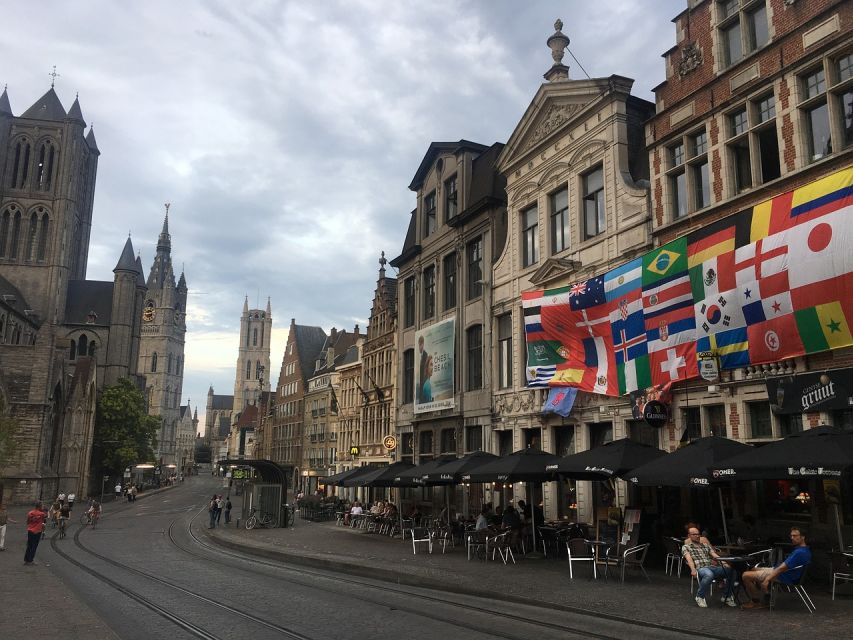
Ghent’s skyline is a big part of the experience, not just a backdrop. The tour centers you right where the towers and civic buildings dominate the view, so you understand why people built vertical landmarks in the first place.
You begin at the Belfort of Ghent, a bell tower that also works as a lookout point. Even if you don’t climb it, you’ll get the idea: this was civic pride and visibility rolled into one stone structure. From there, the walk threads past the Town Hall and into the cathedral area, so you see how power and faith shaped the city layout.
This is also where you get the repeated “spot it again” effect. As you walk, those tower lines keep showing up, reinforcing the skyline you came to recognize. It’s a small trick, but it helps you remember the city in pieces: tower → civic space → church → markets → canals.
Inside St. Bavo and St. Nicholas: what you actually need to notice
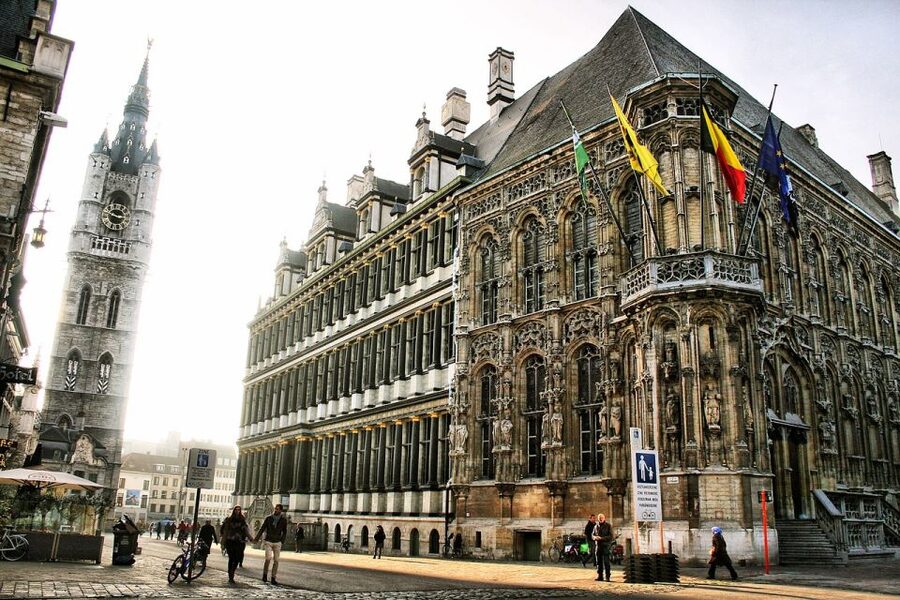
St. Bavo Cathedral is the emotional anchor of the tour. You’ll visit it with a guide who helps you focus on what matters—especially The Adoration of the Mystic Lamb by the Van Eyck Brothers. The key detail here is not just that it’s famous, but that the tour explains the painting’s symbolism in a way that makes the image less intimidating.
Instead of standing there trying to decode it with your own guesses, you’ll learn how the different elements connect. You’ll get the “why this detail is there” type of interpretation, so the painting becomes understandable rather than just impressive.
The tour also includes St. Nicholas’ Church, which adds a second layer to the church stop. It helps you compare how different religious spaces signal different identities within the same city. Together, these two churches make Ghent feel like more than a pretty medieval town—you start to see how art and devotion shaped daily life.
And yes, you’ll keep moving. This isn’t a long museum slog. It’s short guided orientation at each major building, designed to help you keep your energy for the rest of the day.
Graslei, Herb and Grain Quay, and the market that fed the city
Once you’ve got the church-and-tower basics down, the tour shifts into practical urban history: trade. Ghent didn’t become important by luck, and the tour makes that very clear by walking you past key trading and market areas.
You’ll visit Graslei, the kind of spot you’d normally just photograph. With the guide’s explanations, Graslei becomes a place to understand river life—what it meant to do business on the water and why that mattered for the city’s growth.
Then comes the Herb and Grain Quay, described as a key trading post in the 16th century. This stop also brings up the old guild trades. That’s a big deal because guilds weren’t just business groups; they shaped skills, rules, and status. You start to see why certain neighborhoods developed specific crafts.
The walk continues through the Meat and Fish Markets, treated like a sort of old-time supermarket. That framing helps you grasp the daily rhythm of Ghent: people needed reliable food supply chains, and markets were a central engine of city life. You’ll also see the old fish market area, which ties back to the river economy and the city’s connection to waterway transport.
If you like history you can picture—doors opening, vendors calling, goods arriving on schedule—this is the part that will feel most real.
Patershol and Gravensteen: craft guild stories and a fortress feel
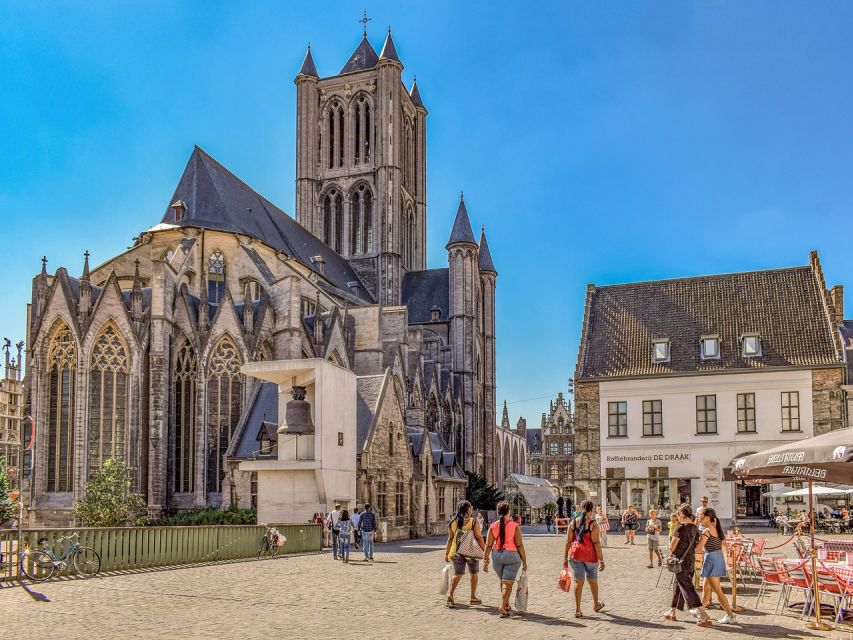
After the markets, the tour enters Patershol, often described as the weavers’ quarter. This is where you’ll hear more legend and local character. It’s also where the tour helps you connect the dots between the craft economy and the city’s physical streets.
Patershol is the kind of neighborhood where it’s easy to wander slowly just because it’s atmospheric. The guide gives you stories to go with the scenery, including hints about the neighborhood’s legends and curiosities. That means you’ll look at streets and architecture with a purpose instead of treating them like a backdrop for photos.
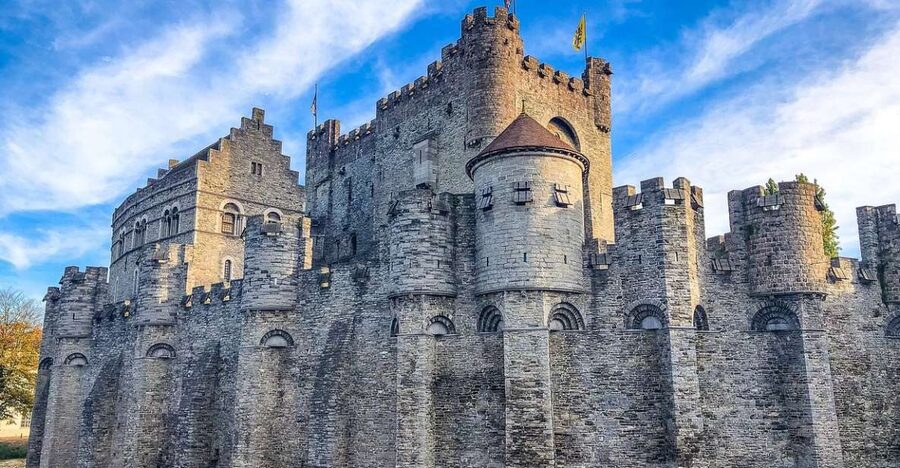
Then you reach Gravensteen (the Castle of the Counts of Flanders). A fortress in the middle of town can feel like a time jump. The tour frames it in terms of its place in the city’s story—why it’s here, what it represents, and why legends cluster around it.
This final stretch on foot works well as an emotional close to the walk: after churches, civic power, and markets, the fortress gives you a sense of control—who held authority and how it was enforced.


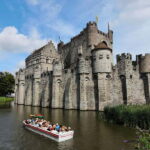
Canals on Leie and the Lieve: the boat ride that ties it together
The canal boat is the payoff. After all the walking context, you finally see Ghent’s “working river city” from the water.
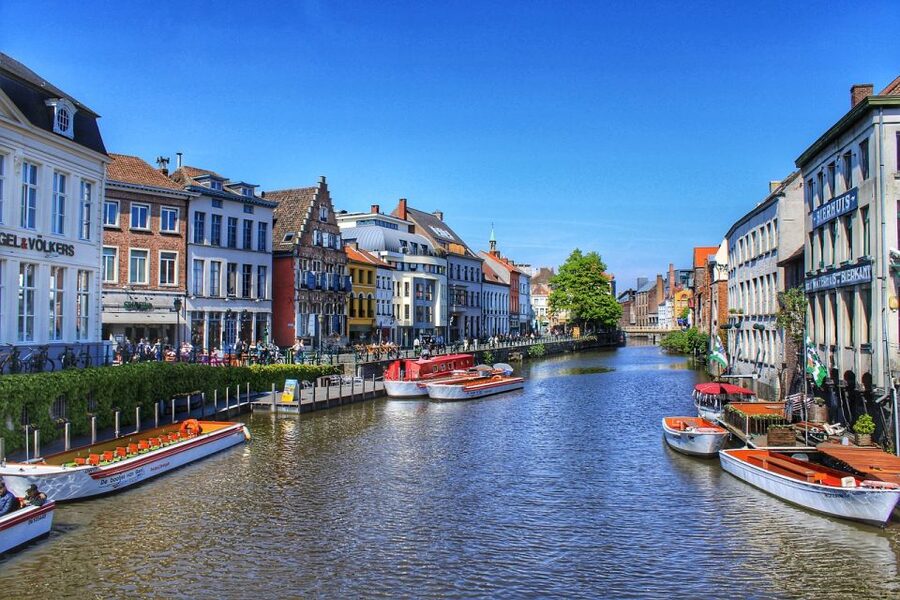
You’ll sail along the river Leie and the Lieve canal, which gives you broad views of both banks. The result is practical and scenic at the same time: you see riverfront buildings in their true setting, plus you get a better sense of how the city’s trade routes flowed.
A standout detail: the boat includes an audio guide with illustrated translations. That matters because Ghent’s canal life isn’t just scenery—it’s history, architecture, and everyday patterns along the water. The illustrated component helps you follow along even if your visual attention is split between reading and looking outside.
You also get something you don’t always get in canal cruises: the boat feels like a continuation of the walking tour’s themes. By the time you’re on the water, you’re not asking what you’re looking at. You’re more like, oh, that’s why this place mattered.
Practicalities: shoes, radios, and pacing on a walking day
This tour is built for walking. The straightforward advice is also the right one: wear comfortable shoes and plan for cobblestones and short stretches of uneven ground.
Hearing the guide is another practical point. Past groups have noted that the small radios worked well, which helps a lot when you’re moving through busy streets or standing near buildings where sound bounces weirdly. If you’ve ever tried to listen while people drift away, you’ll appreciate this.
As for weather, expect it to be a real factor. One group reported rain for about an hour, and the tour still kept going. That doesn’t mean you’ll be comfortable in a storm, but it does mean you shouldn’t treat rain as a guaranteed deal-breaker—bring a light rain layer if your forecast looks shaky.
Also plan your energy. You’ll be walking, listening, and looking up at towers and facades. If you’re the kind of person who gets restless without frequent “new stops,” you’ll do fine. If you prefer quiet and long browsing breaks, this may feel like a bit of a sprint.
Is $32 good value for Ghent? What’s included and what’s not
At $32 per person for about 150 minutes, the value comes from the combo: a professional guided walk plus a canal boat trip. You’re paying for interpretation in two environments—the streets and the waterways—so you don’t have to assemble the experience yourself.
What’s included:
- Walking tour
- Professional guide
- Canal boat trip
What’s not included:
- Food and drinks
That last point matters for budgeting. If you want a full meal, plan it separately. The good news is that Ghent’s central areas are easy to navigate on your own once you get the basic map from the tour.
The pricing also makes sense if you care about getting something tangible out of famous sights. For many people, the best “value moment” is St. Bavo Cathedral, because the guide’s explanations turn a famous painting into an understandable story.
FAQ
Where do I meet the tour guide?
Meet outside the Belfort Tower. The guide will be holding a large black umbrella.
How long is the Ghent guided walking tour and canal boat trip?
The total duration is 150 minutes.
Is the tour offered in English?
Yes, the live tour guide is English.
What’s included in the price?
You get a walking tour, a professional guide, and the canal boat trip.
Do I need to bring anything?
Wear comfortable shoes.
What will the boat trip include?
You’ll take a boat cruise along the river Leie and the Lieve canal, with an audio guide and illustrated translations.
How much does it cost?
The price is $32 per person.
What’s the cancellation policy?
Free cancellation is available up to 24 hours in advance for a full refund.
Should you book this Ghent walking tour and canal boat?
I’d book it if you want a guided hit of Ghent’s most meaningful core: towers, major churches, and the water-driven story of the city. It’s also a strong choice if you don’t want to spend your first day piecing together how everything connects.
Skip it if you know you want lots of quiet time, long museum wandering, or you prefer building your own route without scheduled interpretation. But if you like clear explanations and a short canal escape at the end, this format is a very efficient way to leave Ghent feeling like you actually understand it.