REVIEW · VARANASI
Varanasi Sunset Tour with Ganga Aarti & Free Boat Ride
Book on GetYourGuide →Operated by Lets Go Far · Bookable on GetYourGuide
Two hours, one unforgettable river at dusk. You’ll walk key ghats and watch the Ganga Aarti at Dashashwamedh Ghat, where the evening feels charged with devotion. I like how the route pairs sightseeing with real-life ritual, not just photos. The one drawback: you need to be on time, because if you miss the handoff to Dashashwamedh Ghat, you can miss the main ceremony.
What really makes this tour click is the pacing. You start at Assi Ghat, then move through Harishchandra and Manikarnika Ghats, and finish with a calm boat ride that lets you see the river differently. Guides like Raj, Suryansh, and Manish are repeatedly praised for being warm, detailed, and helpful in the moment—one even got people extra quick views from additional ghats. Still, this is a spiritual-culture experience, not a casual stroll, so you should expect solemn parts and follow guide direction closely.
If you want value, this one is strong. At about $23 for 2 hours, you get a live multi-language guide, a hot drink, the Aarti ceremony, plus a free 1-hour boat ride. Just remember: cremation ground observation is part of the deal, and respectful viewing is required at Harishchandra and Manikarnika.
In This Review
- Key highlights worth planning for
- Where the tour starts: Assi Ghat at sunset
- Harishchandra and Manikarnika: how to watch cremation rituals respectfully
- The river view shift: what the 1-hour Ganges boat ride really gives you
- Dashashwamedh Ghat and Ganga Aarti: the lights, the chants, the timing
- Price and value: why $23 can feel fair here
- Meeting point and timing: Kashi Cafe entrance is your anchor
- What to bring (and what to leave out)
- Group size and guide style: what the best guides seem to do
- Who should book this sunset ghats + boat combo
- Should you book this tour?
- FAQ
- Where do I meet for the tour?
- How long is the tour?
- How long is the boat ride?
- What languages are the live guides available in?
- Is food included in the price?
- Do I get transportation as part of the tour?
- What should I bring?
- Is smoking or alcohol allowed?
Key highlights worth planning for
- Assi Ghat first: a quieter start as prayers and daily life kick in before the river show
- Cremation ghats with a respectful lens: Harishchandra and Manikarnika are central to the city’s spiritual reality
- A 1-hour Ganges boat ride: night reflections and illuminated steps give you a different Varanasi view
- Dashashwamedh Ghat timing matters: arrive early so you don’t miss Ganga Aarti
- Guides that manage details: many guests highlight guides like Raj and Suryansh for clear coordination and care
Where the tour starts: Assi Ghat at sunset
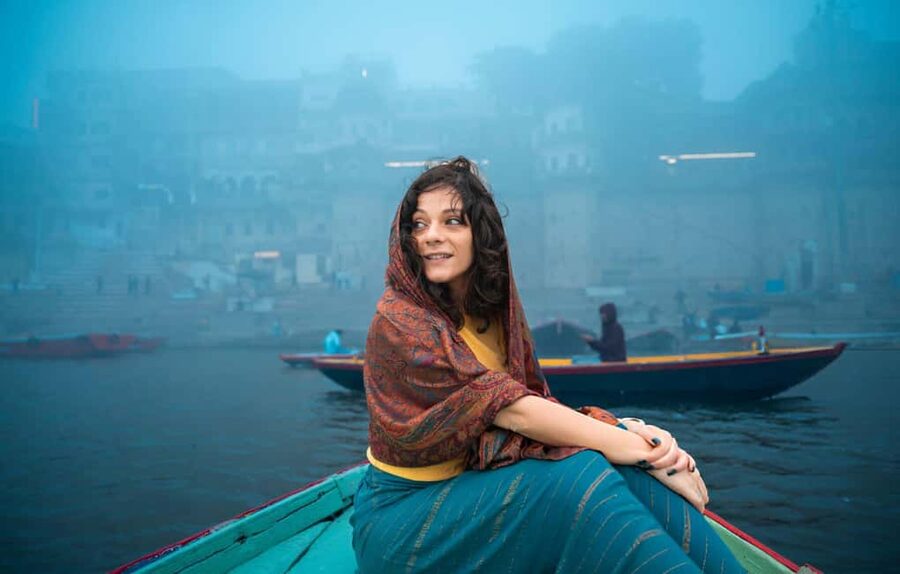
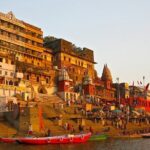
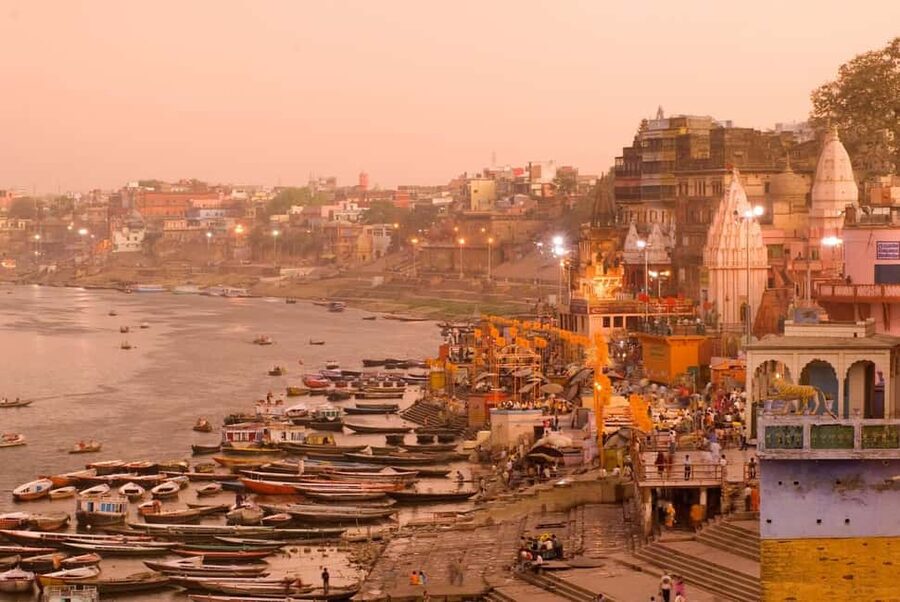
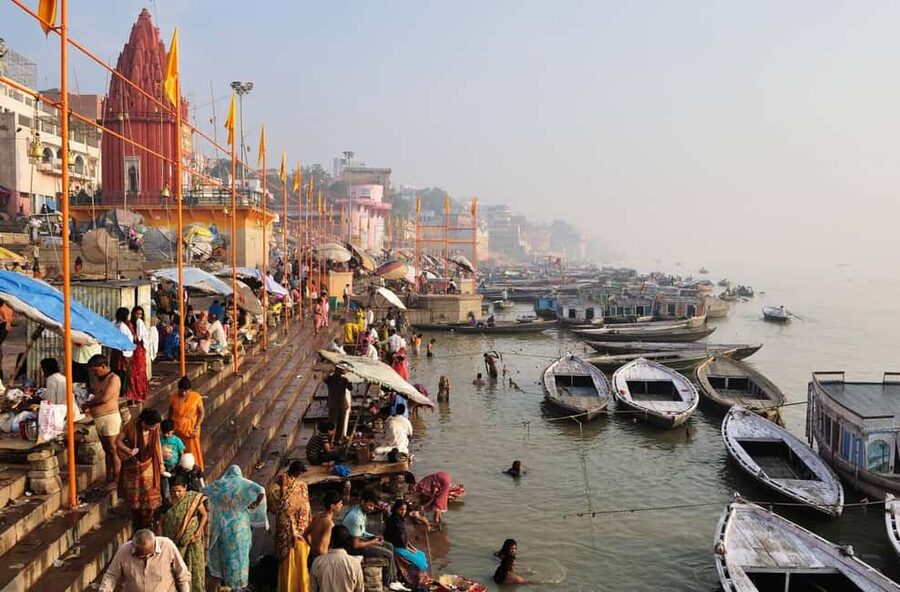
Assi Ghat is a smart place to begin because it’s not trying to compete with the biggest show yet. It’s one of the more popular ghats, and that popularity matters in a good way: you see how Varanasi breathes in the evening. You’ll arrive as the sun lowers, when local prayers, small rituals, and simple conversations along the steps create a natural rhythm.
This is also where you’ll get oriented. Even if you’ve seen ghats in photos, the scale hits when you’re standing on the river edge. People are moving in different directions for different reasons, and your guide helps you read it without turning it into a lecture.
If you’re sensitive to crowds, this is a good compromise. You start in a place that has activity, but you’re not yet at the peak-intensity hub where the Aarti gathers everyone.
You can also read our reviews of more tours and experiences in Varanasi.
Harishchandra and Manikarnika: how to watch cremation rituals respectfully
This tour doesn’t skim around the heavy parts. It includes Harishchandra and Manikarnika Ghats—two locations tied closely to Hindu funeral traditions. That means the mood changes. The steps can feel quiet in a way that isn’t about emptiness. It’s about solemnity.
Here’s the practical expectation: you’ll observe from a respectful distance. Your guide should explain what you’re looking at and what the rituals mean in the Hindu cycle of life and death. In past experiences with guides like Manish, guests valued the way explanations were given so they felt less like shock and more like understanding.
A key point: cremation grounds can have areas where photography is restricted. So bring your camera, but plan to keep it away unless your guide says it’s okay. Even if you don’t take many pictures, you’ll remember more than images—because the sights and sounds are intense.
Who this part is for: if you can handle serious topics with maturity and you’re open to learning, you’ll get a deeper sense of Varanasi than the postcard version. If you’re looking for light sightseeing only, this may feel like too much.
The river view shift: what the 1-hour Ganges boat ride really gives you
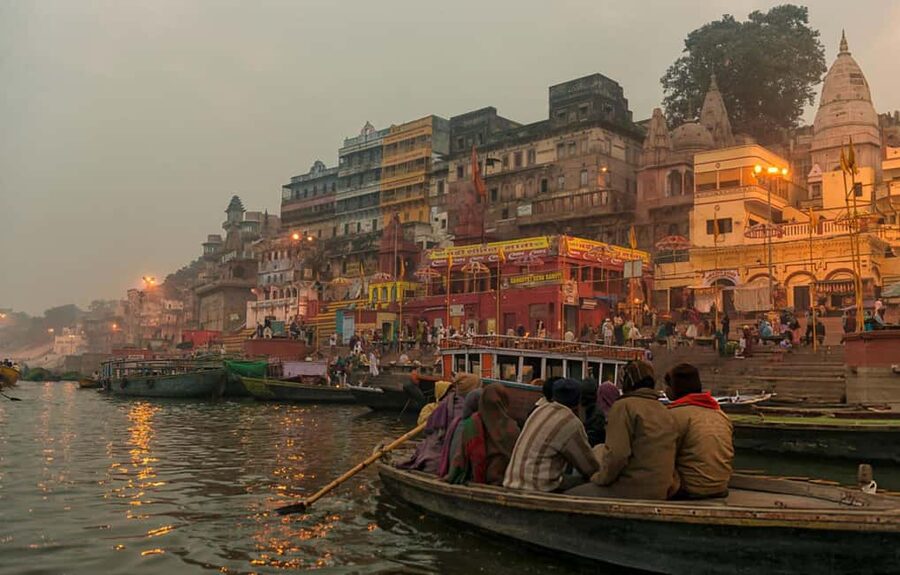
After the ghats, you transition to the boat. That change in setting is part of why this tour works. You move from walking among steps and crowds to floating on the waterline, where everything widens out.
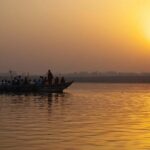
You’ll ride for 1 hour, passing illuminated temples and the long edges of the riverbank. The lights on the water create a softer, slower Varanasi. Even if you’re tired from walking, the boat time helps you reset.
Also watch how your guide frames the city from the river. The same ghats you saw on foot look different from water—steps become patterns, temples become silhouettes, and the river becomes the main character.
One extra detail from guide performance: some guides have coordinated with the boat stops to allow quick looks at additional ghats from the water. That’s not something you should assume every time, but it’s an example of the hands-on way guides can personalize the experience.
Group note: if you choose a group option, the boat may be shared with other people. That’s normal and worth factoring in when you’re thinking about privacy and quiet.
Dashashwamedh Ghat and Ganga Aarti: the lights, the chants, the timing
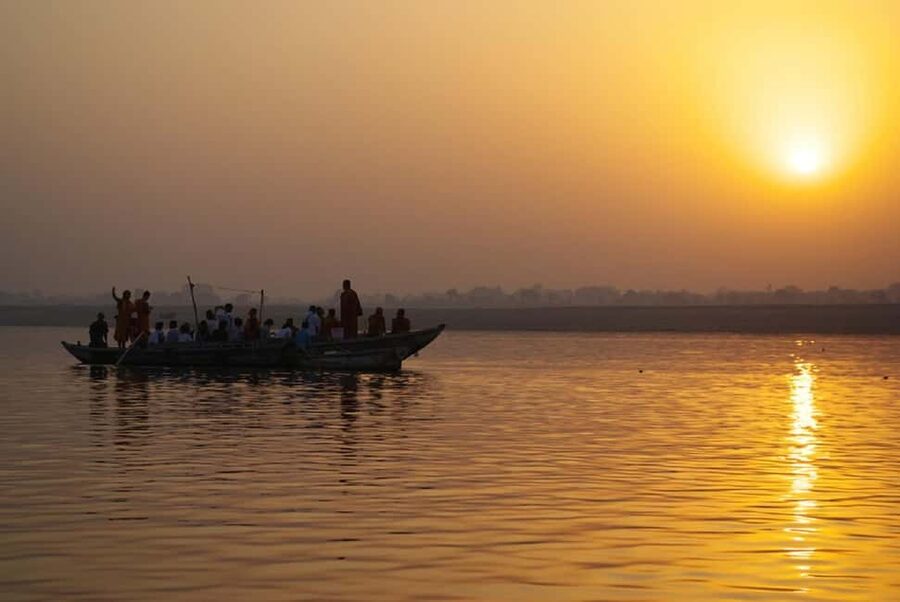
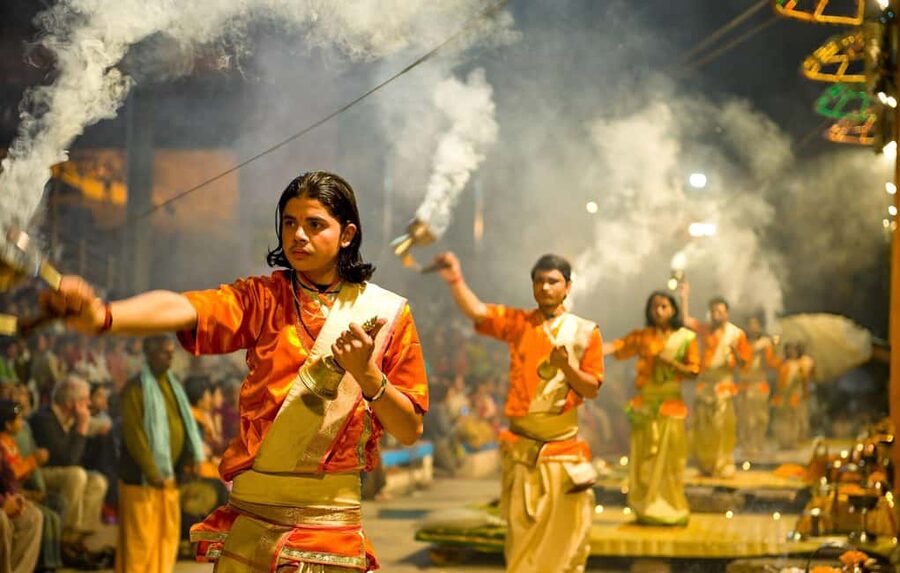
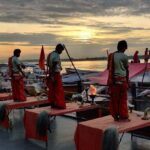
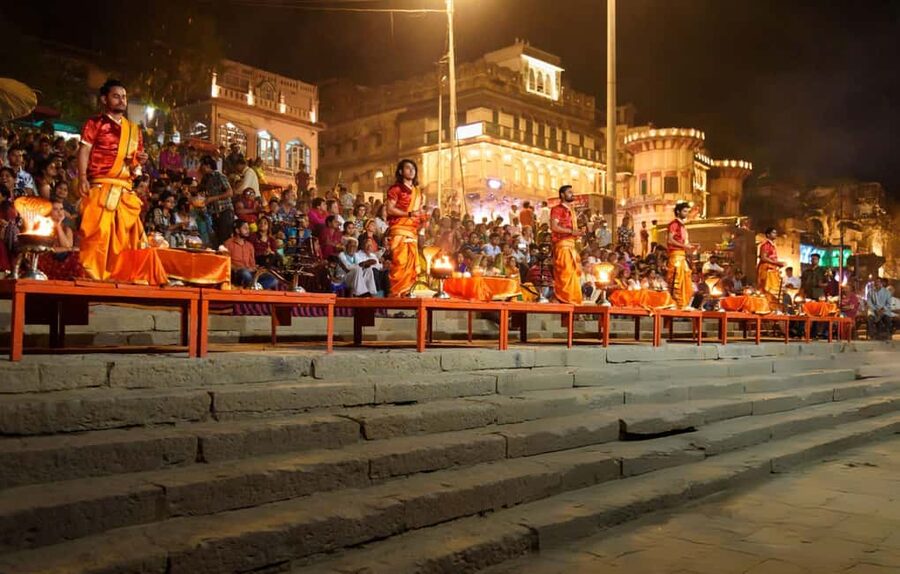
You end at Dashashwamedh Ghat for a reason. It’s the most iconic stop in the city for this ceremony, and you arrive in time to see Ganga Aarti as the sky darkens and the lamps glow.
This is where Varanasi’s spiritual energy becomes visible in a single, moving scene: lights, chants, incense—everything focused on the sacred river. The atmosphere is intense, but it’s also structured. Your guide’s job is to keep you from feeling lost in the crowd while still letting you experience it.
Timing matters more than you think. One disappointment shared in the past was missing the Aarti spectacle after delays getting to the meeting point. That’s your cue: build in buffer time.
Practical tip: once the Aarti is underway, your movement options can shrink. Wear shoes you can stand in, keep your phone ready but not frantic, and be ready to watch for longer than you’d expect.
Price and value: why $23 can feel fair here
At about $23 per person for a 2-hour tour, this is good value if you want the full combo:
- a live guide (multi-language)
- a hot beverage
- the Aarti experience
- a free 1-hour boat ride
What you don’t get is also part of the value math. Food and transportation aren’t included. That means you can eat where you like before or after, instead of being pushed into a set meal. But it also means you should plan your own snack strategy, especially because the schedule is tight and the evening can move fast.
For me, the best value angle is the mix. Walking ghats on land can be overwhelming and hard to interpret. The boat ride gives breathing space and context. Then the Aarti gives the emotional payoff. It’s a tidy package for a modest price—so long as you show up on time and respect the serious parts of the itinerary.
Meeting point and timing: Kashi Cafe entrance is your anchor
The meeting point is the entrance of Kashi Cafe. This is the one logistical detail that can make or break the evening, especially because the Aarti is time-based.
Arrive early. Not just on time. Early enough that you’re not rushing, not scanning people for your group, and not stressing yourself out before you’re even at the river. One past experience highlighted confusion when signage wasn’t clear, and the guide solved it by actively searching. That’s great service, but you shouldn’t need an emergency rescue.
If you’re traveling with family or older guests, this is even more important. Guides have been praised for helping parents feel comfortable—so give them the chance to start smoothly.
What to bring (and what to leave out)
This tour is simple on paper, but you’ll feel the difference if you’re prepared.
Bring:
- comfortable shoes (you’ll be on ghats and likely standing for the ceremony)
- camera (with the understanding that some areas restrict photography)
- water (even in the evening)
- cash (personal expenses are not included)
Also, plan around the hot beverage included. You’ll get one warm drink, but it won’t replace a full meal.
Not allowed:
- smoking
- intoxication
- alcohol and drugs
This rule set isn’t there for moral drama. It’s because the tour includes sacred rituals and cremation grounds. Your behavior affects the experience for everyone around you, including you.
Group size and guide style: what the best guides seem to do
From the past guide praise, a pattern shows up: the strongest tours aren’t just about locations—they’re about how the guide manages the emotional and practical moments.
Guides like Raj have been credited with detailed coordination the day before. That kind of prep helps you feel less rushed. Other guides like Suryansh have been described as going above and beyond, even feeling more like a friend than a tour guide. That matters on an experience where you may feel out of your depth.
Another highlight: guides have shown willingness to tailor things for family needs. If you’re traveling with parents, kids, or someone who gets anxious in crowds, choose a small group or private option if it’s available. Private or small groups often make it easier to keep pace and ask questions without losing your spot for the Aarti.
Who should book this sunset ghats + boat combo
I’d say this tour is perfect if you:
- want a 2-hour plan that hits both day-to-night atmosphere and a major ceremony
- like guided context—especially for places that feel difficult or unfamiliar
- are comfortable with walking and standing on ghats
- want the boat ride as a break from crowd intensity
I’d think twice if you:
- need a fully light, non-solemn experience
- dislike the idea of observing cremation-related rituals
- have trouble with timing-sensitive events and standing in one place for the ceremony
If you’re the type who enjoys learning by watching closely (and listening when explanations matter), you’ll likely get a lot more out of this than a purely sightseeing-minded trip.
Should you book this tour?
Yes—if you’re ready for Varanasi’s real emotional range. This isn’t just a view; it’s a sequence: Assi Ghat calm, cremation ghats with explanations and boundaries, a floating night perspective on the Ganges, then Ganga Aarti at Dashashwamedh.
Book it if you can do two things well: arrive early and stay respectful, especially at the cremation grounds. The payoff is a night on the river that feels lived-in, not staged.
FAQ
Where do I meet for the tour?
You’ll meet at the entrance of Kashi Cafe. Arrive on time to avoid delays in starting.
How long is the tour?
The tour duration is 2 hours total.
How long is the boat ride?
The included boat ride lasts 1 hour.
What languages are the live guides available in?
The guide is available in English, Hindi, Spanish, and French.
Is food included in the price?
No, food is not included.
Do I get transportation as part of the tour?
No, transportation is not included.
What should I bring?
Bring comfortable shoes, a camera, water, and cash for personal expenses.
Is smoking or alcohol allowed?
Smoking is not allowed, and intoxication, alcohol, and drugs are not allowed.